A spectacle designed to signal more than agility
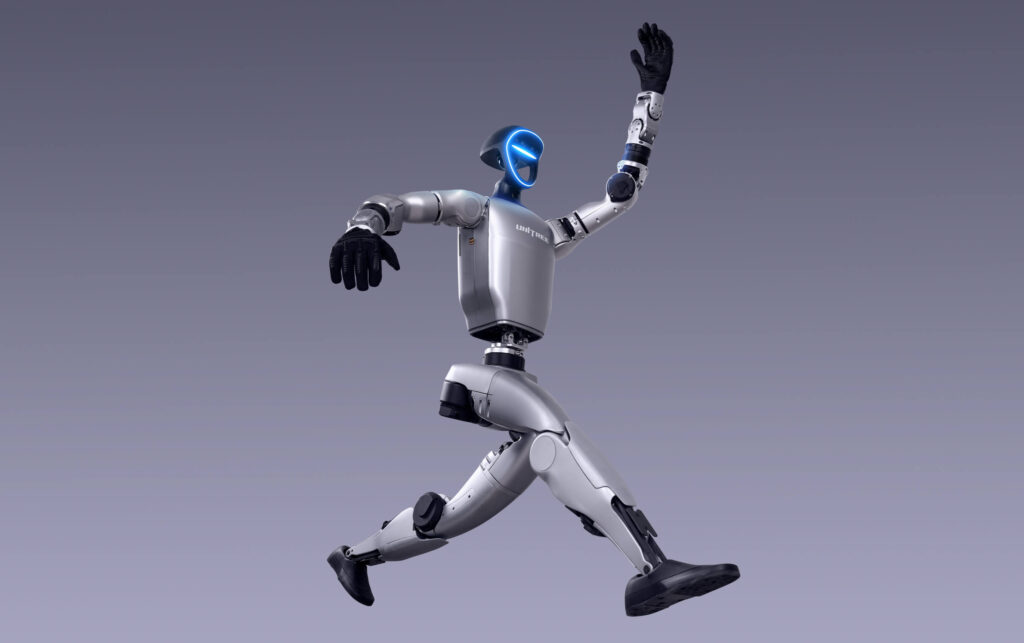
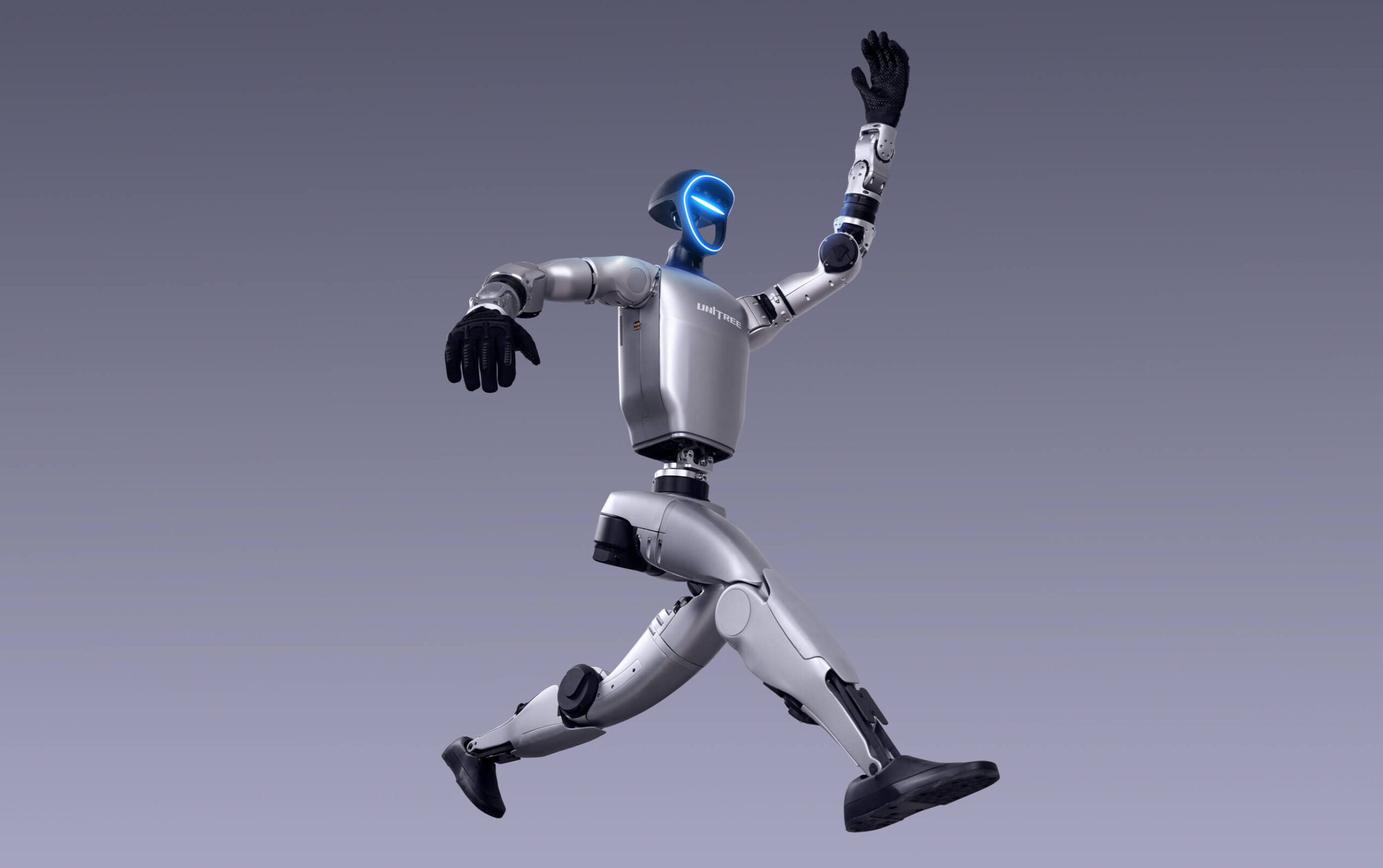
Unitree’s latest display of G1 humanoid robots performing synchronized Kung Fu in front of Beijing’s Temple of Heaven was not merely a theatrical demonstration of balance and movement. It was a carefully staged statement about where the company believes humanoid robotics is heading next. By placing dozens of machines into a culturally resonant, highly visible formation, Unitree presented coordination itself as the product: not just a robot that can move, but a fleet that can operate in disciplined unison.
The setting mattered as much as the routine. Filmed in front of the Hall of Prayer for Good Harvests, the performance fused technical choreography with symbolic spectacle, turning the robots into a public-facing image of Chinese robotics ambition. Punches, kicks and acrobatic movements were used not only to impress, but to suggest that control systems, hardware stability and scheduling logic are advancing together rather than in isolation.
Coordination is becoming the real benchmark
The most important detail in the performance is not that individual robots executed martial-arts-inspired gestures, but that they did so as a group with tight timing and visible precision. Unitree has emphasized coordinated improvements in algorithms, hardware and system design, and the demonstration appears intended to show exactly that integration at work. In humanoid robotics, isolated feats can generate attention, but synchronized action is more revealing because it exposes whether perception, control and motion planning can remain stable across many machines at once.
That is why the company’s recent public demonstrations have focused repeatedly on clusters rather than single robots. The G1 machines had already drawn attention during China’s 2026 Spring Festival Gala, where dozens of robots performed what was described as the world’s first fully autonomous humanoid robot cluster Kung Fu routine. Follow-up footage featuring trampoline jumps, complex formations and even large-scale character writing reinforced the same message: Unitree wants to be seen not simply as building humanoids, but as building deployable robotic systems at group scale.
Public performance is being used as a bridge to commercialization
These demonstrations are arriving alongside a more consequential commercial claim. Unitree says it plans to ship around 20,000 humanoid robots in 2026, sharply up from 5,500 last year. That target suggests the company is trying to move the conversation beyond prototypes and showcase units toward meaningful deployment volume. In that context, the temple performance functions as more than marketing. It is part of a broader attempt to convince the market that scale, not novelty, is now the central frontier.
The company’s leadership has identified real-world implementation as the sector’s most significant hurdle, and that framing is important. Controlled public events offer ideal conditions for showing what current systems can do: stable terrain, predictable timing and limited environmental variability. They are useful demonstrations precisely because they allow companies to showcase the outer edge of present capability. But they also underline the gap that still remains between choreographed excellence and robust performance in the messier conditions of everyday commercial use.
The market is accelerating, but the hard part remains ahead
Unitree’s momentum comes at a time when competition in humanoid robotics is intensifying and major firms are racing to expand development and factory deployment. Yet the article makes clear that industrial adoption has not advanced as quickly as earlier expectations suggested. The challenge is no longer only to produce eye-catching robots, but to make them reliable, adaptable and economically viable in real operating environments.
That is what gives Unitree’s latest display its broader significance. The synchronized Kung Fu routine shows a company trying to prove that humanoid robotics can move from isolated engineering milestones toward repeatable, coordinated execution at scale. It is an impressive image, but also a strategic one. The real question now is whether the discipline seen in ceremonial performances can be translated into the far less forgiving realities of widespread deployment, where spectacle gives way to utility and precision must survive outside the stage.
Source: Unitree’s G1 humanoid robots perform synchronized Kung Fu at Chinese temple
Cover image: Unitree