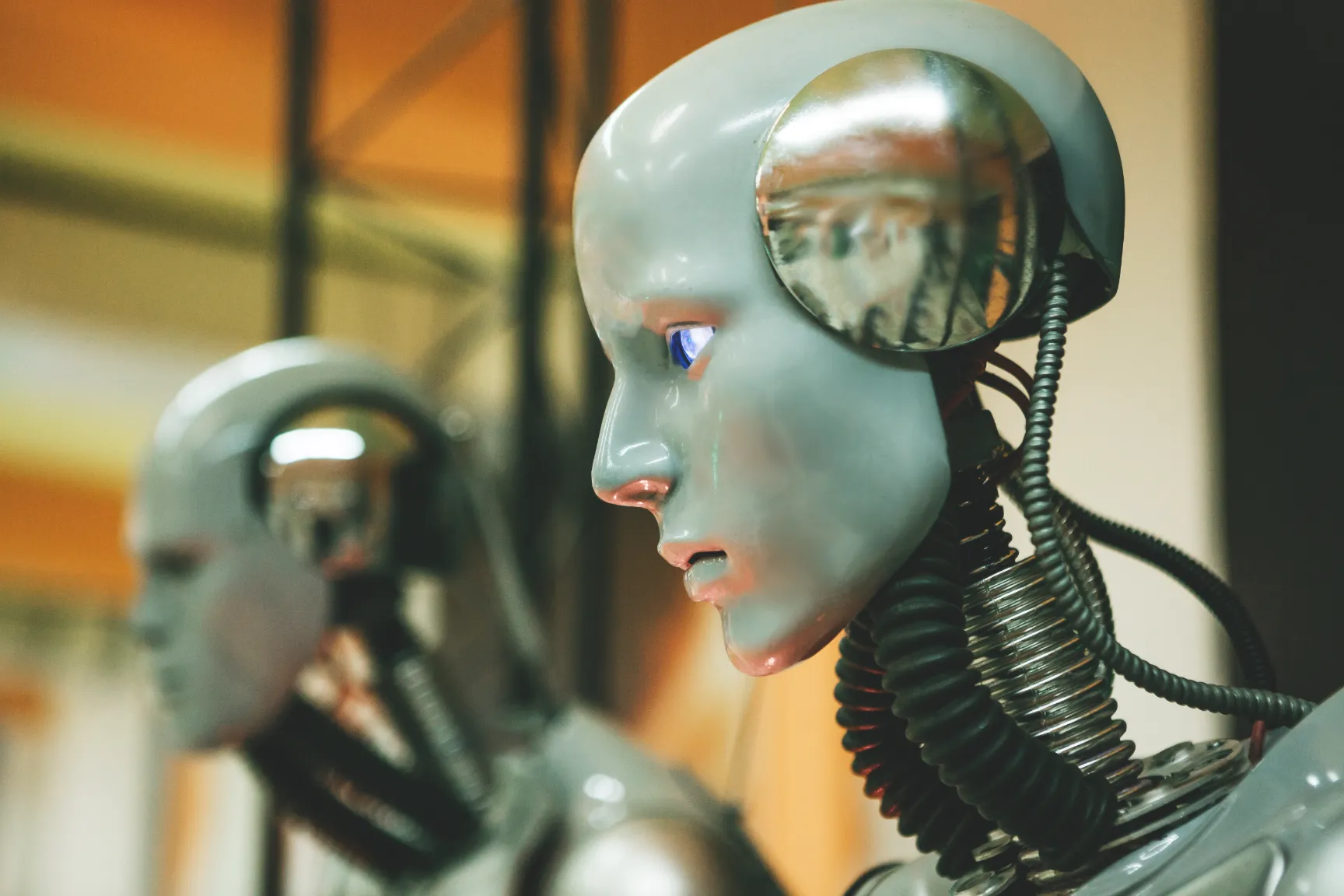
From experimentation to embedded systems
Artificial intelligence has entered a new phase in which it is no longer defined by isolated experiments or standalone tools. It is becoming part of the operating fabric of business, government, and everyday digital life. What matters now is not whether AI can generate text or answer prompts, but how deeply it is being woven into the systems that shape productivity, communication, and decision-making. From enterprise software and consumer devices to public policy and industrial operations, AI is increasingly treated as core infrastructure rather than optional innovation.
That shift is visible in the rise of autonomous AI agents, which move beyond assisting users toward planning, reasoning, and carrying out complex tasks with limited human supervision. Their significance lies in scale. When systems can manage workflows instead of merely supporting them, organisations begin to rethink automation not as a marginal efficiency gain but as a structural redesign of how work gets done. In parallel, generative AI is fading into the background as a separate category because it is being built directly into the tools people already use, making AI presence more constant, less visible, and far more consequential.
A broader machine intelligence is taking shape
The next important change is the spread of multimodal intelligence. Models that can process text, images, audio, video, and sensor data are expanding the range of interactions humans can have with machines while improving the quality of machine judgement in more complex environments. This matters because the strongest applications of AI are no longer confined to language. In healthcare, robotics, and other data-rich fields, systems that can interpret several forms of input at once promise more useful assistance and more context-aware responses.
A similar logic is driving the growth of edge AI and real-time computing. Processing data directly on devices, sensors, smartphones, and industrial systems reduces dependence on distant cloud infrastructure, shortens response times, and can improve privacy. That makes AI not only faster but more practical in environments where delay, connectivity, or data sensitivity are critical constraints. The result is a more distributed model of intelligence, with computation happening closer to where decisions are made.
Power, policy, and accountability are converging
As AI expands into more sensitive domains, the question of governance has moved from abstract debate to operational necessity. Decisions involving finance, hiring, moderation, and other high-impact areas increasingly require systems that can be explained, monitored, and evaluated for fairness. Ethical, governed, and explainable AI is no longer a reputational add-on; it is becoming a condition of trust and compliance. This is why the call for formal AI policies inside organisations is gaining urgency. Without clear rules for deployment, oversight, and accountability, the speed of adoption risks outrunning institutional control.
At the same time, policymakers are treating AI as an economic force with macro-level implications. Governments and central banks are paying closer attention to how productivity gains from AI could influence jobs, labour markets, and even inflation. That elevates AI from a technology trend to a factor in national economic planning. The same strategic framing is evident in state-led AI agendas, including major development plans that place AI at the centre of manufacturing, healthcare, education, and research. The technology is now being understood as a geopolitical asset as much as a commercial one.
The infrastructure race will define the next phase
Another signal of AI’s maturity is its movement into the infrastructure layer itself. The development of AI-native communications systems, including future 6G networks, suggests that intelligence will not simply run on top of networks but be built into how those networks manage traffic, optimise performance, and adapt autonomously. This marks a deeper integration of AI into the technical backbone of connectivity and positions it as a design principle for next-generation digital systems.
That infrastructural logic also extends to media and labour. AI-generated video, audio, and images are becoming more sophisticated, lowering barriers to content creation while intensifying concerns around authenticity and misuse. Meanwhile, the effect on employment is proving more complex than a simple story of replacement. Some roles are disappearing, but new demands are emerging in areas such as governance, ethics, oversight, and prompt-based interaction. The future workforce is likely to be defined less by a contest between humans and machines than by new forms of collaboration between human judgement and autonomous systems. Taken together, these trends show that AI is not just shaping products or workflows. It is beginning to reshape the institutional, economic, and technical foundations of modern society.
Source: Top 10 Artificial Intelligence trends shaping the world