Domestic robotics is moving from concept to controlled reality
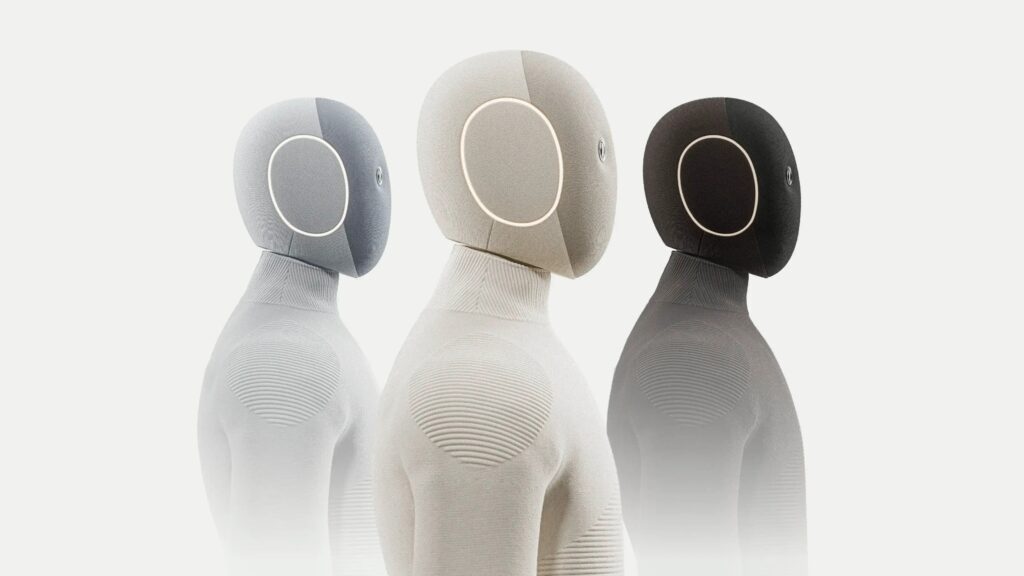
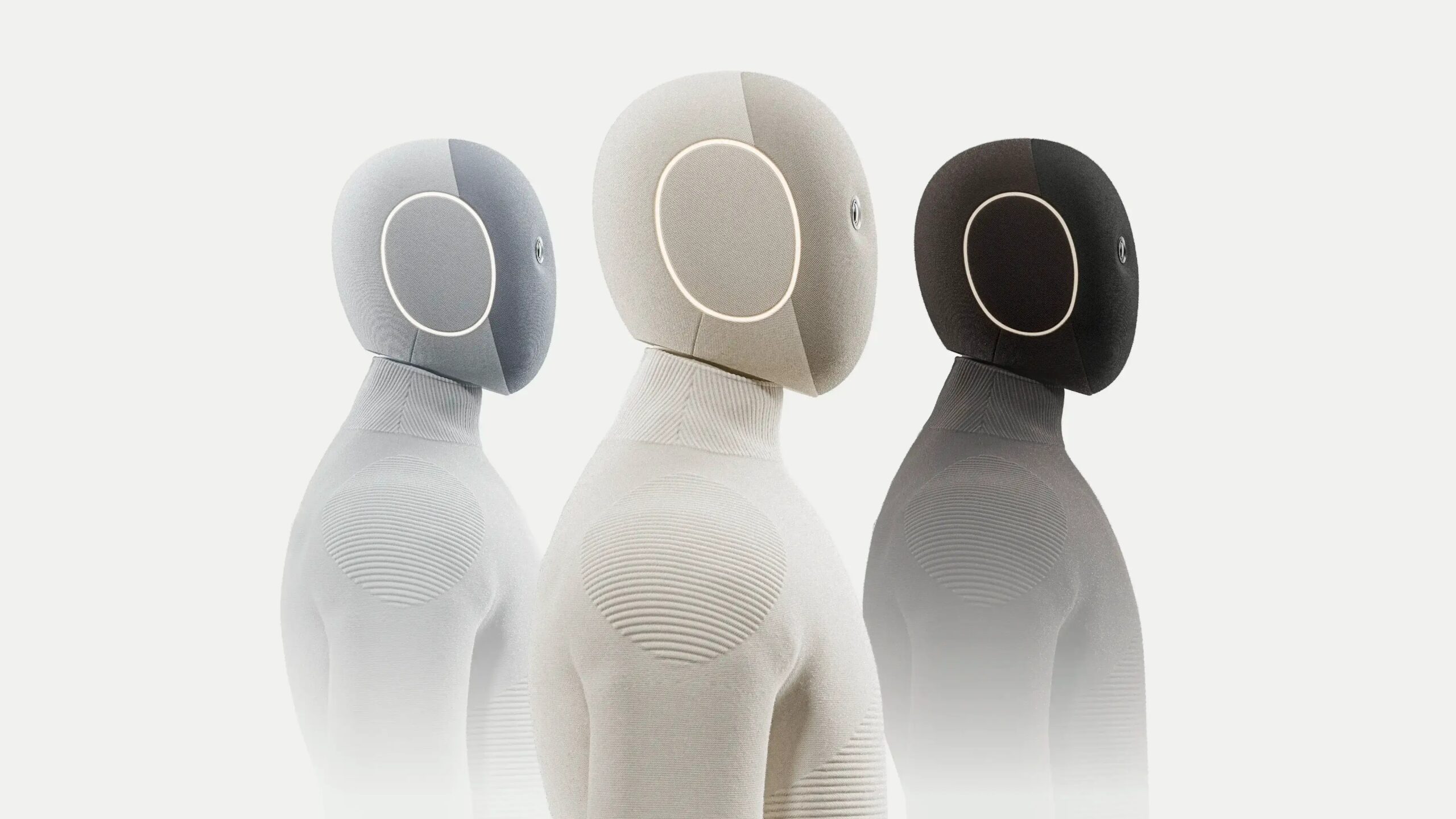
The arrival of Neo, a full-size humanoid robot from 1X designed to work inside private homes, marks a notable shift in the domestic technology market. For years, household robotics largely meant single-purpose machines such as robot vacuums, built to operate within narrow constraints. A humanoid system capable of washing dishes, folding laundry and assisting with cooking points to something more ambitious: the attempt to bring general-purpose robotic labor into ordinary living spaces. That alone makes the rollout significant, even if the technology remains far from seamless independence.
What matters most in these early deployments is not the breadth of the promise, but the conditions attached to it. The first trials show a machine that can move through kitchens and living rooms, retrieve items and complete basic chores, but only cautiously and under human supervision. The real milestone is not full autonomy, but the fact that domestic robotics is now being tested as a managed service inside the home.
Household work remains harder than it looks
The source makes clear why that supervision is still necessary. Homes are unstable environments for machines. Laundry changes shape in the hand, wet towels sag unpredictably, door handles twist, dishes slip and children or pets can alter the scene without warning. Even simple tasks force a robot to balance, judge distance and adjust motor force continuously, with little room for error before something breaks or someone gets hurt.
That is why early household humanoids remain deliberate and slow. Their caution is not a flaw in presentation but a sign of the problem they are trying to solve. Domestic labor is difficult not because the tasks are glamorous, but because they require constant adaptation to objects and situations that refuse to behave consistently. The robot’s limitations are therefore revealing: they show that the final barrier in home robotics is not movement alone, but reliable judgment in cluttered, unpredictable spaces.
The human is still inside the system
A striking feature of Neo’s rollout is how much of its apparent competence still relies on people. Head-level cameras allow the robot to perceive its surroundings, but they also create the conditions for teleoperation, with a remote operator able to see through the machine and step in via a virtual reality interface when a task becomes difficult. In practice, that means household robotics is not yet a story of human labor disappearing. It is a story of labor being displaced, restructured and partly hidden behind the machine.
This human layer serves several purposes. It acts as a safety backup, helps the robot complete more complex motions and provides training data for imitation learning, where successful human-guided actions can later be repeated by the robot on its own. But it also exposes a more sobering truth: today’s home humanoid is still part robot, part remote service model. Its progress depends not only on better hardware and AI, but on a continuing supply of human intervention and recorded household activity.
Privacy becomes a daily operating question
That arrangement introduces privacy concerns that are not incidental, but central to the product itself. A home robot that sees through cameras and can be remotely guided inevitably raises questions about who has access, when that access is permitted and whether footage is stored or reviewed. Contracts that limit remote access to certain hours, block off rooms and blur faces may reduce risk, but they also underline how much visibility the system requires in order to improve.
The most important implication is that privacy ceases to be passive. It becomes something users must actively configure and monitor. Families will need to understand time windows, room restrictions and visible indicators showing when remote operators are active. In the domestic robotics model now emerging, convenience is inseparable from negotiated access to the private sphere. That may prove acceptable for some buyers, but only if the rules are clear, enforceable and treated as part of the product rather than an afterthought.
Safety and cost define the real market test
Safety concerns are equally practical. A humanoid robot with arms moving through a home can knock over a child, mishandle a heavy object or become a vulnerability if remote systems are compromised. Companies are responding with lift limits, resistance sensors and cautious task design, but the result is often a machine that refuses higher-risk chores or waits for permission when the situation becomes uncertain. For now, restraint is part of the product offering.
The commercial terms reinforce that this is still an early market. Buyers are being offered a $499-per-month subscription or a $20,000 ownership option, with U.S. deliveries beginning in 2026. Those prices do not buy independence alone; they also pay for software updates, hardware support and the human help required when the system gets stuck. The true cost, then, is broader than purchase price. It includes an ongoing relationship in which households exchange money, data and a degree of control for the promise of robotic assistance.
A useful machine will need more than better autonomy
The deeper lesson from Neo’s debut is that the first generation of home humanoids will not succeed simply by becoming more capable. They will succeed only if they become more governable. That means clear safety standards, transparent remote-access rules, meaningful privacy controls and user confidence that the machine remains a tool rather than an always-watching intermediary. The real contest in domestic robotics is not only technical. It is about whether families can trust the operating model that comes with the robot.
For now, humanoid helpers offer a glimpse of a future in which household labor may be partly automated, but they also reveal how dependent that future still is on human oversight, data collection and cautious limits. The promise is real, yet so are the constraints. The home humanoid has arrived not as a finished breakthrough, but as a carefully supervised first step into one of technology’s most intimate environments.
Source: Humanoid robots tackle dishes, laundry, and cooking
Cover image: 1x.tech