Linux hardly needs an introduction anymore. For years, plenty of people saw it as something built for developers, system administrators, and enthusiasts who were happy living in the command line. That picture feels far too small now. Linux began in 1991, which means 2026 marks 35 years of Linux, and during that time it has grown into one of the most important foundations in modern computing. It has moved far beyond being an alternative desktop operating system. Today, it sits underneath devices, services, research systems, and platforms used by billions of people every single day.
Table of Contents
A big part of Linux’s staying power comes down to a few qualities that still matter everywhere: openness, flexibility, portability, and scale. The same kernel family can support a phone, a laptop, a smartwatch, a smart TV, a scientific computing cluster, a vehicle platform, or one of the fastest machines ever built. That reach gives Linux real weight. It thrives in places where reliability matters, where customization matters, and where systems need to keep growing without falling apart.
What makes that especially interesting is how often people use Linux without realizing it. It runs beneath products that feel polished, mainstream, and familiar. In many cases, the Linux layer stays invisible while the user experience takes center stage. That quiet presence may be one of the strongest signs of its success.
The phone in your pocket
The most important Linux device in the world may well be the smartphone, even though most people never describe it that way. Android is built on the Linux kernel, and that puts Linux at the heart of the largest consumer computing ecosystem on Earth. Every time someone unlocks their phone, opens a map, sends a message, makes a payment, watches a video, or takes a photo, there is a strong chance Linux is doing the heavy lifting in the background.
That matters because phones have become the main computer for a huge part of the world. For many people, their phone handles communication, banking, shopping, navigation, work, and entertainment. Linux powers all of that quietly, without demanding attention.

The lightweight laptops found in classrooms and offices
Many people assume Chromebooks belong in a category of their own, separate from traditional operating systems. In reality, ChromeOS comes from a Linux background. Under the clean, simple, cloud-first experience sits a Linux-based foundation that helps give Chromebooks their reputation for speed, security, and easy maintenance.
That foundation also gives them more depth than many people expect. ChromeOS can support Linux tools and applications directly, which makes Chromebooks useful for students, casual users, and developers alike. So while these laptops often look simple on the surface, there is far more going on underneath.

The gaming handheld that changed Linux gaming’s image
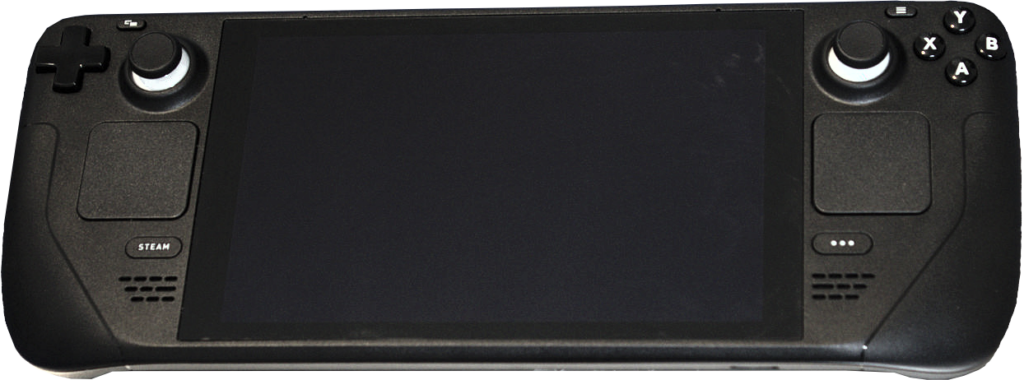
For a long time, Linux gaming had a reputation for being awkward, limited, and a little too technical for most players. Valve helped shift that conversation in a major way. SteamOS, which powers the Steam Deck, is Linux-based, and it brought Linux gaming into a much more accessible and mainstream space.
That shift matters because it proved Linux could support a gaming product people actually want to buy and use, rather than something admired only by enthusiasts. The Steam Deck gave players a polished experience, regular updates, and a growing sense that Linux could handle serious gaming without feeling like a compromise.
The television in your living room
Linux also powers one of the biggest screens in most homes. Many smart TVs, including Samsung’s Tizen-based models, rely on a Linux-based operating system. That turns Linux into part of everyday home life in a very direct way.
The modern TV does far more than display channels. It streams films and series, runs apps, connects to smart-home systems, supports gaming services, and acts as a digital hub for the living room. In that setting, Linux supports an experience that feels familiar and effortless, even though most viewers never think about the operating system behind it.

The watch on your wrist
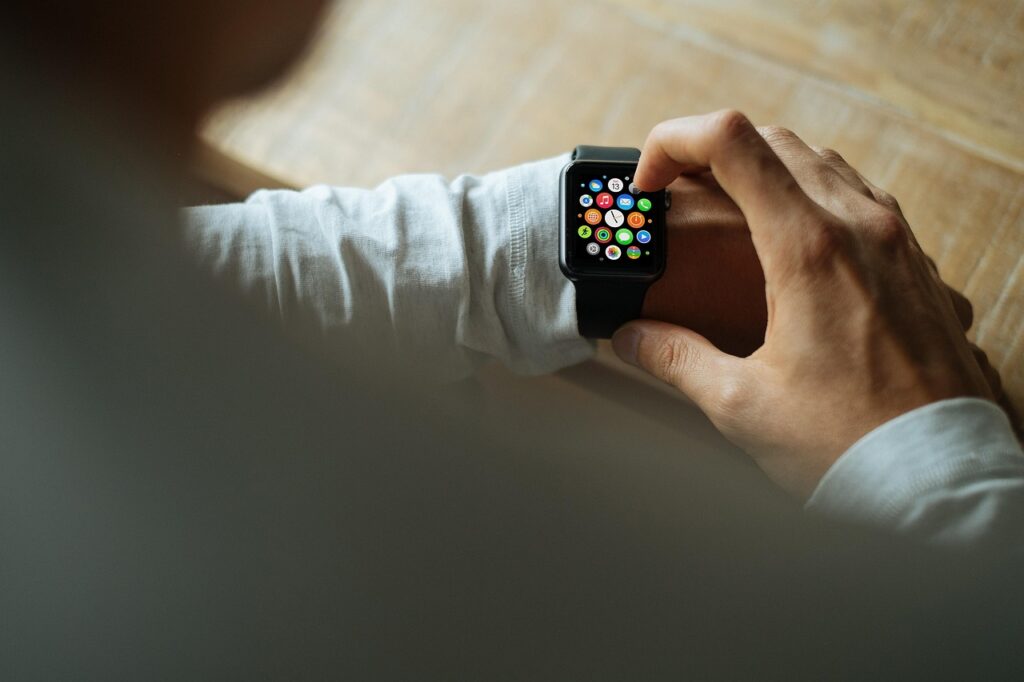
Wearables offer another good example of Linux showing up in ordinary life without much fanfare. Smartwatch platforms connected to the Android ecosystem ultimately trace back to the Linux kernel, which means Linux has made its way onto millions of wrists around the world.
That puts Linux inside devices people wear all day long for messages, payments, exercise tracking, navigation, and quick access to information. It has moved far beyond desks, servers, and lab environments. It now lives in some of the most personal technology people own.
The software-driven car
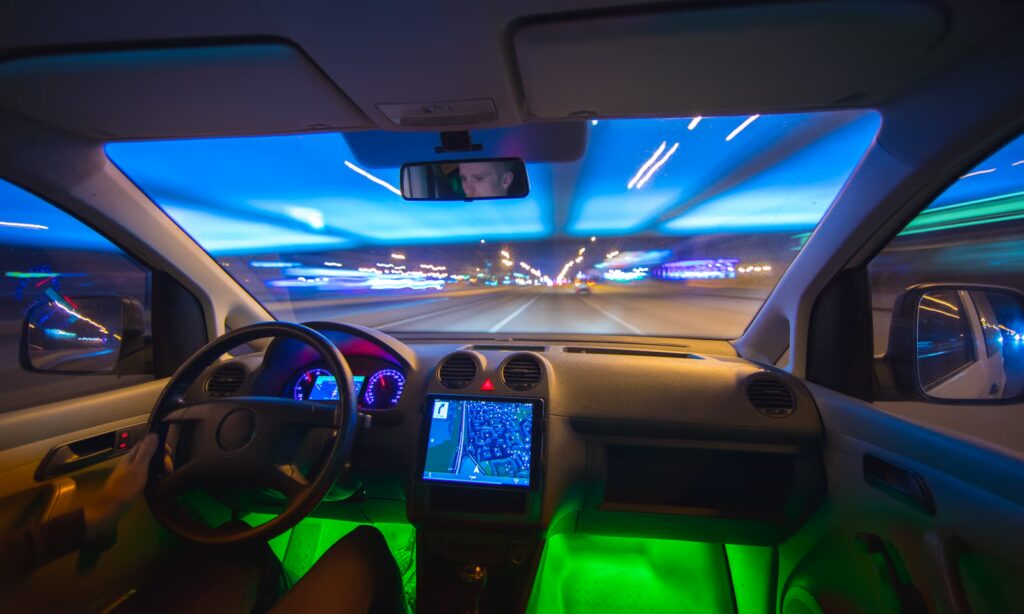
Cars have changed dramatically over the past decade. They are still machines, of course, but they are also software platforms now. Linux plays a serious role in that transition. Automotive Grade Linux has become part of a broad industry effort to build open, shared software foundations for connected and software-defined vehicles.
That influence shows up in infotainment systems, instrument clusters, telematics, and other digital features that drivers use every day. As cars become more connected, more updateable, and more dependent on software, Linux continues to earn its place under the hood. For manufacturers, that flexibility saves time and helps reduce fragmentation. For drivers, it often shows up as a smoother digital experience.
Space operations and advanced flight software
There are very few environments where reliability matters more than it does in space. Linux has earned trust there as well. NASA has used Linux in important operational contexts, and newer efforts around space-grade Linux support show that interest continues to grow.
That says a lot about the system’s reputation. Space missions leave no room for casual engineering choices. The software used in those settings needs to be dependable, adaptable, and maintainable over time. Linux has proven valuable in exactly those kinds of demanding conditions, which helps explain why it continues to appear in mission-focused work.
Big science at CERN
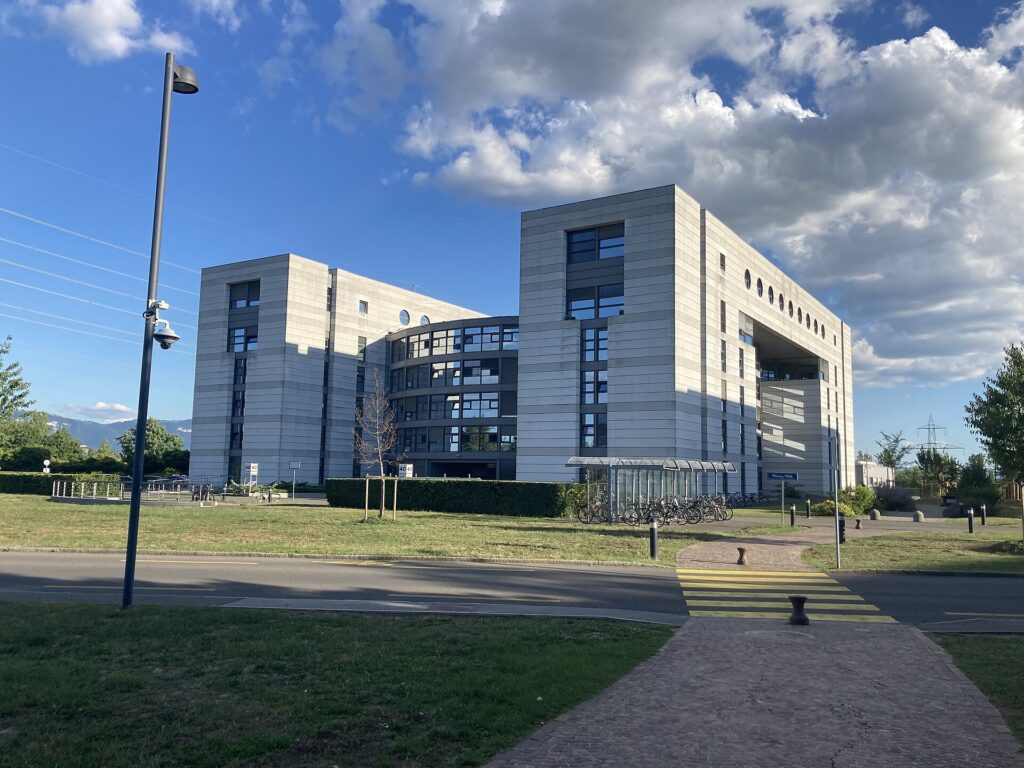
At CERN, Linux forms part of the computing backbone behind some of the most ambitious scientific research in the world. The organization’s Linux environments support researchers, remote users, data workflows, and large-scale scientific computing tied to experiments including the Large Hadron Collider.
This is one of the clearest examples of Linux thriving where scale and complexity meet. Huge volumes of data need to be processed, shared, and studied by scientists across many countries and institutions. Linux helps hold that environment together, giving researchers a stable and flexible platform for work that pushes at the edges of human knowledge.
Every fastest supercomputer on Earth
At the highest level of computing, Linux has become the standard. The world’s fastest supercomputers all run Linux, and that says more than any slogan ever could. When researchers, governments, and national laboratories build machines for climate modeling, simulation, materials science, physics, and frontier research, they keep choosing Linux.
That kind of dominance comes from practical strengths. Linux adapts well to specialized hardware, scales effectively, and gives engineers the level of control they need in extreme computing environments. When the goal is raw performance at the outer edge of what machines can do, Linux keeps showing up as the platform people trust.
Much of the web itself
One of the least visible examples may be the most important. A large share of the web runs on Linux. Websites, backend services, ecommerce systems, APIs, hosting platforms, and cloud infrastructure often depend on Linux somewhere in the stack.
Most people will never see that directly. They see the app, the site, the checkout page, or the streaming service. Beneath all that, Linux frequently helps keep the whole system moving. It has become one of the quiet foundations of the internet, supporting digital experiences people rely on every day.

Why that matters
The real surprise no longer comes from finding Linux in unusual places. The real surprise is how normal its presence has become. It powers personal devices, household electronics, scientific research, transportation systems, large-scale infrastructure, and the fastest computers on the planet.
That kind of reach tells a simple story. Linux has become one of the most important technologies in modern computing because it keeps proving useful in the places that matter most. Organizations and industries that care about reliability, control, scale, and long-term flexibility continue to choose it again and again.
And that may be the clearest sign of Linux’s success. It does not need to dominate the conversation to shape the world. It already does.
Author:
Jan Bielik
CEO & Founder of Webiano Digital & Marketing Agency

This article is an original analysis supported by the sources cited below
The Linux Foundation: It’s not just the Linux operating system
A useful background piece that explains Linux as a core part of modern open source infrastructure. It helps frame Linux as a long-term technology foundation used across industries, not only as a desktop operating system.
https://www.linuxfoundation.org/blog/blog/the-linux-foundation-its-not-just-the-linux-operating-system
Platform Architecture | Android Developers
An official technical reference confirming that Android is built on the Linux kernel. It supports the point that Linux sits underneath billions of smartphones and remains central to the Android platform.
https://developer.android.com/guide/platform
The Android Show: I/O Edition
Provides current scale figures for Android, including its global reach across devices and countries. It was useful for showing how widely Linux-based mobile technology is used in everyday life.
https://blog.google/products-and-platforms/platforms/android/the-android-show-io-2025/
ChromiumOS | Google Open Source Projects
Clarifies the relationship between ChromiumOS and ChromeOS and shows the Linux-based roots of the Chromebook ecosystem. It helped support the section on lightweight laptops used in schools and offices.
https://opensource.google/projects/chromiumos
Linux on ChromeOS
Explains how ChromeOS supports Linux applications and developer tools directly. This added depth to the Chromebook section by showing that the platform goes well beyond basic browser use.
https://chromeos.dev/en/linux
SteamOS
Confirms that SteamOS is Linux-based and designed for gaming hardware. It was important for showing how Linux moved into mainstream gaming through products like the Steam Deck.
https://store.steampowered.com/steamos/buildyourown
Smart TV – One UI Tizen
Shows how Samsung uses Tizen in its smart TV ecosystem. It helped illustrate that Linux-based platforms are also part of everyday home entertainment and consumer electronics.
https://www.samsung.com/uk/tvs/smart-tv/smart-hub-and-apps/
The smartwatch operating system that connects you to your world
Highlights the practical features of Wear OS, including messaging, navigation, payments, and health functions. It supported the idea that Linux-related platforms also power wearable technology used every day.
https://wearos.google.com/
Home – An Open Source Platform for Software Defined Vehicles
Describes Automotive Grade Linux as an open platform for software-defined vehicles. It was used to support the section on Linux in infotainment, telematics, and connected car systems.
https://www.automotivelinux.org/home-new-3-2/
Linux Foundation Training Prepares the International Space Station for Linux Migration
Documents training connected with Linux migration in an International Space Station context. It helped ground the space section in a real and documented operational example.
https://training.linuxfoundation.org/solutions/corporate-solutions/success-stories/linux-foundation-training-prepares-the-international-space-station-for-linux-migration/
Space Grade Linux for Flight Software on Next Generation Space Processors
Outlines NASA-related work focused on Linux support for future flight software and space processors. It added a forward-looking dimension to the section on Linux in aerospace.
https://techport.nasa.gov/projects/157204
Update on Linux support: creation of a CERN Linux community forum
Offers institutional confirmation of Linux support at CERN. It helped support the claim that Linux plays a real role in major scientific computing environments.
https://home.cern/news/official-news/computing/update-linux-support-creation-cern-linux-community-forum
November 2025 | TOP500
Provides the authoritative ranking of the world’s fastest supercomputers. It was essential for supporting the point that Linux dominates the supercomputing landscape.
https://top500.org/lists/top500/2025/11/
Usage statistics of Linux for websites
Gives measurable data on Linux usage across websites with identifiable operating systems. It supported the argument that Linux powers a large share of the web’s underlying infrastructure.
https://w3techs.com/technologies/details/os-linux