

How Google AI Mode actually works, from query to answer
Type a question into the regular Google search box and, for most queries, you still get the familiar page: ads at the top, a possible AI…
Expert analysis on AI search, answer engines, generative engine optimization, discoverability systems, semantic clarity, entity mapping, citation logic, topical depth and structured authority as the infrastructure of modern digital visibility and machine interpreted trust. This category explores how organizations strengthen the conditions under which their expertise is recognized, retrieved, referenced and surfaced across AI mediated search environments. It examines the content models, structural signals and authority frameworks that influence whether a brand becomes findable, understandable and credible in the systems increasingly shaping research, comparison and decision making.
Type a question into the regular Google search box and, for most queries, you still get the familiar page: ads at the top, a possible AI…
Google finished rolling out its Search generative AI control to every website worldwide on August 31, 2026, a binary switch that removes a site from AI…

John Mueller’s August 20 comment, reported on August 25, reinforces Google’s formal guidance: AI Overviews and AI Mode still depend on the Search index, ranking systems…
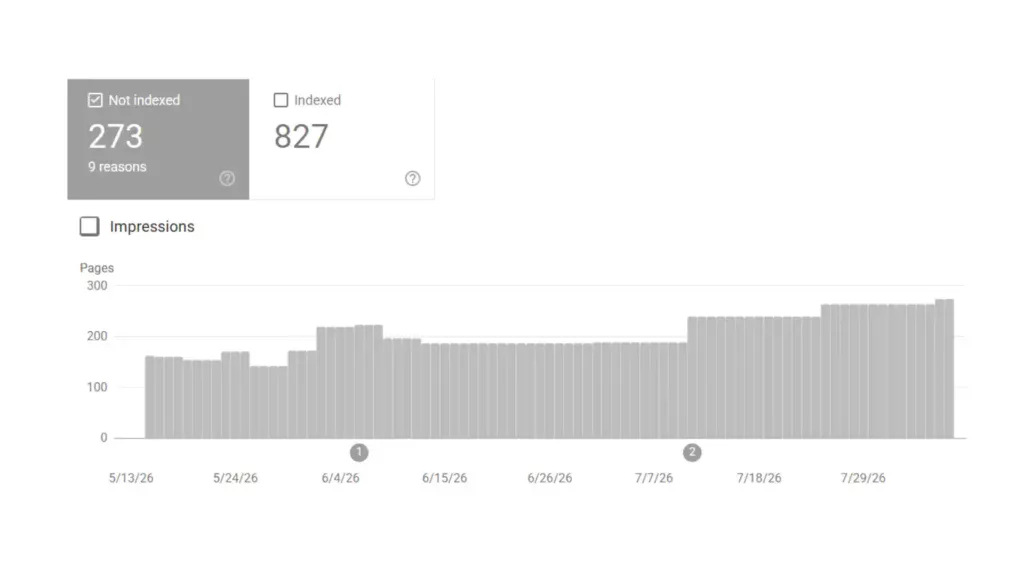
The Search Console snapshot—two alternate canonical URLs and 165 pages marked “Crawled - currently not indexed”—does not prove that requests to recrawl old pages are blocking…
Google and Microsoft now expose first-party signals for generative search, while ChatGPT referrals can be identified in analytics. That makes the old claim that GEO cannot…
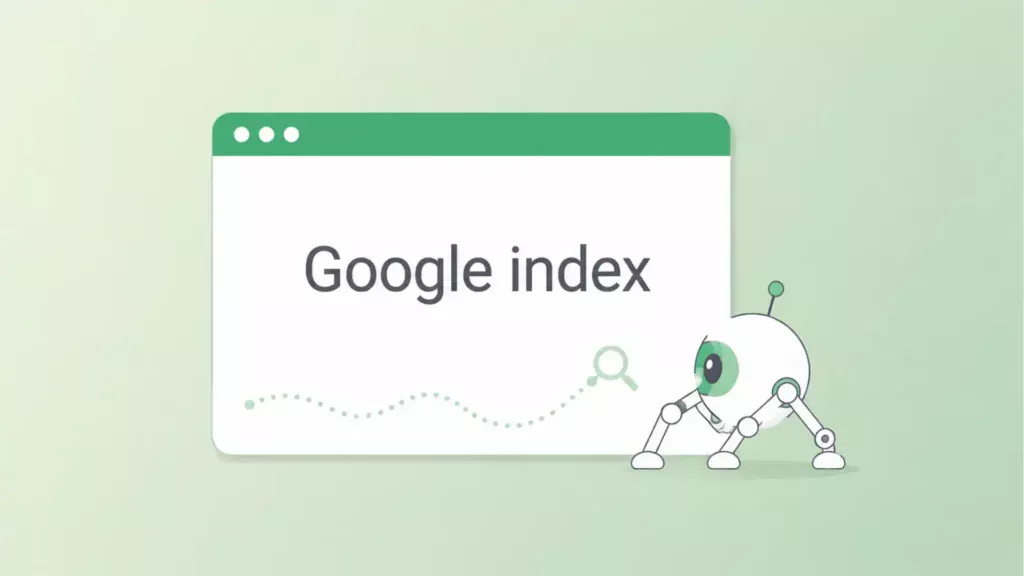
Google does not promise to index every page it crawls. Uneven indexing often reflects a chain of choices about crawl demand, canonicalization, rendering, server health and…

Generative search does not begin with prose style. It begins with crawlability and indexability. A system must discover a resource, understand its subject, retrieve a relevant…

Google's own guidance on generative AI features opens with a claim that most GEO vendors quietly skip past: there are no additional requirements to appear in…

Companies are already paying agencies, hiring specialists, buying monitoring platforms and rewriting content to appear in answers from ChatGPT, Gemini, Microsoft Copilot, Perplexity and Google’s generative…
The Slovak phrase that opens this piece translates to a simple, comforting idea: if your SEO is good, your GEO is good too. It has spread…
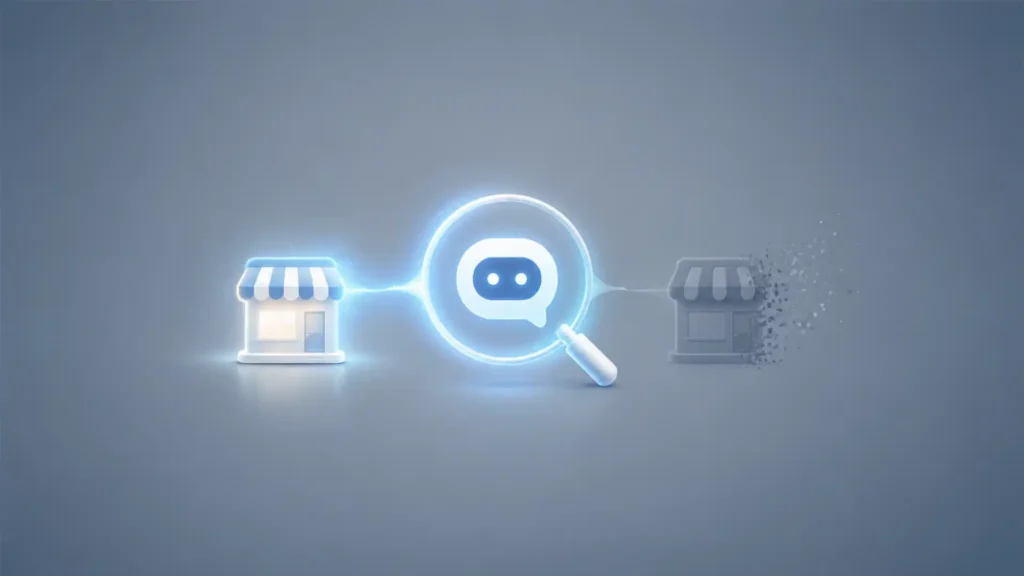
A brand that ranks first on Google but never appears inside a ChatGPT answer occupies a weaker competitive position in mid-2026 than a brand that ranks…

Something measurable happened to search between 2024 and 2026, and the numbers describe it better than any manifesto. ChatGPT passed 900 million weekly active users in…

Every few years someone declares link building dead. The declaration arrived on schedule when AI Overviews began absorbing Google queries and ChatGPT started answering commercial questions…

For twenty years, the unit of competition in search was the ranking. A brand fought for position one, position three, or the bottom of page two,…

For most of 2025, generative engine optimization ran on guesswork. Practitioners built prompt sets, checked citation logs, and argued about whether chunking content into 300-word blocks…

A website migration is one of the few projects in digital marketing where a single overlooked setting can erase years of compounding search equity in a…
People rarely ask whether DuckDuckGo is better than other search engines because they want a chart of market share. They ask because they have a suspicion,…

A website is not “AI-ready” because it has an llms.txt file, a new schema plugin, or a dashboard with a score. It is ready when a…

AI search optimization is easy only after a business has solved the difficult work: publishing information worth citing and operating a site that search systems can…
Google began rolling out the June 2026 spam update on June 24 at 09:00 Pacific time. The company says it applies globally and across all languages,…
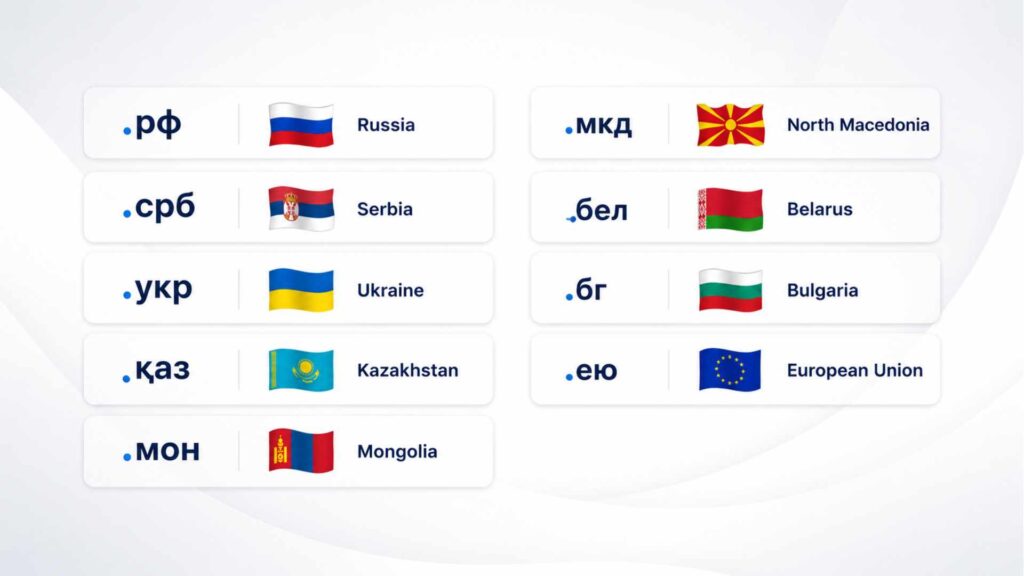
A web address written in Cyrillic looks like a break from the rules of the internet, and it is anything but. When someone types сбербанк.рф or…

PageSpeed Insights is no longer only a speed report. With Agentic Browsing entering the Lighthouse-powered audit flow, the tool now asks a sharper question: can an…
A marketing team that ranked first for a valuable keyword in 2023 could reasonably expect the traffic that came with it. By 2026 that assumption no…

Ask ten content teams whether they should publish short or long articles and you will get an argument, not an answer. One camp points to studies…

The economics of publishing have shifted under the feet of anyone who relies on search traffic. In early 2026, SparkToro's clickstream study with Datos found that…
Google’s new Search Central guidance is not an attack on SEO tools, consultants, agencies, crawlers, plugins, content platforms, rank trackers, or AI visibility dashboards. It is…

A domain such as banská-bystrica.eu is not invisible to Google, Bing, ChatGPT search, Perplexity, Copilot, or Google’s AI features. It is also not a ranking cheat…

Search used to reward the page that best fit a query, earned enough trust signals, loaded cleanly, and satisfied the user after the click. That world…
The search result is no longer just a ranked list YouTube’s new Gemini-powered search experience, called Ask YouTube, changes the basic shape of video discovery. The…

Google’s May 2026 Core Update did not simply lift “local sites” because they used country-code domains or localized copy. The more useful reading is sharper: Google…
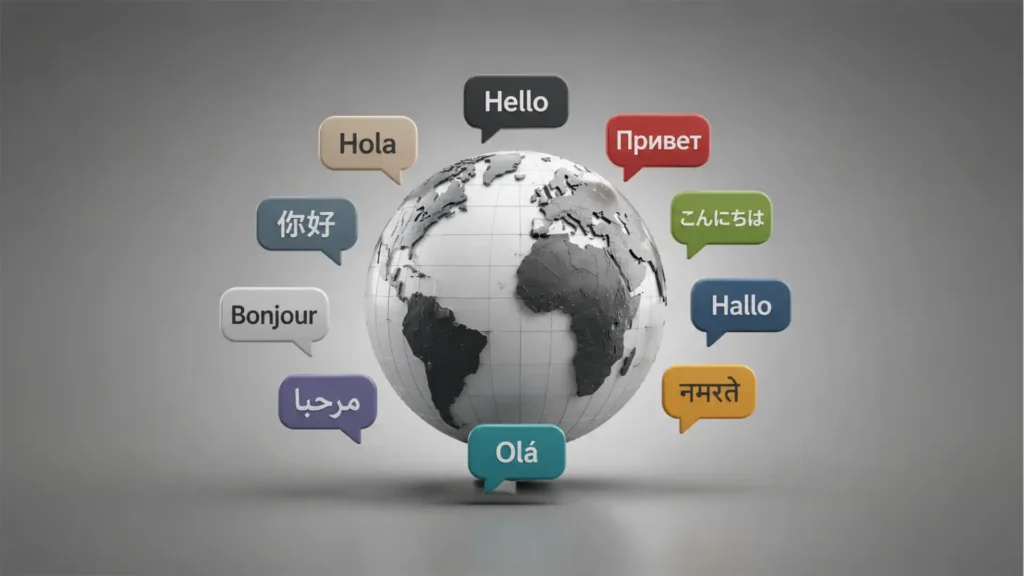
English is still the strongest language in online communication, but its dominance now depends on where the measurement starts. On published websites, English is far ahead…

The European Parliament has not banned Google. It has done something narrower and, in Brussels terms, more revealing. From 4 June 2026, Qwant becomes the default…
SEO did not begin as a Google discipline. It began when people who published on the early internet realized that being online and being found were…