

Linux is getting stronger but Windows 12 could still crush its desktop ambitions
Microsoft has not announced Windows 12; its current public roadmap is still Windows 11, with version 26H2 due later in 2026. Yet if a successor eventually…
Linux & Open Source explores the technologies, systems and communities that form the backbone of a large part of the modern digital world. From servers, cloud infrastructure and web hosting to development environments, automation frameworks and enterprise platforms, Linux and open-source software continue to play a central role in how businesses build, manage and scale reliable digital operations. In this category, Webiano Digital & Marketing Agency publishes expert analysis, practical insights and relevant developments related to Linux distributions, system administration, server architecture, security, performance optimization, DevOps, automation, containerization, hosting environments and the broader open-source ecosystem. The category also examines how open technologies support flexibility, transparency, cost efficiency, technical independence and long-term scalability, while helping companies create resilient infrastructures and more adaptable digital foundations in an increasingly demanding and fast-changing technology landscape.
Microsoft has not announced Windows 12; its current public roadmap is still Windows 11, with version 26H2 due later in 2026. Yet if a successor eventually…
CERN plans to run more than 2,200 accelerator front-end industrial and embedded systems on Debian 13 by the end of 2026. The move is not a…
Thunderbird’s new hosted email service is now reaching Early Bird users, with a $6-a-month annual plan, native client integration and experimental webmail. The bigger story is…
A reported instruction from China’s Ministry of State Security is accelerating the retirement of a customized Windows 10 edition used by some state-linked entities. The stronger…
On 29 July 2009 a research team in Sydney eliminated the last sorry from an Isabelle/HOL development and produced something no one had produced before: a…

The Linux kernel has a document that tells machines how to behave. It sits at Documentation/process/coding-assistants.rst, it runs to fewer than sixty lines, and it settles…
A school rarely chooses its desktop software on a clean sheet of paper. It inherits accounts, document archives, lesson templates, printers, assessment tools, staff habits, supplier…
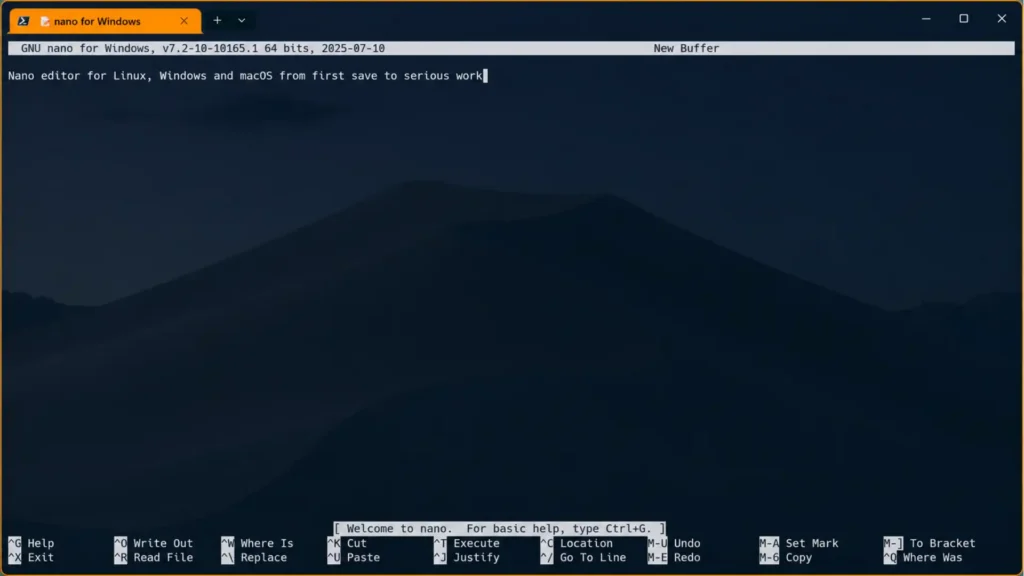
Nano earns its place because it solves the immediate editing problem inside the terminal. You open a file, make a small change, save it, and leave…

Most video platforms ask you to trust a single company with three separate powers at once: it stores your files, it decides who sees them, and…
Calling one Linux distribution “dominant” sounds precise, yet the word conceals three different questions. A person choosing a desktop, a cloud team selecting a guest image,…
A Linux server can look healthy seconds before an operator makes it unusable. The shell prompt is familiar, the command is short, and a normal maintenance…
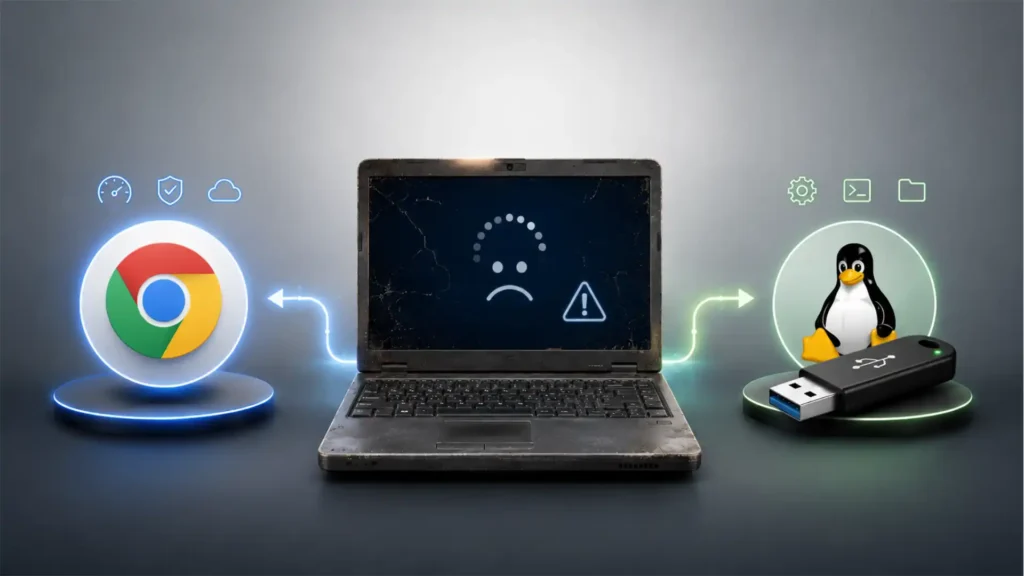
Microsoft turned off free security updates for Windows 10 on October 14, 2025. That single date is the reason this comparison exists at all. Before it…
Claude Desktop is now available in beta for Linux users on supported Ubuntu and Debian systems, giving Anthropic’s consumer and business product a proper place on…
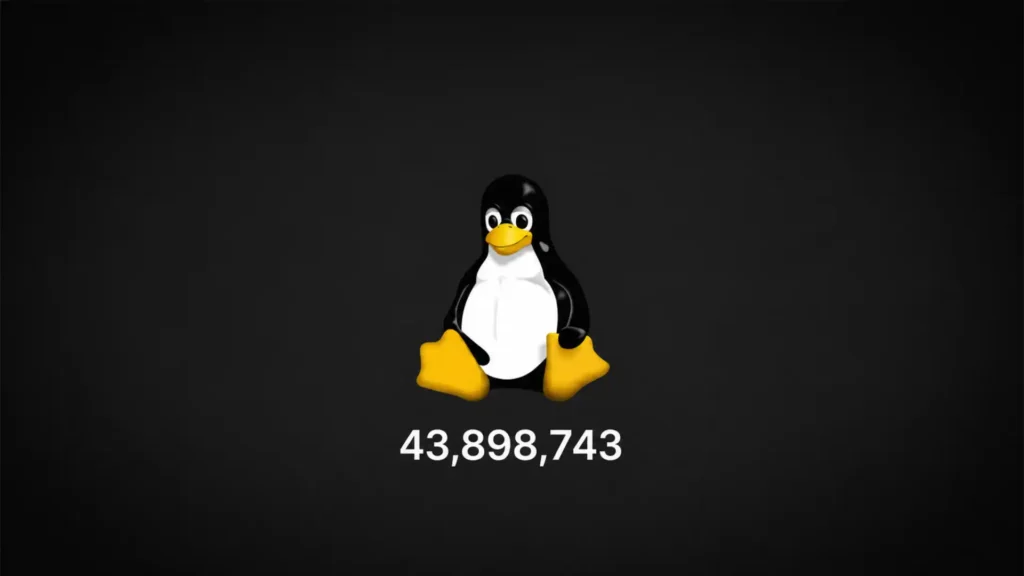
Linux 7.2 entered its release-candidate period with a number that is easy to repeat and easy to misunderstand: 43,898,743 physical lines spread across 108,158 files. The…
Kali Linux 2026.2 arrives with GNOME 50 and KDE Plasma 6.6, but its most consequential changes sit below the wallpaper. Kali has revised the default APT…

Calibre 9.10 is a small release in file-count terms and a consequential release in product terms. Its headline change is not another conversion preset, a new…
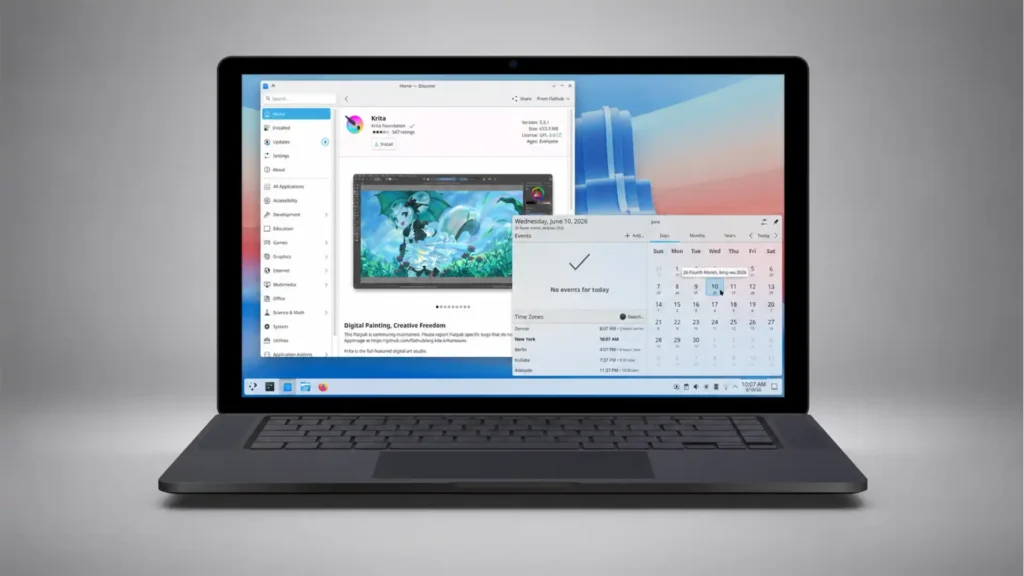
Every January, somewhere on the internet, a person declares that this will be the year of the Linux desktop. The line has been a joke for…
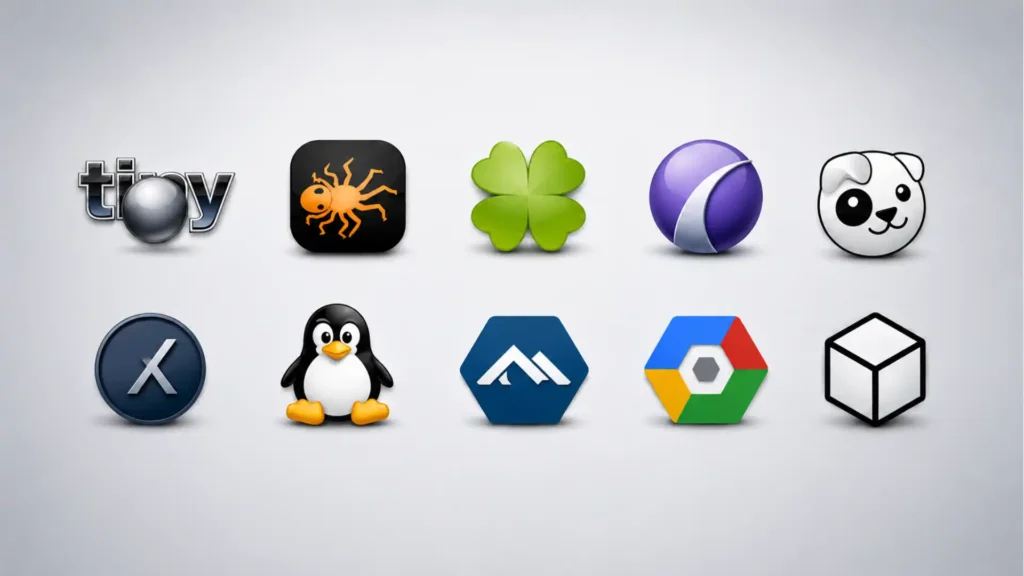
In February 2026, the maintainers of Tiny Core Linux shipped version 17.0. A full graphical desktop edition for 64-bit machines weighs around 41 megabytes. The command-line…
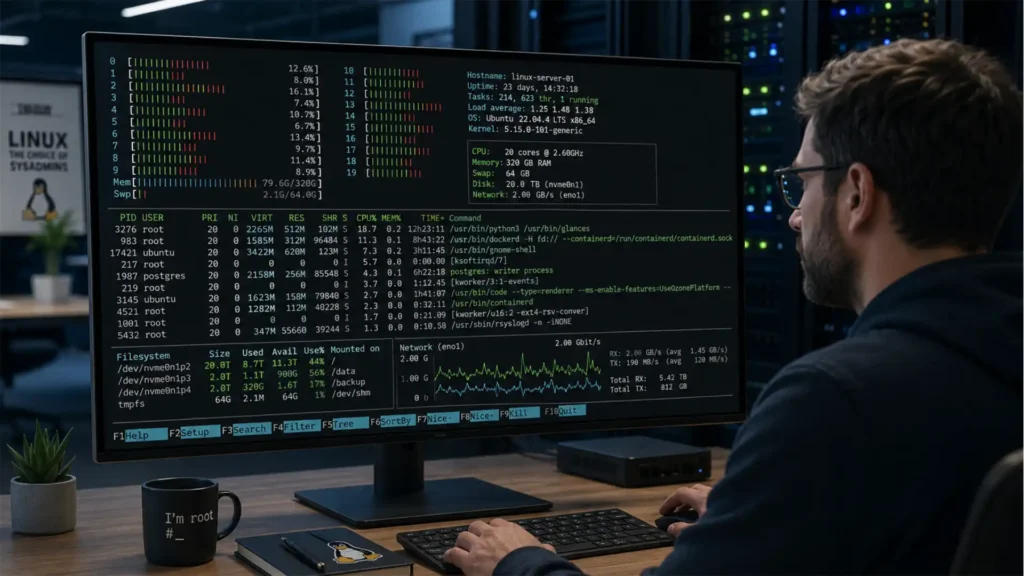
A Linux server does not stay safe because it once booted cleanly, passed a speed test, and accepted SSH connections. It stays safe because someone keeps…
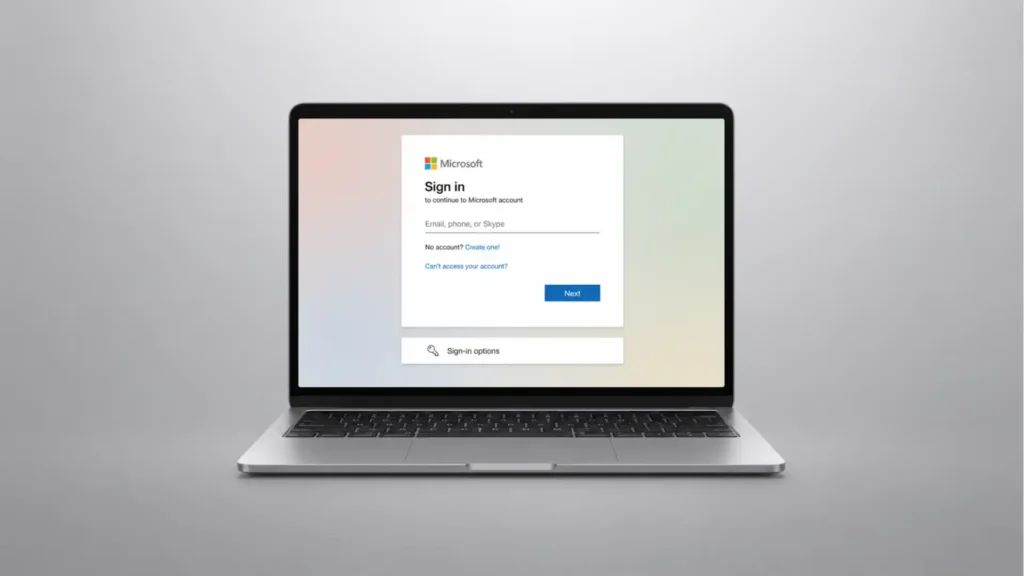
Windows 11’s Microsoft account argument is no longer a small setup annoyance. It has become a test of the bargain Microsoft offers to ordinary PC owners:…
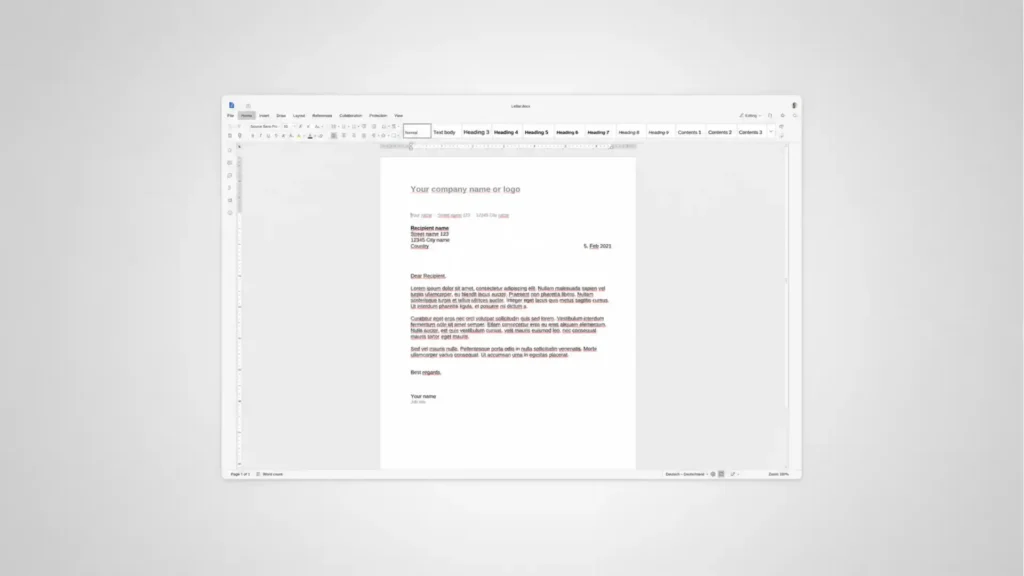
Euro-Office is now public, but the word “download” means something different here than it does with LibreOffice, Microsoft Office or a normal desktop app. The safest…

The Document Foundation’s attack on Euro-Office is not a routine open-source quarrel. It is a warning that Europe may be about to dress a familiar dependency…
A laptop that feels too slow for Windows can still be fast, quiet, complete, and surprisingly capable as a Linux server. The idea is not sentimental…
C++: The Documentary lands at an odd moment for a programming language that never really left. CultRepo’s film, released publicly on YouTube after a New York…
Microsoft did not announce another niche image for Kubernetes nodes. With Azure Linux 4.0, it has put its own first-party Linux distribution into public preview as…
Windows 12 is not the operating system people can install today. That fact changes the whole comparison. The real contest in mid-2026 is not a released…
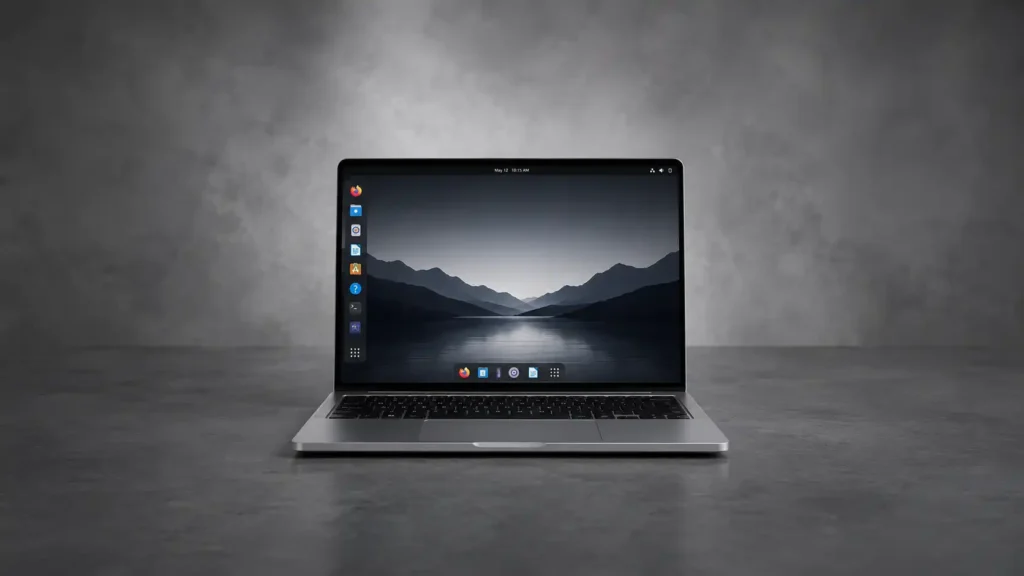
Most people do not need Windows for the thing they do most on a PC. They need a browser, a password manager, a printer that works,…

GrapheneOS calls itself “the private and secure mobile operating system with Android app compatibility,” and that description is more precise than the online shorthand calling it…

Google is preparing to change the basic trust model for Android app installation. The company’s new Android developer verification system will require apps installed on certified…

Linux no longer fails because ordinary desktop users cannot open a browser, write documents, watch video, install apps or play many games. Those barriers have shrunk.…
Armbian 26.5 is less about one headline feature than about a hard, practical problem: keeping Linux usable across a messy universe of ARM, RISC-V and small…

The French state has not announced a clean overnight deletion of Windows from every public computer. The official move is narrower and more revealing. On 8…
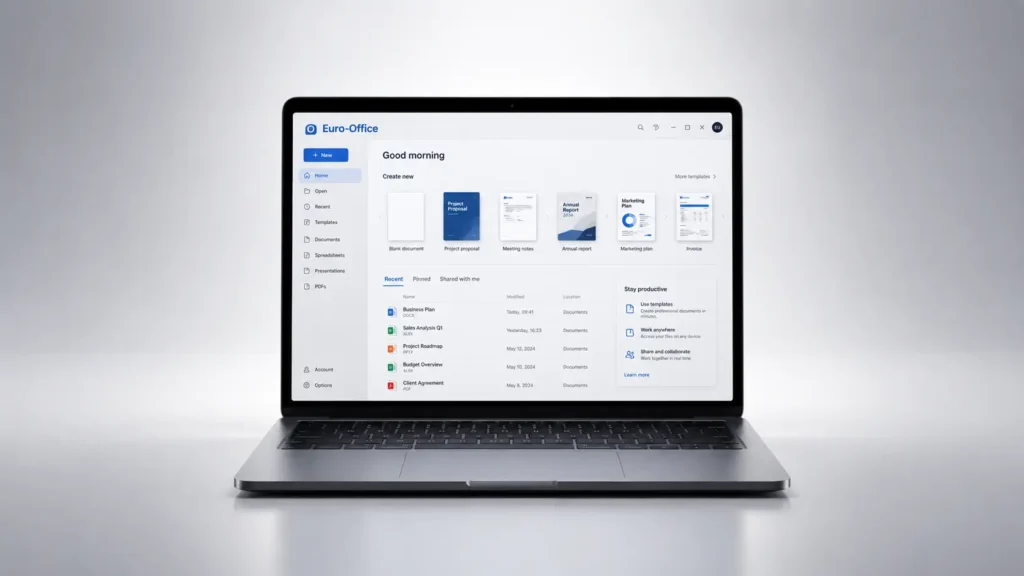
Euro-Office will move from public preview to a first stable production release on June 9, 2026, giving Europe’s digital-sovereignty debate a concrete product to judge rather…