A deal that expands Amazon’s automation agenda
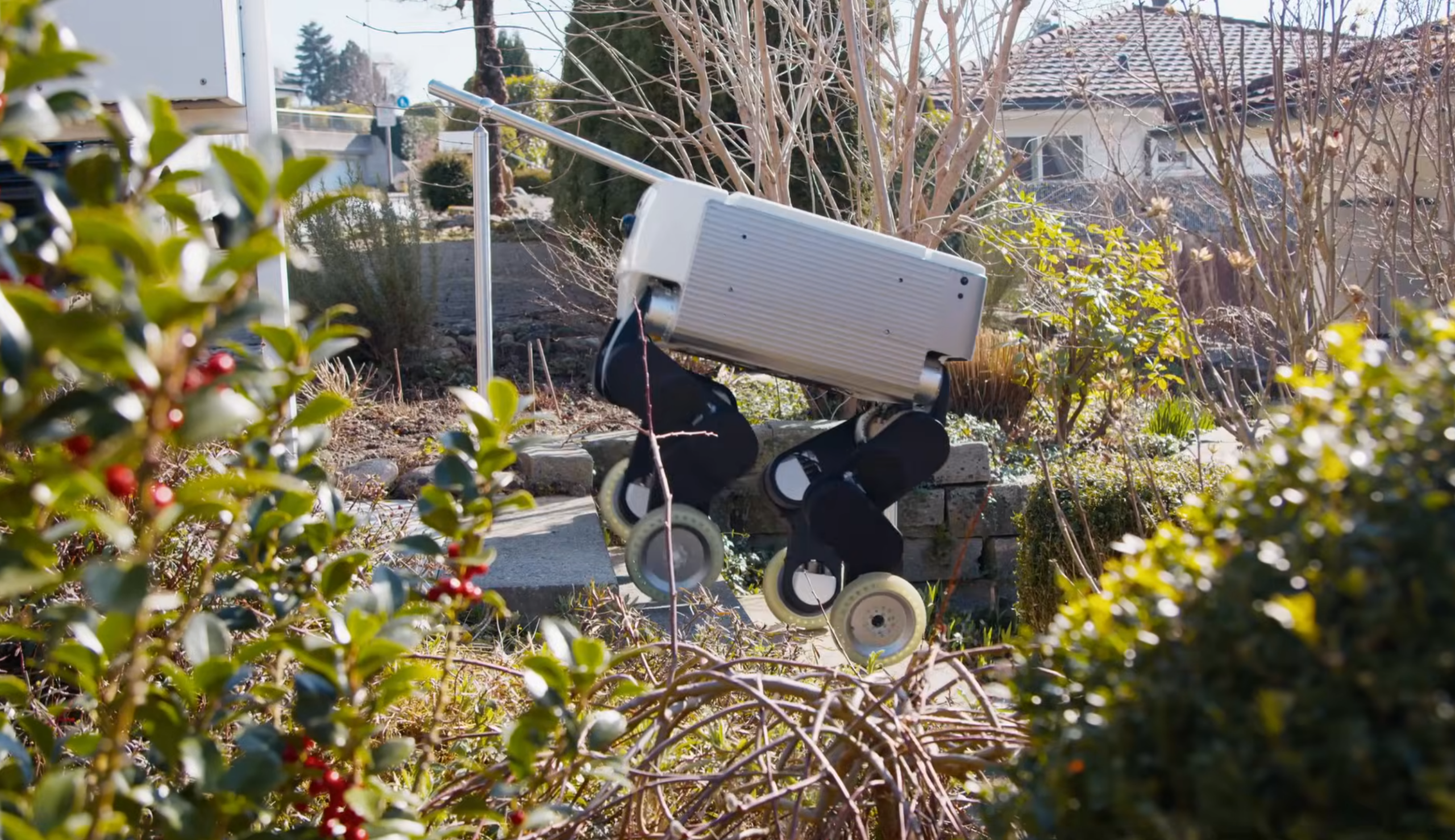
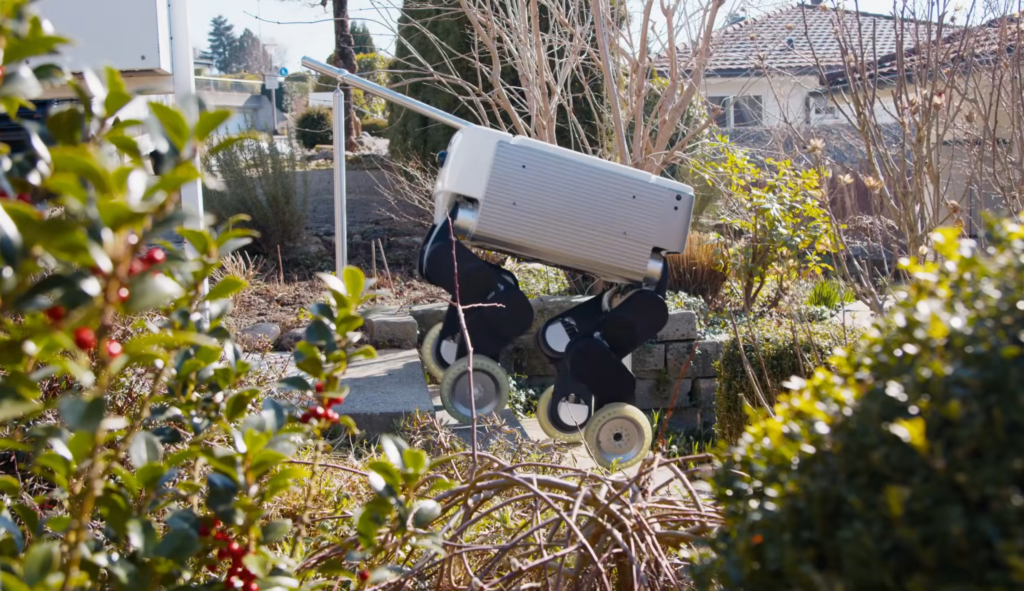
Amazon’s acquisition of Swiss robotics company Rivr is significant not because it transforms parcel delivery overnight, but because it extends the company’s automation strategy into one of the most complex and labour-intensive parts of the logistics chain: the final metres between the delivery vehicle and the customer’s doorstep. Rivr develops four-legged machines designed for “doorstep delivery,” and Amazon says the technology could help delivery associates carry packages from vans to homes. That makes this less about replacing the core delivery network and more about reducing friction in the hardest last-step tasks.
Table of Contents
The deal was not publicly announced by Amazon in a conventional way. Instead, the company disclosed it in a notice sent to third-party delivery contractors, a communication later viewed by CNBC, while The Information first reported the acquisition. In that message, Amazon framed Rivr’s technology as a tool that could work alongside delivery associates, with the stated aim of improving both safety outcomes and the overall customer experience during the closing stage of the delivery process.
Why the final step matters more than it seems
For Amazon, the operational logic is clear. The company already relies on a vast network of third-party contractors to move parcels from warehouses to customers, and the doorstep phase remains one of the least standardised parts of that process. Unlike highly controlled warehouse environments, residential delivery involves uneven terrain, stairs, gates, narrow paths and unpredictable surroundings. Any technology that can absorb some of that physical burden has value even if it handles only a limited share of deliveries.
That is why Rivr’s machines matter strategically. A four-legged robot is not an abstract robotics experiment in this context; it is a response to the messy physical realities of delivery. Amazon’s own wording suggests the company sees the technology as support infrastructure for human workers rather than a fully autonomous substitute. The emphasis on helping associates carry packages from vehicles to doorsteps points to a hybrid model in which robotics is introduced first where the labour is repetitive, physically taxing and difficult to optimise through software alone.
The acquisition lands amid job cuts and AI expansion
The timing of the deal also sharpens its meaning. Amazon has been cutting jobs even as it increases investment in automation and artificial intelligence. The company laid off 16,000 white-collar workers in January and then cut a further 100 jobs in its robotics division in March. At the same time, CEO Andy Jassy has said Amazon is pursuing AI in virtually every corner of the business. Taken together, these moves show a company still willing to reduce headcount in some areas while continuing to fund technologies it believes can reshape operations over the long term.
That tension is central to how this acquisition will be read. Publicly, Amazon is presenting Rivr as a safety and service enhancement for delivery partners. Operationally, however, the deal also fits a broader pattern in which the company continues to invest in systems that can standardise, accelerate and eventually redesign labour-intensive workflows. The fact that Amazon bought Rivr while also trimming parts of its robotics organisation suggests the company is becoming more selective, not less ambitious, about where it sees practical commercial returns from automation.
What this says about Amazon’s next phase
The deeper significance of the Rivr acquisition is that Amazon is no longer concentrating automation primarily inside warehouses. The frontier is moving outward, from fulfilment centres and sorting systems to the unpredictable edge of the customer experience. That matters because the last stage of delivery is both expensive and visible: it shapes how customers perceive speed, convenience and reliability, while also exposing workers to daily physical strain.
Amazon has not claimed that Rivr’s machines are ready to redefine delivery at scale, and the language around the deal remains notably cautious. But the direction is unmistakable. By testing robotics at the doorstep, Amazon is signalling that its next wave of efficiency gains may come not from faster internal processing alone, but from gradually mechanising the final physical moments of e-commerce. In that sense, this is a small acquisition with a much larger strategic message.
Author:
Jan Bielik
CEO & Founder of Webiano Digital & Marketing Agency
Source: Amazon acquires Swiss robotics startup to test its machines for ‘doorstep delivery’
Source of the featured image: Reprofoto YouTube