A correction that changes the story
Google’s latest update on Search Live reveals less a broad launch than a controlled expansion. Engadget initially reported that the feature was being made available everywhere Google offers its AI Mode chatbot, potentially extending its reach to more than 200 countries and territories. But the company later retracted that position, clarifying that Search Live has not rolled out globally and remains available only in the United States and India, with testing underway in additional markets. That reversal matters because it shifts the narrative from a major international release to a more tentative phase of product validation.
Table of Contents
The correction is also revealing in its own right. Search Live is not a minor experimental tool tucked away inside Google’s ecosystem; it is one of the clearest examples of how the company wants search to evolve from typed queries into real-time, camera-assisted interaction. When Google has to walk back a claim of global availability, it suggests the company is still calibrating not only the technology itself, but also the operational and market conditions needed to support it at scale.
Search is becoming more visual, conversational and immediate
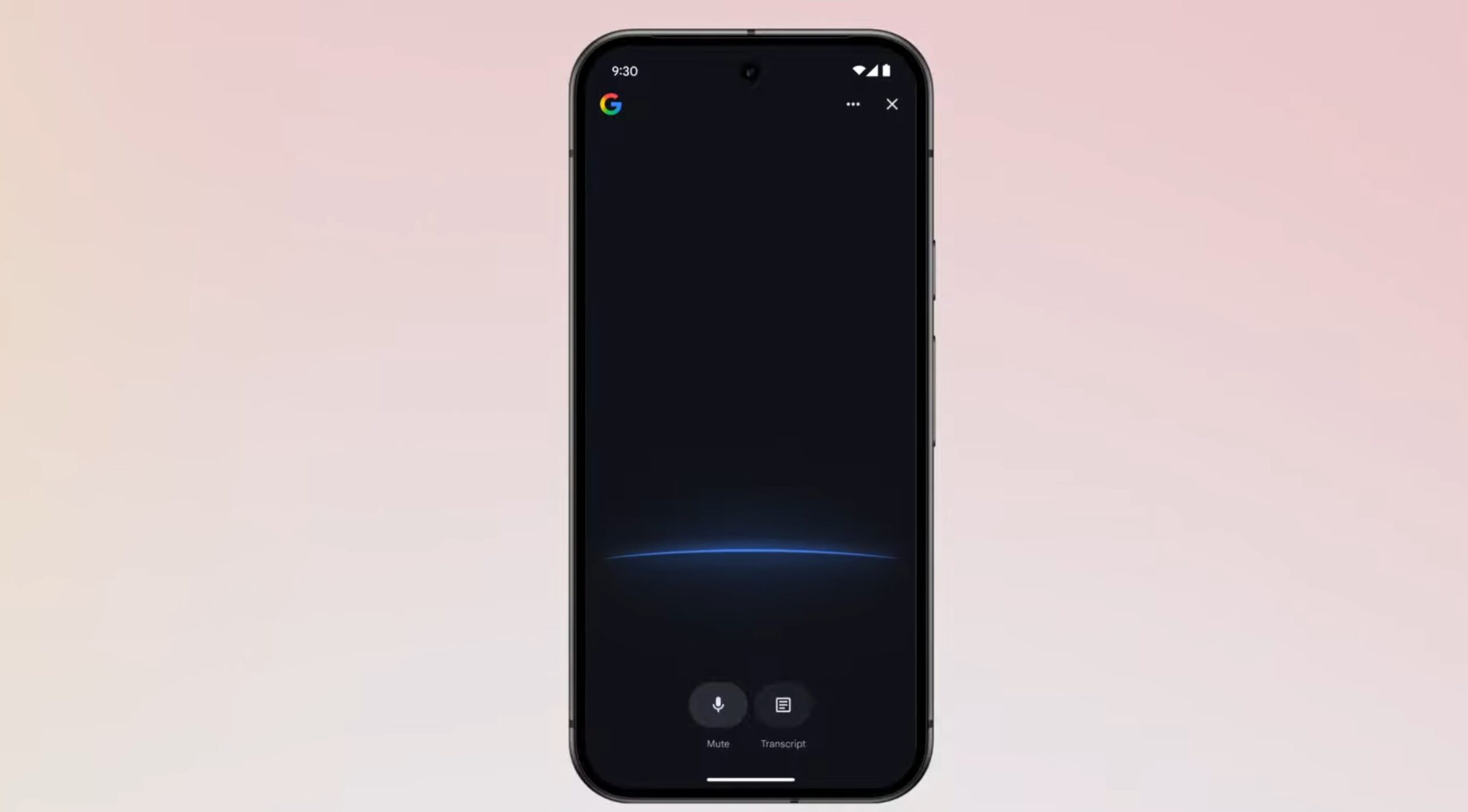
Search Live allows users to point a phone camera at an object or scene and ask questions about what they see. Introduced at Google I/O 2025 and rolled out to all Google app users in the US last September, the feature pushes Search closer to a mode of interaction that feels more like live assistance than traditional information retrieval. The strategic goal is clear: Google wants search to respond to the physical world in real time, not simply to text typed into a box.
That ambition becomes more significant with Google’s decision to update the feature to the Gemini 3.1 Flash model. According to the company, the upgrade should improve conversational naturalness, while also making the experience faster and more reliable. The model is also described as natively multilingual, which helps explain why broader international testing is now underway even if a full launch has not yet happened. In practical terms, Google is refining the model layer before committing to universal availability.
International expansion is still a test, not a settled reality
The distinction between testing and launch is especially important for a feature like Search Live. A real-time visual AI tool has to perform consistently across languages, accents, devices, connectivity conditions and cultural contexts. It must also interpret a huge variety of visual environments with enough reliability to feel useful rather than erratic. That makes international deployment more complex than simply turning on a chatbot in new regions.
Google’s clarification therefore points to a company that is still measuring how ready this product truly is outside its first core markets. Testing in more markets suggests confidence in the direction of the feature, but caution about declaring victory too soon. It also indicates that Google sees Search Live as important enough to keep expanding, even if it is not yet willing to describe that expansion as complete.
The broader shift is still unmistakable
Even with the rollback, the larger meaning of the update remains intact. Google is steadily building a version of Search that blends AI conversation, camera input and multilingual responsiveness into a single interface available through the Google app and Google Lens. Users can already access Search Live by tapping the “Live” button in the app or the equivalent icon in Lens, a sign that Google is integrating the feature into established entry points rather than treating it as a novelty.
What this episode shows is not that Google’s ambitions have changed, but that the pace of rollout is more uneven than the original announcement suggested. Search Live still appears to be on a path toward wider release, and the company’s testing in additional markets points in that direction. But the correction serves as a reminder that the future of AI search is arriving in stages, through careful iteration, rather than in one clean global launch.
Author:
Jan Bielik
CEO & Founder of Webiano Digital & Marketing Agency
Source: Google is testing Search Live in more markets
Photo: Reprophoto YouTube