Speed is becoming a visible benchmark
China’s humanoid robotics sector is entering a phase where performance claims are no longer confined to laboratory demonstrations but are beginning to target comparisons with the limits of human athletic ability. Wang Xingxing, founder of Unitree Robotics, has said that humanoid robots in China may soon run faster than humans, with 100-meter sprint times potentially falling below 10 seconds by around mid-2026. That prediction is striking not only because of its ambition, but because it frames robotics progress in terms the public immediately understands.
Table of Contents
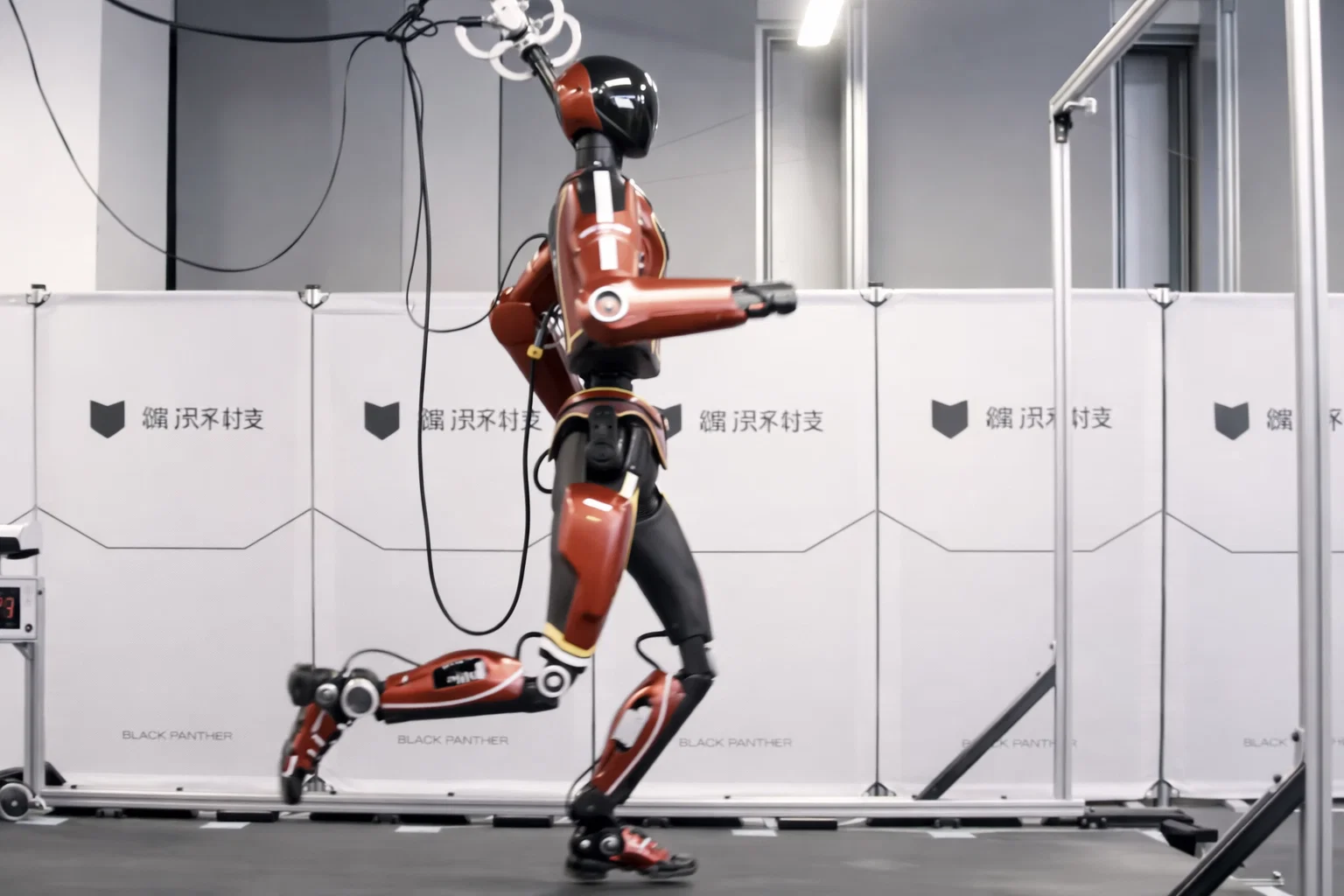
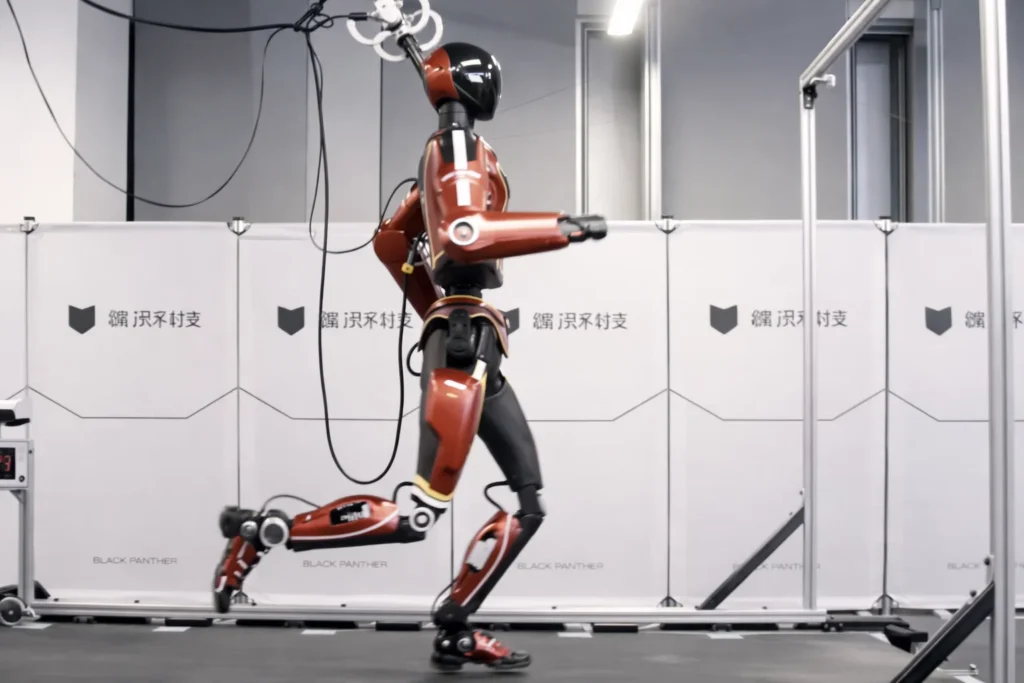
The claim gains weight from recent technical progress already visible in China’s robotics ecosystem. In February, a full-size humanoid robot named Bolt, developed by a robotics institute at Zhejiang University together with Hangzhou-based startups Mirror Me and Kaierda, reportedly reached a top speed of 10 meters per second. At that pace, the machine could theoretically complete 100 meters in 10 seconds, bringing robotic motion close to the world record of 9.58 seconds set by Usain Bolt. The symbolism is powerful: humanoid robots are no longer being discussed merely as tools, but as machines approaching elite human physical performance in narrow tasks.
China is turning robotics into an industrial contest
Wang’s remarks also reflect the growing confidence of Chinese robotics companies as the country pushes to secure a leading position in humanoid development. Unitree, based in Hangzhou, has recently been described as the world’s second-largest humanoid robotics company by shipments and installations, according to reports cited by the South China Morning Post. Estimates from Omdia put the company at roughly 4,200 shipped humanoid units, or 32% of the global market, while Counterpoint Research said it accounted for 26.4% of worldwide installations, equivalent to about 4,224 units.
Those figures matter because they suggest China’s humanoid push is not purely speculative. Scale is beginning to emerge alongside technological ambition, and that changes the nature of the competition. A company shipping thousands of units is no longer simply demonstrating engineering competence; it is building manufacturing capacity, commercial reach and real-world deployment experience. In that sense, the race is not only about which robot can run fastest, but about which ecosystem can turn prototypes into a durable industry.
Physical performance is advancing faster than adaptability
Yet Wang also drew a clear line between dramatic demonstrations and genuine technological maturity. He warned that humanoid robotics still faces major barriers before it can achieve a breakthrough comparable to ChatGPT’s impact on artificial intelligence. The central problem, in his view, is limited generalization: robots can perform with high accuracy in controlled settings, but struggle when the environment changes and the task becomes less predictable.
That distinction is crucial. Running fast is a measurable engineering achievement, but it does not solve the broader challenge of building machines that can function reliably in the open-ended complexity of daily life. The real test for humanoid robots is not whether they can excel in a single optimized task, but whether they can adapt when conditions stop being ideal. Without that flexibility, even highly impressive machines remain constrained to carefully managed use cases rather than transformative real-world roles.
The next breakthrough will depend on more than spectacle
What emerges from Wang’s comments is a picture of a sector advancing rapidly in mechanics, balance and speed, while still confronting deeper limits in intelligence and adaptability. China’s humanoid robots may indeed soon post sprint times that rival or even surpass human runners. But that milestone, while headline-grabbing, would represent only one layer of progress in a much larger technological journey.
The broader significance is that humanoid robotics is becoming easier to measure in public and harder to judge in substance. Speed records can capture attention, but general-purpose capability will determine long-term value. For China’s robotics companies, the next phase will not be defined by whether a machine can outrun a person over 100 meters, but by whether it can move through the world with enough resilience, judgment and flexibility to matter beyond the demonstration stage.
Author:
Jan Bielik
CEO & Founder of Webiano Digital & Marketing Agency
Source: China humanoid robots could outrun humans, Unitree founder says
Featured image source: Reprofoto YouTube