

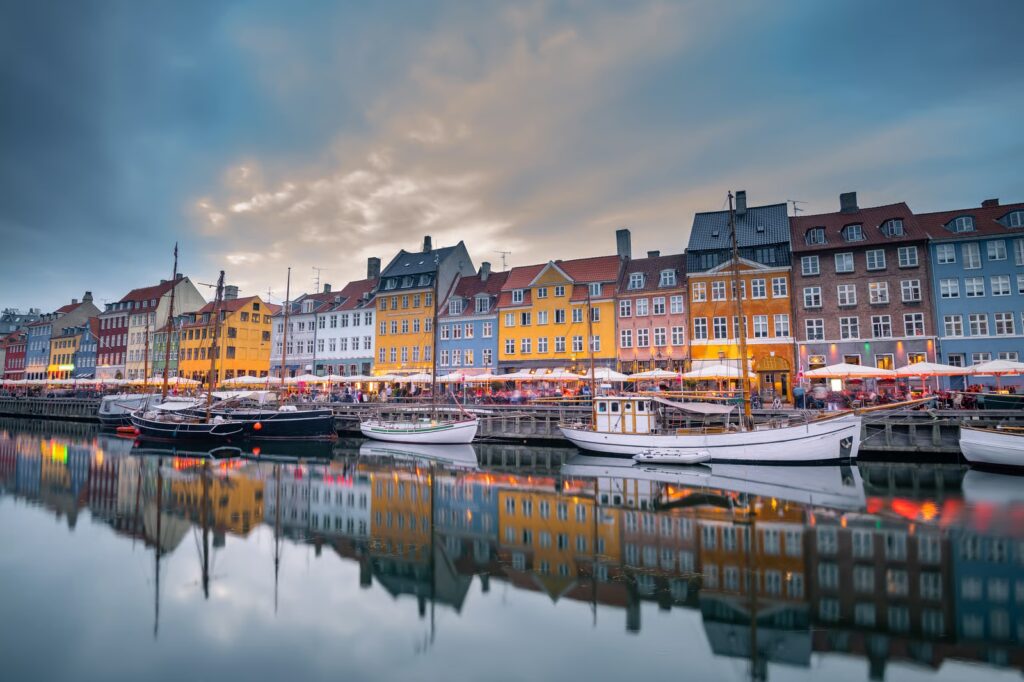
Denmark is testing whether digital sovereignty can work in practice
A policy shift with clear symbolic weight Denmark’s move to replace Microsoft Office 365 with LibreOffice is notable not simply because it changes a software stack,…
A policy shift with clear symbolic weight Denmark’s move to replace Microsoft Office 365 with LibreOffice is notable not simply because it changes a software stack,…

Custom web projects are often sold as a mark of seriousness. Bigger budget, cleaner architecture, total control, no compromises. On paper, that sounds unbeatable. On the…

An open platform is being recast as a permissioned one A growing coalition of developers and digital rights advocates is warning that Google’s Android Developer Verification…
Linux is used most intensively not on the consumer desktop, but in the hidden layers of modern computing: supercomputing, cloud infrastructure, servers, networking, embedded systems, and…
The Commission is treating open source as policy, not posture The European Commission’s new call for evidence on a European Open Digital Ecosystem Strategy suggests that…
The browser is no longer closed territory For years, the browser has been treated as the natural home of proprietary software. Office suites, design platforms, video…

A practical shift in how biodiversity is monitored Camera traps have transformed wildlife research by capturing what animals do beyond direct human observation, but the real…
A modest beginning that changed software forever Linux began in 1991 as a personal project by Linus Torvalds, then a computer science student in Helsinki, who…
China’s release of Origin Pilot, a domestically developed quantum computer operating system made available for public download, is notable not simply because of the software itself,…

Desktop habits and infrastructure realities are not the same thing At first glance, Git looks like a universal standard with only minor differences between platforms. By…