

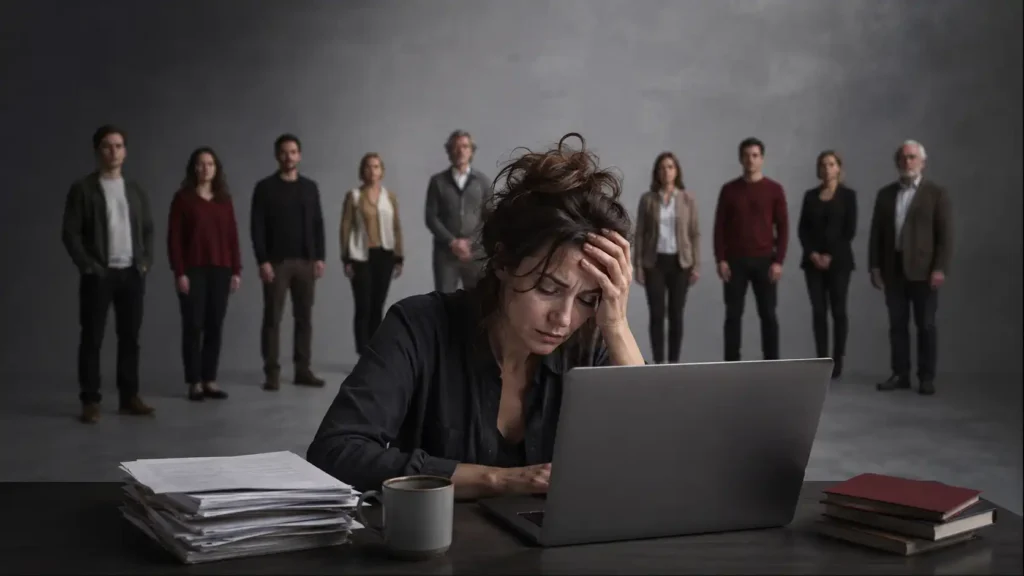
The rule you feel guilty about breaking was tested on nine people
The productivity rules handed to working writers rest on a handful of unreplicated studies from the 1980s. The measured evidence points somewhere less comfortable: exhaustion tracks…
Digital Work & Society examines the human, economic and institutional consequences of a world shaped by artificial intelligence, automation, platforms and digital infrastructure. It moves beyond how technologies work to ask what they change: how people build careers, learn, communicate, create, earn, organize teams, trust information and navigate everyday life.
The category covers the changing nature of work, skills, professional credibility, education, freelancing, digital nomadism, workplace design, media, privacy, platform power and the digital economy. It explores where technology expands opportunity, where it concentrates risk and control, and where human judgment, accountability, context and real-world experience remain irreplaceable. From AI’s impact on jobs and organizations to the social consequences of connected systems, these insights examine how digital progress becomes useful, responsible and sustainable for the people and institutions living with it.
The productivity rules handed to working writers rest on a handful of unreplicated studies from the 1980s. The measured evidence points somewhere less comfortable: exhaustion tracks…

The version that circulates online is compact and satisfying. Somewhere in a semiconductor plant, engineers ran out of ways to catch tiny surface defects, so they…
Two lines on the same chart moved in opposite directions between 2023 and 2026. The volume of published content went up. The traffic returning to that…

Most people assume freelancing is a product of the internet age, something that started with laptops, Wi-Fi and platforms like Upwork or Fiverr. That assumption is…

The ordinary office used to be organized around repetition. People arrived to prepare recurring reports, reconcile standard records, route forms, schedule familiar meetings, answer predictable questions…

Anyone who spends time on LinkedIn or X has developed a private heuristic over the past three years: the longer the post, the less likely a…

The private conversation is becoming a product surface AI now appears not only as a search tool or office assistant but as a voice in the…
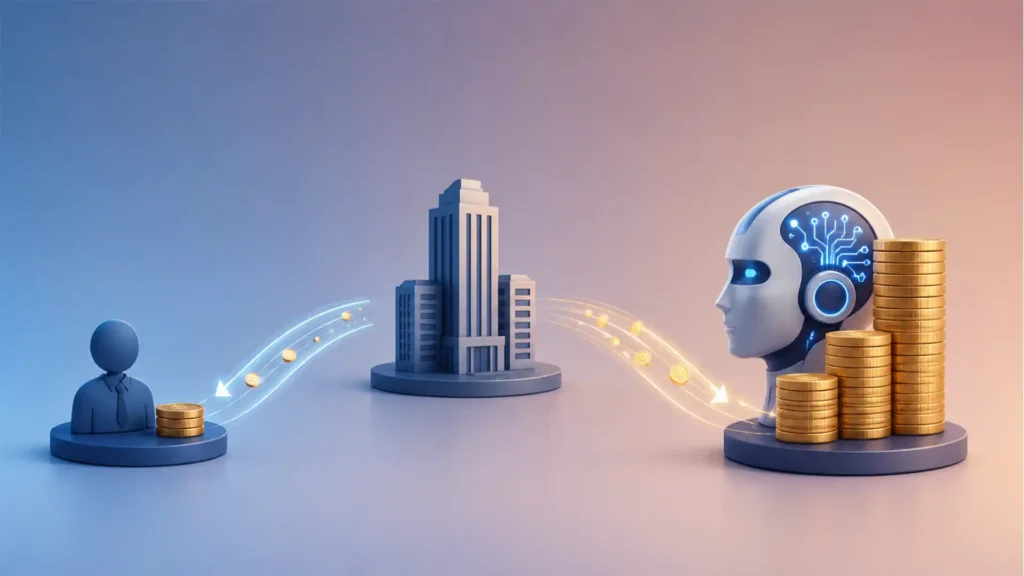
The central contradiction is hard to miss. Companies promoted artificial intelligence as a way to remove repetitive work, reduce payroll pressure and let smaller teams produce…
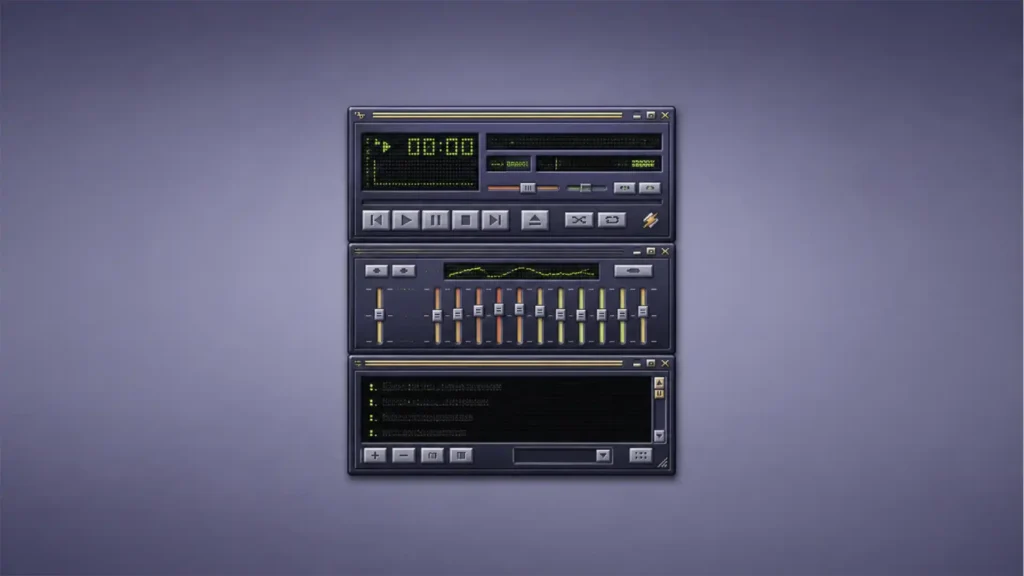
The question sounds nostalgic, but it points to a real structural change. Good older software usually lived on the user's machine, stored its working files in…
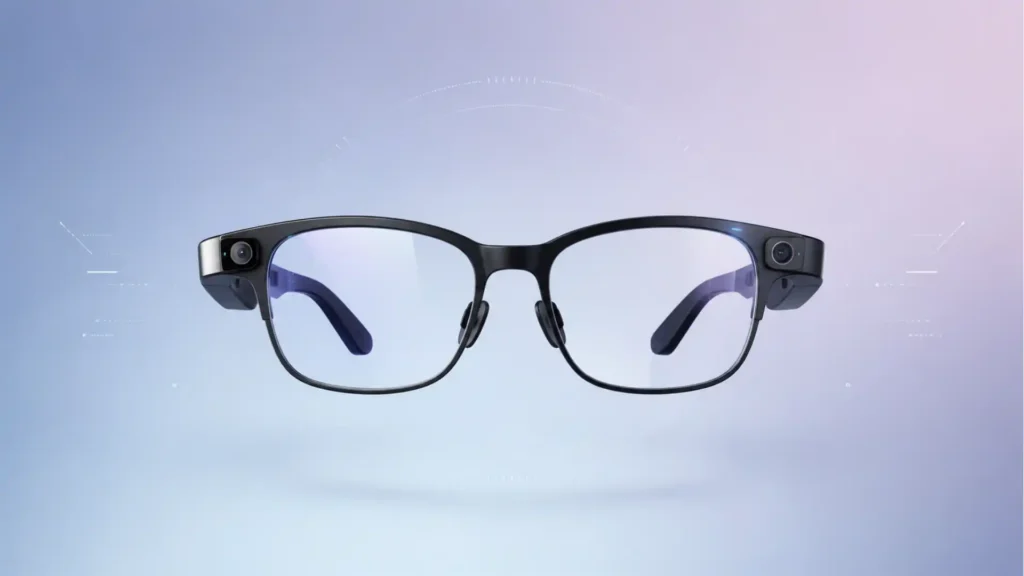
On July 20, 2026, every courthouse in the state of New York closes its doors to smart glasses. The prohibition, announced in a July 1 memo…

A weekday now begins before the feet touch the floor. An alarm shares a screen with the weather, messages, a calendar, a bank alert, a train…
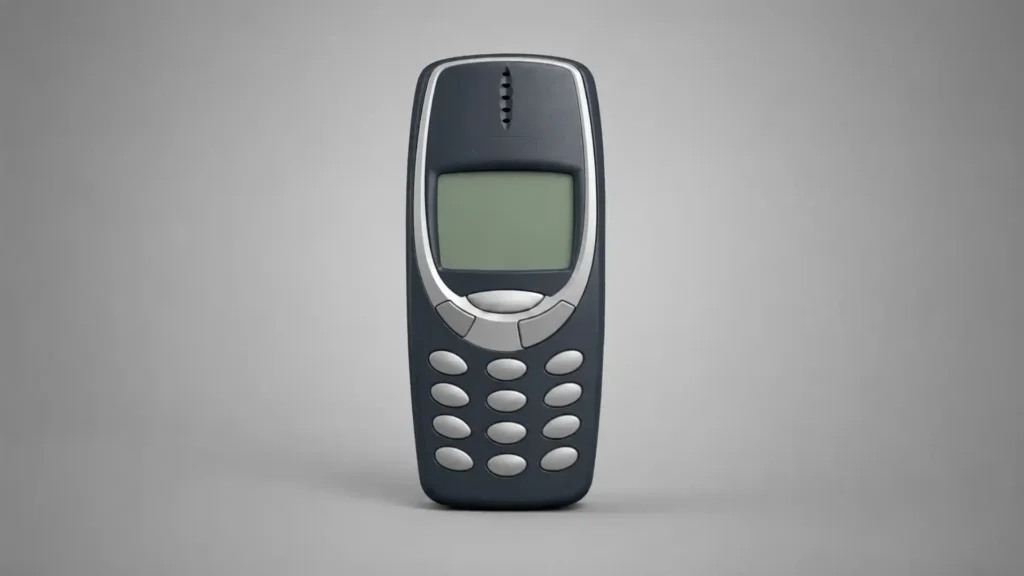
A visible anti-smartphone current has moved beyond private grumbling. In April 2026, the Associated Press reported phone-free gatherings in Brooklyn, Amsterdam and other cities, while describing…
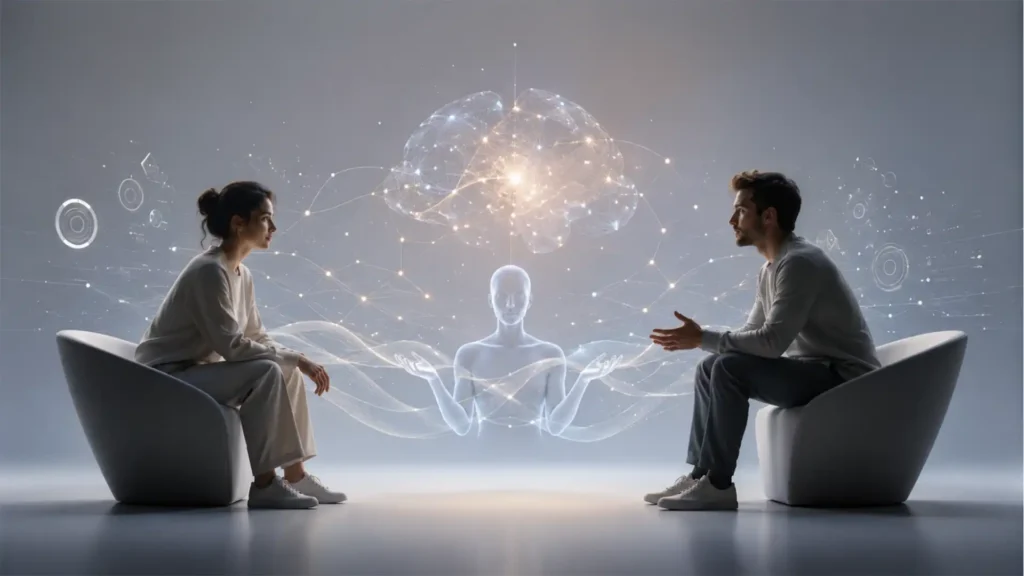
Artificial intelligence has moved beyond search, writing assistance and workplace automation. A growing part of the market now centres on conversation systems that remember preferences, imitate…
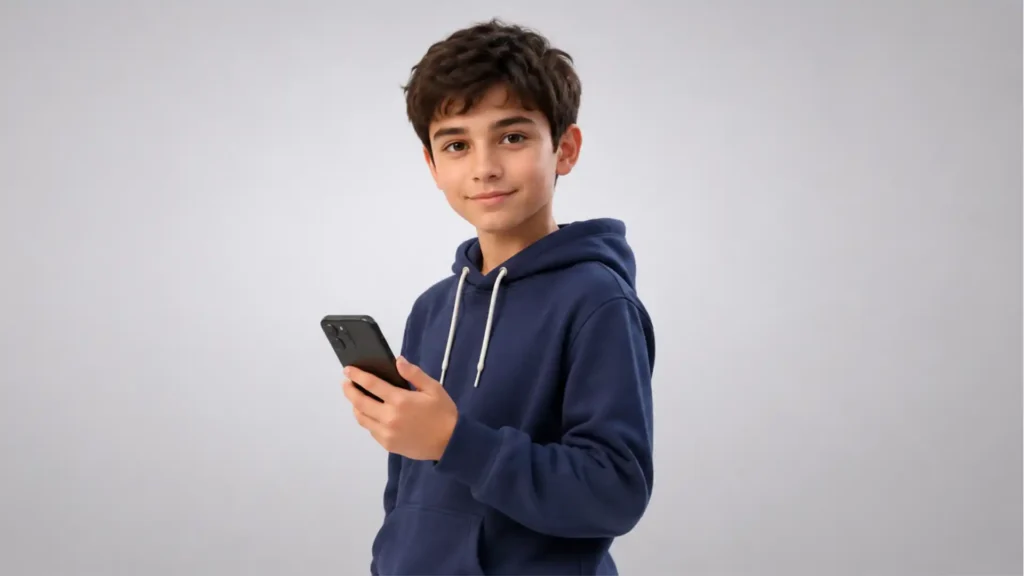
For children entering school now, a screen is rarely a special destination. It is part of the room: a parent’s phone controls transport, a speaker answers…

The dividing line is not between people who use artificial intelligence and people who refuse it. It is between people who can turn a tool into…