

A brand becomes weaker every time the market describes it differently
A company can look disciplined while sounding confused. Its website may carry a polished visual identity, carefully edited headlines and an approved campaign. Yet the sales…
Expert analysis on brand positioning, market perception, authority building, narrative clarity, executive visibility and trust as the foundation for stronger differentiation, strategic relevance and long term commercial credibility. This category examines how modern organizations define what they stand for, how they are interpreted across markets and digital environments, and why that interpretation increasingly shapes visibility, demand and competitive strength. It explores the relationship between positioning, messaging, semantic clarity, thought leadership and authority signals, focusing on how disciplined brand communication reduces ambiguity, strengthens recognition and supports more resilient market presence. From category framing and executive communication to newsletters, podcasts, expert commentary and long form authority assets, these insights show how positioning and authority become structured strategic infrastructure rather than surface level brand activity.
A company can look disciplined while sounding confused. Its website may carry a polished visual identity, carefully edited headlines and an approved campaign. Yet the sales…

Most rebrand conversations start with the wrong question. Leaders ask whether the logo looks tired, whether the colors feel dated, whether a competitor's new website makes…
The internet's naming system currently offers well over 1,400 active top-level domains, and the authoritative record of all of them sits in one place: the IANA…

Nations spend enormous sums trying to be seen. Tourism boards buy advertising campaigns, trade agencies fund pavilions at international expos, and governments commission "country brand" strategies…

Positioning is not finished when the brand team approves a sentence. It is finished, or exposed as unfinished, when a buyer has to name a brand…

Ask someone to recommend a place to buy running shoes, a tool for sending an email newsletter, or a car that holds its value, and watch…

Alibaba Group is trying to turn an old advantage into a new one. The company still carries the weight of Taobao, Tmall, Alibaba.com, AliExpress, Alibaba Cloud,…

A domain name is not a line item to settle after the logo is approved. It is the address people type, the label they remember, the…
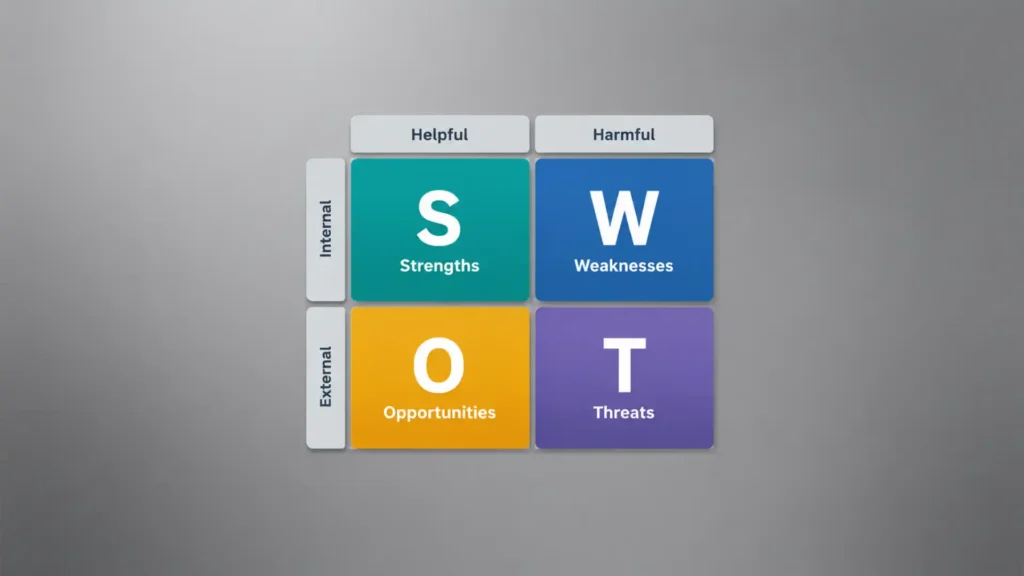
A brand SWOT used to be a meeting-room exercise. Teams gathered, wrote strengths, weaknesses, opportunities and threats on a board, and left with a matrix that…

Brand authority is no longer a soft marketing phrase. It is the level of trust, credibility and expertise a business earns inside its market, then proves…
Apple does not position itself as a phone maker, computer maker, media company, services company, luxury brand, software company, or AI company. It borrows from all…
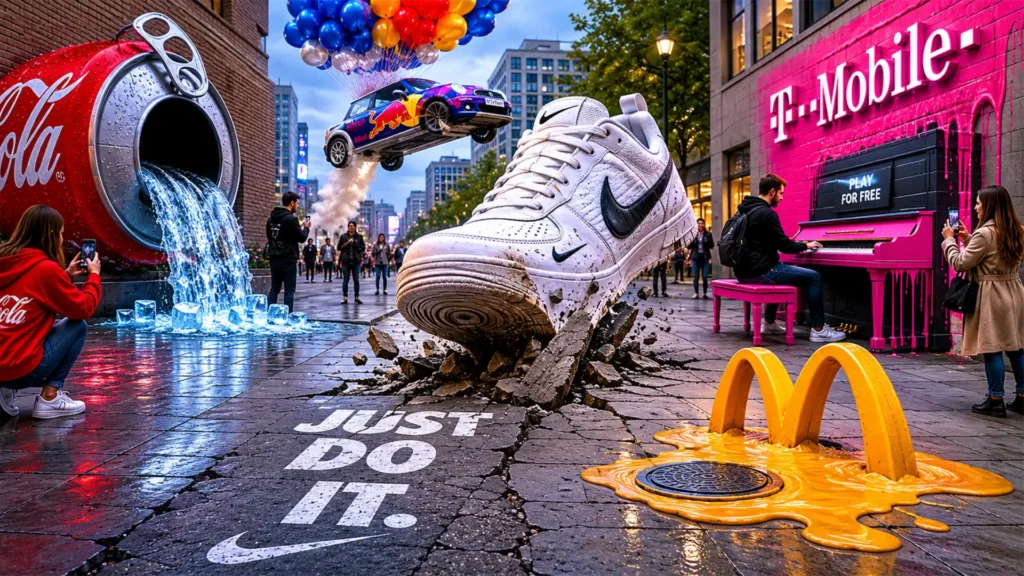
Red Bull, Burger King, IKEA, Netflix, Duolingo, Liquid Death, Patagonia, Coca-Cola and Nike stand out because they use guerrilla marketing as more than an occasional stunt.…

A smooth rebrand is built before the public sees a new name, logo, colour system, tagline, website, storefront, app icon, packaging line or sales deck. The…

Carolyn Davidson’s Nike Swoosh was not born as a trophy of perfect brand strategy. It was a working mark, produced under deadline pressure for a small…
A ™ beside a name is not a trophy. It is a claim. It says a business wants the market to treat a word, logo, phrase,…

A beginner brand fails most often because it asks the market to remember too much, too soon. A name, logo, color, promise, offer, audience, tone, content…
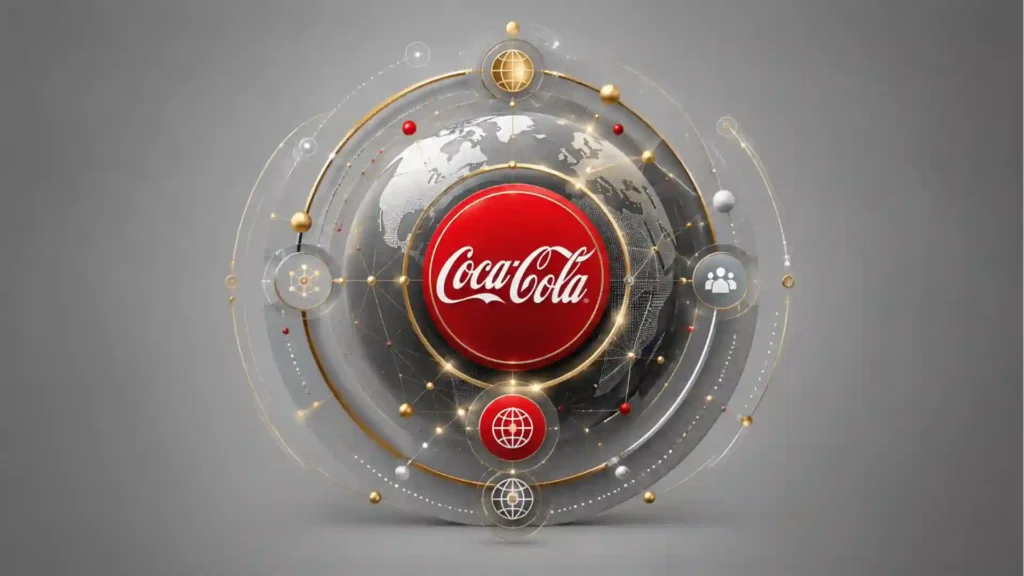
Coca-Cola remains one of the rare brands that does not need to explain itself before people recognize it. Its authority is not carried by a single…

A company’s name is not a label waiting for design. A logo is not a finishing touch. A trademark is not paperwork to file after sales…

A company that cannot explain why its people are worth trusting will not be rescued by louder ads. The market is crowded, search is harsher, social…

Brand positioning has lived through radio, national newspapers, television, shelf dominance, direct mail, search engines, social media, creator culture, marketplaces, review platforms, AI search and synthetic…

Companies that treat brand positioning as a design exercise are misreading the market. Positioning decides whether buyers know what the company stands for before the sales…
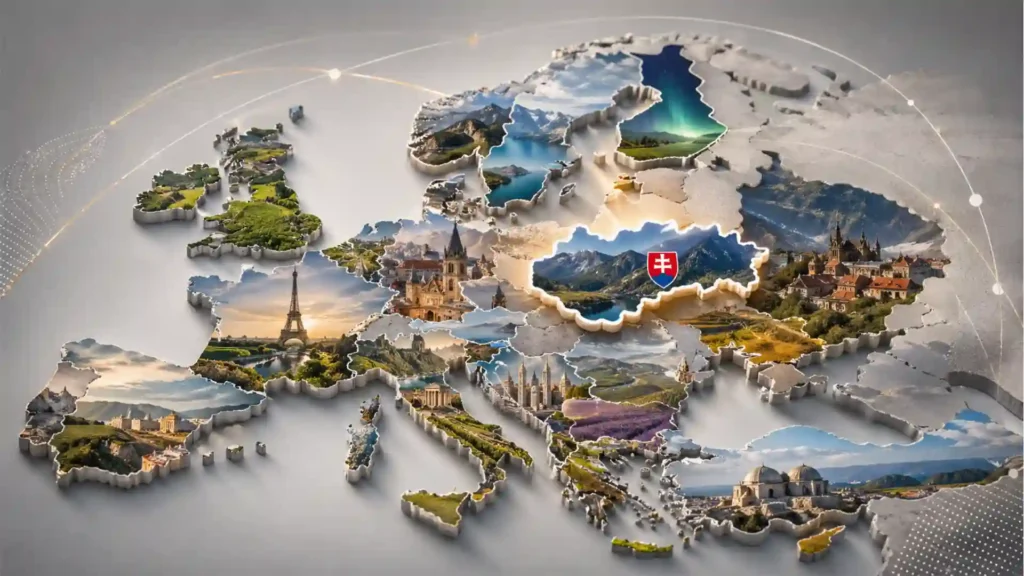
Europe is not short of beautiful countries. That is the basic problem for every national tourism board, including Slovakia’s. Mountains, castles, old towns, spas, vineyards, forests,…

Growth teams often treat visibility as the front door to momentum. More impressions, more search rankings, more ad reach, more social distribution, more podcast appearances, more…

A brand does not lose because people dislike it. More often, it loses because people cannot place it. They cannot say what it is for, who…

A brand is not a logo pasted onto a product after the serious business work is finished. A brand is the mental shortcut people use when…

Board-level leadership often talks about brand too late. It appears after the strategy is written, after the growth targets are approved, after the investor narrative is…

A safety crisis that attacks the promise of baby food A baby food brand is not judged like an ordinary food brand. Parents do not buy…

A lot of beginners think brand positioning is a slogan exercise. They sit down, try to sound different, write a line that feels polished, and assume…

The market has a polite way of punishing confusion. It does not always reject you outright. More often it nods, hesitates, and keeps moving. A company…

A company rarely says, “Our positioning is wrong,” at the moment the damage begins. It says the leads are weak. Or the click-through rate is fine…

A lot of companies think of communication inconsistency as a branding nuisance. The logo shifts a little. The homepage sounds polished while sales decks sound aggressive.…

Most brand strategy still treats memory as the main event. Be seen often, repeat the same cues, stay consistent, and the market will remember you. That…
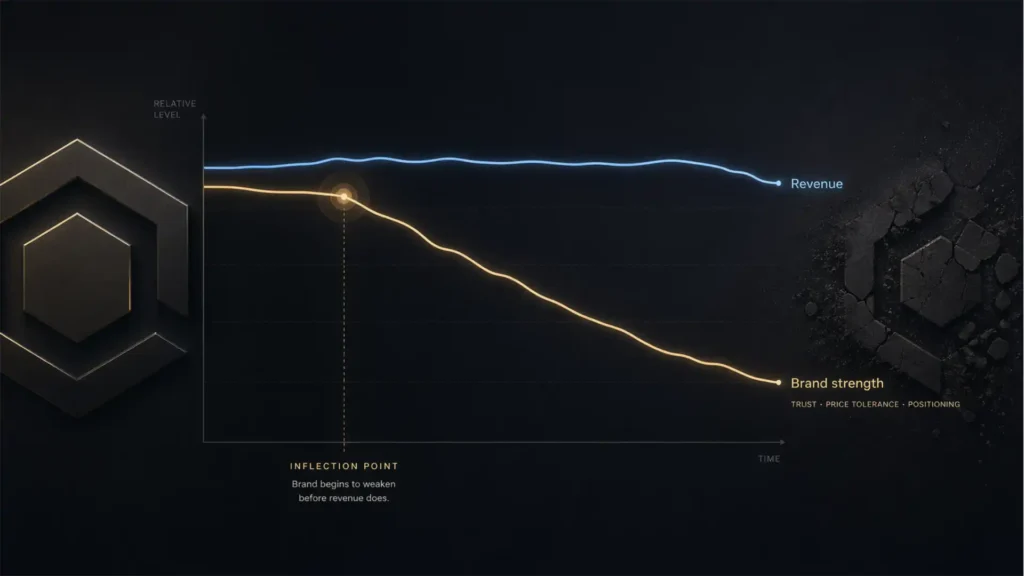
Most positioning failures do not show up first in revenue. Revenue can stay alive on repeat customers, channel expansion, discounts, enterprise contracts, heavy promotions, or a…