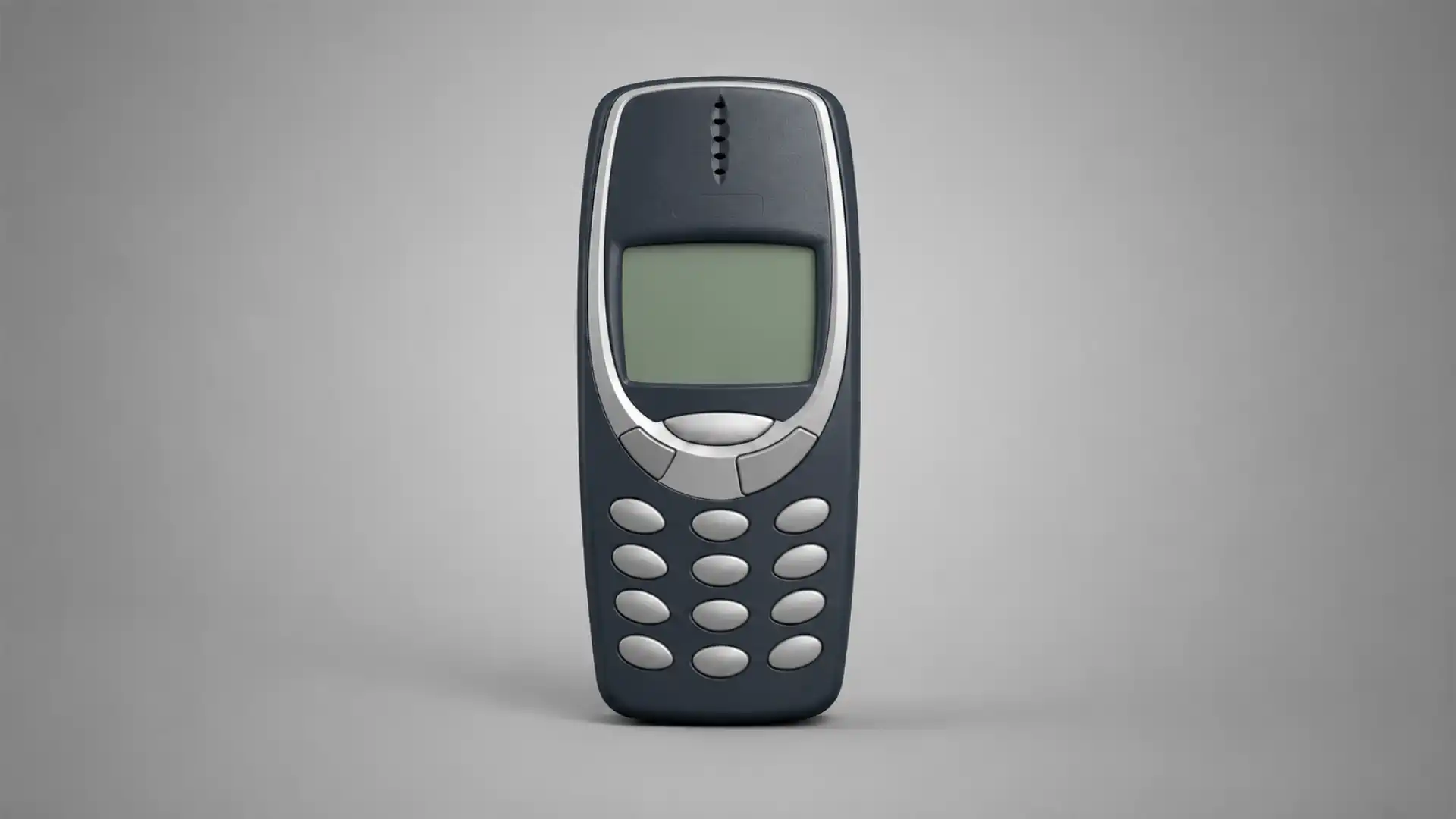
A visible anti-smartphone current has moved beyond private grumbling. In April 2026, the Associated Press reported phone-free gatherings in Brooklyn, Amsterdam and other cities, while describing a small but passionate movement that treats attention as something worth defending. The Reuters Institute’s 2026 technology forecast also identified growing anti-screen movements, rising interest in stripped-back handsets and wider support for phone restrictions in schools. Those reports do not prove a mass abandonment of smartphones. They do establish that digital withdrawal has become organized, commercialized and culturally legible. People now join offline clubs, buy minimalist phones, revive household handsets, carry separate devices for work and leisure, or deliberately remove browsers and social media from their main phone. The behavior spans different motives, from anxiety and distraction to child safety, privacy, cost and nostalgia. Calling it a “dumbphone boom” can overstate the sales evidence, but dismissing it as a quirky fashion misses the larger point: dissatisfaction has acquired products, rituals, communities and language.
Table of Contents
The retreat from smartphones is real but still small
The movement matters because smartphones remain overwhelmingly dominant. ITU data for 2024 put mobile-cellular subscriptions at 112 per 100 inhabitants worldwide and mobile-broadband subscriptions at 95 per 100, while its broader report said four out of five people owned a mobile phone. Pew’s 2026 U.S. update found that smartphones were a central route to internet access, including for adults who lacked home broadband. A revolt against the smartphone therefore unfolds inside a society built around it, not outside one. Many participants are not renouncing mobile connectivity; they are trying to separate communication from the endless stream of feeds, alerts and commercial prompts that arrived after the mobile phone became a pocket computer. The strongest version of the trend is not “technology versus no technology.” It is a fight over which functions deserve permanent access to a person’s pocket and which should require a deliberate choice. That distinction explains why a basic flip phone, a locked-down Android device, a landline and a second SIM can all belong to the same cultural story.
Sales claims require unusual caution. Public reporting often repeats figures supplied by retailers, niche manufacturers or market researchers whose methods are not fully disclosed. Feature phones also serve two very different markets: consumers in wealthier countries seeking less distraction, and people elsewhere choosing the cheapest practical route to calls, texts and basic data. GSMA reported in 2023 that hundreds of millions of people accessed the internet through feature phones, a reminder that “dumbphone” can describe necessity as easily as lifestyle. A person buying a keypad handset in London for a weekend detox is not participating in the same market logic as a worker buying an affordable 4G device in a lower-income economy. The categories overlap in hardware but diverge in income, infrastructure and purpose. A responsible account should therefore treat anecdotes, sold-out product launches and search interest as signs of demand without turning them into a universal forecast. The available evidence supports a growing niche and a broader debate, not the imminent collapse of Apple, Samsung or the smartphone model.
The durable shift may be behavioral rather than numerical. A minority can change expectations long before it changes market share. Smoke-free rooms, quiet carriages and phone-free performances began as bounded rules that made another social norm imaginable. Minimal phones perform a comparable role: they make absence visible. A person who takes out a flip phone at dinner signals that instant photos, group chats and scrolling are not automatically available. A family landline creates one shared point of contact instead of placing a private internet terminal in every child’s bedroom. A two-phone arrangement places friction between the user and the most tempting services. Editorially, the important question is not whether everyone will downgrade. It is whether enough people will demand products, workplaces, schools and public services that do not assume continuous smartphone attention. The movement’s size remains limited, but its critique reaches far beyond its buyers because it asks whether convenience should continue to outrank concentration, privacy, sleep and face-to-face presence by default.
The language of “ditching” also conceals partial use. Many people keep a smartphone powered off for travel, banking or authentication while carrying a simpler phone most days. Others use a basic handset only on weekends, during study blocks or after work. Those arrangements still matter because they move the smartphone from default companion to scheduled tool. The trend is better understood as selective demotion than total rejection. Its most realistic future is plural: different devices, different hours and clearer boundaries rather than one universal return to 1999.
The word dumbphone hides several different devices
“Dumbphone” is a cultural label, not a stable technical standard. At its narrowest, it means a mobile handset built mainly for voice calls and SMS, usually with a physical keypad, a small display and no general-purpose app store. Retailers and users also apply the term to 4G flip phones with cameras, Bluetooth, web access, hotspot functions, maps or a handful of installed apps. Minimalist phones occupy another branch: they may contain modern processors, touchscreens, encrypted messaging, navigation and cloud services while deliberately excluding social media, browsers and advertising. The Light Phone III, for example, is marketed around functions it will never include, while Punkt’s MP02 combines conventional calling with 4G tethering and a Signal-compatible communication service. Those are not technologically primitive products. They are curated computers whose restrictions are part of the design. The label can therefore confuse consumers who assume every “dumb” phone has the same network support, messaging options or privacy model. Buying by category is risky; buying by verified function is safer.
An old phone is not automatically a usable dumbphone. A handset from a drawer may lack the frequency bands, SIM format, VoLTE support or software needed on a current network. The U.S. 3G shutdown affected 3G phones and some early 4G devices that could not make voice calls over LTE, according to the FCC. Similar network retirements have occurred or are planned in many countries. A beloved 2000s Nokia, BlackBerry or flip phone can power on perfectly and still fail to register, call emergency services reliably or exchange modern multimedia messages. Even when basic voice works, carrier certification can block a device that appears compatible on paper. “Old” also raises battery safety and charging questions: lithium-ion cells degrade, swell and lose capacity, while proprietary chargers become difficult to replace. The practical retro choice is often a newly manufactured 4G feature phone styled like an older model, not the original hardware seen in a nostalgic video. Compatibility must be checked against a specific carrier and region before purchase.
A landline now describes a service experience more than a copper wire. Many households still call a fixed home telephone a landline even when the voice service runs through a broadband router using internet protocol. Ofcom’s guidance on the United Kingdom’s migration explains that customers may keep a familiar handset and number while the underlying network changes. After legacy public switched telephone networks are retired, a home phone may depend on local electricity, an optical network terminal and a router. That differs materially from a traditional corded copper phone powered from the exchange. Consumers who buy a decorative rotary instrument or install a kitchen phone to reduce screen use need to understand this distinction. The object can provide shared, stationary communication without recreating the resilience of older infrastructure. Adapters may also be needed, and some pulse-dial phones will not work without conversion equipment. The social function can return even when the old network does not.
The most useful taxonomy starts with constraints. A feature phone minimizes cost and complexity. A minimalist phone removes selected attention traps while preserving a few modern tools. A restricted smartphone uses software, parental controls or administrative policies to limit an otherwise capable device. A companion phone is carried at chosen times while a smartphone stays at home, in a bag or switched off. A landline anchors calls to a place and often to a household. Each model changes behavior through a different mechanism. Physical keypads slow text entry; absent app stores prevent impulsive installation; shared numbers reduce private access; and separation forces a conscious device swap. None is inherently superior. The right choice depends on required messaging platforms, authentication, accessibility, travel, work and emergency needs. Treating all of them as “dumbphones” makes the trend sound simpler than it is and obscures the real design question: which capabilities should be available everywhere, and which should live elsewhere?
Software-only dumbphones belong in the same conversation. Users can delete social apps, block installation, disable browsers, turn off nonhuman notifications or ask another person to hold an administrative password. These methods preserve cameras, wallets and accessibility features while introducing friction. They are cheaper than new hardware and easier to reverse, which is an advantage for experimentation but a weakness during moments of temptation. The device category is therefore a spectrum of enforced scarcity, ranging from personal settings to hardware that makes reversal impossible without changing phones.
The smartphone became infrastructure before users noticed
The modern smartphone is difficult to leave because institutions reorganized around it. The device began as a convenient bundle of phone, camera, music player and browser, then became a credential, payment instrument, ticket wallet, map, workplace terminal and identity checkpoint. Banks push customers toward apps; employers use mobile authenticators; airlines issue digital boarding passes; restaurants publish QR menus; parking systems require accounts; schools send updates through platforms; and friends coordinate through encrypted group chats. The European Commission’s digital identity program illustrates the direction of travel: member states are preparing wallets intended to hold identity data and documents and to support access to public and private services. In the United States, the Consumer Financial Protection Bureau has documented the central role of mobile operating systems in contactless payments. Leaving a smartphone is therefore not like giving up a television. It means negotiating systems that have treated a private commercial device as a default civic interface. The friction is partly personal, but much of it has been designed into services.
Convenience became dependency through accumulation. No single app made the smartphone indispensable. The lock-in emerged when dozens of small tasks migrated to one screen: checking a bus delay, showing a vaccination record, approving a bank transfer, opening an apartment door, contacting a delivery driver, scanning a workplace code, photographing a receipt and finding a pharmacy after dark. Each transfer looked rational because the phone was already present. Together, they created a device whose absence can make an ordinary day unexpectedly difficult. This explains why many digital-detox attempts fail at logistics rather than motivation. A person may tolerate slower texting but discover that the gym, office, car, airline or bank assumes an app. Minimalist-phone makers respond by selectively restoring navigation, hotspot access, cameras or encrypted messaging, revealing the paradox at the center of the category: the closer a basic phone gets to everyday viability, the closer it moves toward becoming smart again.
The burden is distributed unevenly. A professional with a laptop, credit cards, home broadband, a car and administrative support can move functions off the phone more easily than a shift worker who receives schedules through an app or a person whose smartphone is the household’s only internet connection. Pew reported in January 2026 that 16 percent of U.S. adults were “smartphone dependent” for internet access, meaning they owned a smartphone but lacked a home broadband subscription. Globally, GSMA and ITU data show that mobile access remains a major route into the digital economy. For these users, replacing a smartphone with a basic handset may reduce access to education, banking, telehealth, employment and government information. The minimalist trend is often presented as self-discipline, but the option to disconnect safely can reflect income, job control and access to alternative devices. A serious analysis must distinguish voluntary constraint from involuntary exclusion.
Public services bear responsibility for preserving alternatives. A society that wants citizens to moderate screen use cannot simultaneously make every necessary transaction app-only. Physical cards, printable tickets, browser-based access, telephone support and hardware security keys are not nostalgic luxuries; they are resilience measures. They also serve people with disabilities, damaged phones, poor coverage, low digital confidence or limited income. NIST’s authentication guidance notes that SMS-based verification may fail where mobile service is unavailable and that some methods create accessibility barriers. The dumbphone debate therefore exposes a policy question: should basic participation require a current smartphone from a small number of operating-system vendors? Editorial analysis suggests that the healthiest market is not one in which everyone abandons smartphones. It is one in which people can choose a simpler device without losing access to transport, money, work, identity or emergency help.
The same infrastructure can be decomposed without disappearing. A laptop can handle banking and email at a desk; a physical card can replace tap-to-pay; a printed ticket can back up an app; and a hardware token can secure accounts. Each substitute moves a task into a place or time rather than deleting it. That approach turns digital minimalism into systems design. The user maps dependencies, chooses alternatives and keeps a recovery path. It is slower than buying a fashionable handset, but it addresses the institutional reasons the smartphone returns. This also makes the arrangement easier to audit: when a service quietly becomes app-only, the dependency is visible and can be challenged rather than absorbed without discussion. A choice architecture that can be explained on paper is usually more durable than one held together by daily restraint.
Attention is the product being defended
The central complaint is not that smartphones perform too many useful tasks. It is that useful tasks share a device with systems built to extend engagement. Infinite scroll removes natural stopping points. Autoplay supplies the next item before a user makes a fresh choice. Push notifications interrupt unrelated activity. Personalized recommendations learn which material keeps a person watching, reading or reacting. On July 10, 2026, the European Commission said it had preliminarily found Meta in breach of the Digital Services Act over the addictive design of Instagram and Facebook, naming infinite scroll, autoplay, push notifications and highly personalized recommender systems among the features under investigation. That finding is preliminary, not a final legal judgment, but it shows that “addictive design” has moved from activist vocabulary into formal regulatory enforcement. A dumbphone blocks these mechanisms not through willpower or settings but by making the relevant services unavailable.
Friction changes behavior because habits depend on easy cues and rewards. A smartphone is usually within reach, already authenticated and connected. A vibration, empty moment or difficult emotion can trigger an automatic check. The user receives novelty, social information or relief from boredom, reinforcing the loop. Removing the app, logging out or placing the device in another room inserts a pause in that sequence. A basic phone turns a one-second action into a later decision on another device. Experimental evidence does not support a single dramatic cure, yet several studies report that reducing access or monitoring use can lower screen time and problematic-use scores. A 2025 randomized trial among Chinese college students found that daily recording reduced measured use and dependency scores over two weeks, while another 2025 intervention using a minimalist launcher reported lower habitual behavior and screen time, with important design limitations. The mechanism is less mystical than the marketing: make the unwanted action harder and the intended action easier.
Attention loss is often fragmentation rather than total duration. Two people can record the same daily screen time while experiencing different costs. One may watch a film in a planned block; the other may perform hundreds of short checks that break reading, conversation and work into pieces. Research combining objective phone data with repeated well-being reports has found small associations and cautioned against assuming that total time alone explains outcomes. The American Psychological Association has also highlighted the stress of multitasking and frequent switching. This matters because a minimalist phone primarily changes availability and interruption, not merely minutes. Its value may appear in longer stretches without checking, fewer conversations interrupted by a glance, or less temptation during transitions. Those outcomes are harder to capture than a weekly screen-time total but may be closer to what users seek when they say they want their attention back.
The device is only one layer of the attention economy. Replacing a smartphone while keeping a laptop open to social feeds all day may shift the venue without changing the pattern. A feature phone can also contain a browser, games, news or messaging that becomes compulsive. Conversely, a carefully configured smartphone can be used with notifications disabled, feeds removed, a monochrome home screen and strict time boundaries. Hardware matters because it sets defaults and limits, but social expectations, platform design and work demands remain. The most credible case for dumbphones is therefore not that a particular object possesses moral virtue. It is that architecture influences conduct, and architecture can be chosen. A phone with no infinite feed removes an entire class of negotiation from the day. That may be more reliable than asking a tired user to defeat products whose commercial value rises when attention stays captured.
Regulation may reduce the need for drastic self-defense, but it will not remove choice architecture. Even if platforms limit addictive features, a multifunction device will still offer entertainment, shopping, work and social contact in every idle second. Legal rules can constrain the most aggressive designs and improve transparency; they cannot decide which interruption matters to a particular person. Hardware restriction remains attractive because it acts before attention is captured. It replaces a sequence of micro-decisions with one earlier decision about the device carried. The user still needs judgment, but the judgment moves upstream, to a calmer moment when the purpose of the phone can be defined. This is one reason physical separation often succeeds where notification settings fail: it changes the environment instead of asking the same environment to police itself. The distinction affects everyday behavior.
Mental-health claims need restraint and precision
The evidence does not justify saying that smartphones uniformly cause mental illness. Studies use different definitions of screen time, social media, problematic use and addiction; many rely on self-report; and much of the literature is observational. A review can find an association between heavy use and poor sleep or depressive symptoms without proving that the device caused the outcome. Distress may increase phone use, phone use may worsen distress, or both may reflect family conflict, loneliness, poverty or another factor. A 2023 critical review of youth screen media described a general pattern of negative associations at high exposure while emphasizing complexity. A preregistered intensive study published in 2024 found that people who used smartphones more reported slightly lower well-being between individuals, but it did not find consistent within-person effects for total use. These findings argue against both complacency and panic. The right claim is that certain patterns of use are associated with harm and that effects vary by person, content, timing and context.
Problematic use is more informative than possession alone. Researchers often distinguish ordinary high use from behavior marked by loss of control, conflict, continued use despite consequences or compulsive checking. A 2025 study of children and adolescents found that symptoms of problematic smartphone use and use above three hours a day had become more common in its sample compared with 2018, while both were associated with lower quality of life. The authors still described association, not a universal causal verdict. Pew’s surveys add the perspective of young people themselves: 38 percent of U.S. teens said in 2024 that they spent too much time on their smartphone, and a 2025 report found 45 percent said they spent too much time on social media. Self-perception is not a clinical diagnosis, but it shows that concern is not imposed only by adults. Some teens experience their own use as excessive and attempt to reduce it.
Restriction studies show benefits, but the effects are not magical or uniform. A 2025 study in BMC Medicine reported that reducing smartphone screen time for three weeks improved measures of depressive symptoms, stress, sleep quality and well-being, with small to medium effect sizes; use later rose again, underlining the challenge of maintenance. A 2025 meta-analysis of randomized social-media restriction studies found a statistically detectable but small and heterogeneous effect on subjective well-being. Earlier abstinence research found craving during smartphone separation without corresponding changes in mood or anxiety. These results fit ordinary behavior change: some people improve, some do not, and the design of the restriction matters. A dumbphone may help someone whose main problem is habitual access. It will not treat an anxiety disorder, repair a hostile workplace or create friendship by itself. Clinical symptoms deserve professional assessment rather than a consumer-electronics prescription.
The strongest argument is experimental and personal, not universal. A user can define a problem, change the device environment and observe whether sleep, concentration, mood or relationships improve. This approach avoids turning a social trend into medical certainty. It also recognizes opportunity costs: losing navigation may increase stress, missing group messages may create isolation, and a workarounds-heavy setup may consume more attention than it saves. Parents should be especially careful not to present a basic phone as punishment or proof that a child is untrustworthy. The evidence supports trying proportionate restrictions, monitoring outcomes and revising the plan. Editorial analysis suggests that “less phone” is best treated like a behavioral intervention with side effects, not an identity badge. The goal is not to win a purity contest. It is to discover whether a different level of access produces a better daily life for a specific person.
Age and circumstance also alter the risk-benefit calculation. A lonely teenager may gain support from online communities while losing sleep to late-night feeds. An older adult may depend on video calls and medication apps yet struggle with confusing interfaces. A worker may appear “addicted” because a manager expects instant replies. These examples show why raw hours are a weak diagnosis. Content, control, displacement and consequence matter more. Any recommendation should ask what the phone is replacing, what it enables and who controls the expectation to use it. A device intervention is most defensible when it responds to a documented pattern rather than a stereotype about an age group. The plan should also include a route back if isolation, missed care or work problems outweigh the gains. That balance is more responsible than either alarm or denial.
Interrupted presence explains much of the appeal
A phone can disrupt an encounter even when nobody answers it. Its visible presence signals that another conversation, alert or task may take priority at any moment. Laboratory and field studies have examined “phubbing,” divided attention and device-related distraction, while everyday etiquette surveys show that people often view mobile use as annoying in social settings even as they use phones themselves. The APA summarized experimental work in which participants reported feeling more distracted during face-to-face interactions when smartphones were used. A dumbphone reduces some of this tension because it carries fewer plausible interruptions. The person holding it cannot silently check an algorithmic feed, edit a video or browse a shop while maintaining the appearance of listening. Calls and texts can still intrude, but the menu of invisible alternatives is smaller. For users drawn to concerts, dinners and walks without mediation, that limitation is the product rather than a flaw.
The camera changed presence as much as the feed did. Smartphones let people document nearly every event at negligible marginal cost, and cloud storage removes the physical limit that once forced selectivity. Documentation can preserve memory, support safety and include distant relatives. It can also insert a production decision into an experience: whether to record, frame, edit, post and monitor reaction. AP’s 2026 account of attention activists included a Light Phone employee who traced his concern to a concert where audiences appeared to be filming rather than immersing themselves. That is one person’s interpretation, not a measured population effect, yet the scene is recognizable because camera use is socially contagious. When several people raise phones, others may fear missing the record or being absent from the shared post. A basic handset without a capable camera ends that negotiation; a minimalist phone with a camera preserves it. Buyers should notice the difference because “no social media” does not necessarily mean “no performance pressure.”
Boredom is another contested resource. Waiting in a queue, riding a lift or sitting alone once offered small intervals for observation, daydreaming or discomfort. Smartphones fill those intervals with personalized content. Removing that option can initially feel empty or agitating, which users may misread as proof that the experiment is failing. Abstinence studies have detected craving or short-term changes in preoccupation without finding a single withdrawal pattern across all users. The discomfort can also reveal how frequently the device regulated emotion. A dumbphone does not guarantee creativity, but it makes the user meet the unfilled minute. Some respond by reading, talking, carrying a notebook or doing nothing. Offline clubs formalize the same process by collecting devices and supplying social permission for screen-free time. Their rise suggests that people often need a shared rule, not just private intention, to resist the expectation of permanent availability.
Presence improves when norms change together. One person putting away a phone at a table can feel virtuous, excluded or both if everyone else remains in a group chat. Families and friends who agree on phone-free meals, walks or evenings reduce the social penalty of disconnection. Venues that use pouches or camera stickers make the restriction collective and therefore easier to follow. Reuters Institute noted the spread of such rules at some concerts and clubs in its 2026 forecast. The lesson extends beyond entertainment: a hardware change works best when important people know which channel remains available and when replies should be expected. A basic phone can preserve urgent calls while closing the feed, but only if colleagues and relatives stop treating delayed app responses as neglect. The social contract is part of the device. Without it, the user may simply carry a calmer handset while worrying about everything happening elsewhere.
The basic-phone user also gives up forms of connection. Rich group chats, shared albums, voice notes and spontaneous video calls can sustain relationships across distance. Leaving those channels may create more presence locally while reducing participation elsewhere. The trade is not automatically healthy. It works best when close contacts agree on alternatives, such as scheduled calls, desktop messaging or email checked at set times. A device that protects dinner but makes a distant grandparent unreachable has solved the wrong problem. Presence should be evaluated across relationships, not only in the room. The useful standard is not maximum disconnection but intentional availability, with each channel assigned a purpose and a reasonable response time. Shared expectations turn delayed response from a social offense into an agreed boundary, which is often more powerful than the handset itself.
Sleep improves only when the phone leaves the night
Nighttime use combines several mechanisms that can disturb sleep. A phone delays bedtime when one more message or video becomes twenty. Interactive content raises cognitive and emotional arousal. Alerts fragment rest. Light exposure can affect circadian timing, though content and displacement of sleep also matter. Systematic reviews have repeatedly found associations between electronic media use and poorer sleep outcomes, with adolescents receiving particular attention. A 2024 meta-analysis reported links between electronic media use, decreased sleep quality and more sleep problems, while a 2025 review found increased screen time associated with adverse sleep outcomes. These studies do not show that every evening glance causes insomnia, and definitions vary. They support a practical conclusion: reducing access near bedtime is a credible target, especially for people who already recognize that scrolling pushes sleep later.
A dumbphone works at night when it replaces the alarm-clock excuse. Many people keep a smartphone beside the bed because it wakes them, receives emergency calls or supplies white noise. The same placement gives feeds and messages privileged access to the last and first minutes of the day. A basic phone can preserve calls and alarms without carrying the same catalogue of temptations. A landline can provide a household emergency channel while all mobile devices charge elsewhere. The important move is physical: the attention-rich device leaves the bedroom. Merely buying a flip phone while the smartphone remains on the nightstand rarely changes the cue. Families can strengthen the boundary with a shared charging station and a clear rule for urgent contact. This is less glamorous than a new handset, but the environmental design is the intervention.
Sleep benefits may fade when restrictions end. The three-week screen-reduction trial published in 2025 found improvements during the intervention, but participants’ screen time rose again afterward. That pattern is common in behavior change: removing a cue temporarily produces relief, while old routines return when the structure disappears. A lasting arrangement needs a replacement for the functions that pull the smartphone back into the bedroom. That may include a separate alarm clock, paper book, bedside lamp, music player, watch, printed schedule or emergency contact plan. The cost and clutter can feel absurd because the smartphone originally consolidated these objects. Yet decomposition is precisely what some users are buying. Separate tools lack a shared feed and do not turn every practical action into a gateway to something else.
No phone rule should ignore safety or caregiving. People who monitor a child, older relative, medical device, security system or on-call job may need reliable overnight alerts. A minimalist setup should route those alerts deliberately rather than assume silence is always healthier. Some feature phones support only SMS and voice; others add selected apps, Wi-Fi or hotspot access. Home digital voice services may fail during a power outage unless backup arrangements exist. The best sleep setup therefore combines fewer attention traps with a tested path for genuine emergencies. Editorial analysis favors a layered approach: urgent callers can reach a basic phone or landline, while routine apps remain on a device outside the room. The benefit comes from discriminating between emergency availability and commercial interruption, two categories the smartphone often presents through the same glowing rectangle.
The simplest experiment is reversible and measurable. For two or three weeks, move the smartphone outside the bedroom, keep the same bedtime, and record sleep onset, awakenings, morning alertness and any missed urgent contact. A basic alarm or call-only phone can support the test. If sleep does not improve, the user has learned something without making a costly identity commitment. If it does, the rule can remain even when the daytime device changes. The outcome is the boundary, not the brand. The record should also note caffeine, illness, travel and workload so that an unusually good or bad week is not credited entirely to the phone. Researchers separate correlation from causation for the same reason individuals should: several conditions change together. A repeat trial can test whether the benefit returns. If the phone-free bedroom repeatedly improves sleep without creating safety problems, the boundary has stronger personal evidence than any influencer testimonial or product slogan. The same method can be repeated after travel or seasonal schedule changes, when bedtime routines often drift. A phone-free night is not a moral rule; it is a tested environmental choice that remains only while it serves sleep, care and safety. The test remains practical only while its safeguards remain reliable.
The research supports trials, not miracle claims
Evidence for reducing smartphone use is encouraging but mixed. Randomized and experimental studies have tested abstinence, time limits, self-monitoring, launcher changes and social-media restrictions. The outcomes differ because the interventions remove different things. A person who stops social media but keeps messaging, maps and work email is not undergoing the same treatment as someone who gives up a smartphone entirely. Duration also matters: a seventy-two-hour restriction measures adjustment, while a multiweek program can reveal whether routines change. Across studies, researchers have reported reductions in screen time, problematic-use scores, craving, stress or depressive symptoms, but they have also found null effects and rapid rebound. The pattern argues for measured optimism. Hardware restriction is plausible because it reduces opportunity, yet the available literature does not identify one device type that reliably improves every user’s mental health.
Causal evidence is stronger than a testimonial, but it still has boundaries. A 2025 randomized trial of daily use recording involved 110 Chinese college students and lasted two weeks. It found lower dependency scores and reduced use in the intervention group, but the authors noted that the short duration limited conclusions about maintenance. A separate 2025 minimalist-launcher study had fewer than sixty participants and baseline differences between groups, so its screen-time result warrants caution. The social-media restriction meta-analysis found a small, heterogeneous average effect, meaning participants and protocols varied substantially. These are useful signals, not a license to claim that a flip phone cures anxiety. Product marketing often converts “may reduce access to a trigger” into “will restore your life.” Scientific reading requires keeping the original sample, comparison, outcome and time frame attached to the claim.
The most relevant outcome may be functional rather than emotional. A user could see no change in a depression scale yet finish more reading, interrupt family less often or stop carrying the phone from room to room. Research instruments rarely capture every reason people seek a simpler device. Conversely, feeling calmer for a weekend does not establish a durable effect. Good personal trials define several outcomes in advance: screen time, pickups, sleep, missed obligations, navigation failures, social connection and subjective stress. That prevents one pleasant afternoon from becoming proof of a sweeping theory.
Rebound deserves as much attention as initial success. When a restriction ends, accumulated messages and practical inconvenience can drive users back to the old pattern. A lasting design keeps the benefits while restoring only necessary functions. That may mean desktop-only social media, a weekly smartphone window, a basic phone with hotspot access, or a restricted smartphone whose settings are controlled by someone else. The evidence favors iteration: test, observe, restore selectively and test again. A dumbphone is one strong form of friction, not the final stage of moral development.
A product purchase should follow the experiment, not precede it. Before spending money, a person can simulate most constraints for a week: remove optional apps, use a blocking tool, leave the smartphone at home during short outings, carry a printed route and route calls to a secondary number. The simulation reveals which losses are tolerable and which are deal-breakers. Someone may discover that maps and a camera are necessary but feeds are not, pointing toward a minimalist phone. Another may need secure work apps and choose a restricted smartphone. A third may find that a nightly charging station solves the problem without new hardware. This staged method also guards against novelty effects, when enthusiasm for a new object temporarily changes behavior. Research on short interventions shows that maintenance is the difficult part; purchasing before testing can turn a behavioral question into an expensive collection of devices. The honest standard is not whether the user endured deprivation. It is whether the new arrangement improved chosen outcomes while preserving safety, work, access and relationships over enough time to outlast the excitement. A final review should occur after ordinary weeks rather than holidays alone. Commutes, deadlines, family logistics and bad weather expose missing functions that a retreat weekend will not. The most convincing result is not dramatic relief on day two but a workable routine on day twenty, with fewer unwanted checks and no hidden transfer of burden to relatives or colleagues. Users should also count preparation time, replacement-device cost and the emotional labor of explaining new boundaries. A reduction that saves forty minutes of scrolling but creates an hour of daily workaround is not a clear gain. That difference appears over time.
Selected intervention evidence and its limits
| Intervention | Reported finding | Main limitation |
|---|---|---|
| Three-week smartphone screen reduction | Small-to-medium improvements in several well-being measures | Screen time rose again after the intervention |
| Two-week daily use recording | Lower dependency scores and reduced use | Small student sample and short follow-up |
| Fourteen-day minimalist launcher | Lower habitual use and screen time | Small groups and baseline differences |
| Randomized social-media restrictions | Small average well-being benefit | Effects were heterogeneous across studies |
| Short smartphone or messaging abstinence | Changes in craving or negative affect in some studies | Limited duration and inconsistent mood effects |
The table compares interventions rather than products; none of the cited studies proves that buying a specific dumbphone will reproduce the same result.
Nostalgia gives the movement an attractive surface
Retro design makes restraint look desirable rather than punitive. Flip mechanisms, physical keys, translucent plastic, bright colors and familiar ringtones turn the rejection of smartphone norms into an aesthetic choice. HMD markets its current flip phone as social-media-free while emphasizing the physical act of opening and closing it. The Barbie-branded flip phone released in 2024 pushed the same logic toward fashion and collectability. A device that resembles the early 2000s can signal taste, irony or generational curiosity as much as a wish for concentration. This matters commercially because people rarely buy only a principle. They buy an object that fits identity, clothing, memory and social display. The dumbphone succeeds where screen-time warnings fail partly because it gives abstention a prop. A blank home screen can feel like deprivation; a polished flip phone can feel like membership in a new scene.
For younger users, the nostalgia is often borrowed. Many members of Generation Z did not live independently with the phones they now imitate. Their interest resembles the revival of vinyl, compact cameras or wired headphones: an encounter with a technology that appears more bounded, tactile and legible than the current one. The phone has buttons with fixed meanings, a visible hinge and a clear end to a call. Its limitations are easy to understand. Smartphone interfaces, by contrast, change through software updates and algorithmic ranking. The appeal is therefore not a literal return to a remembered past. It is a curated image of a past in which communication seemed slower and social life less measured. That image can be inaccurate; older mobile phones supported gossip, status competition, texting anxiety and expensive calls. Nostalgia selects the satisfying parts and forgets the inconvenience. Yet the selective memory still reveals what present users feel they are missing: edges, pauses and ownership.
Aesthetic demand can obscure technical weakness. A beautiful used BlackBerry or original flip phone may not support current networks. A novelty handset may have poor accessibility, weak cameras, awkward group messaging or uncertain software maintenance. Some devices sold as minimal are expensive relative to mass-market smartphones because they serve a small production run and lack carrier subsidies. The buyer can end up paying a premium for fewer functions, then carrying the old smartphone as backup. That is not necessarily irrational, but it should be understood as a lifestyle purchase rather than a purely economical downgrade. Reviews of the Light Phone III, for example, praised its purpose while noting its high price and unfinished or absent functions. A compelling object can motivate behavior, but design enthusiasm should not replace checks for coverage, emergency calling, return policy and support.
The style may help the behavior survive social pressure. People are more likely to carry a restricted device when they enjoy showing it, touching it and explaining it. A conspicuously retro phone turns a potential embarrassment into a conversation. It can also invite imitation, creating small peer groups in which slower replies and voice calls become normal. This is a genuine behavioral advantage, not superficial decoration. At the same time, trend status can produce rapid abandonment once the novelty fades. The relevant test is whether the phone still earns its place after the compliments stop. Editorial analysis suggests that nostalgia is best treated as an adoption aid: it lowers the emotional cost of choosing less, but it cannot supply network compatibility, social coordination or long-term discipline. Those must come from the system around the device.
The object can also make abstention legible to people who would never download a blocking app or join a formal offline club. Retail design converts an abstract concern into a thing that can be held, compared and gifted. Fashion also creates a market signal for manufacturers. When buyers reward visible restraint, companies can sell simplicity without presenting it as a product for older adults or people excluded from technology. That repositioning broadens retail placement and invites collaborations, limited editions and premium materials. It also risks turning digital minimalism into fast fashion, where a succession of collectible phones generates the consumption the movement claims to resist. A durable purchase should outlast the colorway, offer replaceable parts where possible and remain supported after the campaign ends. Nostalgia is most useful when it makes a long-lived tool appealing, not when it accelerates another upgrade cycle. Buyers should ask whether the same object would remain useful without the social media attention that introduced it. That question separates a boundary-supporting tool from a short-lived costume.
Parents are rebuilding a middle step for children
Many families want contact without handing over the entire internet. A basic mobile or household phone creates a middle step between no independent communication and a personal smartphone. Children can call caregivers, arrange a playdate or respond during travel without carrying social feeds, a camera platform and an app store. Reporting from Australia, the United States and other countries has documented parents and teenagers experimenting with flip phones and revived landlines for this reason. The move is not simply anti-technology. It reflects a sequencing question: which capabilities belong at which age, and which should arrive together? The smartphone bundled communication, entertainment, location, photography and public posting into one purchase. Parents using simpler devices are separating those milestones again.
School policy is strengthening the case for simpler handsets. England’s revised guidance became statutory in June 2026 and directs schools to implement policies prohibiting mobile-phone use throughout the school day from September 2026. Earlier guidance in England and Northern Ireland already encouraged phone-free school environments. A feature phone does not automatically comply, because rules may cover any device capable of messages, recording or network access. It may, however, reduce the stakes for families that want a child reachable before and after school without sending a high-value smartphone into a locker. Policies still need secure storage, exceptions for medical or disability needs and procedures for emergencies. A blanket slogan is easier than implementation; the daily details decide whether a rule is fair and workable.
The child-safety evidence supports caution, not a single universal age. Pew found that nearly all U.S. teens had access to a smartphone, and large shares described themselves as online almost constantly or worried about excessive use. European institutions have also focused on addictive design, harmful content and minors’ vulnerability. Yet online spaces provide friendship, identity exploration, educational material and help for children who feel isolated locally. Delaying a smartphone may reduce exposure to some risks while also excluding a child from the channels classmates use. The answer depends on maturity, family circumstances, transport, school norms and available alternatives. A basic phone works best when adults actively preserve social access through in-person opportunities, shared computers or scheduled messaging rather than merely removing a screen.
Family rules should be reciprocal and specific. A parent who demands that a teenager use a dumbphone while scrolling through dinner undermines the stated purpose. Clear rules can define where devices sleep, which platforms are allowed, how quickly messages require a reply and what happens during travel or emergencies. The child should know whether the restriction is temporary, age-based or tied to demonstrated responsibility. Adults should also explain privacy, scams, location sharing and image consent before those risks arrive, not treat a simple handset as permanent insulation. Editorial analysis favors staged capability: start with voice and text, add functions for demonstrated needs, and review the arrangement at set intervals. The phone then becomes part of a developmental plan rather than a symbol of mistrust.
A family also needs to plan for the social systems built around smartphones. Sports teams may use app-based schedules, schools may send two-factor links, and classmates may organize through group chats. Adults can receive those notices on a shared device or computer and pass along only what the child needs. That creates work, which should be acknowledged rather than assigned silently to one parent. That labor includes printing tickets, forwarding messages, checking portals and arranging transport when a child lacks the same tools as peers. Families should divide it openly and revisit whether the burden remains proportionate. The cost of delaying a smartphone is often administrative labor. Families with flexible time and several devices can absorb it more easily than households managing shift work, limited broadband or multiple languages. Schools and clubs can reduce that inequality by keeping email, web and telephone alternatives available. A child’s access to homework, transport changes or team practice should not depend on owning a current smartphone. A successful middle step is therefore partly institutional: the basic phone handles direct contact while organizations avoid making their app the only door. The arrangement should not depend on a single adult performing invisible digital translation every day. Children should also have a clear path to request new capability for coursework, travel or team communication. Staged access remains credible only when adults review both the benefits and the missed opportunities. The process works better when the review date is agreed in advance rather than triggered by conflict.
The household landline returns as shared social space
A home phone changes who receives a call. Unlike a personal smartphone, it rings in a place, may be answered by several people and does not follow one child into a bedroom. That architecture creates a shared boundary between the household and the outside world. Parents reviving landlines often describe practical goals: allowing younger children to call friends, providing a known home number and keeping communication visible without reading private messages. Recent reporting has treated the landline as a cultural moment among families seeking screen-free contact. The evidence remains anecdotal; national subscription data still show the long decline of fixed lines. Yet the social function is distinct enough to matter even if adoption stays small. A household phone is not merely an old mobile phone attached to a wall. It reassigns communication from the individual to the place.
Shared access teaches a different kind of etiquette. Children learn to introduce themselves, ask for another person, leave a message, handle a wrong number and end a call without typing indicators. Siblings negotiate turn-taking and privacy. Friends must know when someone is likely to be home. These skills are not inherently superior to digital communication, but they create slower and more explicit social coordination. They also remove read receipts, follower counts and the permanent record of a group chat. The trade-off is inconvenience: spontaneous plans become harder, calls can interrupt the whole house and private conversations require a physical room or long cord. Families attracted to the romance of a kitchen phone should discuss those limits before installation. The device works because it is shared, and sharing always changes power and privacy.
The landline can support childhood independence when the surrounding network exists. A child who knows nearby friends’ numbers can arrange a visit without a parent acting as digital secretary. That benefit depends on other households participating or at least accepting calls from an unfamiliar fixed number. One family cannot recreate a neighborhood telephone culture alone. Parents may need to exchange numbers, set calling hours and explain expectations. The result resembles a small cooperative system more than a product purchase. It can strengthen local ties, but it may also exclude children whose families cannot afford another service or whose parents prefer mobile communication. The revival should not become another status marker in which affluent households purchase an “analog childhood” while others are blamed for using the affordable infrastructure available to them.
The strongest case is redundancy with clear purpose. A home phone can give children a stable contact point, preserve a number when a mobile is lost and provide an alternative during device-free hours. It should not be assumed to work through every power or broadband outage, because many modern services are digital. Families need to test the equipment, label emergency numbers, teach children the address and ensure that the handset can reach emergency services. A visible list of trusted contacts is more useful than nostalgia alone. Editorial analysis suggests that the revived landline succeeds when it is treated as household infrastructure rather than décor: placed where people can hear it, backed by a plan and integrated into real routines.
The household-phone idea also changes the economics of contact. One fixed service may serve several children, while separate mobile plans multiply monthly charges. The comparison is not automatic, because digital voice may be bundled with broadband, standalone service can be expensive, and many families already have unused mobile lines. Price comparisons should include whether the fixed number is bundled, whether international calls cost more and whether the household needs a battery backup. A cheap handset attached to an expensive voice package can defeat the financial argument. The relevant cost is the whole household system, including equipment, installation, backup power and the time spent coordinating with families who do not use landlines. A low-cost prepaid feature phone may be cheaper and more portable; a shared handset may better express the desired boundary. Some families combine both, keeping a kitchen phone for friends and a basic mobile for travel. The point is not to recreate one historical setup perfectly but to match communication to place, age and risk. The revival becomes practical when families stop asking whether a landline is “back” and ask what shared function they need. Families can review the system later. The review should ask whether the phone is actually used. A decorative handset adds little. Families can place it in a common room, share the number with trusted contacts and teach children the direct etiquette of voice calls.
Modern landlines no longer guarantee old resilience
The word landline can create a dangerous assumption about power. Traditional copper service often supplied electricity from the telephone exchange, allowing a simple corded handset to work during a local outage. The FCC has documented that historical resilience and the shift toward services that rely on customer-premises equipment. Modern fiber or cable voice typically depends on an optical terminal, modem or router in the home. If household power fails and no backup battery is operating, the phone may fail too. Ofcom gives similar warnings during the United Kingdom’s migration to digital voice. A family installing a fixed phone for emergencies must therefore ask how the service is delivered, not merely whether the bill says “home phone.”
The United Kingdom’s transition shows the scale of the change. BT plans to retire the legacy public switched telephone network by January 2027, and Ofcom has set expectations for safe migration, especially for vulnerable customers and users of telecare equipment. Customers who keep a landline number may receive calls through broadband infrastructure instead. Alarm pendants, fax machines, lift phones, payment terminals and older handsets may require testing or replacement. The switch is not a campaign against home phones; it is a network modernization that changes their failure modes. Consumers should obtain written information from the provider, identify every device attached to the line and confirm what happens during an outage. A working dial tone on an ordinary day does not prove resilience during a storm.
Backup power has a duration and maintenance burden. A battery may support voice for a limited number of hours, then require replacement after several years. Cordless handsets also need electricity at the base station even when the network connection remains alive. The safest low-power setup may use a corded handset connected to backed-up equipment, but the provider’s architecture determines what is possible. Mobile coverage can serve as another layer, although towers and handsets also have outage limits. Emergency planning should combine channels rather than declare one technology invulnerable. A charged basic mobile, power bank, digital landline with backup and battery radio together offer more resilience than any single device.
The social revival and technical retirement can happen at the same time. People may be rediscovering fixed, shared calling just as operators remove the copper systems associated with the landline’s reputation. That is not a contradiction. The household wants a stationary telephone experience; the provider wants an internet-protocol network. The result can still reduce screen exposure, but it should be described accurately as digital voice. Editorial analysis recommends separating three questions: Does the phone support the desired family behavior? Does the service remain available during likely failures? Does it work with alarms and accessibility equipment? A yes to the first does not answer the other two. The landline’s future is therefore less about preserving copper than about preserving a non-smartphone communication option with transparent power and emergency characteristics.
Consumers should also distinguish service continuity from number continuity. A provider may port the same familiar number onto a new technical platform while changing equipment, billing and outage behavior. Contracts should identify who owns the router or backup unit, who replaces batteries and whether priority repair is available for vulnerable users. Older adults may also rely on amplified ringers, captioned phones, fax-based health equipment or door-entry systems. Each device should be named rather than grouped under the vague word “landline,” because compatibility can differ. Telecare deserves a separate migration check. Ofcom’s enforcement work has examined failures around customers who relied on connected alarm services, showing that migration errors can carry consequences beyond inconvenience. A pendant or monitoring unit may appear to dial normally but fail under particular configurations. Users should involve the alarm provider, communications provider and caregiver in one documented test. The wider lesson applies outside the United Kingdom: any system that quietly depends on an analog line must be inventoried before modernization. Written test results, dates and provider contacts are especially important when responsibility is shared among relatives, carers and service companies. Providers should explain whether emergency location information is tied to the service address and what customers must do after moving equipment. With internet-based voice, taking an adapter to another location can create confusion if records are not updated. Customers should also know whether calls are prioritized during congestion and how faults are reported when the broadband connection itself is down. These details determine whether the service is merely convenient or dependable.
Emergency planning must survive the digital detox
A simpler phone is useful only if it can call on the actual network. Before relying on an old handset, users must confirm supported bands, VoLTE, carrier approval, SIM compatibility and emergency calling. The FCC warned that the U.S. 3G phaseout affected both 3G phones and some older 4G models without compatible voice-over-LTE capability. A device may show signal yet fail voice calls after network changes. Imported phones can also lack local bands or emergency-location features. The correct test is a carrier compatibility check followed by ordinary calls in the places the phone will be used. Emergency services should not be called merely for testing; local authorities or providers may offer approved test procedures.
Location is a major trade-off. Smartphones provide maps, live transit, ride-hailing and location sharing that may assist during breakdowns, missed connections or unsafe situations. A basic phone may offer none of them. Users should replace those functions deliberately with a printed route, standalone GPS, downloaded maps on a secondary device, taxi numbers and agreed check-in times. Parents giving a child a feature phone should understand whether it supports location services and who can access them. Removing continuous tracking may improve privacy and trust, but it also changes the family’s emergency plan. The decision should be explicit rather than discovered when someone is lost.
Battery reputation requires verification. Feature phones often last longer because their screens and processors use less power, but aging cells, weak coverage and hotspot use can sharply reduce runtime. A removable battery is an advantage only when replacements are genuine, available and stored safely. Users should charge on a routine, carry a cable that matches the device and avoid swollen or damaged batteries. A phone that stays untouched for weeks can be empty when suddenly needed. Landlines, cordless bases and broadband terminals require their own backup checks. Emergency readiness is a maintenance practice, not a specification printed on a box.
Communication plans should assume partial failure. Families can choose an out-of-area contact, write down key numbers, agree on meeting points and define which device receives severe-weather or school alerts. Workplaces should not assume every employee can use an app during a crisis. People with medical needs may require specialized alerting that a basic phone cannot provide. Editorial analysis supports redundancy: one channel for routine calm and another for emergencies, each tested. The goal of digital reduction is to remove unnecessary demand, not to romanticize vulnerability. A dumbphone that reduces scrolling while preserving dependable calls is a reasonable tool. An unsupported antique carried for style without a backup is not a safety plan.
A phone change can also affect emergency information rather than calls. Smartphone alerts deliver evacuation notices, public-safety warnings and location-specific weather messages. Some feature phones receive cell-broadcast alerts, while others do not support every national system or display them clearly. Users should check official compatibility and arrange another source, such as a weather radio, email on a home computer or a trusted contact. Public warning systems vary by country and network, so a handset that receives one type of alert at home may not behave the same way abroad. Users should verify the exact device and region rather than rely on the generic claim that feature phones receive emergency messages. Silence from apps should not become silence from authorities. Travelers need extra preparation because paper itineraries and local emergency numbers may replace roaming data. The discipline is straightforward: list the safety functions currently supplied by the smartphone, assign each to a replacement, and test the replacements before the device leaves daily service. This turns a vague detox into a controlled migration. A written card in a wallet can preserve addresses, allergies and contact numbers when screens, networks or batteries fail. People who live alone should consider what happens if the simple phone is lost, inaccessible after a fall or left charging in another room. Wearable alarms, neighbors, smart speakers or monitored systems may still have a role even in a low-screen home. Digital minimalism should remove attention traps, not every connected safety device. The useful distinction is between technology that demands engagement and technology that remains quiet until a genuine need appears. A small paper checklist kept beside the charger can make those safety routines visible to every household member. That checklist should include the local non-emergency number and the address in a form a child can read aloud.
Privacy gains come with different security risks
A basic phone usually generates less application data because it runs fewer applications. No social feed means no feed-level behavioral profile; no app store means fewer third-party software permissions; no advertising identifier can reduce one route of tracking. Minimalist manufacturers often make privacy part of the sales pitch. The Light Phone says its device excludes advertising and infinite feeds, while Punkt emphasizes encrypted communication through its Signal-compatible Pigeon service. These limits can reduce exposure, but they do not make a mobile phone anonymous. The carrier still processes network data, calls and messages have metadata, location can be inferred from cell connections, and ordinary SMS is not end-to-end encrypted. A small screen is not a privacy guarantee.
Security may weaken when software is obscure or rarely updated. Mass-market smartphones receive frequent patches, hardware-backed encryption and mature fraud controls, although support varies by model and price. Niche feature phones may run older operating systems, depend on small vendors or offer limited disclosure about update schedules. A lost device might expose messages if it lacks strong locking or remote wipe. Physical keypads can also encourage short PINs because entry is cumbersome. Buyers should ask how long security updates are promised, whether storage is encrypted, whether the boot process is protected and how accounts can be recovered. “No apps” reduces attack surface, but unsupported firmware creates another form of risk.
Authentication becomes a practical fault line. Many banks, employers and government services use mobile apps for passkeys, push approval or one-time codes. SMS can reach a feature phone, but NIST treats public switched telephone network methods as restricted because of risks such as number reassignment and interception. Hardware security keys, desktop authenticators and printed recovery codes can provide alternatives, often with stronger phishing resistance. The transition should be completed before the smartphone is erased. Users need at least two recovery routes for critical accounts and should confirm that their bank or employer supports them. A minimalist setup that locks someone out of payroll or medical records is not secure merely because it reduces tracking.
Privacy also depends on social arrangements. A shared landline makes calls less individually trackable by apps but more audible to family members. A parent-controlled dumbphone may protect a child from platforms while increasing adult surveillance. Moving messaging to a laptop can concentrate sensitive conversations on a device left open at home. Editorial analysis favors threat modeling over slogans: identify who might collect, steal, overhear or misuse data, then choose controls for that threat. For one user, fewer apps is the main gain. For another, encrypted messaging and rapid security patches matter more than minimalism. The safest choice may be a restricted smartphone rather than a classic feature phone.
Data minimization also has a human consequence: fewer automatic backups. A feature phone may store contacts and messages locally, where loss or water damage can erase them. Users should export contacts, keep recovery codes offline and decide which conversations require encrypted, backed-up channels. A switch can also disrupt password managers, passkeys and secure notes that were synchronized through the smartphone. Moving them to a desktop or hardware token requires a recovery plan and a second trusted copy. Less cloud dependence means more personal responsibility for copies. That can be a privacy advantage when managed well and a disaster when ignored. The same principle applies to photos: a weak camera produces fewer sensitive images, but any images taken may lack secure backup or deletion controls. Before switching, people should decide what data must survive, where it will be stored and who can restore it. Privacy is not merely the absence of collection; it is control across creation, storage, transfer and disposal. Account recovery should be tested from the devices that will remain, not merely documented in theory. Disposal is part of security. An unused smartphone may still hold photos, tokens, health data and account sessions. It should be backed up, signed out, encrypted where possible, factory-reset and either stored securely, donated through a trusted channel or recycled. A basic phone at end of life deserves the same treatment. Fewer applications do not erase the need to protect contacts, messages and SIM data. The migration is complete only when a trusted person can restore critical access without the retired smartphone. A printed recovery map is dull, but it is more reliable than assuming the old phone will remain available forever. Preparation protects access.
Network retirement makes true old phones a risky choice
The romance of original hardware collides with spectrum policy. Mobile operators retire older generations to reuse spectrum, reduce maintenance and move voice onto newer systems. In the United States, major 3G networks closed in 2022, and the FCC warned consumers that devices without compatible LTE voice could stop working. Other countries follow different timelines, and some still maintain 2G for machine-to-machine services or broad coverage. A phone’s age alone does not determine compatibility; radio bands, VoLTE profiles and carrier certification do. The same model name may have regional variants. Buyers should use the exact model number and international mobile equipment identity where the carrier provides a checker.
Voice over LTE is the hidden requirement for many modern basic phones. A handset can support 4G data yet fall back to 3G for calls. After 3G retirement, that design loses voice service. Modern feature phones such as the HMD 2660 and Punkt MP02 advertise 4G or VoLTE support, but carrier acceptance still needs confirmation. Emergency calling, Wi-Fi calling and multimedia messaging may behave differently across networks. Imported devices sold through marketplaces often list broad “4G” compatibility without naming supported bands. Return windows matter because a paper specification cannot reproduce every local tower and provisioning rule.
Old software services can disappear even when radio service remains. BlackBerry infrastructure, proprietary app stores, certificate authorities and mapping backends may close. A browser may be unable to load current encrypted sites. Messaging clients can fail after protocol changes. The phone may still call and text, but its advertised smart features become unusable. That can be acceptable for a deliberate dumbphone, provided the buyer knows which functions remain local and which depend on a vendor server. Collectors and content creators often demonstrate devices over Wi-Fi for a short video; that does not establish dependable daily operation.
New retro-styled phones are usually the safer route. They preserve keypads, small screens and long standby time while supporting current charging, SIMs and network generations. The compromise is authenticity: menus, build quality and repairability may differ from the remembered original, and some include browsers or cloud features users do not want. Editorial analysis recommends treating vintage hardware as a hobby device unless a carrier has confirmed full support. A primary communication tool should be boring in the engineering sense: compatible, replaceable, testable and supported. The emotional value of an old handset is real, but it should not carry the entire burden of emergency contact or account recovery.
A compatibility checklist should continue after activation. Make and receive calls, send SMS and picture messages, test voicemail, confirm caller identification, verify roaming if needed and check that contacts use the correct international format. Try the phone in the home, workplace, school route and rural areas that matter. Testing should include indoor voice quality and the places where low-frequency coverage matters, because a phone missing one band may work downtown and fail at home. Carrier confirmation is necessary but field testing is decisive. A device can pass an online checker yet perform poorly because its antenna or band support is limited. Users should retain the packaging and avoid porting an irreplaceable number until the return period is understood. They should also ask whether future network changes are announced by text, email or account portal; a basic phone user may miss app-only notices. For a child or older adult, document the model, serial number, charger and support contact so another person can troubleshoot. These steps sound excessive for a “simple” phone because simplicity is experienced at the interface, not necessarily in the telecommunications system. Modern networks hide complexity from the user until a device falls outside the supported path. A successful retro setup uses current engineering to produce an old-fashioned experience, not old engineering to carry modern risk. The same tests should be repeated after carrier updates or a SIM change. Users should keep the smartphone available during a transition period rather than dispose of it on activation day. That overlap allows account migration, contact export and emergency fallback while network behavior is observed. Once the new phone has survived routine travel, bad coverage and a software update, the backup can move to secure storage. A staged retirement is less dramatic than a ceremonial switch, but far safer. Documentation turns the experiment into a controlled change rather than an irreversible leap. The safer goal is continuity with fewer distractions, not abrupt disappearance. Continuity comes first.
Messaging friction is the price most users feel first
Texting on a keypad restores effort to a form of communication built around speed. T9 entry, small screens and limited threading make long messages slower, editing harder and group conversations less readable. That friction can reduce compulsive checking and discourage low-value chatter, which is part of the appeal. It can also frustrate friends, coworkers and relatives who rely on rich group messages, reactions, shared locations and voice notes. Basic SMS remains widely available, but it does not reproduce encrypted internet messaging or the media quality users expect from modern platforms. A person considering a dumbphone should list the groups that matter, identify which channels they use and decide whether desktop access, scheduled checks or a companion device can preserve participation. The first surprise is often not missing social media; it is missing the ordinary coordination that migrated into messaging apps.
Group norms determine whether slower communication feels peaceful or isolating. A basic-phone user may reply by SMS while everyone else continues in WhatsApp, iMessage, Signal, Messenger or another app. Messages can split into parallel threads, photos may arrive compressed or fail, and international texts may cost money. Contacts need a simple explanation of which number and channel will receive urgent messages. Some minimalist devices preserve encrypted communication through selected services; Punkt’s Pigeon is designed to interact with Signal, while other feature phones provide only carrier messaging. That difference should be verified rather than inferred from the word minimalist. The practical goal is not to force every relationship onto one old protocol. It is to protect necessary communication while removing channels that generate unwanted demand.
Delayed replies require a new social contract. Smartphone culture often treats message delivery as a claim on attention, reinforced by read receipts, typing indicators and visible online status. A dumbphone removes some signals but not the expectation behind them. Users should state when they check desktop apps and what counts as urgent. Colleagues may need an escalation path through voice calls; family members may need reassurance that silence is deliberate rather than distress. This negotiation can reveal how much unpaid availability a group has normalized. It can also expose genuine duties that cannot be ignored, such as caregiving or on-call work. Hardware cannot settle those obligations. It can only make them explicit by removing the illusion that every channel is always open.
Voice calls often return because they fit the device. A short call can replace dozens of keypad messages, settle ambiguity and create a clear ending. Some users welcome that directness; others find calls intrusive or inaccessible. Hearing loss, speech differences, language barriers, anxiety and unsafe environments can make text preferable. A thoughtful setup preserves more than one path and avoids romanticizing the telephone call as universally richer. Captioned services, relay options and desktop messaging may be necessary. The device should reduce compulsive communication without narrowing human contact to one mode.
A social transition can reduce friction further. Users can announce the change once, pin the new contact rule in important groups and ask one trusted person to call if a message requires immediate action. Desktop clients should be tested for notifications, file access and encryption before the mobile app is removed. International families may choose internet calling from a computer to avoid SMS charges. These preparations preserve connection without recreating constant pocket access.
Not every contact needs the same access. A useful hierarchy reserves voice calls for urgency, SMS for same-day coordination and desktop messaging for media-rich or nonurgent conversation. That structure reduces ambiguity and stops every platform from claiming emergency status. It also gives contacts a predictable route instead of asking them to guess whether the user has checked an app. For people in multilingual families, voice notes may still matter; those can be handled during scheduled desktop sessions or on a selected minimalist service.
The messaging test should happen before number porting. For a week, users can route optional app conversations to a computer, answer ordinary contacts by SMS and record every failure: missed group plans, broken images, authentication codes, overseas charges or inaccessible messages. The failures identify the minimum viable set of tools. Some people will discover that messaging apps are central but social feeds are not, favoring a restricted smartphone. Others will accept desktop-only access and carry a true feature phone. A smaller group may choose a minimalist device with one secure messenger. The honest choice follows the communication graph rather than the marketing category.
Money and identity keep pulling the smartphone back
Banking is one of the strongest barriers to a full switch. Financial institutions use smartphone apps for balance checks, transfers, card controls, biometric sign-in, fraud alerts and transaction approval. Contactless wallets also turn the phone into a payment credential. The Consumer Financial Protection Bureau has described the role of mobile operating systems in tap-to-pay markets and the broader convergence of payments and commerce. A basic phone can still receive SMS codes, but some banks are reducing reliance on that method or requiring app approval for higher-risk actions. Before switching, users need to ask the bank which functions remain available through a browser, telephone, physical branch, hardware token or card reader.
Authentication cannot be improvised after the smartphone is gone. NIST recommends multi-factor authentication for sensitive accounts and distinguishes stronger cryptographic authenticators from phone-network methods vulnerable to interception or number transfer. A user may replace app-based codes with a hardware security key, desktop authenticator or dedicated token, but each service supports a different set. Recovery codes should be printed or stored securely offline, and a second method should be registered before deleting the app. The transition must include email, banking, government, health, cloud storage, password manager and employer accounts. One forgotten authenticator can force the smartphone back into daily service or trigger a difficult recovery process.
Digital identity will deepen the tension. The European Union requires member states to offer digital identity wallets by the end of 2026, with intended uses that include public services, documents, travel and private-sector authentication. The program emphasizes user control and privacy, but the wallet is still a smartphone-centered interface for many people. Similar app-based credentials are expanding elsewhere through mobile driving licenses, health records and workplace badges. A society can offer secure digital identity while preserving physical and browser alternatives; whether institutions actually do so will determine how realistic dumbphone use remains. The issue is not opposition to digital identity. It is whether one commercial device class becomes the mandatory container for citizenship and ordinary commerce.
Payments have easy substitutes until they do not. Physical debit and credit cards work at most terminals, cash remains accepted in many places and printed tickets can replace wallet passes. Problems arise in app-only parking, cashless venues, peer-to-peer transfers, electric-vehicle charging, public transport or events that issue rotating QR codes. A user should map the places visited during an ordinary month rather than rely on a general belief that cards are enough. Keeping a small smartphone powered off in a bag may be a rational compromise for rare transactions. That does not invalidate the minimal-phone experiment; it separates a credential terminal from the attention device carried in the hand.
Account alerts also need rerouting. Fraud warnings, low-balance notices and card-verification messages may arrive through push notifications that disappear with the app. Banks may offer SMS or email alternatives, but users should confirm which events each channel covers. A dedicated email address checked on a computer can collect routine notices, while urgent fraud messages go to the basic phone. Statements and beneficiary details should be downloadable before the transition in case app access becomes difficult.
Card controls deserve special attention. Some banks let customers freeze a card, reveal a PIN or approve online purchases only inside the app. Losing those controls may increase fraud risk or delay travel. A browser-based account, telephone banking PIN and bank contact number should be tested in advance. Users who keep a backup smartphone should decide where it will be stored and how quickly it can be reached. The backup must remain patched, charged and protected even if it is rarely used.
Financial inclusion cuts both ways. Mobile banking gives people access without nearby branches and can be especially important for those with mobility limits, irregular work hours or no home computer. Removing it may increase cost and dependence on others. At the same time, app-only design can exclude people who cannot afford current phones or manage complex interfaces. Editorial analysis supports channel choice: institutions should provide secure web, telephone and physical options, while users should preserve the method that gives them independent control. A dumbphone is liberating only when it reduces unwanted attention without transferring financial autonomy to a spouse, parent, caregiver or employer. A quarterly check can confirm that recovery methods and bank contact details still work after software or policy changes. That maintenance keeps independent access from becoming an accidental lockout.
Maps, tickets and work apps define the practical limit
Navigation is the function many switchers miss most quickly. Smartphones combine GPS, live traffic, walking directions, transit updates, business hours and ride-hailing in one tool. A basic phone may provide no map, while a minimalist model may include turn-by-turn directions without the broader search ecosystem. The Light Phone III and some Sunbeam models preserve navigation because manufacturers recognize that getting somewhere is a necessary task rather than an attention feed. Users should distinguish route guidance from discovery: a device may guide a user to a known address but struggle to find a late-night pharmacy, platform change or canceled bus. Printed maps and advance planning work well for predictable travel, less well for disruption.
Transport systems increasingly assume a live screen. Airlines, railways and bus operators push mobile boarding passes, live platform information and app-only discounts. Event tickets may refresh barcodes to prevent fraud. Bike-share, scooter rental, car-share and parking services commonly require an app at the point of use. A dumbphone user can often print documents or use a physical card, but the alternative may be hidden, cost more or disappear. The preparation burden grows with travel complexity. A weekend at home may make the simple phone feel effortless; a delayed international connection exposes every missing layer at once.
Work is the hardest boundary because someone else controls the requirements. Employers may mandate authenticator apps, scheduling tools, secure messaging, expense capture, mobile-device management or on-call notifications. Workers with bargaining power can request a hardware token or company device. Others risk missed shifts or discipline if they leave the app. A personal digital-detox plan should never assume the worker can unilaterally redesign the workplace. Begin by identifying which applications are formally required, which are merely customary and which can move to a browser. Employers also have security and accessibility duties that may support alternatives. The cleanest arrangement is often a company-owned smartphone kept for work hours and a personal basic phone outside them.
Cameras and QR codes have become general-purpose input devices. Restaurants, medical offices, schools, museums and government forms use QR codes to connect physical spaces to digital information. A feature phone without a capable camera or browser can break that path. Staff may offer a paper menu or printed form, but users should not rely on goodwill in urgent situations. A small backup device, pocket camera or preloaded information can cover some needs. The broader policy lesson is that QR access should supplement, not replace, human-readable information. A public notice that exists only behind a code is inaccessible to anyone with a dead battery, visual impairment or unsupported device.
Offline preparation can cover more than users expect. Addresses can be saved in a paper notebook, recurring journeys memorized, tickets printed and taxi numbers stored as contacts. A small Wi-Fi tablet left in luggage can provide maps without becoming a pocket companion. The point is not to reject planning technology; it is to move search and decision-making away from every idle moment. This works best for stable routines and least well for unpredictable work or travel.
Work travel adds another layer because expense systems may require photographs, location data or mobile approval. Employees should ask whether receipts can be scanned later, whether web portals provide the same functions and whether a company device is available. A personal restriction should not force workers to use private equipment for corporate security. When employers require a smartphone, providing and managing that device is often the cleanest boundary between business and personal attention.
The practical limit is different for every route through daily life. A person who walks to a familiar workplace, pays by card and uses a laptop may switch easily. A delivery driver, traveling nurse, student or gig worker may depend on live apps for income and safety. The trend should not become a moral hierarchy in which the most disconnected person appears most disciplined. Editorial analysis favors task separation: keep the smartphone where its unique tools are necessary and remove it from the moments where it mainly supplies interruption. The result may be a desk phone, work phone, travel phone or emergency phone rather than a total ban. The arrangement should be tested on a disrupted day, not only on a familiar commute, because delays reveal which information truly needs to remain mobile. A backup route is useful only when it survives a real disruption and remains clear enough to use under pressure.
The market now offers several kinds of less-smart phone
Buyers face a spectrum rather than a clean split. At one end are classic feature phones built for calls, SMS, long standby and low price. At the other are restricted smartphones that retain modern hardware, security and apps while using controls to limit access. Between them sit premium minimalist devices with curated tools and no open app store. Landlines form a separate category because they anchor communication to a place. Each option removes a different source of friction and preserves a different level of infrastructure. The best choice begins with required functions, carrier support and recovery needs, not with the desire to own the purest object.
Classic feature phones offer the strongest break at the lowest purchase price. Models such as the HMD 2660 Flip emphasize calls, physical buttons and the absence of social-media apps. Their weaknesses include slow text entry, limited cameras, uncertain app compatibility and regional carrier differences. They suit users who can move banking, maps and messaging elsewhere. A feature phone may still contain a basic browser or game, so buyers should inspect menus rather than assume complete disconnection.
Premium minimalist phones preserve selected modern tools. The Light Phone III includes 5G-era hardware and a curated interface while excluding social media, browsing, email, news and advertising. Punkt’s MP02 supports 4G, tethering and Signal-compatible communication. Sunbeam sells several feature sets, allowing buyers to choose combinations of navigation, weather, hotspot or email. These devices cost more because restriction is an engineered product, not merely the absence of components. Their value depends on software support and whether the curated tool set matches the user’s life.
Restricted smartphones offer the widest practical compatibility. They retain current banking, authentication, wallets, cameras and accessibility tools while using operating-system controls, third-party blockers or supervised accounts to remove selected temptations. The strength is flexibility; the weakness is reversibility. A determined user may disable a block, reinstall an app or browse through an overlooked route. Stronger setups use an administrative password held by a partner, parent or trusted colleague, but that introduces dependence and should be consensual. Restricted smartphones suit people whose jobs or health needs make app access non-negotiable. They also allow a gradual experiment before buying specialty hardware. The design question is whether software friction is enough for the user’s actual habit.
Selection also depends on region. A model that works on one carrier may be unsupported on another, and functions such as Wi-Fi calling, hotspot access or picture messaging can vary. Buyers should verify return rights, update policy, repair options, battery availability and accessibility before comparing aesthetics. The table’s categories are useful only after those basic checks. A less-smart phone that cannot make dependable calls is not minimalist; it is simply unsuitable.
Some users also combine categories. A restricted smartphone may stay in a drawer for banking while a feature phone handles daily calls. A minimalist phone may tether a laptop during travel. A landline may serve children while adults retain smartphones outside shared rooms. Hybrid systems are not failures of commitment; they are responses to different tasks. The risk is uncontrolled duplication, so each device needs a stated role, storage place and review date. Without those rules, the household simply accumulates more screens and chargers.
Companion phones and digital landlines separate time from place. A companion feature phone can be carried during evenings, weekends, study sessions or events while the smartphone remains available for planned tasks. A digital home phone supports shared calling but depends on provider equipment and power. These arrangements avoid the all-or-nothing choice and often fit households better than a permanent downgrade. Their cost is coordination: call forwarding, duplicate contacts, charging, SIM changes and explaining which number to use. The user must also resist carrying both devices everywhere, which restores the original problem. A clear schedule and storage location make the boundary visible. The category is successful when the smartphone becomes a tool retrieved for a reason, not a second device quietly present in every room.
Service contracts and software road maps should be read as part of the device, because curated tools remain dependent on the company maintaining them over time. Buyers should also confirm whether contacts, calendars and media can be exported in standard formats. Easy exit matters because a minimalist device should reduce dependence rather than replace one closed ecosystem with another. These operational questions deserve careful testing before purchase. These points need testing.
Phone categories and the trade-offs they create
| Category | Preserves | Removes or limits | Best fit | Main risk |
|---|---|---|---|---|
| Classic 4G feature phone | Calls, SMS, basic camera or radio | App stores, rich messaging, advanced maps | Low-cost calling and strong separation | Carrier and messaging limitations |
| Premium minimalist phone | Selected maps, hotspot, camera or secure messaging | Infinite feeds, open app installation | Users who need modern essentials without social platforms | High price and vendor dependence |
| Restricted smartphone | Banking, wallets, accessibility, current security | Chosen apps, websites or time windows | People with necessary app requirements | Restrictions can be reversed |
| Companion phone | Basic communication during chosen periods | Constant access outside scheduled smartphone use | Weekends, evenings, study or events | Two-device complexity |
| Digital home phone | Shared household calling and stable number | Personal mobility and app access | Families seeking a common contact point | Power and broadband dependence |
The categories overlap, so the table is a decision map rather than a technical standard; exact functions must be checked on the specific model and network.
Price is less simple than fewer features suggest
A cheap feature phone can reduce both purchase and replacement cost. Mass-market keypad and flip phones often cost far less than flagship smartphones, attract less theft and are less painful to replace after damage. Their smaller screens and simpler hardware may also use less data. For a user who truly needs only calls and SMS, the economics can be straightforward. Yet the monthly plan may not shrink if carriers bundle unlimited data, and imported or niche devices may require full retail payment. The lowest handset price is therefore only one line in the budget.
Premium minimalism reverses the expected value equation. The Light Phone III launched at a price comparable to many capable smartphones, and Punkt’s MP02 sells as a design-focused specialty product. Buyers pay for the deliberate exclusion of apps, small-scale manufacturing, custom software and brand philosophy. That can be rational when the restriction changes behavior more reliably than free settings. It can also create resentment when basic conveniences are missing or unfinished. A return policy and trial period are especially important because the product’s value is experiential: the buyer cannot know from a specification sheet whether fewer functions will feel freeing or merely obstructive.
Hidden substitution costs accumulate quickly. A user may buy a camera, music player, GPS unit, alarm clock, power bank, hardware security key, printer or second laptop to replace smartphone functions. Separate tools can improve focus because each does one job, but the total expense and environmental footprint may exceed keeping the existing phone. Travel can add paper-ticket fees, roaming complications or taxi costs when app-based services are unavailable. Families may pay for both a landline and mobile plan. The honest comparison includes equipment, subscriptions, time and the value of missed access.
Plans create another hidden variable. Some carriers no longer offer inexpensive voice-only service, while prepaid options may have different roaming, voicemail or customer-support rules. A premium minimalist phone can also require a vendor subscription for weather, voice transcription or navigation. Buyers should total twelve months of service rather than compare sticker prices. They should also check whether tethering is permitted, because using the phone as a hotspot may replace a separate data plan.
Time is part of the price. Planning routes, printing tickets, moving files and checking messages on a desktop can consume minutes that a smartphone saved. The same friction may be the mechanism that reduces impulsive use, so it is neither purely waste nor purely benefit. Users should separate intentional time from workaround time. Reading a paper map before a trip may support attention; spending an hour fighting an unsupported bank login does not. A two-week trial can quantify the difference.
Resale value and lifespan should be included as well. A supported smartphone may retain value, while a niche device can be difficult to sell if the vendor is small or the network changes. Removable batteries and common charging standards can extend use, but replacement parts need to exist. Insurance may cost less for a cheap phone, although losing two devices can erase that saving. The economic case improves when the chosen setup is stable for several years rather than another short experiment.
Opportunity cost should also be counted. Money spent on a premium minimalist phone might instead fund therapy, childcare, a course, a bicycle or another change that addresses the user’s underlying stress. The phone is most defensible when distraction is the identified problem and the hardware materially changes it. A purchase made from generalized dissatisfaction may disappoint because the source lies elsewhere.
The best financial case often involves using what already exists. An older but supported smartphone can be stripped of optional apps, paired with a cheap basic handset or left at home. That approach avoids buying a fashionable new device before the behavior is tested. If the arrangement works, a purpose-built minimalist phone may later improve durability and reduce reversal. Editorial analysis favors spending after evidence: measure whether the boundary saves attention, sleep or money, then invest in hardware that supports the proven pattern. A final budget should distinguish one-time purchases from recurring charges and include a contingency for replacing a lost or unsupported device. The cheapest arrangement on day one may be the most expensive after a year of duplicate plans, subscriptions and accessories. Financial simplicity arrives only when the whole system remains simple. The budget must reflect those recurring realities. Across the full budget.
Feature phones mean different things across the world
The affluent digital-detox story is only one part of the feature-phone market. In many lower-income communities, a basic or smart-feature phone is chosen because it is affordable, durable, easy to charge and supported by prepaid service. GSMA reported in 2023 that about 600 million people accessed the internet through feature phones, while its mobile-gender research has documented persistent gaps in smartphone ownership and mobile internet use. Those users are not necessarily rejecting an attention economy; they may be trying to enter the digital economy with the device they can afford. Treating every keypad phone as a wellness statement erases that reality.
Network and electricity conditions shape the value of simplicity. Long standby, removable batteries, low data use and physical keys can matter more where charging is unreliable, coverage is uneven or repair shops work with familiar hardware. A phone that offers calls, mobile money, radio and basic messaging may be a necessary economic tool. Global ITU data show that mobile-cellular subscriptions exceed the world population while mobile broadband continues to expand, but aggregate figures conceal large differences in devices, affordability and use. A feature phone in this setting is not a retreat from convenience. It is often the practical frontier of connectivity.
Usage also varies inside households. One smartphone may be shared for forms and video while several basic phones handle calls. A device counted as a feature phone can therefore sit inside a wider digital system rather than represent total disconnection. Survey questions about ownership, access and primary use produce different answers, so market claims should state which measure they use.
Manufacturers therefore design for several markets at once. HMD’s feature phones emphasize digital detox in some promotional language while also serving customers who want big buttons, low cost and long battery life. Devices can include FM radio, dual SIMs, memory cards, basic cameras or cloud-mediated apps depending on the region. The same model family may be sold as fashionable minimalism in one country and ordinary communications equipment in another. Market reports that merge those sales can make the Western “dumbphone comeback” look larger than it is. Analysts need to separate replacement demand, first-time ownership, accessibility purchases, secondary phones and intentional downgrades.
Affordability also changes what counts as a feature. A monochrome screen, physical keypad or low-resolution camera may look intentionally austere to a wealthy buyer but represent the maximum available within another buyer’s budget. Data plans, taxes, import duties and repair costs can matter more than retail specifications. Researchers and journalists should therefore avoid using feature-phone sales as a direct proxy for digital-detox sentiment. The same unit can appear in statistics for reasons that have little in common.
Gender gaps add another reason for caution. GSMA’s 2024 report found that women in low- and middle-income countries remained less likely than men to own smartphones or use mobile internet. A policy that celebrates basic access as sufficient can freeze those inequalities. The right to choose less should coexist with the opportunity to choose more.
Digital exclusion remains the moral limit of the trend. People with less income are often told to connect for education, work and public services, while wealthier users are praised for disconnecting. That asymmetry should make editors cautious. Voluntary limitation can be healthy when alternatives are secure and available; forced limitation can block opportunity. Policy should lower the cost of capable access while also preserving non-app routes for people who choose or need simpler devices. The aim is agency, not a universal device hierarchy.
Language support and local services also shape adoption. Predictive text, mobile-money menus, agricultural information and radio can make a modest device highly capable within a specific community. A premium minimalist phone designed around Western maps and messaging may be less useful than a low-cost local model. Product quality should be judged against the user’s actual network and institutions, not a universal ladder that places every smartphone above every feature phone.
Regional reporting should state whether the phone is primary, secondary or shared. The global market will likely remain mixed. Smartphone adoption continues because mobile broadband, cameras, payments and apps provide real value. Feature phones persist because price, battery, repairability, familiarity and deliberate restriction also provide value. Editorial analysis suggests that the category will not replace the smartphone; it will serve several stable niches whose motives should not be collapsed. A phone can be basic by necessity, preference, age, job or moment. Understanding which one matters more than the label.
Phone makers are selling absence as a feature
Minimalist brands invert the logic of consumer electronics. Mainstream launches compete through faster processors, brighter displays, more cameras and new artificial-intelligence functions. Dumbphone and minimalist-phone marketing emphasizes what the product refuses to do: no social feeds, no browser, no advertisements, no app store or no endless content. The Light Phone III states those exclusions explicitly. HMD markets a flip phone around social-media-free use. Punkt sells focus, privacy and a limited communication set. Absence becomes a designed capability rather than evidence of an inferior product.
The business model is difficult because customers still expect modern reliability. A niche manufacturer must support carrier certification, security updates, maps, messaging, customer service and hardware warranties with a far smaller sales base than a major smartphone vendor. It cannot fund the product through advertising or an app-store economy if its promise rejects those systems. The result may be a high purchase price, subscription tools or a tightly curated service. Buyers should understand that minimal software does not mean minimal engineering. The company’s longevity matters because maps, cloud synchronization and messaging can depend on its servers.
Distribution is part of the product. A minimalist handset sold only online asks buyers to trust photos, compatibility claims and remote support. Physical retailers could let users test keyboards, audio and menus, which matter more on unusual devices than benchmark scores. Carrier staff also need accurate training so they do not dismiss supported phones or activate incompatible plans.
Mainstream manufacturers can imitate the aesthetic more easily than the philosophy. Retro shells, bright colors and flip mechanisms can generate attention while browsers, cloud services and promotional apps remain inside. In 2026, new Nokia-branded feature phones reportedly added an AI button, illustrating the pressure to add functions even to products associated with simplicity. That feature may help users with voice control or translation, but it also shows how difficult it is for hardware companies to leave a surface unmonetized or unimproved. The market continually asks how smart a dumbphone should become.
A credible business also needs an update policy that does not quietly expand surveillance. Curated tools may require location, contact or cloud data; companies should explain collection, retention and deletion in plain language. Customers drawn by privacy are unusually sensitive to mission drift. Independent reviews, published support periods and exportable data can distinguish a durable service from a lifestyle brand whose promise depends on trust alone.
Enterprise demand may shape the category as well. Hospitals, factories, hospitality businesses and field teams sometimes need durable voice devices without cameras or open app stores. Those purchases are driven by security, safety or workflow rather than wellness. Volume from institutional buyers could improve support for consumer models, but it may also push designs toward specialized, expensive equipment.
Carrier and retailer support will decide whether the niche expands. Consumers are less likely to switch when activation requires technical research, imported hardware or uncertain warranties. Clear compatibility lists, physical demonstrations, easy returns and affordable plans would lower the barrier. Schools and employers could also create demand for managed basic devices, though procurement raises privacy and accessibility obligations. The opportunity is not limited to hardware sales; it includes call-forwarding, number sharing, backup power, repair and migration services.
There is also room for mainstream operating systems to offer hardened minimal modes. A phone could preserve emergency calling, wallets, accessibility and selected contacts while cryptographically or administratively locking distracting functions for a chosen period. Such a mode would compete with specialty hardware on convenience but might remain too easy to reverse. The market will test whether users prefer an elegant restriction inside a powerful device or a physical object whose limits cannot be negotiated at midnight.
Customer support is part of that boundary. A company should provide clear migration, backup and exit instructions rather than cultivate dependence on a private forum. Repairs, refunds and account deletion need ordinary procedures. The promise of calm is weakened when basic service requires constant troubleshooting.
The strongest products will define a durable minimum. They must preserve calls, emergency access, contacts, security and a few modern necessities without gradually becoming another feed-driven platform. Editorial analysis suggests that trust will depend on a public boundary: which features will never be added, which may be added after user demand and how data will be handled. A minimalist phone is a contract about future restraint as much as a current specification. If the vendor breaks that contract, the customer has simply bought a weaker smartphone.
Environmental benefits depend on extending device life
Buying another phone is not automatically an environmental act. Electronics contain metals, plastics, glass and energy-intensive components. The U.S. Environmental Protection Agency says donation and recycling conserve resources and reduce pollution, while emphasizing reuse before disposal. A user who buys a new dumbphone and leaves a functional smartphone in a drawer has added hardware without necessarily displacing production. The environmental case improves when the existing smartphone is reused, donated responsibly or kept as a long-lived backup rather than replaced repeatedly.
Simpler hardware can support longevity, but only under certain conditions. Small screens, modest processors and removable batteries may reduce failure points and make replacement cheaper. Common USB-C charging and available spare parts can extend service. Yet niche phones can become e-waste quickly if the vendor disappears, network support changes or batteries are proprietary. An old 3G phone may be physically durable and electronically obsolete. Longevity therefore depends on radio support, update policy, repair documentation and parts supply as much as ruggedness.
Manufacturing emissions are only one part of impact. Network data, cloud storage and frequent video use consume energy, so a device that materially reduces data demand may lower operational impact. The scale depends on actual behavior and cannot be inferred from screen size alone. A basic phone paired with constant laptop streaming may save little, while a durable low-data setup may save more.
Using separate single-purpose devices has a mixed footprint. A camera, music player, GPS unit, alarm clock and phone may each last for years and avoid attention traps. They also require materials, chargers, shipping and eventual disposal. The smartphone originally reduced the number of objects people carried, and recreating them can increase consumption. A lower-impact transition begins with tools already owned: a paper map, old alarm clock, existing laptop or repaired camera. New purchases should solve documented needs and be chosen for durability.
Repair should come before replacement where it is safe and economical. A worn battery, damaged charging port or cracked screen may be fixable, allowing the existing device to serve as a restricted phone for years. Repair availability varies, and sealed designs can make simple work expensive. Buyers who care about environmental impact should ask for battery replacement cost, software-support dates and parts access at purchase rather than after failure. Those questions reward manufacturers that design for longer service.
Accessories deserve attention too. Switching phones can strand cases, cables, mounts and wireless chargers. Choosing common standards and avoiding proprietary extras reduces that waste. A reused charger is preferable when it is electrically safe and compatible; damaged or counterfeit power equipment should not be kept merely to avoid disposal.
Responsible disposal protects data as well as materials. Phones should be backed up, accounts removed, storage erased and SIM or memory cards handled separately. Devices suitable for reuse can go to trusted donation or resale channels; damaged or obsolete devices should enter certified recycling where available. Throwing a phone into household waste wastes recoverable materials and can create battery hazards. The EPA’s guidance points consumers toward donation and certified electronics recyclers rather than ordinary disposal.
Network transitions complicate reuse programs. A donated phone that lacks current voice support can shift disposal work to the recipient or charity. Organizations should verify compatibility and wipe devices before redistribution. Chargers and cases should accompany usable phones when possible, reducing the need for new accessories. The environmental benefit comes from a real second life, not merely moving an obsolete object out of one household.
Recycling claims should remain specific. Recoverable metals do not guarantee that every local program processes every handset well, and exported waste can create environmental harm when handled informally. Certified channels, documented data destruction and transparent downstream practices are preferable. Consumers cannot solve the entire supply chain, but they can avoid treating a drawer or household bin as responsible disposal.
The lowest-impact device is often the one kept longest. Editorial analysis favors configuring an existing supported smartphone as a dumbphone before purchasing new hardware. If dedicated hardware produces a lasting reduction in upgrades, data use or screen damage, it may earn its footprint over time. If it becomes a six-month novelty, the environmental claim is weak. Minimalism should reduce both attention consumption and object turnover. A lower-impact goal can also include longer charging intervals and reduced data consumption, but those gains should be measured rather than assumed. The strongest environmental result is fewer replacements over a longer period, supported by repair and responsible end-of-life handling.
Accessibility can favor either simplicity or smart features
Physical buttons and clear call functions can improve access for some users. Large keys, tactile feedback, loud speakers, simple menus and dedicated emergency buttons help people who struggle with small touch targets or layered interfaces. HMD promotes big buttons and a zoomed interface on some flip phones, and Sunbeam offers several configurations with selected tools. A phone that does fewer things can reduce cognitive load and make basic communication more predictable.
Smartphones also contain powerful accessibility systems. Screen readers, magnification, live captions, voice control, hearing-aid compatibility, switch access, speech-to-text and specialized applications can be indispensable. A classic feature phone may lack these functions or implement them poorly. NIST notes that authentication methods themselves create barriers for people with vision or hearing differences. The correct accessibility question is not whether simple or smart is better. It is which device lets the individual communicate, authenticate and act independently.
Hearing compatibility needs exact verification. Loudness claims do not guarantee low interference with hearing aids, and speakerphone performance varies. Vision needs include font size, contrast, backlighting and the ability to distinguish missed calls. Dexterity affects hinge force, key spacing and charging connectors. These details are best tested by the person who will use the phone.
Older adults should not be treated as one market. Some want a basic call device with family support; others manage banking, transport, health portals and video calls on a smartphone. Simplifying without consent can reduce autonomy, especially when relatives control contacts or settings. Conversely, an overly complex phone can produce errors, scams or abandonment. Trials should involve the user, test hearing and vision needs, and preserve familiar routines. A dedicated emergency button is useful only if it reaches the right person and works on the network.
Scam resistance is another accessibility issue. A simpler interface can reduce exposure to malicious apps and deceptive pop-ups, yet voice and SMS fraud remain. Large buttons do not protect against impersonation, and a person may be more vulnerable if the device cannot display full links or verify callers. Training, call blocking and a trusted escalation contact matter. Simplicity should reduce cognitive burden without creating false confidence about security.
Emergency features can create a false sense of protection if they are difficult to configure. Dedicated buttons may call a preset contact, send a message or trigger a sequence, but behavior differs by model. Users and caregivers should practice the function and confirm that accidental activation can be handled without discouraging use.
Children and adults with cognitive disabilities may benefit from curated functions. A device that supports calls, location, calendar and transport while blocking app installation can offer both independence and reduced overload. Restricted smartphones may provide more flexible accessibility than feature phones because caregivers or administrators can choose the allowed set. Those controls require transparent consent, safeguards against surveillance and a plan for growth. The least capable phone is not automatically the safest.
Service design must also support people who cannot use touchscreens but need modern authentication. Hardware tokens, telephone assistance, accessible web portals and human support keep a device choice from becoming exclusion. Providers should not assume that a smartphone app is inherently accessible because it contains accessibility settings. Real access depends on the entire journey, including enrollment, recovery and customer service.
Care networks should plan without taking control away. A trusted contact may help update settings, replace a battery or recover an account, but the owner should know what access that person has. Written consent and a simple record of passwords or recovery methods can prevent both abandonment and overreach. For users under guardianship or care arrangements, local legal and safeguarding requirements also matter.
Accessibility testing must be hands-on. Buyers should try dialing, texting, charging, emergency calling, volume, vibration, display contrast, hearing devices and account recovery before the return period ends. Printed manuals and labeled chargers may be useful. Editorial analysis favors functional dignity: choose the least distracting device that still lets the person act without unnecessary dependence. Sometimes that is a flip phone; sometimes it is a carefully configured smartphone. The evaluation should include a real incoming call, a long text, a noisy room and a low-light setting. A device that appears simple on a shop counter may become difficult under fatigue or stress. Accessibility is proven in use, not by the size of a button in an advertisement. The person’s own judgment remains the final accessibility test in practice.
A single user cannot change a networked norm alone
Smartphone use is coordinated behavior, not only an individual habit. Friends choose group-chat platforms, employers set response expectations, schools select portals and businesses decide whether to print tickets. One person can carry a dumbphone, but the surrounding system determines the cost. If everyone treats app silence as irresponsibility, the user will keep checking another device. If the group accepts voice calls for urgency and slower replies for routine matters, the boundary becomes ordinary. The social environment can either reinforce or defeat the hardware.
Collective rules remove the need for repeated self-control. Phone-free meals, classrooms, meetings, clubs and performances set one expectation for everyone. Reuters Institute noted the spread of anti-screen practices in venues, while AP reported organized offline gatherings across several countries. These settings do not require every participant to buy a new phone; they create temporary zones where the smartphone loses priority. The basic-phone movement may have its largest influence by normalizing such zones rather than through unit sales.
Communities can also preserve low-tech public information. Printed timetables, noticeboards, staffed counters and telephone lines make smartphone restraint feasible while serving people who are offline for other reasons. These channels often look costly when measured only by transaction cost, yet they provide redundancy during outages and widen access.
Families need escalation rules, not vague promises. A household can agree that urgent matters require a call, routine updates can wait and devices charge outside bedrooms. Parents can publish a landline number, children can learn trusted contacts and adults can follow the same meal rules they impose. The arrangement should cover separated parents, caregivers and schools so that a missed app notification does not become a safety failure. Written expectations reduce conflict because nobody has to infer whether a delayed reply is intentional.
Peer groups can make the change socially rewarding. Friends might agree to bring basic phones on nights out, use a shared camera or designate one person for maps. Parents can coordinate landline hours so children are not the only ones calling. These small networks reduce the feeling that one user is opting out of everyone else’s life. They also distribute practical tasks instead of making the least connected person dependent on a single helper.
Etiquette must cover photographs as well as messages. A phone-free gathering can still be documented by one agreed camera or a short designated period. That compromise preserves memory without turning every participant into a recorder. Shared rules reduce the pressure to capture proof for social platforms.
Workplaces can protect attention without banning necessary tools. Meeting rooms can be phone-free unless a person is on call; teams can use status indicators and escalation channels; employers can provide hardware tokens or work devices. Managers should avoid rewarding instant response outside agreed hours. A worker with a dumbphone should not be forced to transfer the monitoring burden to a colleague. Boundaries need staffing and process, not just personal discipline.
Institutions should publish alternatives before announcing restrictions. A school that bans smartphones needs a reliable way to contact families. A venue that locks phones away needs emergency procedures. A company that discourages after-hours messaging needs staffing that makes delayed responses safe. Collective rules earn trust when the alternative channel works as well as the prohibition is enforced.
The burden should not fall only on people who are already struggling. A student with attention problems, a worker resisting after-hours messages or a parent worried about a child should not have to buy specialty hardware to obtain reasonable boundaries. Default meeting practices, school policies and service alternatives spread the benefit to everyone. Personal devices can support the norm, but institutions decide whether the norm is affordable.
Norm change begins with visible alternatives. A flip phone, landline or basket at the door makes another pattern concrete. Editorial analysis suggests that the object matters partly because it gives groups a script: call this number, leave phones here, expect a reply tomorrow. The trend will last where those scripts become convenient and fair. It will fade where individuals are celebrated for disconnecting but institutions continue to demand permanent app access. A group should review whether its rules create new exclusion. Phone-free events need exceptions for medical monitoring, translation, caregiving and accessibility. The norm is strongest when it protects shared attention without forcing people to disclose private conditions or abandon necessary support. Fair exceptions preserve the legitimacy of the shared rule. That balance protects trust.
The two-phone strategy is becoming the practical compromise
Carrying two phones separates capability from default access. A basic handset can receive everyday calls and texts while a smartphone stays powered off, in a bag, at home or at work. The user retrieves the smartphone for banking, maps, travel, camera work or authentication instead of carrying those functions in every idle moment. Recent reporting on younger adults describes this hybrid behavior as a digital-detox tactic. It is less pure than a full switch but often more workable.
The arrangement needs a clear technical design. Users can move one SIM between devices, maintain two numbers, use call forwarding or choose a carrier service that supports multiple devices. Each method affects cost, message delivery, voicemail and authentication. Swapping a physical SIM creates friction but can damage cards or trays; eSIM support varies; two numbers confuse contacts. The chosen method should be tested with banks, group messages and emergency contacts before daily use.
Battery and charging routines should be simple. Two devices with different connectors double the chance that one is empty. Using common USB-C hardware where possible, labeling chargers and setting one weekly maintenance time reduces friction. A power bank can support travel, but it should not become another object that is never charged.
A second phone can accidentally double the problem. If both devices remain charged, connected and within reach, the user gains more notifications, more maintenance and another object to lose. The smartphone must have a storage rule and schedule. Some people keep it in a locked drawer, office or travel bag; others permit access during a fixed evening window. The separation works because retrieval takes effort. Without that effort, the basic phone becomes an accessory while the smartphone remains dominant.
Number management deserves special care. Banking codes, delivery calls and old contacts may continue reaching the smartphone number even after friends learn the basic-phone number. Porting can solve that problem but may complicate eSIMs or app registration. Call forwarding may not include texts. Some users keep the main number on the simple phone and use the smartphone only over Wi-Fi; others do the reverse. The best arrangement is the one that preserves urgent reachability without placing every service back in the pocket.
Insurance and emergency contacts should reflect both devices. Lost-phone procedures, remote wipe and replacement SIM steps need to be documented. The user should know which device holds identity credentials and which number receives recovery calls. Confusion during theft can undo the security benefit of separation.
The backup device still needs security and updates. A rarely used smartphone can miss operating-system patches, lose battery health or fall out of account sync. It should be charged on a routine, updated over trusted Wi-Fi and protected with a strong lock. Recovery codes should not exist only on that device. If it stores payment cards or identity documents, physical storage matters as much as software. A phone left in a car or public bag is not a secure vault.
Travel is a natural boundary test. A user may carry the smartphone only on unfamiliar trips, then return it to storage at home. That preserves navigation and tickets without allowing travel exceptions to become everyday drift. A packing checklist can state which device is carried, which accounts are available and what happens if either is lost. The system stays intentional when exceptions are defined before the stressful moment.
A two-phone setup also benefits from a sunset rule. After three months, the user should decide whether both devices remain necessary, whether one can be sold or whether roles should change. Permanent experimentation creates clutter and cost. The review can compare screen time, missed functions, plan charges and stress, then simplify the arrangement again.
The compromise succeeds when use becomes intentional. Editorial analysis recommends naming the phones by role: contact phone and service phone, or personal phone and work phone. The language reminds the user why each exists. A monthly review can check whether the smartphone is appearing more often, whether missing functions remain rare and whether two plans still justify their cost. The aim is not possession of fewer devices at any price. It is fewer unplanned encounters with the attention-rich one. The review should also ask which phone people actually call. If urgent contacts keep using the smartphone number, the contact phone has not become the true default. Simplifying numbers, forwarding rules and voicemail is often more important than choosing a prettier handset.
A careful switch starts with a dependency audit
Begin by recording what the smartphone actually does. For one ordinary week, note every use that would fail on a basic phone: banking approval, bus ticket, map, camera, work login, health app, school message, parking, smart-home control or emergency alert. Separate necessary functions from habits and entertainment. Screen-time totals alone do not reveal dependencies, because a ten-second authenticator may matter more than an hour of video. The audit turns a vague desire for less phone into a migration plan.
The list should distinguish daily, weekly and rare needs. A function used once a year may justify a stored backup rather than permanent pocket access. A function used every hour may rule out a classic feature phone. Frequency helps prevent rare edge cases from dictating the entire design while still preserving a plan for them.
Each necessary function needs a replacement or an explicit exception. Cards can replace wallets, a hardware key can replace some authenticator apps, paper can replace tickets and a laptop can handle email. Some functions have no reasonable substitute in a particular life; those justify a restricted or backup smartphone. The user should document account recovery, export contacts and download important records before changing devices. Family members and employers need the new escalation channel.
The audit should include people, not just functions. Ask who expects rapid replies, who may worry during silence and who depends on location sharing. Explain the experiment and set an urgent-call rule. This prevents technical success from producing relational confusion. A change that surprises a caregiver or employer can fail even when the handset works perfectly.
The audit should include subscriptions and contracts. Canceling a data plan may affect device financing, family discounts or roaming. A landline may be bundled with broadband. Users should calculate the change before porting numbers, because reversing a telecom contract can be harder than reinstalling an app.
Hardware should be tested before the main number moves. Confirm carrier support, VoLTE, call quality, SMS, multimedia messages, voicemail, roaming, battery, charging and emergency features. Try the phone on the actual commute and inside the home. Keep the receipt and return window. An imported bargain that fails one necessary band is more expensive than a supported device bought locally.
The user should also prepare for boredom and habit cues. Carry a book, notebook, music player or nothing at all, but choose consciously. Early discomfort is information about the old routine, not an emergency that requires reinstalling every app. At the same time, severe distress or isolation is a reason to modify the plan. A staged switch allows learning without turning persistence into a test of character.
The transition should be staged. Start with evenings or weekends, then extend to workdays. Keep the smartphone available but physically separate. Record failures and restore only the functions that solve real problems. A thirty-day trial is long enough to encounter routine inconvenience without pretending to establish a clinical outcome. The schedule should include one difficult context, such as travel, a deadline or family logistics, because easy days understate dependence.
Migration day should include a rollback path. Keep the old SIM, charger, account credentials and provider contact information until the new setup has survived several weeks. Do not erase the smartphone before banking, authentication and contact backups have been verified from another device. A reversible change encourages honest evaluation because the user does not need to defend a dramatic irreversible decision.
A review decides whether to continue, modify or stop. Measure sleep, pickups, concentration, missed tasks, social connection, cost and stress. Ask close contacts whether communication became clearer or harder. Editorial analysis treats reversal as useful evidence, not failure. Some users will keep the basic phone, some will adopt a two-phone model and others will return to a restricted smartphone. The successful outcome is a better system, not loyalty to a category. The final plan should be written on one page: devices, numbers, urgent channel, account-recovery methods, charging routine and review date. A system that cannot be explained simply is hard for family members to support and harder to maintain under stress. It should also name who can assist if the user is ill, traveling or locked out, while limiting that person’s access to what is necessary. The record makes future changes easier because the user can see which dependency returned and why. That written evidence supports later decisions when circumstances change. It keeps the review honest.
Success should be measured beyond screen-time totals
Screen time is easy to count and easy to misread. Two hours of navigation, reading or video calling differ from two hours of fragmented feed checks. A dumbphone can reduce total minutes while increasing anxiety about missed messages, or leave minutes unchanged while creating longer uninterrupted blocks. Measurement should match the problem the user named. If the goal is sleep, record bedtime and rest. If the goal is work, record completed focus blocks. If the goal is relationships, ask whether conversations feel less interrupted.
Context labels improve the record. Note whether a check happened during work, conversation, transit, boredom or distress. The same pickup can be necessary in one setting and automatic in another. Patterns often reveal a narrow trigger, such as the first hour after waking, that can be addressed without changing every part of the phone.
Pickups and interruption patterns may reveal more than duration. A person who checks a phone two hundred times creates a different day from someone who uses it twice for long sessions. Operating-system data, manual tallies or observation can track pickups, notification responses and phone-free intervals. A basic phone may still be handled frequently for messages, so the object alone does not prove change. The user should compare the same days of the week and note unusual events.
Baseline data improves the comparison. Record a normal week before changing anything, including bedtime, pickups, mood and missed tasks. Then repeat under similar conditions. Without a baseline, users may attribute an unusually calm holiday or unusually stressful deadline to the device. Simple notes are enough; the goal is not clinical research but protection against selective memory.
Privacy can be measured indirectly through permissions removed, accounts deleted and data shared less often. Security should be tracked separately: missed patches, weaker authentication or unencrypted messages are costs, not acceptable collateral. A quieter phone that creates a serious account risk has not produced a net improvement.
Costs and failures belong in the result. Count missed transport updates, inability to pay, time spent printing, duplicate subscriptions and requests for help. Also count gains such as books read, earlier sleep, fewer impulse purchases or more face-to-face conversation. A complete ledger prevents the user from noticing only the benefits that support a new identity. It also reveals whether the burden shifted to a partner or coworker.
Qualitative evidence matters too. A partner may notice fewer glances during conversation, while the user notices more anxiety before leaving home. A child may call more often but participate less in class group chats. These observations should be written alongside numbers. A system that improves one domain and harms another needs adjustment rather than a single victory label.
Mood changes should be interpreted cautiously. Short abstinence can produce novelty, relief, craving or frustration. Research has found mixed outcomes across mood, anxiety and well-being measures, and average effects do not predict an individual perfectly. A person with persistent depression, anxiety, sleep disorder or compulsive behavior should seek appropriate professional care rather than rely on a handset experiment. The phone can be one environmental change inside a broader plan.
Social connection needs separate indicators. Count invitations missed, calls completed, conversations initiated and time spent physically with others. Less messaging can feel calm while quietly reducing weak ties that matter. Conversely, fewer group-chat messages may be offset by deeper calls. The metric should capture the kind of relationship the user values rather than assuming all contact is equivalent.
Maintenance is the decisive measure. Editorial analysis suggests reviewing at one week, one month and three months. The question is whether boundaries survive ordinary stress after novelty fades. A modest, stable reduction is more credible than a dramatic weekend detox followed by rebound. Users can tighten or relax the system based on evidence, preserving the functions that support autonomy and removing those that repeatedly capture attention. The review should compare benefits with the amount of workaround and assistance required. A system is not independent if another person must constantly print, forward or authenticate on the user’s behalf. The goal is lower distraction with equal or greater agency. Agency can be checked directly by asking whether the user completes ordinary tasks without hidden dependence and still chooses the arrangement after understanding the trade-offs. A stable arrangement should reduce that dependence rather than disguise it. It should remain workable during ordinary stress and change. It must survive ordinary routines and setbacks.
The future may belong to deliberately incomplete technology
The dumbphone trend is a demand for limits inside a culture of expansion. Consumers have spent years being offered devices that do more, connect faster and anticipate more needs. The renewed interest in flip phones, minimalist handsets and landlines says that capability has costs when it is permanent, portable and commercially tuned. People are not necessarily rejecting digital life. They are asking for tools that stop.
Cultural pressure may move faster than regulation. Schools, families and venues can establish phone-free periods immediately, while legal cases and platform redesign take years. Hardware gives individuals a parallel route that does not depend on a company accepting the critique. Its weakness is unequal access to alternatives.
Regulation may push mainstream platforms toward less extractive design. The European Commission’s July 2026 preliminary finding on Meta focuses directly on infinite scroll, autoplay, notifications and personalized recommendations. School rules and child-safety policies are also moving toward stronger limits. Those changes could reduce the burden on individuals, but they will not erase the value of hardware boundaries. A regulated feed is still a feed in every pocket.
Artificial intelligence may complicate the category. Voice assistants can perform useful tasks without a large screen, but cloud processing, conversational engagement and subscription models can introduce new forms of dependence. A screen-free device is not necessarily attention-free if it continually listens, prompts or encourages interaction. Future minimalist products will need to define not only visual limits but also conversational and data limits.
The strongest mainstream response may be modularity: devices that shift between full and constrained modes with transparent, enforceable rules. Parents could add capability by age, workers could isolate corporate tools and adults could lock feeds during chosen periods. The challenge is ensuring that the mode serves the user rather than becoming another upsell or surveillance channel.
Product design will likely converge on selected intelligence. Users want maps, secure messaging, cameras, payments or accessibility without the open-ended app economy. Minimalist makers already curate such combinations, and mainstream feature phones continue adding modern services. The competitive question is not whether a phone is smart or dumb. It is who chooses the functions, whether the user can trust the boundary and how long the vendor supports it.
Landlines may also evolve as household communication hubs rather than a return to copper. Digital voice could support shared numbers, captioning and emergency features while remaining physically separate from personal feeds. Its resilience will depend on backup power and transparent service design. The cultural form can survive even when the underlying network is entirely modern.
Public services will determine whether choice remains real. If identity, transport, banking and work become app-only, a simpler phone will remain a privilege for people with assistants, spare devices and flexible jobs. Browser, card, paper and telephone alternatives preserve resilience as well as inclusion. The dumbphone movement therefore points toward a broader design principle: basic participation should not depend on continuous engagement with one personal screen.
The landline’s renewed appeal also points toward place-based technology. Homes, schools and workplaces may use shared communication points while personal devices become less intrusive. That arrangement distributes access without attaching an attention platform to every person at every moment. It will require careful privacy, emergency and accessibility design, but it offers a modern reason for an old form.
The most credible future is plural rather than nostalgic. Smartphones will remain central because they solve real problems. Basic phones, restricted smartphones, companion devices and digital landlines will coexist as tools for different moments and people. Editorial analysis does not forecast a return to the pre-smartphone world. It sees a growing market for deliberate incompleteness: technology judged not only by what it enables, but by what it refuses to demand. The decisive market signal will be whether people keep these arrangements after novelty fades. Durable demand would appear through repeat purchases, long support cycles, carrier plans and institutions preserving alternatives. Even then, the change would represent diversification rather than reversal. The smartphone era may mature by accepting that one device should not occupy every role. That mature market would treat attention as a design constraint alongside battery, speed and security, giving buyers a credible choice between abundance and deliberate limits. The change is modest in market share but large in the questions it forces manufacturers and institutions to answer. Those answers will decide whether deliberate incompleteness becomes a durable product category. That choice shapes adoption.
Questions people ask before switching to a dumbphone or landline
A dumbphone is a mobile handset designed mainly for calls and texts, with few or no downloadable apps. The category includes basic keypad phones, modern 4G flip phones and premium minimalist devices that retain selected tools such as maps or a hotspot.
Some people are, but the evidence points to a small, visible movement rather than a mass market reversal. Many participants keep a smartphone at home, use it only for work or carry a simpler second phone for evenings and weekends.
No product guarantees a mental-health benefit. Trials of screen reduction, social-media restriction and minimalist interfaces report small or mixed gains, often over short periods. A device change is best treated as a behavioral experiment, not therapy.
Possibly, but network support is disappearing in many markets. Before buying or reactivating an old handset, check the exact model, frequency bands, SIM support and the carrier’s current voice requirements. In the United States, the major 3G shutdowns have already occurred.
Many current models do, including products sold specifically for present-day networks, but compatibility is not universal. Confirm VoLTE certification with the carrier rather than relying only on a product page or the presence of a 4G logo.
Messaging support varies by model and can change with software or service updates. Some minimalist phones offer a specific secure messenger, while classic feature phones may provide only SMS and MMS. Check the current supported-app list before purchasing.
Often yes, through a desktop browser, telephone banking, payment cards or branch services, but individual banks may require an app for authentication or selected transactions. Ask the bank for non-app login and recovery options before changing devices.
Yes, where a service supports a hardware security key, passkey on another device, recovery codes, voice calls or SMS. Security strength differs across methods, and NIST guidance treats some alternatives more cautiously than phishing-resistant authenticators.
A classic feature phone may have no practical navigation. Premium minimalist phones and some specialized flip phones include maps or turn-by-turn services, though their coverage, interfaces and update policies differ from mainstream smartphone apps.
A modern digital landline may fail when household power or broadband equipment fails. Legacy copper service sometimes powered a basic corded phone from the exchange, but many networks are moving calls to VoIP. Ask the provider about battery backup and emergency arrangements.
Normally it should during ordinary operation, but outages can interrupt service if the router, terminal or access network loses power. Keep a charged mobile phone or another tested backup where emergency communication matters.
A shared household number can let children call relatives or receive calls without carrying an internet-connected personal device. It does not teach mobile judgment by itself, and it needs clear rules about emergency use, unknown callers and privacy.
Basic feature phones are often inexpensive, but premium minimalist models can cost as much as a capable smartphone. Total cost also includes the mobile plan, accessories, possible second SIM and any retained smartphone or subscription.
It is better described as a premium minimalist phone. The Light Phone III keeps selected tools while excluding an open app store and attention-heavy social platforms, placing it between a classic feature phone and a restricted smartphone.
It is often better for people who need banking, accessibility, workplace authentication, transit tickets or a digital wallet. Its weakness is reversibility: the same user who sets a restriction may be able to remove it during a tired or impulsive moment.
It can reduce easy access to specific apps, but behavior may shift to a laptop, tablet or retained smartphone. Measure total digital use and the quality of daily life rather than assuming that one device’s screen-time number tells the whole story.
For many users it is the least disruptive compromise. A smartphone remains available for banking, travel and work, while a basic phone handles periods that need fewer interruptions. The drawbacks are charging, number management, duplicate costs and the temptation to carry both.
They may collect less app and advertising data because they run fewer services, but they are not anonymous. Carriers still process network and location information, SMS lacks modern end-to-end encryption, and older software may receive limited security support.
Test the system before porting your main number. Confirm calls, texts, group messages, emergency contacts, carrier coverage, authentication, banking, maps, tickets, work access, accessibility, backup power and number recovery during a trial period.
Author:
Jan Bielik
CEO & Founder of Webiano Digital & Marketing Agency
This article is an original analysis supported by the sources cited below
A growing movement wants to free us from our smartphones
Associated Press reporting on phone-free gatherings, minimalist devices and the organized anti-smartphone movement in 2026.
Journalism, media, and technology trends and predictions 2026
Reuters Institute analysis identifying anti-screen movements, school restrictions and changing attitudes toward digital media.
Facts and Figures 2024 — Subscriptions
International Telecommunication Union data on global mobile-cellular and mobile-broadband subscriptions.
Smartphone owners are now the global majority
GSMA figures distinguishing smartphone internet use from feature-phone access and basic mobile service.
Internet use, smartphone ownership, digital divides in the US
Pew Research Center data on smartphone dependence and unequal access to home broadband in the United States.
Teens, social media and technology 2024
Pew Research Center survey findings on U.S. teenagers’ smartphone access and near-constant internet use.
How teens and parents approach screen time
Pew Research Center evidence on teens’ perceptions of phone use, efforts to cut back and feelings without a phone.
Social media and teens’ mental health
Pew Research Center survey evidence on young people’s reported social-media use, concerns and attempts to reduce use.
Smartphone use, wellbeing, and their association in children
Pediatric Research study on problematic smartphone use, duration and quality-of-life associations among children and adolescents.
Trialing a simple mobile phone dependency intervention strategy among Chinese college students
Scientific Reports randomized trial of daily phone-use recording and its short-term effects on use and dependency scores.
Three weeks of smartphone screen time reduction improves mental health
Open-access study of a three-week smartphone screen-time reduction intervention and subsequent well-being measures.
The effect of digital detox through digital minimalism using the MinimalistPhone app
Study of a fourteen-day minimalist-interface intervention, with reported screen-time changes and stated limitations.
The effects of social media restriction
Meta-analysis of randomized controlled trials examining social-media restriction and subjective well-being.
Keep on scrolling?
Preregistered research using smartphone sensing and experience sampling to examine use, fragmentation and well-being.
Commission preliminarily finds the addictive design of Instagram and Facebook in breach of the Digital Services Act
European Commission preliminary findings on infinite scroll, autoplay, push notifications and personalized recommendations under the DSA.
Commission publishes guidelines on the protection of minors
European Commission guidance on protecting minors on online platforms under the Digital Services Act.
Mobile phones in schools
United Kingdom statutory guidance for school policies prohibiting mobile-phone use during the school day.
Moving landline phones to digital technology
Ofcom consumer guidance on the migration from legacy landlines to digital voice services.
Upgrading landlines to digital technology
Ofcom explanation of VoIP migration, broadband requirements and the planned retirement of the United Kingdom’s PSTN.
Technology transitions
Federal Communications Commission information on the transition from legacy communications networks to newer technologies.
Plan ahead for the phase out of 3G cellular networks and service
FCC consumer guidance on U.S. 3G network shutdowns and the devices affected by them.
Multi-factor authentication
NIST guidance explaining multi-factor authentication and common authenticator options.
NIST Special Publication 800-63B
Current NIST digital-identity guidance on authentication assurance levels and permitted authenticator types.
European Digital Identity
European Commission information on the EU Digital Identity Wallet and its intended role in public and private services.
CFPB report highlights role of Big Tech firms in mobile payments
Consumer Financial Protection Bureau analysis of mobile operating systems, payment access and consumer choice.
Electronics donation and recycling
U.S. Environmental Protection Agency guidance on reuse, donation and certified recycling of electronic devices.
The Light Phone III
Official product information for a premium minimalist phone with a deliberately limited set of tools.
Punkt MP02 4G minimalist phone
Official specifications for Punkt’s 4G minimalist phone, including tethering and its selected messaging functions.
HMD 2660 Flip 4G
Official HMD product page describing a current social-media-free 4G flip phone.
The F1 Pro rugged dumbphone
Official Sunbeam Wireless description of its F1 Pro variants, including navigation, hotspot and communication differences.
| Citing this article? Brief excerpts are welcome. Please credit Webiano.digital, name the author where stated, and include a link to https://webiano.digital and to this original article. Full or substantial republication requires prior written permission. Read our Copyright and Content Use Policy. |
This article was prepared with the assistance of artificial intelligence tools. The content underwent expert human review, and Webiano Digital & Marketing Agency assumes editorial responsibility for its final version and publication.