The biggest social networks are no longer asking whether artificial intelligence belongs inside the product. They are deciding where AI should sit in the stack.
Table of Contents
Sometimes it appears as a chatbot in a messaging tab. Sometimes it writes scripts for advertisers. Sometimes it labels synthetic video, translates a creator’s voice, ranks a feed, answers a search query, summarizes a Reddit thread, builds a Snapchat Lens, or finds a recruiter the right candidate. The visible AI assistant is only the part users notice. The deeper shift is larger and less cosmetic: social platforms are rebuilding themselves around AI as a core operating layer.
That matters because social networks already control enormous parts of public attention. DataReportal’s latest global reporting places social media use at a scale where most internet users interact with social platforms regularly, and its Digital 2026 material also notes that more than 1 billion people now use AI every month. The two adoption curves are starting to overlap. Social apps are becoming AI distribution channels, and AI systems are becoming social discovery tools.
AI has moved from feature to operating layer
For years, social media used machine learning in ways most users never called “AI.” Recommendation feeds, spam detection, friend suggestions, image recognition, ad targeting, translation, ranking, safety classifiers and automated moderation all depended on statistical systems. The difference in 2026 is that generative AI has become visible, conversational and commercial. Users can now talk to it. Creators can ask it for a draft. Advertisers can ask it to produce variants. Platforms can present it as an assistant rather than a hidden ranking system.
That change has altered the product logic of social networks. A classic social platform collected posts, ranked them, and sold advertising around the attention those posts attracted. An AI-centered social platform does more. It interprets the user’s intent, generates or edits media, turns conversations into answers, translates content across markets, automates ad production, and tries to mark synthetic media before it misleads people. The platform is no longer only a place where content circulates. It becomes a machine that helps create, classify, reshape and explain that content.
The biggest networks have different starting points. Meta has massive distribution through Facebook, Instagram, WhatsApp and Messenger. YouTube has a creator economy built around video, search and subscriptions. TikTok has the strongest short-form cultural engine and a huge advertising business built around native creative. Snapchat has the camera, AR and messaging among younger audiences. X has real-time public conversation and Grok. Reddit has human discussion archives that look unusually useful in AI search. LinkedIn has professional identity, labor-market data and recruiting workflows. Pinterest has visual search and shopping intent.
The adoption pattern is not random. Each platform is putting AI where its strongest existing asset already lives. Meta puts AI across messaging and social identity. YouTube puts it into creation, dubbing and rights protection. TikTok puts it into short-form production and content labeling. Snap puts it into chat, lenses and visual interaction. Reddit puts it into search. LinkedIn puts it into hiring and professional discovery. Pinterest puts it into visual intent and ads.
This is why the phrase “AI adoption” can be misleading. It sounds as if platforms are adding the same tool with different branding. They are not. They are absorbing AI into their own power centers.
The biggest platforms are adopting AI in different layers
The largest social networks are building AI into six broad layers: assistant interfaces, creation tools, search, recommendation systems, advertising tools and trust infrastructure. The most mature platforms touch all six, though not with equal force. A messaging-heavy product wants an assistant. A video platform wants generation, translation and likeness protection. A shopping-intent platform wants visual recognition and automated campaigns. A forum platform wants answer synthesis.
That division explains why some AI features feel useful while others feel forced. A chatbot inside a private messaging app can be natural because people already ask questions in chats. A text-to-video generator inside Shorts can be natural because users already make fast visual content. AI job search on LinkedIn fits because people already describe career goals imperfectly with keywords and filters. A generic chatbot bolted onto a feed may feel less native unless it uses the platform’s content and social graph well.
AI adoption patterns across major social networks
| Platform | Main AI adoption layer | Strategic meaning |
|---|---|---|
| Meta | Assistant, ads, messaging, labeling | Uses scale across Facebook, Instagram, WhatsApp and Messenger to make Meta AI a default habit |
| YouTube | Video creation, dubbing, disclosure, likeness protection | Pushes AI into the full creator workflow from idea to global distribution |
| TikTok | AI creative suite, avatars, synthetic-content controls | Makes short-form production faster while giving users some control over AI content exposure |
| Snapchat | My AI, generative lenses, Perplexity search | Treats AI as chat, camera and discovery inside a youth-heavy messaging product |
| X | Grok, real-time search, AI-curated timelines | Uses AI to interpret live public conversation and personalize topic feeds |
| Reddit Answers, AI search, ad intelligence | Turns human community archives into answerable knowledge | |
| Job search, people search, recruiting tools | Applies AI to professional identity and labor-market matching | |
| Visual search, body type ranges, automated ads | Uses AI where inspiration, shopping and image understanding overlap |
The table shows the central point: AI adoption is not one race. It is several races happening inside the same category. The winner in assistant usage may not be the winner in creator tooling. The winner in ad automation may not be trusted for synthetic-media safety. The platform with the richest conversation archive may not have the strongest video generator.
This uneven adoption will shape strategy. Platforms will not simply copy one another. They will copy only the pieces that fit their own user behavior. The deeper competition is for default behavior: the first place people go to ask, create, search, buy, learn, publish or verify.
Meta’s distribution advantage is the strongest adoption engine
Meta has the clearest scale advantage in social AI. Its family of apps reached an average of 3.58 billion daily active people in December 2025, according to Meta’s Q4 and full-year 2025 results. That gives Meta something most AI companies do not have: a daily route into the lives of billions of people across public feeds, private chats, visual sharing and business messaging.
Meta AI is built around that distribution. The assistant is available across Facebook, Instagram, WhatsApp and Messenger, and Meta expanded it across Europe in 2025 through the messaging apps people already use. Meta also launched a standalone Meta AI app, which gave the assistant its own surface beyond the existing social apps.
The strategy is not subtle. Meta wants AI to become a default companion inside its apps rather than a separate destination users must remember to open. The company can place an AI icon in a WhatsApp chat, an Instagram DM, a Facebook interface or a Messenger thread. That makes adoption easier because the user does not need to build a new habit from scratch. Meta’s strongest AI asset is not only its model work. It is placement.
That placement also creates tension. An assistant embedded into private messaging raises different privacy expectations than a public search box. An AI system that draws on social context can feel more personal, but also more sensitive. Meta’s standalone AI app describes a personal assistant experience, while Reuters reported that the app can personalize responses using information from Facebook and Instagram profiles.
Meta is also using AI heavily in advertising. Its Advantage+ Creative tools and engineering work on ad recommendation models show the direction: AI is being used to generate creative variants, improve ad matching and reduce manual campaign work. Meta’s Generative Ads Recommendation Model, GEM, is framed as a foundation model for ad recommendations, not as a small add-on.
The trust side is just as central. Meta began labeling photorealistic images created with Meta AI and later expanded AI labeling across Facebook, Instagram and Threads when it could detect industry-standard indicators. Its policy shift moved away from removing manipulated media solely on that basis and toward labeling, context and more prominent warnings for higher-risk material.
Meta’s AI adoption is therefore broad: assistant, social graph, messaging, ads, media generation and content labeling. The risk is equally broad. The same scale that makes Meta AI adoption fast also makes mistakes unusually consequential.
YouTube is building AI into the creator workflow
YouTube’s AI adoption is less about a single assistant and more about the video production chain. The platform is placing AI at the points where creators feel pressure: idea generation, editing, Shorts production, translation, dubbing, audience expansion and protection from impersonation.
YouTube’s public creator materials describe AI-powered inspiration tools, Dream Screen and automatic dubbing. Its 2025 creator updates went further, bringing a custom version of Google DeepMind’s Veo 3 Fast into YouTube Shorts, adding sound generation, testing AI editing from camera-roll footage, and expanding tools that help creators generate ideas, titles and thumbnails.
The strategic logic is direct. YouTube competes with TikTok, Instagram Reels, streaming services, podcasts, newsletters and gaming for creator output. The easier it is to produce, translate and package videos inside YouTube, the less creators need outside tools. AI becomes a retention mechanism for creators, not only a novelty for viewers.
Auto dubbing may become one of the most important AI features on YouTube because it solves a real distribution problem. YouTube said in February 2026 that auto dubbing was expanding to 27 languages and that, in December, more than 6 million daily viewers watched at least 10 minutes of auto-dubbed content. That is not a small creative experiment. It points toward a platform where language barriers weaken and old videos become newly addressable across markets.
YouTube’s adoption also includes guardrails. Its disclosure policy requires creators to disclose meaningfully altered or synthetically generated realistic content. The platform says labels can appear in descriptions and may be more prominent for sensitive topics such as health, news, elections and finance.
The likeness problem is even more delicate. YouTube’s likeness detection tool works somewhat like Content ID, but for a person’s face. It looks for a participant’s likeness in AI-generated content, lets the person review matches, and supports removal requests under privacy guidelines. In 2026, YouTube expanded the program to civic leaders and journalists, and reporting indicated broader access for public figures and celebrities.
This reveals YouTube’s core AI bargain. It wants creators to use AI freely enough to make more video, reach more viewers and work faster. It also needs those same creators, public figures and rights holders to believe the platform will not let synthetic impersonation run unchecked. YouTube’s AI adoption will succeed only if creation and protection grow together.
TikTok is industrialising short-form production
TikTok’s AI adoption is anchored in creative speed. The platform already trained a generation of creators and brands to think in hooks, formats, sounds, remixing and fast feedback loops. AI fits that culture because short-form content rewards rapid testing. A small shift in opening frame, voice, caption or creator style can change performance.
TikTok Symphony is the center of this strategy. TikTok describes Symphony as a suite of generative AI tools for content creation, including Symphony Creative Studio, script generation, avatar videos, video translation and dubbing. The company has also introduced Symphony Digital Avatars, which allow brands and creators to produce avatar-led content with different languages, gestures, expressions and demographics.
For advertisers, that is powerful. TikTok has always punished creative that feels like a conventional ad. Symphony tries to reduce the gap between platform-native creative and paid production. A marketer can test hooks, generate scripts, localize videos, create avatar-led explainers and adjust assets inside the TikTok advertising environment. The aim is not only cheaper content. It is more platform-shaped content.
Yet TikTok also faces the strongest version of the AI-content saturation problem. Short-form video is already easy to duplicate, remix and flood. Generative tools make that easier still. A feed with too much synthetic material risks losing the human strangeness that made TikTok culturally strong.
That is why TikTok’s synthetic-content controls matter. TikTok defines AI-generated content as images, video or audio generated or modified by AI, including realistic human likenesses and stylized depictions. It lets creators label AI-generated content and has added policies around realistic synthetic media.
TikTok has also moved toward invisible watermarking and C2PA Content Credentials. Its November 2025 update said it would add invisible watermarks to AI-generated content made with TikTok tools such as AI Editor Pro and content uploaded with C2PA credentials. It also introduced more ways for users to shape how much AI-generated content appears in their feeds.
TikTok’s AI adoption is therefore both aggressive and defensive. It wants AI to produce more creative supply for brands and creators, but it also needs users to feel that the For You feed still has a human pulse. TikTok’s central challenge is not whether AI can create short videos. It is whether AI-made short videos can avoid making the feed feel cheap.
Snapchat treats AI as camera, chat and search
Snapchat’s AI adoption follows the nature of the product: private messaging, camera play, AR lenses and youth-heavy social behavior. Snap was early in making an AI chatbot visible to users through My AI, and its support materials describe My AI as a chatbot that can answer questions, give gift ideas, help plan a trip or suggest what to cook.
The broader strategy is more interesting than the chatbot alone. Snapchat’s generative AI support page lists AI Lenses, My AI, AI Snaps in Memories and AI Snaps in creative tools as features powered by generative AI. That turns AI into a camera and memory layer, not only a text interface.
Snap’s AR history gives it a natural AI path. Generative AI can create backgrounds, effects, personalized images and short videos inside lenses. Snap introduced Sponsored AI Lenses in 2025, using proprietary generative AI to create brand moments that put Snapchatters inside AI-generated visuals. Lens Fest 2025 also pointed toward AI Clips, an image-to-video lens feature using Snap’s fast video generative model.
The largest strategic move, though, is Snap’s Perplexity partnership. Snap announced in November 2025 that Perplexity’s AI-powered answer engine would appear in Snapchat’s Chat interface for users worldwide starting in early 2026. The deal puts conversational AI search inside an app where users already talk with friends.
That partnership signals a shift in social search. A younger user may not open a browser to ask a question if the question arises inside a chat. They may ask inside the app where the conversation is already happening. Snapchat is betting that AI search becomes more useful when placed inside social context.
Snap also has a business reason to move this way. Its Q4 2025 results show a company with a large audience and pressure to improve monetization. The Perplexity deal created a new revenue line and a stronger AI story without Snap needing to build the entire answer engine alone.
Snapchat’s AI future will depend on whether AI feels playful, useful and safe inside private communication. Users may accept AI lenses as entertainment and AI search as convenience. They may be less forgiving if AI intrudes into personal identity, likeness or ads without clear controls.
X is making Grok part of real-time discovery
X has a different AI proposition because its core asset is live public conversation. Grok, built by xAI, is positioned around real-time search and access to X. xAI describes Grok as an assistant that can create documents, write code and search the web and X for real-time answers.
That connection matters. A chatbot with access to a live social network can answer questions about fast-moving topics in a way a static model cannot. It can interpret what people are saying now, not only what the training data captured months earlier. For X, the strategic value is obvious: Grok gives the platform a way to turn live conversation into an AI product.
The integration is moving beyond chat. Reporting in April 2026 said X was preparing Grok-curated custom timelines, letting Premium users on iOS pin topic feeds to their home tab. Instead of relying only on keywords, Grok would interpret posts semantically and curate feeds around interests such as Formula 1, K-pop, cryptocurrency or biotech.
That is a major shift in feed design. Traditional social feeds rank posts from accounts, topics, follows and engagement signals. A Grok-curated feed suggests a stronger role for language models in reading the meaning of posts and building topic streams. AI becomes a feed editor.
The opportunity is strong, but so is the risk. X is already a high-velocity environment where misinformation, conflict, satire, breaking news and political messaging collide. If Grok summarizes, ranks or curates that material poorly, errors can spread quickly. The harder the platform pushes AI into discovery, the more it must prove that Grok can handle context, sarcasm, evidence and manipulation.
X’s adoption is also shaped by ownership. Elon Musk’s xAI and X sit close together strategically, and xAI previously announced that Grok was available to everyone on X.
That makes X one of the clearest cases of a social network and AI company being fused into one product strategy. Meta built AI into a vast app family. Snap partnered with Perplexity. Reddit works with AI inside search and licensing. X is trying to make its own AI assistant a native reader of the network itself.
Reddit is turning human discussion into an answer engine
Reddit’s AI adoption is less glamorous than AI video, but it may be one of the most strategically important shifts in social media. Reddit has something AI systems value deeply: large volumes of human discussion arranged around specific problems, products, hobbies, locations, anxieties and decisions.
Reddit Answers, introduced in late 2024 and later expanded globally in beta, uses AI to search, synthesize and summarize existing posts and comments across Reddit communities. Reddit’s support materials say Answers uses generative AI and in-house technology to find and summarize relevant discussions.
That is not just a better search box. It changes how Reddit content is consumed. Instead of reading ten threads about a mechanical keyboard, a skincare issue, a city neighborhood or a software problem, users can ask a question and receive a synthesized answer with links back into discussions. Reddit’s archive becomes an answer layer.
The business logic is strong. Reddit reported 121.4 million daily active uniques in Q4 2025, up 19% year over year, and revenue growth of 70% year over year for the quarter. Search and AI can turn that audience into higher-intent behavior, especially when people arrive from Google or AI search engines already looking for advice.
Reddit’s AI ad products follow the same idea. Max campaigns, introduced in beta in January 2026, use automation to help advertisers reach relevant users with better targeting and campaign setup. Reddit also introduced AI-driven tools around community intelligence and conversation summaries for ads.
Reddit’s data licensing story adds another layer. Reuters reported in 2024 that Reddit struck a deal with Google to make its content available for AI training. Reddit has also treated its human discussion data as a commercial asset, which creates a new kind of platform value.
The tension is clear. Reddit depends on unpaid human contribution. AI systems can make those contributions more searchable and commercially useful, but users may object if their posts feel extracted into products they do not control. Reddit’s AI opportunity is built on human authenticity. If users feel mined rather than represented, the asset weakens.
LinkedIn is applying AI to work, hiring and professional search
LinkedIn’s AI adoption sits closer to the labor market than entertainment. The platform’s data is professional: job histories, skills, companies, recruiters, candidates, professional posts, education and networks. That makes LinkedIn a natural place for AI-assisted matching, search and hiring.
LinkedIn has introduced AI-powered job search that lets users describe the role they want in their own words rather than relying only on exact titles, filters and keywords. Its help materials say the tool interprets the context of both the user’s search and job descriptions, scanning millions of listings to find relevant matches.
That matters because job search is often messy. People do not always know the exact title for the work they want. A person might search for “roles where I can use data skills in climate work without needing a PhD,” which old filters handle poorly. AI search can map intent to listings, skills and adjacent roles.
LinkedIn is also applying AI to people search. In November 2025, it introduced an AI-powered people search experience for Premium subscribers in the United States, promising more relevant professional discovery through natural conversation rather than traditional keyword and filter logic.
Recruiting is another major adoption layer. LinkedIn’s Recruiter help materials describe AI features for creating projects, posting jobs, sourcing candidates and sending personalized InMails. Its talent materials frame generative AI as a force reshaping hiring workflows and recruiter roles.
LinkedIn’s AI has a different trust burden than TikTok or Snapchat. A bad AI-generated video may annoy users. A bad hiring recommendation can affect income, opportunity and discrimination risk. Professional AI needs accuracy, explainability and fairness more than spectacle.
The platform’s leadership transition in April 2026 also arrived with explicit attention to AI’s role in work. Reuters reported that Daniel Shapero became LinkedIn CEO as the platform sought to strengthen its position in an AI-transformed workforce era.
LinkedIn’s advantage is identity. People maintain profiles because jobs and reputation depend on them. That gives AI systems structured data about careers and skills. The risk is that work is too sensitive for careless automation. LinkedIn must make AI feel like a better professional lens, not a black box deciding who gets seen.
Pinterest uses AI where intent is visual and commercial
Pinterest is sometimes overlooked in AI adoption discussions because it does not produce the same public drama as TikTok, Meta or X. That is a mistake. Pinterest has long depended on computer vision, recommendation systems and intent modeling. Its users arrive with plans: rooms, outfits, recipes, weddings, products, aesthetics, projects and purchases. AI fits Pinterest because the platform is already a visual search engine for future intent.
Pinterest’s own help materials describe AI as part of recommendations, relevant Pins and ads, content moderation and inclusive representation, including body type diversity across feeds. Its body type ranges feature lets users search fashion or wedding-related ideas and select a body type range to refine results.
That is a different kind of AI adoption from a chatbot. It is less about conversation and more about representation, relevance and visual retrieval. If Pinterest can understand the shape, style, context and buying intent of images, it can make discovery more personal without requiring users to write perfect queries.
Pinterest is also pushing AI in advertising. Pinterest Performance+ puts AI and automation into campaign creation, creative handling and bidding. The company has introduced AI-powered auto-collages, shopping tools and trend forecasting, and later expanded Performance+ with features such as image cropping and ROAS bidding.
The scale is meaningful. Pinterest reported 619 million global monthly active users and more than 80 billion monthly searches in its 2025 results commentary. That gives its AI systems a large base of high-intent visual behavior.
Pinterest’s challenge is to avoid flattening taste. AI recommendations can easily push users toward sameness, especially in fashion, home design and beauty. Pinterest’s value comes from inspiration that feels personal and surprising. Too much automation can make visual discovery feel like a catalog.
The best version of Pinterest AI will understand mood, shape, constraints and intent without narrowing users into repetitive commercial funnels. Pinterest wins when AI expands taste. It loses when AI standardizes it.
WeChat and Telegram show the super-app version of AI adoption
The AI story in social networks is not only a U.S. platform story. Messaging-heavy and super-app products are also absorbing AI, often through search, summaries, bots and agent-like interfaces.
WeChat is the clearest example of super-app potential. Reuters reported in 2025 that Tencent’s Weixin app, the Chinese version of WeChat, was beta testing access to DeepSeek AI models to improve search capabilities, alongside Tencent’s own Hunyuan model. Tencent’s broader AI push also includes Yuanbao, its AI assistant, which connects with Tencent ecosystem sources such as WeChat official accounts and WeChat Channels.
The super-app model changes AI adoption because the app already contains messaging, payments, content, mini programs, services and accounts. AI inside that environment is not just a Q&A tool. It can become a guide across daily services. That raises the stakes. If an assistant sits inside a super app, it can influence shopping, information access, payments, media and local services.
Telegram offers a different path. It has long been bot-friendly, and its 2025 update added threaded conversations and streaming responses for AI bots, making chatbot interactions more usable. In early 2026, Telegram added AI summaries for channel posts and Instant View pages, built around privacy claims. Telegram’s evolution page also notes AI-assisted text translation and transformation from the message bar.
These platforms show that AI adoption can happen through messaging infrastructure rather than public feeds. A user may experience AI as a bot, summary, translation tool, search assistant or service agent. The more private and utility-driven the platform, the more AI becomes an assistant for tasks rather than a generator of public content.
This distinction matters for trust. In public feeds, users worry about synthetic media, deepfakes and engagement manipulation. In private messaging and super apps, users worry about data access, consent, encryption, transaction safety and whether an AI assistant can see too much.
AI adoption is reshaping social search
Search used to mean a query typed into Google, YouTube, Reddit or a platform search bar. Social AI is changing that behavior. The user may ask a chatbot inside WhatsApp, query Reddit Answers, ask Perplexity inside Snapchat, use AI-powered job search inside LinkedIn, search visually inside Pinterest, or ask Grok to interpret live posts on X.
That shift is bigger than interface design. Search is moving from keyword matching to intent interpretation inside social context. The platform already knows the content format, the communities, the creator graph, the recency of posts, the user’s history and the commercial signals around the query. AI can use those signals to answer more directly than a traditional search result page.
Reddit Answers is a strong example because it turns community discussions into synthesized answers. LinkedIn’s job and people search show how natural language can replace rigid professional filters. Pinterest’s visual search and body type ranges show how image understanding can replace clumsy text queries. Snap’s Perplexity partnership points toward AI answers inside chat. X’s Grok suggests AI search tied to real-time public conversation.
This creates a threat for traditional search engines and an opportunity for social platforms. People often want “human” answers: the best neighborhood to live in, whether a product lasts, which travel route feels safer, which camera is worth buying, how a job title really works, what a medical experience felt like. Social platforms contain those lived answers, although their reliability varies.
The risk is that answer engines can over-smooth messy human material. A Reddit thread may contain disagreement, sarcasm, bias, updated comments and rare exceptions. A synthesized answer can hide those differences. A social AI system must therefore cite, link back and show uncertainty. Otherwise, it turns living discussion into false certainty.
For brands, publishers and creators, social search changes visibility strategy. A post may be found not only by followers or feed ranking, but by AI systems answering future questions. Content becomes training material, retrieval material and citation material at once.
Advertising is becoming the commercial engine of social AI
AI adoption on social platforms is often presented as a user feature, but the largest immediate business impact may sit in advertising. Social networks make most of their money by matching attention to advertisers. AI improves that system in three places: audience targeting, creative production and campaign management.
Meta’s ad AI work shows the depth of the shift. Its Advantage+ Creative tools generate and modify ad assets, while its GEM model work points toward foundation-model-based ad recommendations. Pinterest Performance+ uses AI and automation for campaign results, creative scaling and bidding. Reddit Max campaigns automate campaign setup and targeting. TikTok Symphony produces scripts, avatars, translated videos and ad-ready creative. Snap’s Sponsored AI Lenses turn generative media into an ad format.
The commercial incentive is plain. Platforms want advertisers to spend more and create more variations with less effort. A small business that cannot afford a production team may still create multiple ad concepts. A global brand can localize content faster. A performance marketer can test many hooks, images and calls to action.
Yet this can create a flood of similar creative. If every advertiser uses the same platform AI, ads may begin to sound and look alike. The platform may improve short-term conversion while weakening brand distinctiveness. AI lowers production friction, but it does not automatically create taste, judgment or trust.
For agencies and marketing teams, the role changes. Manual resizing, first-draft copy and basic video variants become less defensible as billable work. Strategy, offer design, narrative judgment, community reading, compliance and creative direction become more valuable. The strongest human teams will use AI to multiply testing, not to outsource thinking.
Social platforms also gain more control. If advertisers create assets inside Meta, TikTok or Pinterest tools, the platform sees more of the creative process and can tune recommendations more deeply. That tightens the relationship between ad creation and ad delivery. It may also make advertisers more dependent on each platform’s black-box logic.
The next phase of social advertising will be less about uploading finished creative and more about co-producing campaigns with platform AI.
Synthetic content forces platforms to become trust systems
Generative AI creates a trust problem at the exact place social platforms are weakest: fast-moving media. A realistic image, voice or video can circulate before verification catches up. The same tools that let a creator produce an imaginative short can also produce a fake public figure, a false news scene, a non-consensual intimate image or a scam.
Platforms are responding with labels, disclosure rules, metadata reading, watermarking and removal channels. Meta labels AI-generated images when it detects industry-standard indicators. TikTok supports AI-generated content labels and uses C2PA Content Credentials. YouTube requires creators to disclose realistic synthetic content and has likeness detection for AI impersonation.
C2PA is becoming a major technical reference point. The Coalition for Content Provenance and Authenticity describes Content Credentials as an open technical standard for establishing the origin and edit history of digital content. This is not magic detection. It is provenance infrastructure: a way to attach verifiable signals to content.
The hard part is that labels can fail. Metadata can be stripped. Watermarks can be removed or bypassed. Human viewers may ignore labels. Bad actors may use tools that do not follow standards. A platform can mark content produced by its own tools more easily than content uploaded from unknown systems.
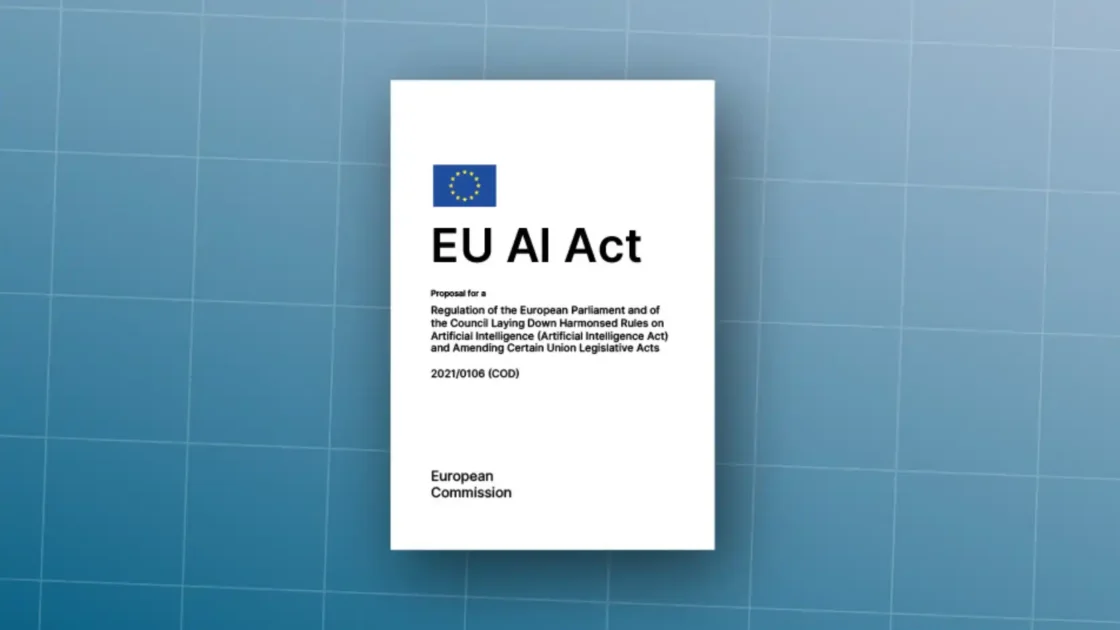
Regulation is pushing platforms toward stronger transparency. The European Commission is working on a code of practice for marking and labeling AI-generated content under the AI Act. The Digital Services Act also places extra obligations on very large online platforms and search engines, especially around systemic risks, recommender systems and content moderation.
The strongest platforms will not solve synthetic trust with a single label. They will combine provenance, user disclosure, detection models, human review, policy enforcement, removal processes and media literacy. The future social platform is not only a feed. It is also a verification environment.
Moderation is shifting from review queues to model governance
Social networks used to describe moderation mainly as a content-review problem: detect harmful material, send some of it to human reviewers, remove or reduce what violates policy, and handle appeals. AI changes that. Moderation now includes model behavior, synthetic-media generation, recommender effects, chatbot safety, training data, youth interactions and provenance systems.
This broadens responsibility. If a platform gives users an AI image generator, it must consider what the generator can produce. If it inserts a chatbot into teen messaging, it must consider sensitive conversations. If it uses AI to summarize discussions, it must consider distortion. If it uses AI to curate feeds, it must consider systemic bias and manipulation.
NIST’s AI Risk Management Framework is relevant here because it treats AI risk as a lifecycle issue involving governance, mapping, measurement and management. For social platforms, this is not an academic concern. A model can fail at generation, retrieval, ranking, personalization, moderation or explanation.
Moderation also becomes harder because AI content can be produced at scale. A single actor can generate thousands of synthetic posts, comments, images or videos. Review queues alone cannot keep up. Platforms need automated detection, but automated detection creates false positives and false negatives. Human judgment remains necessary, especially for context-heavy cases such as satire, political speech, art, newsworthiness and harassment.
YouTube’s likeness detection, TikTok’s AI content controls, Meta’s labeling system and C2PA adoption are all pieces of this new governance layer. They do not replace moderation. They change what moderation must include.
The public should expect more disputes over AI labels and removals. Creators will complain when real edits are labeled as AI. Public figures will complain when impersonations remain online. Users will complain when AI summaries misrepresent community views. Regulators will ask whether platforms are managing risks or merely documenting them.
AI moderation is not only about bad content. It is about platform accountability for machine-made choices.
User control is becoming a competitive feature
The first wave of platform AI often arrived with limited user choice. A chatbot appeared. AI labels appeared. AI recommendations changed. AI-generated content entered feeds. The next phase is moving toward controls, partly because users are pushing back and partly because regulators are watching.
TikTok’s AI content slider is a useful signal. The platform is giving users a way to reduce or increase AI-generated content in their For You feeds through Manage Topics. That does not remove AI from the system, but it acknowledges that AI content is now a content category users may want to shape.
Meta’s teen AI supervision tools also show where controls are heading. Recent reporting and Meta announcements around teen accounts indicate that parents can see broad categories of topics teens discuss with Meta AI, without full transcripts. This kind of feature sits at the intersection of AI safety, youth regulation and privacy.
Snapchat users have also demanded control around My AI and generative identity features. Generative AI in camera products can be entertaining, but it becomes sensitive when a user’s face, likeness or selfie-derived image is used in ads or synthetic scenes. Even when policies allow opt-outs, users may feel surprised if the default is not obvious.
User control will become a trust signal. Can users turn off AI summaries? Can they reduce AI videos? Can they remove an assistant from a chat list? Can creators opt out of voice cloning or likeness detection enrollment? Can people see why an AI label was applied? Can users delete AI chat data? Can parents supervise without reading private messages?
The best controls are not buried. They are visible, specific and written in plain language. A platform that forces AI into every surface may drive short-term usage, but it risks long-term distrust.
For social networks, the lesson is simple: adoption is not the same as consent. If AI becomes infrastructure, user choice must become infrastructure too.
Creators face a new bargain with platforms
Creators gain a lot from social AI. They can draft scripts, generate backgrounds, translate videos, test titles, create thumbnails, dub content, edit faster, make avatars, turn still images into video and localize campaigns. Small teams can do work that once required specialists. Solo creators can reach global audiences more easily.
YouTube’s AI tools point to this future: inspiration, Dream Screen, Veo-powered Shorts, AI editing and auto dubbing. TikTok Symphony offers scripts, avatars, image-to-video, text-to-video and translation. Snap’s AI lenses give creators new formats. Pinterest’s AI tools support visual discovery and shopping. LinkedIn’s AI can help professionals describe skills and find opportunities.
The bargain is not free. The more creators use platform AI, the more creative work happens inside platform-controlled tools. That can reduce costs, but it can also increase dependency. If TikTok’s avatar system, YouTube’s Shorts tools or Meta’s ad generator becomes the easiest way to produce content, creators and advertisers adapt their style to the platform’s machine.
There is also a sameness problem. AI tools trained on high-performing patterns may produce content that resembles what already works. Hooks become familiar. Faces become polished. Captions become predictable. Brand voices flatten. The platforms may still reward those assets because they fit the performance system, but audiences may tire of them.
Human creators retain a strong advantage: lived experience, taste, trust, timing, humor, risk, vulnerability and judgment. AI can imitate formats. It struggles with earned authority. A real mechanic explaining a repair mistake, a nurse describing an exhausting shift, a founder admitting a failed launch or a local resident warning about a tourist trap carries context that synthetic content often lacks.
The creators who win with AI will not be the ones who automate everything. They will be the ones who use AI to remove friction while keeping a human point of view.
Brands need a different AI adoption strategy for each platform
Brands often ask a single broad question: Should we use AI on social media? That question is too vague. The better question is where AI changes the job on each platform.
On Meta, AI matters for ad creative variation, campaign matching, messaging and customer interaction. On TikTok, it matters for short-form creative testing, avatar-led content and native ad formats. On YouTube, it matters for multilingual reach, Shorts production and creator partnerships. On Snapchat, it matters for AR lenses, youth engagement and conversational search. On Reddit, it matters for community intelligence, search visibility and authentic discussion. On LinkedIn, it matters for professional authority, hiring and B2B discovery. On Pinterest, it matters for visual search, shopping intent and campaign automation.
A brand that uses the same AI-generated post everywhere will look lazy. Social AI works best when it respects platform behavior. TikTok needs motion, pacing and cultural fluency. Reddit needs specificity and honesty. LinkedIn needs credibility. Pinterest needs visual clarity and intent. YouTube needs watchable structure. Snapchat needs play. Meta needs creative variation and community relevance.
AI can support each of those jobs, but it cannot replace platform judgment. A brand can use Symphony to draft a TikTok script, then still needs to know whether the hook feels like TikTok or like a recycled ad. A brand can use Reddit’s AI tools to read community sentiment, then still needs to decide whether to join the conversation or stay out. A brand can use LinkedIn AI search to understand professional language, then still needs substance behind the claim.
The danger is output addiction. Teams may celebrate producing more assets while ignoring whether those assets carry a stronger idea. AI increases volume by default. Strategy must decide what deserves volume.
The best brand approach is selective. Use AI for research, variants, localization, accessibility, resizing, first drafts and performance learning. Keep humans in charge of claims, taste, ethics, evidence, community context and final approval.
The strategic winners will own context and distribution
AI models are becoming more capable, but social platforms have two advantages that standalone AI apps often lack: context and distribution.
Distribution is the obvious part. Meta can put AI in apps used by billions. YouTube can place AI in the creator upload flow. TikTok can put AI inside ad creation and short-form production. Snap can insert Perplexity into Chat. LinkedIn can place AI where job seekers and recruiters already work. Reddit can put AI answers where users already search discussions.
Context is the deeper part. Social platforms know what people watch, save, search, share, discuss, buy, apply for, comment on and ignore. Pinterest understands visual intent. LinkedIn understands professional identity. Reddit understands community language. YouTube understands watch behavior. TikTok understands cultural velocity. Snapchat understands camera play and chat behavior. X understands live public conversation.
That context makes AI more useful, but also more sensitive. A social AI answer built on a platform’s own data may feel more relevant than a generic assistant. It may also feel more invasive if users do not understand what data is being used.
The winners will combine three strengths: trusted data, native placement and responsible controls. A platform with placement but poor trust may get usage without loyalty. A platform with trust but weak AI tools may lose creators and advertisers. A platform with good tools but no distribution may become a supplier rather than the main user destination.
This is why partnerships matter. Snap partnering with Perplexity shows one path. Reddit licensing data and building Answers shows another. Meta building its own assistant across its apps shows a third. YouTube benefits from Google DeepMind and broader Google AI work. X uses xAI. The social AI market will not divide neatly between “platforms” and “AI companies.” The two categories are merging.
The next phase will be measured by trust, not novelty
AI adoption by the biggest social networks has moved past the novelty phase. The question is no longer whether a platform has an AI chatbot, AI image tool or AI ad feature. The harder question is whether AI improves the reason people use that platform in the first place.
For Meta, AI must make communication, discovery and ads better without making users feel watched. For YouTube, AI must help creators produce and translate without drowning the platform in low-effort video. For TikTok, AI must speed creative work without killing the human weirdness of the feed. For Snapchat, AI must feel playful and useful without invading personal identity. For X, Grok must interpret real-time conversation without amplifying chaos. For Reddit, AI must respect the messy human discussions that give the platform value. For LinkedIn, AI must improve opportunity without turning hiring into opaque automation. For Pinterest, AI must deepen inspiration without flattening taste.
The biggest shift is cultural. Social networks used to compete over the feed. Now they compete over the feed, the prompt, the answer, the assistant, the ad system, the camera, the creator tool and the verification layer. AI adoption is not a side project for social platforms. It is becoming the new architecture of social media.
The most successful platforms will not be the ones that place AI everywhere for its own sake. They will be the ones that make AI feel native to the product, useful to the user, fair to creators, safer for public discourse and honest about what is synthetic. That is a high bar. It should be.
Questions readers ask about AI adoption by the biggest social networks
Meta has the broadest AI adoption because it places Meta AI across Facebook, Instagram, WhatsApp, Messenger and a standalone app, while also using AI in ads and content labeling. YouTube and TikTok are moving fastest in creator tools, while Reddit is especially strong in AI search.
Meta is integrating Meta AI into Facebook, Instagram, WhatsApp and Messenger, expanding standalone access through the Meta AI app, using AI in advertising tools and labeling AI-generated content across Facebook, Instagram and Threads.
YouTube is using AI for Shorts creation, Dream Screen backgrounds, Veo-powered video generation, idea generation, titles, thumbnails, editing support, auto dubbing and likeness detection for AI deepfakes.
TikTok uses AI through its Symphony creative suite, AI avatars, script generation, translation, dubbing, text-to-video, image-to-video and AI-generated content labeling. It is also testing controls that let users adjust how much AI-generated content appears in their feeds.
Snapchat combines My AI, generative AI Lenses, AI Snaps and a major Perplexity partnership that brings conversational AI search into the Snapchat Chat interface.
X uses Grok as an AI assistant connected to real-time web and X search. X is also moving toward Grok-powered custom timelines that curate topic feeds based on semantic understanding rather than simple keyword matching.
Reddit Answers is an AI-powered search experience that synthesizes posts and comments across Reddit communities to answer user questions while linking back to relevant discussions.
Reddit has large archives of human conversation around specific problems, products, hobbies and decisions. That makes it useful for AI search, training data, community intelligence and advertising insights.
LinkedIn uses AI for job search, people search, recruiting workflows, candidate sourcing, job posts and personalized outreach. Its AI features are tied to professional identity and labor-market matching.
Pinterest uses AI for visual search, recommendations, inclusive representation, body type ranges, shopping discovery and automated advertising tools such as Pinterest Performance+.
No. Chatbots are only the visible layer. The bigger adoption areas are recommendation systems, ad automation, creator tools, synthetic-media labeling, search, translation, dubbing and moderation.
Social platforms make most of their revenue from ads. AI can generate creative variations, improve campaign setup, tune targeting, automate bidding and help advertisers produce platform-specific assets faster.
It already has in some formats, especially short-form video and image content. Platforms are responding with labels, watermarking, user controls and disclosure rules, but detection remains imperfect.
C2PA is an open standard for content provenance. It helps platforms, creators and users identify the origin and edit history of digital media through Content Credentials.
No. Labels help, but they are not enough. Metadata can be stripped, viewers may ignore labels and bad actors may use tools outside platform-controlled systems. Labels need to be paired with detection, removal policies, user reporting and provenance standards.
AI lets users ask natural-language questions inside social platforms instead of relying only on keywords. Reddit Answers, LinkedIn AI job search, Snapchat’s Perplexity integration, Pinterest visual search and Grok on X all show this shift.
Creators face impersonation, synthetic competition, content sameness, platform dependency and possible loss of control over likeness, voice or style. They also gain faster production, translation and editing tools.
Brands should use AI differently by platform. TikTok AI can support short-form testing, Meta AI can support ad variants and messaging, YouTube AI can support multilingual video, Reddit AI can support community research, LinkedIn AI can support professional discovery and Pinterest AI can support visual shopping.
All major platforms face trust issues, but the risk is highest where AI affects public information, identity or opportunity. X, YouTube, TikTok and Meta face synthetic-media risks. LinkedIn faces fairness and hiring risks. Reddit faces community extraction and misrepresentation risks.
The next phase will be defined by trust, user control, creator protection, clear labeling, better search, stronger ad tools and whether AI makes each platform more useful without weakening the human behavior that made it valuable.
Author:
Jan Bielik
CEO & Founder of Webiano Digital & Marketing Agency
This article is an original analysis supported by the sources cited below
Global social media statistics
DataReportal’s continually updated overview of worldwide social media usage and major platform scale.
Digital 2026 global overview report
Kepios, DataReportal, Meltwater and We Are Social’s global report on internet, social media, mobile and AI usage trends.
Digital 2026 mid-year global update report
DataReportal’s April 2026 update on digital behavior, including social network use and AI visibility.
Meta reports fourth quarter and full year 2025 results
Meta’s official investor release with family daily active people, revenue and advertising performance data.
Europe, meet your newest assistant: Meta AI
Meta’s announcement of Meta AI rollout across Facebook, Instagram, WhatsApp and Messenger in Europe.
Introducing the Meta AI app
Meta’s official launch article for its standalone Meta AI assistant app.
Labeling AI-generated images on Facebook, Instagram and Threads
Meta’s explanation of AI image labeling and its work with industry standards for synthetic media identification.
Our approach to labeling AI-generated content and manipulated media
Meta’s policy update on labels, manipulated media and contextual treatment of synthetic content.
Meta’s Generative Ads Recommendation Model
Meta Engineering’s technical overview of GEM and its role in AI-powered ad recommendations.
How creators use AI for content creation
YouTube’s official explainer on AI tools for creators, including inspiration tools, Dream Screen and dubbing.
Unpacking the magic of our new creative tools
YouTube’s Made on YouTube 2025 update covering Veo 3 Fast, AI editing and new AI creation tools.
Unlocking a global audience with auto dubbing
YouTube’s February 2026 announcement on expanded auto dubbing and multilingual viewing.
Disclosing use of altered or synthetic content
YouTube Help documentation explaining when creators must disclose realistic altered or synthetic content.
Expanding likeness detection to civic leaders and journalists
YouTube’s official update on AI likeness detection for deepfake review and removal requests.
TikTok Symphony
TikTok’s official product page for its generative AI creative suite.
Symphony Creative Studio
TikTok’s AI-powered creative studio for video generation, scripts, avatars, translation and editing.
Meet Symphony Avatars
TikTok Newsroom’s announcement of AI-powered digital avatars for creators and brands.
Meet our latest Symphony generative AI tools
TikTok’s update on Image to Video, Text to Video and Showcase Products inside Symphony.
About AI-generated content
TikTok Help documentation defining AI-generated content and explaining labeling options.
More ways to spot, shape and understand AI-generated content
TikTok’s newsroom update on AI content controls, invisible watermarking and Content Credentials.
Snap and Perplexity partner to bring conversational AI search to Snapchat
Snap’s official announcement of Perplexity integration into Snapchat’s Chat interface.
Generative AI on Snapchat
Snapchat Help documentation covering My AI, AI Lenses, AI Snaps and other generative AI features.
What is My AI on Snapchat and how do I use it?
Snapchat’s user support article explaining the My AI chatbot.
Introducing Sponsored AI Lenses
Snap’s announcement of Sponsored AI Lenses as an AI-powered advertising format.
Lens Fest 2025
Snap’s Lens Fest update covering new AR and AI tools, including AI Clips.
Grok
xAI’s official product page for Grok and its real-time search capabilities.
Grok release notes
Grok’s official changelog documenting new AI features and product updates.
News: research, product and company updates
xAI’s official news page including Grok availability announcements.
Introducing Reddit Answers
Reddit’s announcement of its AI-powered answer experience built on Reddit discussions.
Reddit’s AI-powered search: Answers
Reddit Help documentation explaining how Reddit Answers uses generative AI and Reddit content.
Reddit reports fourth quarter and full year 2025 results
Reddit’s official investor release with daily active uniques, revenue and growth figures.
Now in beta: Max campaigns for AI-powered ad performance and unique audience insights
Reddit’s announcement of AI-powered automated campaign tools for advertisers.
LinkedIn introduces new AI-powered people search experience to Premium subscribers in the US
LinkedIn’s announcement of conversational AI-powered professional search.
Discover new opportunities with AI-powered job search
LinkedIn Help documentation explaining AI-powered job search using natural language.
AI features in LinkedIn Recruiter
LinkedIn Recruiter Help documentation covering AI-assisted projects, sourcing, job posts and outreach.
The future of recruiting 2025
LinkedIn’s report on AI’s role in hiring workflows and recruiter work.
AI at Pinterest
Pinterest Help documentation describing AI use in recommendations, ads, moderation and representation.
Pinterest Performance+
Pinterest Business page for AI and automation in campaign creation and ad performance.
Search by body type ranges
Pinterest Help documentation explaining body type range search for fashion and wedding-related ideas.
Pinterest introduces AI-powered auto-collages and new shopping tools
Pinterest Newsroom’s update on AI-driven ad solutions, shopping and trend forecasting.
Pinterest boards get AI-powered upgrade
Pinterest Newsroom’s announcement of AI-powered board personalization.
Pinterest announces fourth quarter and full year 2025 results
Syndicated Pinterest investor release with revenue, monthly active users and search scale.
AI summaries, new design and more
Telegram’s announcement of AI summaries for channel posts and Instant View pages.
Comments in group calls, notes for contacts, suggested posts and more
Telegram’s update covering threaded and streaming responses for AI bots.
The evolution of Telegram
Telegram’s product evolution page documenting AI text translation and transformation features.
Tencent’s Weixin app, Baidu launch DeepSeek search testing
Reuters reporting on Weixin testing DeepSeek and Tencent’s AI search expansion.
C2PA
The Coalition for Content Provenance and Authenticity’s official site explaining Content Credentials and provenance standards.
Code of practice on marking and labelling of AI-generated content
European Commission page on AI Act transparency obligations for marking and labeling synthetic content.
DSA: very large online platforms and search engines
European Commission page explaining DSA obligations for platforms above the EU user threshold.
The Digital Services Act
European Commission overview of the Digital Services Act and its rules for online platforms.
AI Risk Management Framework
NIST’s official page for its AI risk management framework and guidance on managing AI risks.
| Citing this article? Brief excerpts are welcome. Please credit Webiano.digital, name the author where stated, and include a link to https://webiano.digital and to this original article. Full or substantial republication requires prior written permission. Read our Copyright and Content Use Policy. |
This article was prepared with the assistance of artificial intelligence tools. The content underwent expert human review, and Webiano Digital & Marketing Agency assumes editorial responsibility for its final version and publication.