Generative engine optimization, usually shortened to GEO, is the work of making a brand, page, product, expert, dataset, or idea easier for AI-powered search systems to discover, understand, select, summarize, cite, and trust. It overlaps with SEO, answer engine optimization, content strategy, entity SEO, technical SEO, digital PR, knowledge graph work, structured data, and brand authority. It is not a cosmetic rewrite of a page. GEO is a visibility discipline for systems that assemble answers rather than merely rank links.
Table of Contents
The shift matters because AI search experiences do not behave like a classic list of ten blue links. Google says AI Overviews and AI Mode may use a query fan-out technique, issuing related searches across subtopics and data sources before building a response. Google also says a page must be indexed and snippet-eligible to appear as a supporting link in AI Overviews or AI Mode, with no special technical requirement beyond the existing Search foundation.
Generative engine optimization is no longer a single-channel search problem
That single point explains why GEO cannot be reduced to “write better headings” or “add FAQ schema.” AI search systems gather evidence through multiple retrieval paths, compare sources, compress information, and often cite only a few of the pages they inspected. A page can be good, indexable, and relevant yet still lose visibility because another page is clearer, fresher, more specific, better structured, easier to quote, better corroborated, or tied more strongly to recognized entities.
The original academic paper on Generative Engine Optimization framed the problem as a creator-side response to generative engines that synthesize information from multiple sources. The researchers found that methods such as adding citations, relevant quotations, and statistics improved source visibility across queries, with reported gains of more than 40% in some settings and up to 37% in a real-world Perplexity test.
That does not mean GEO is a trick for forcing AI systems to mention a site. It means generative engines reward content that is easier to retrieve, easier to verify, easier to merge with other evidence, and easier to cite without distorting the answer. The details are not decoration. They are the signals that let a machine decide whether a passage belongs in a final response.
Hundreds of signals, one fragile selection process
The phrase “hundreds of factors” is not exaggeration. GEO sits inside a stack of decisions. First, a crawler must be allowed to reach the page. Then the page must be rendered, parsed, indexed, deduplicated, classified, matched to a query or subquery, compared with other candidates, extracted into useful passages, scored for authority and relevance, and then passed into a generative layer that may or may not cite it. Every step introduces loss.
A single blocked crawler can remove a page from one AI surface. OpenAI states that OAI-SearchBot is used to surface websites in ChatGPT search features and recommends allowing it for sites that want to appear in search results. OpenAI also separates OAI-SearchBot from GPTBot, so a publisher can allow search visibility while disallowing use for training. Perplexity makes a similar distinction between PerplexityBot, which is designed to surface and link websites in Perplexity search results, and Perplexity-User, which supports user-triggered actions.
That crawler layer is only the first gate. Technical SEO still matters because AI search does not float above the web. Google’s AI features documentation lists crawling access, internal links, page experience, textual availability, useful images and videos, and structured data aligned with visible content as continuing SEO foundations for AI features.
The second gate is interpretation. A page has to state what it is about, who created it, when it was updated, which entity it represents, which audience it serves, which claims it makes, and where those claims come from. A vague page forces the system to guess. A precise page lowers the cost of selection.
The third gate is citation fitness. An AI answer often needs a passage that can support a narrow claim. A page with long, elegant paragraphs but no extractable definitions, no concrete numbers, no dated claims, and no clear source trail may be less useful than a shorter page with cleaner evidence. GEO rewards passages that can survive compression.
The fourth gate is corroboration. AI systems rarely rely on one page for sensitive, factual, commercial, legal, medical, technical, or comparative answers. A brand that is mentioned consistently across independent sources, structured profiles, business listings, reviews, documentation, expert articles, and trusted databases gives retrieval systems more confidence. Visibility is easier when the web says the same thing about you in more than one place.
Search engines still matter because AI engines retrieve before they write
Some marketers talk about GEO as if classic SEO is dead. That view misses the machinery. Generative systems need retrieval. They need indexes, crawlers, snippets, entities, passage ranking, canonical URLs, freshness signals, and permission controls. They may add language models on top, but the source selection problem still depends on whether the content is findable and intelligible.
Retrieval-augmented generation, known as RAG, gives a useful technical lens. The foundational RAG paper describes systems that combine a model’s internal knowledge with a non-parametric memory, such as a dense index of documents, so the model can access external information for knowledge-intensive tasks. In plain editorial terms, the AI answer is not only “thinking.” It is often searching, retrieving, selecting, and then writing.
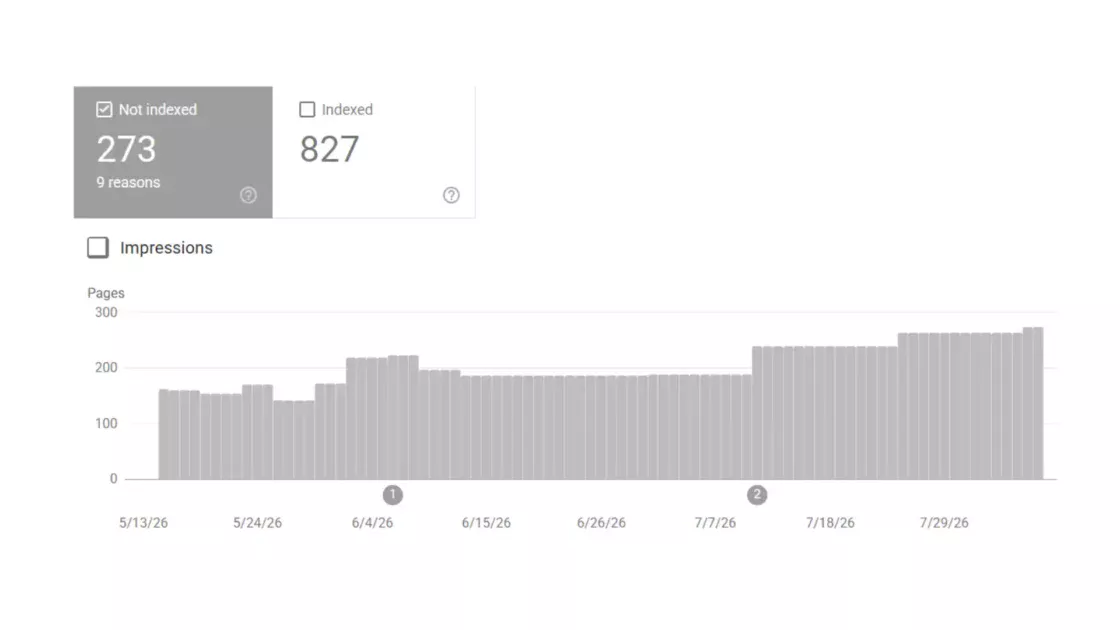
That is why indexability remains a business issue, not a developer footnote. A noindex tag, broken canonical setup, blocked JavaScript dependency, misconfigured CDN rule, bad robots.txt file, or duplicate page cluster can quietly remove the source that the AI system might have used. Google’s documentation says a page must be indexed and eligible to be shown with a snippet to appear as a supporting link in AI Overviews or AI Mode.
The same principle applies outside Google. ChatGPT search, Perplexity, Bing/Copilot, Claude search features, Apple search surfaces, and other answer systems depend on some mixture of crawling, indexing, live fetching, licensed data, partner feeds, user-triggered retrieval, and third-party search infrastructure. Each surface has its own rules. GEO work therefore starts with a crawlability map, not with a headline brainstorm.
A strong GEO audit asks blunt questions. Are the pages accessible to Googlebot, Bingbot, OAI-SearchBot, PerplexityBot, and any other crawler relevant to the business? Are the pages blocked for training but accidentally blocked for search? Are sitemaps clean? Are canonical signals consistent? Are important answers available in HTML text rather than hidden in images, tabs, scripts, or PDFs? Are pages internally linked from relevant hubs? Are thin duplicates splitting authority?
The answer engine does not care that the brand “meant” to publish useful information. It sees what the retrieval layer can fetch, parse, cluster, and rank.
Crawl permissions have become strategic decisions
Robots.txt used to be a quiet file for search crawlers and bandwidth management. In the AI search era, it has become a strategic control panel. The Robots Exclusion Protocol is now specified in RFC 9309, which describes rules that crawlers are requested to honor when accessing URIs. The standard also states that these rules are not access authorization, a point that matters because robots.txt is a signal, not a security system.
The new complexity comes from crawler separation. Search visibility, user-triggered retrieval, training data collection, link previews, AI grounding, and model improvement may use different user agents. A publisher might want to allow a crawler that surfaces and cites pages in AI answers while blocking a training crawler. OpenAI explicitly describes independent settings for OAI-SearchBot and GPTBot. Perplexity says PerplexityBot is not used to crawl content for AI foundation models and recommends allowing it for search result visibility. Apple’s Applebot documentation says allowing Applebot in robots.txt lets website content appear in Apple search experiences such as Spotlight, Siri, and Safari.
The details matter because a broad “block AI bots” rule may protect content from one use while reducing visibility in another. A publisher that blocks every AI-related user agent may keep more control over training access, but may also reduce the chance of being cited in AI search. A SaaS company, ecommerce brand, local service business, or professional firm may choose differently from a newspaper with licensing concerns.
There is no universal setting. Crawl policy is now part of content distribution strategy. The right decision depends on the business model, copyright posture, server capacity, legal guidance, desired visibility, source monetization, and tolerance for AI reuse. GEO does not mean allowing everything. It means knowing what each permission does.
A serious implementation also includes log analysis. Robots rules written in a CMS admin panel do not prove crawlers are reaching the right pages. Server logs show user agents, status codes, crawl frequency, crawl traps, redirect chains, blocked resources, 403s, 5xx errors, and bot behavior. The difference between a theory and a working GEO setup is often found in log files.
Snippet eligibility decides whether content can become evidence
AI systems need source material they are allowed to summarize and display. That makes snippet controls more important than many teams realize. Google’s robots meta tag documentation explains how page-level directives such as noindex and other robots controls influence how a page is indexed and served in Search. OpenAI’s publisher FAQ says that to include site content in ChatGPT summaries and snippets, the site should not block OAI-SearchBot; it also notes that a noindex meta tag is needed if a publisher does not want even a title and link surfaced from a disallowed page discovered elsewhere.
For GEO, this creates a hard trade-off. Restrictive snippet rules may protect content, but they may also reduce the material available for AI answer surfaces. Generative engines are not only deciding whether a URL exists. They are deciding whether the text can be used as supporting evidence. A page that cannot be quoted, summarized, or previewed may be less useful to an answer system than a page with clear snippet availability.
This is especially relevant for publishers, data providers, research organizations, ecommerce sites, marketplaces, and professional services firms. Some pages are meant to attract broad discovery. Others are meant to sit behind login walls, paywalls, contractual restrictions, or lead forms. GEO requires a page-by-page policy, not one blanket directive.
The same applies to paywalled and gated content. If the visible portion of a page contains only marketing copy, while the real evidence sits behind a wall, an AI system may cite another source that exposes a better answer. This does not mean every asset should be ungated. It means the public preview must contain enough substance to establish relevance, authority, and citation value.
A useful pattern is to publish a strong public summary, visible author and organization details, a clear date, a precise abstract, core definitions, methodology notes, and a link to the full resource. That gives retrieval systems enough to classify the page accurately while preserving the deeper asset for subscribers, customers, or qualified leads.
Entity clarity is the backbone of AI visibility
AI search does not only retrieve keywords. It reasons across entities: people, companies, products, categories, places, credentials, publications, datasets, standards, regulations, events, and relationships. A page about “GEO” must make clear whether it means generative engine optimization, geography, geosynchronous orbit, or a brand acronym. Ambiguity weakens visibility.
Entity clarity starts with naming. The article, organization profile, author bio, schema markup, social profiles, citations, press mentions, directory listings, product pages, and knowledge panels should describe the same entity in the same way. If a company alternates between three brand names, uses different founder names across profiles, changes category wording constantly, and keeps old addresses live, AI systems receive a noisy entity graph.
Structured data supports this work when it reflects visible content. Google says structured data provides explicit clues about the meaning of a page and classifies page content; it also warns that structured data should not describe content hidden from users or unrelated to the main page. Schema.org describes itself as a shared vocabulary for structured data on web pages, email messages, and beyond, used by Google, Microsoft, Pinterest, Yandex, and others.
For GEO, schema is not magic. It is a disambiguation layer. Article schema can clarify the headline, author, date, publisher, and main entity. Organization schema can align brand identity. Product schema can connect price, availability, reviews, GTINs, and merchant details. FAQPage schema can identify question-and-answer content when it is genuinely present. BreadcrumbList can show site hierarchy. Person schema can link expertise to an author.
The strongest entity work extends beyond the page. Independent mentions, reviews, citations, industry profiles, podcast appearances, conference pages, public datasets, GitHub repositories, academic references, government registries, and business listings all help define the entity. AI visibility grows when the open web can confirm who you are without relying only on your own site.
Content has to answer the visible query and the hidden subqueries
Query fan-out changes content planning. A user may ask one question, but the engine may split that question into subtopics. Google’s AI Mode help page says AI Mode divides a question into subtopics and searches for each one simultaneously across multiple data sources.
That is brutal for shallow content. A classic SEO article might target one main keyword and several secondary terms. A GEO-ready article has to anticipate the supporting questions that an AI system may retrieve while building the answer. For a topic like generative engine optimization, those subtopics include crawler access, RAG, AI Overviews, ChatGPT search, Perplexity citations, Bing/Copilot, structured data, author credibility, freshness, canonicalization, source corroboration, passage clarity, brand mentions, measurement, and risk.
The page does not need to become a bloated encyclopedia. It needs a clear topical architecture. Each section should cover one meaningful aspect of the intent. The answer should include definitions, mechanisms, examples, limits, trade-offs, and operational details. A passage should be able to stand alone when extracted, yet still fit the surrounding article.
This is where many brands fail. They publish a page titled “What is GEO?” and repeat the definition in several forms. They do not explain the retrieval pipeline. They do not distinguish SEO from GEO. They do not mention crawler controls. They ignore snippet eligibility. They do not show a checklist. They do not cite technical sources. They do not say how to measure AI citations. They give the AI system a weak answer to a broad intent.
A stronger page covers the main query and the branches. The best GEO content does not chase every keyword variation. It makes the topic structurally complete enough that fan-out retrieval keeps finding the same page from different angles.
Passage design matters because AI systems quote fragments
Generative engines do not always consume a full page as a human reader would. They often retrieve, rank, and use passages. That makes paragraph-level design a GEO factor. A page may have a strong overall argument but weak extractable units. If the best insight depends on six previous paragraphs, the system may skip it.
A good passage contains a clear claim, enough context, and enough precision to stand alone. Definitions should be direct. Numbers should include what they measure and when. Comparisons should name both sides. Recommendations should state the condition under which they apply. Claims should not float without support.
Weak passage: “GEO is changing marketing because AI search works differently.”
Stronger passage: “GEO improves the chance that a source is retrieved, interpreted, selected, and cited by AI answer systems. It depends on crawl access, indexability, entity clarity, passage structure, authority signals, freshness, corroboration, and source-level trust.”
The second passage is easier to extract because it contains a compact definition and a usable factor list. It is also harder to misquote.
This does not mean every paragraph should sound like a dictionary entry. Readers still need flow, argument, and narrative judgment. But high-value sections should include citation-ready sentences: clear enough for answer engines, useful enough for humans, and specific enough to be attributed without distortion.
Lists and tables can support this, but they should not replace prose. AI systems may extract rows, headings, and definitions, yet a page made only of bullets often lacks authority and nuance. The best approach is layered: a direct answer, followed by explanation, then examples, then limitations, then structured summary.
Evidence, statistics, and citations are not optional decoration
The original GEO research found that adding citations, quotations from relevant sources, and statistics significantly improved visibility in generative engine responses across various queries. That finding matches editorial common sense. AI systems need evidence. Users need reasons to trust the answer. Search systems need signals that a page is not inventing claims.
Evidence has several forms. Primary sources are strongest: official documentation, standards, research papers, government data, company documentation, product specifications, academic studies, patents, court filings, public datasets, and regulator publications. Secondary sources can add interpretation, but they should not carry the whole argument.
A GEO page about AI search should not rely only on agency blogs repeating each other. It should cite Google’s AI features documentation, OpenAI crawler documentation, Perplexity crawler guidance, Bing Webmaster guidance, the GEO research paper, RAG research, robots.txt standards, and structured data standards. The source layer tells AI systems and human editors that the article is anchored in verifiable material.
Evidence also needs placement. A source list buried at the bottom is useful, but the body still needs claims tied to support. If a section says “AI Overviews reduce clicks,” the article should cite the Pew Research Center study that measured browsing behavior and found lower click rates when AI summaries appeared. Pew reported that users clicked a traditional search result in 8% of visits with an AI summary, compared with 15% without one, and clicked a link inside the AI summary in only 1% of visits with such a summary.
Evidence turns content from opinion into retrievable support. GEO rewards that because generative engines are under pressure to answer accurately, show sources, and avoid hallucinations.
Structured data helps machines, but it cannot rescue weak content
Structured data is often oversold in GEO discussions. It matters, but it is not a shortcut around weak information. Google’s structured data guidelines say structured data must be representative of the page, not hidden from users, not misleading, and compliant with Search Essentials and content policies. Google also says correctly marked-up structured data does not guarantee a rich result.
For GEO, structured data works best when it reinforces what the page already says. An Article object should match the article. An Organization object should match the actual publisher. FAQPage markup should match visible questions and answers. Product markup should match visible product details. Review markup should reflect real reviews from eligible sources, not fabricated reputation signals.
Schema also helps AI systems connect entities and properties. It can clarify that Jan Bielik is the author, Webiano Digital & Marketing Agency is the organization, the page is about generative engine optimization, the article was updated on a specific date, and the FAQ section contains question-answer pairs. It can support discoverability in search features and improve machine readability.
But schema cannot create expertise. It cannot make an unsupported claim reliable. It cannot fix thin content. It cannot make a hidden page eligible. It cannot repair a confusing site architecture. Structured data is a label. The thing being labeled still has to be real, visible, useful, and trustworthy.
A practical schema setup for GEO-heavy editorial content often includes Article, Person, Organization, BreadcrumbList, WebPage, and FAQPage where appropriate. For product, local, medical, legal, software, recipe, event, and job content, the appropriate type changes. The principle stays the same: describe the page truthfully with the most specific valid type.
GEO signal map for machine-readable content
| Layer | Detail that decides visibility | Why it matters |
|---|---|---|
| Access | Robots.txt, bot permissions, snippet controls | The system must be allowed to fetch and reuse enough content |
| Meaning | Entities, headings, schema, visible definitions | The system must understand what the page is about |
| Trust | Author identity, sources, citations, updates | The system must judge whether the claim is safe to use |
| Extraction | Clear passages, tables, compact answers | The system must be able to lift evidence without breaking it |
| Corroboration | Independent mentions, reviews, databases | The system gains confidence when other sources confirm the entity |
This table is not a ranking formula. It is a practical map of the layers where GEO work usually fails. A brand can produce strong content and still lose if access is blocked, meaning is vague, trust is weak, passages are hard to extract, or the wider web does not corroborate the claim.
Canonicalization and duplication can quietly erase the best answer
Canonicalization looks like a technical SEO issue, but it affects GEO because AI systems need a representative source. Google defines canonicalization as selecting the representative canonical URL from duplicate or similar pages. Google also documents methods for specifying canonical preferences, including redirects, rel=”canonical”, and sitemap inclusion.
Duplicate content is common on modern sites. Product pages generate filtered URLs. Blog posts appear under tags, categories, author archives, and tracking parameters. International pages duplicate English originals. CMS previews get indexed. Printer-friendly versions remain live. PDFs duplicate HTML. Landing pages repeat service copy with minor city changes.
For GEO, duplicates create three problems.
First, they split signals. Mentions, links, engagement, crawl attention, and internal relevance can disperse across variants. Second, they create uncertainty. If the AI system retrieves a duplicate with less context, no author details, or stale information, the answer may cite the wrong version or skip the site. Third, they weaken authority. A site filled with near-identical pages looks less like a clear source and more like an indexation mess.
Canonical hygiene is therefore part of citation hygiene. The preferred URL should contain the strongest content, clearest metadata, best structured data, updated date, stable internal links, and full context. Duplicates should either point clearly to that version or be consolidated.
The same principle applies to syndicated content. If a brand publishes the same report on its own site, Medium, LinkedIn, a partner site, and a PDF host, AI systems may choose the version with stronger authority or easier access. Sometimes that is not the original. The canonical source has to be technically and editorially stronger than its copies.
Freshness is not only a date stamp
AI answer systems are sensitive to freshness when the topic changes quickly. Search documentation, crawler behavior, model features, AI product names, legal disputes, SERP layouts, advertising rules, and measurement tools all change. A GEO guide from early 2024 may miss ChatGPT search crawlers, AI Mode, Bing AI Performance, new publisher controls, or updated AI Overviews documentation.
Google’s AI features documentation itself reflects changing search behavior, and Bing introduced AI Performance in Bing Webmaster Tools as a public preview in February 2026, giving publishers visibility into citations across Microsoft Copilot, AI-generated summaries in Bing, and selected partner integrations. Bing’s post also describes metrics such as total citations, average cited pages, grounding queries, page-level citation activity, and visibility trends.
Freshness is not solved by changing the visible “last updated” date. AI systems and human readers need signs that the content was actually reviewed. Those signs include updated screenshots, current crawler names, current product features, recent source citations, corrected statistics, changed recommendations, archive notes, version history, and dated methodology.
Freshness also depends on discovery speed. IndexNow describes itself as a way for site owners to inform participating search engines when a URL has been added, updated, or deleted, helping search engines reflect changes faster than waiting for normal crawling. For brands publishing time-sensitive documentation, pricing, offers, inventory, legal notices, or research, faster discovery can matter.
A stale page is not just old. It is risky. AI systems may avoid risky sources when fresher evidence exists, especially in technical, financial, health, legal, product, and local search contexts.
Authority is built outside the page
A page can claim expertise. The web decides whether that claim is believable. GEO depends heavily on off-page authority because AI systems compare sources. They do not only read your article; they inspect the surrounding evidence environment.
Authority signals differ by category. For a medical site, author credentials, institutional review, citations to medical literature, and regulatory alignment matter. For a SaaS company, documentation quality, changelogs, integration pages, developer references, review platforms, GitHub activity, and customer case studies matter. For a local business, business profiles, address consistency, reviews, local citations, photos, opening hours, and service-area clarity matter. For a consultant, authorship, speaking history, media mentions, client proof, LinkedIn consistency, and original frameworks matter.
Common Crawl is a useful reminder that the wider web becomes machine-readable at scale. It maintains a free open repository of web crawl data used by researchers, with hundreds of billions of pages spanning many years. Even when a particular AI system uses its own crawlers, licensed data, search APIs, or partner data, the larger point holds: machine understanding of a brand emerges from the web graph, not one landing page.
That is why digital PR and entity SEO belong inside GEO. Independent mentions create corroboration. Expert quotes create association. Original research creates citation reasons. Useful tools create natural links. Clear profiles create entity anchors. Review ecosystems create sentiment and category signals. A brand that exists only on its own website is harder for AI systems to place confidently.
Authority also requires consistency. A company cannot call itself “the leading AI visibility platform” without proof. Unsupported superlatives may weaken trust rather than improve it. Specific proof works better: named customers where allowed, documented use cases, measured outcomes, public datasets, years in operation, certifications, patents, independent reviews, awards with credible issuers, and third-party references.
The best GEO content is specific enough to be cited
Generic content gets summarized without attribution. Specific content earns citations. That distinction should shape every editorial decision.
An AI answer does not need to cite a page to say “GEO is about improving visibility in AI search.” Hundreds of pages say that. It may cite a page that explains the difference between OAI-SearchBot and GPTBot, compares AI Mode query fan-out with classic SEO intent mapping, gives a documented checklist for snippet eligibility, or publishes original data about AI citation patterns in a niche.
Specificity creates citation gravity. It gives the answer engine a reason to select a source instead of merely absorbing the idea.
Specificity can come from original research, benchmarks, experiments, expert interpretation, process documentation, rare examples, industry-specific checklists, data tables, diagrams, transcripts, teardown analyses, and updated technical implementation notes. For a marketing agency, a strong GEO asset might analyze how AI engines cite local service businesses in Slovakia, compare visibility across Google AI Overviews, ChatGPT search, Perplexity, and Copilot, and show which crawler rules were present on cited domains.
Specificity also comes from naming limits. Weak content promises universal tactics. Strong content says where a tactic works and where it fails. FAQ schema matters only when the page contains real FAQ content and when the search surface uses it. Statistics improve visibility when they are relevant and sourced, not when numbers are pasted into thin prose. Author bios build trust when they reflect real expertise, not when they repeat inflated adjectives.
Generative engines compress. They also flatten nuance when source material is vague. The more precise the source, the more accurately it can be represented.
Brand mentions need context, not just frequency
Some GEO advice treats brand mentions as a volume game: get mentioned everywhere. That is too crude. AI systems need context around the mention. A brand name without category, location, product, problem, comparison, or evidence does little.
A useful mention answers several machine-readable questions. Who is the brand? What does it do? Which entity category does it belong to? Which problem does it solve? Where does it operate? Which people are associated with it? Which sources confirm it? Which claims are repeated across the web? Which competitors or alternatives appear nearby? Which reviews or examples support the description?
For example, “Webiano” alone is weak as a retrieval signal. “Webiano Digital & Marketing Agency, founded by Jan Bielik, works on SEO, GEO, content strategy, and digital marketing for businesses that need stronger search and AI visibility” is much richer. It connects brand, founder, category, service, and intent.
Anchor text matters. Surrounding paragraph context matters. The authority of the mentioning site matters. The freshness of the mention matters. Whether the mention links to the correct canonical URL matters. Whether the same description appears across profiles matters. A brand mention becomes useful when it helps machines classify the entity.
This is why directory spam rarely builds strong GEO visibility. Hundreds of low-quality mentions with thin descriptions may add noise. A smaller number of credible, semantically rich mentions can do more. Industry publications, expert roundups, customer case studies, podcast notes, conference bios, documentation pages, partner ecosystems, public datasets, and reputable review sites often carry stronger contextual value.
Multimedia needs textual support
AI search is increasingly multimodal. Google’s AI search announcements discuss multimodality, video understanding, AI-organized results, and planning features. Yet multimedia still needs textual scaffolding if it is going to support GEO.
Images, videos, charts, diagrams, product shots, and infographics should not sit on a page without descriptive context. A search or AI system needs filenames, alt text where appropriate, captions, surrounding paragraphs, transcript text, structured data, video metadata, image relevance, and consistent entity naming. A chart with no text summary may be visually useful to a human but weak as retrievable evidence.
For video, transcripts are especially valuable. A twenty-minute expert explanation locked inside audio gives AI systems less to work with than a transcript with headings, named entities, timestamps, and cited sources. For product images, structured product data and visible details matter. For charts, the article should explain the dataset, date range, methodology, and conclusion in text.
Google’s AI features guidance includes making important content available in textual form and supporting text with useful images and videos when relevant. That is a practical GEO rule. Do not make the machine infer what the asset says when you can state it clearly.
Multimedia also increases the number of retrieval paths. A user may search with text, voice, image, or video. A generative engine may compare text pages, videos, images, maps, products, forum discussions, and business profiles. The more aligned the formats are, the easier it is for the system to trust the entity.
Measurement must move from rankings to citations and retrieval
Classic SEO measurement focuses on rankings, impressions, clicks, sessions, conversions, crawl coverage, and links. GEO adds new measurements: citation frequency, cited URLs, share of AI answer visibility, source position inside AI responses, surrounding answer sentiment, query fan-out coverage, crawler access, passage reuse, brand mention accuracy, and referral traffic from AI surfaces.
Bing’s AI Performance preview points directly at this shift. It measures total citations, average cited pages, grounding queries, page-level citation activity, and visibility trends across supported AI experiences. OpenAI’s publisher FAQ says ChatGPT referral URLs automatically include the UTM parameter utm_source=chatgpt.com, allowing publishers to analyze inbound traffic from ChatGPT search results.
Google Search Console currently reports AI feature traffic within the overall Web search type rather than as a fully separate AI Overview report, according to Google’s AI features documentation. That creates measurement gaps. Publishers may see impressions rise, clicks fall, or query patterns change without clean attribution to AI Overviews or AI Mode.
Pew’s 2025 analysis adds pressure to measure beyond clicks. In its March 2025 Google search dataset, AI summaries appeared in roughly 18% of searches, and users clicked traditional results less often when an AI summary appeared. Whether a brand agrees with every interpretation of that data or not, the direction is obvious: visibility without clicks is becoming a normal outcome.
GEO reporting should therefore include qualitative checks. Is the brand named accurately? Are competitors being cited instead? Are AI answers using outdated information? Which pages are cited? Which claims are extracted? Which sources does the system trust for the category? Which subqueries does the engine seem to retrieve? Which entities appear near the brand?
A ranking report alone cannot answer those questions.
AI answer accuracy depends on source clarity
Generative systems can misread, overcompress, or miss context. Google’s AI Mode help page says AI Mode does not always get it right and may misinterpret web content or miss context, as can happen with automated systems in Search. That warning has a direct implication for GEO: unclear source content increases the chance of inaccurate AI representation.
If a pricing page says “from €99” in one section, “starting at €149” in another, and “custom pricing” in a third, the AI answer may choose the wrong statement. If a service page mixes old and new offerings, the system may summarize both. If a biography lists outdated titles, a current answer may still repeat them. If an article mentions a competitor in a comparison without clear framing, the AI may associate the wrong feature with the wrong brand.
GEO is partly error prevention. It reduces ambiguity before an AI system has the chance to spread it.
This requires editorial maintenance. Old pages should be retired, redirected, or clearly archived. Contradictory claims should be reconciled. Dates should be visible. Deprecated products should be marked. Case studies should include time periods. Legal and medical content should show review processes. Local pages should reflect current addresses and hours. Product pages should match feeds and structured data.
The goal is not only to be cited. The goal is to be cited accurately. A bad citation can harm trust, confuse customers, or send users to the wrong offer. GEO teams should monitor AI answer quality the way SEO teams monitor snippets and rich results.
Spam tactics are more dangerous in AI search
Because GEO is new, it attracts shortcuts. Some sites try to stuff pages with artificial FAQs, fake statistics, invented expert quotes, hidden text, irrelevant schema, copied definitions, bot-only content, or low-value programmatic pages. These tactics may create short-term noise. They also create long-term risk.
Google’s spam policies describe manipulative practices such as cloaking, hidden text, link abuse, scaled abuse, user-generated spam, scam content, and policy circumvention. Violations can lead to ranking loss, removal, or reduced eligibility for search features. Google’s helpful content guidance says its systems aim to prioritize helpful, reliable information created for people, not content made to manipulate search rankings.
AI search raises the stakes because generative answers compress sources into a few statements. A site that pollutes the source layer with misleading claims may not only rank poorly; it may also be excluded from answer synthesis, misclassified, or treated as unreliable. The same applies to fake reviews, AI-generated author profiles, unverified awards, fabricated citations, and schema that describes content users cannot see.
Spam also creates extraction risk. A page overloaded with repeated phrases and forced answer blocks may look machine-readable, but it may not look trustworthy. Search systems are built to resist manipulation. AI systems add another layer of sensitivity because they must avoid generating harmful or inaccurate answers.
Good GEO is not manipulation. It is the discipline of making truthful information easier to discover and verify. That is the safest path because it aligns with the incentives of search engines, answer engines, readers, and brands.
The details that usually decide GEO outcomes
GEO failures are often small. The brand sees the article, the page loads in a browser, and the content looks polished. Yet the answer engine ignores it. The reason may sit in a detail no one checked.
The robots.txt file blocks the wrong user agent. The canonical points to a weaker version. The author bio has no credentials. The page has no visible date. The structured data names a different publisher than the page footer. The FAQ repeats vague questions. The best answer is inside an image. The page has no internal links from the topic hub. The title promises “complete guide,” but the article skips measurement. The source list uses weak blogs instead of primary documentation. The updated date changed, but the sources are two years old. The entity name conflicts with a similarly named company. The page uses marketing adjectives instead of extractable claims.
None of these details feels dramatic alone. Together, they decide whether the page becomes usable evidence.
Compact GEO readiness checklist
| Area | Pass condition |
|---|---|
| Crawl access | Relevant search and AI crawlers can fetch the public pages meant for discovery |
| Indexability | Target URLs are indexable, canonicalized, internally linked, and snippet-eligible |
| Content depth | The page answers the main query and the likely fan-out subqueries |
| Evidence | Claims are backed by primary sources, dates, statistics, and cited references |
| Entity consistency | Brand, author, organization, product, and location signals match across the web |
| Extraction | Definitions, comparisons, tables, and summaries are clear enough to cite |
| Freshness | Updated content reflects real review, not only a changed timestamp |
| Measurement | AI referrals, citations, cited pages, and answer accuracy are tracked |
This checklist is intentionally compact because execution is not. Each row can contain dozens of implementation tasks. The point is to show where the hidden work lives: access, eligibility, meaning, trust, extraction, freshness, and measurement.
GEO strategy starts with prioritization, not panic
Because hundreds of signals influence GEO, teams can become paralyzed. They try to fix everything everywhere. That rarely works. The better approach is to prioritize pages and entities that matter most.
Start with the questions where AI answers already influence demand. These often include category definitions, product comparisons, “best” lists, troubleshooting searches, local recommendations, pricing queries, technical explainers, regulatory questions, and research-heavy buying journeys. Then map which pages should be cited for those answers.
A practical workflow looks like this:
Identify the highest-value queries and AI answer surfaces. Check whether your brand appears, whether competitors appear, which sources are cited, and which claims are used. Audit the target pages for crawl access, indexability, canonicalization, snippet eligibility, entity clarity, structured data, content depth, passage quality, evidence, and freshness. Improve the page. Build supporting internal links. Strengthen off-page corroboration. Recheck AI answers and search visibility. Repeat.
The work is iterative because AI surfaces change. Google says AI Overviews and AI Mode may use different models and techniques, so responses and links can vary. A page that appears this month may disappear next month if a fresher, clearer, or more authoritative source enters the index.
GEO also needs collaboration. SEO specialists understand crawling, indexing, and SERP behavior. Editors understand clarity and evidence. Developers control rendering and structured data. PR teams build off-page authority. Legal teams define crawler and reuse policies. Product teams supply details. Analysts measure citations and traffic. No single person owns all the factors.
The discipline is detail-heavy because the system is layered.
A durable GEO framework for brands and publishers
A durable GEO framework has five layers.
The first layer is access. Decide which crawlers to allow, which pages should be public, which content should be snippet-eligible, and which assets should stay protected. Document the policy. Test it in logs.
The second layer is technical eligibility. Fix indexation, canonicalization, redirects, internal links, sitemaps, renderability, structured data validation, page speed where it affects access and usability, and mobile reliability. AI visibility cannot compensate for broken discovery.
The third layer is semantic clarity. Define entities, categories, relationships, author identities, product names, service areas, and page purpose. Align on-site language with off-site profiles. Use schema to reinforce visible truth.
The fourth layer is editorial evidence. Publish content with original insight, direct answers, supporting sources, statistics, examples, tables, definitions, and limitations. Make high-value claims easy to extract and safe to cite.
The fifth layer is authority and measurement. Build independent corroboration, monitor AI answer surfaces, track referrals, analyze citations, review brand accuracy, and update content based on real observations.
This framework works because it mirrors the journey of information through an AI answer system. The content must be reachable, eligible, understandable, trustworthy, and useful enough to cite. Weakness in any layer can break the chain.
The brands that win GEO will not be the ones that publish the most generic AI-search articles. They will be the ones that maintain cleaner technical systems, stronger entity signals, clearer public evidence, better structured content, more credible sources, and tighter feedback loops.
The future belongs to sources that are easy to trust
Generative engine optimization is often described as a new marketing channel. That is only partly true. It is also a test of informational quality. AI systems put pressure on every weak part of a digital presence: vague copy, thin expertise, messy entities, blocked crawlers, stale pages, unsupported claims, duplicate URLs, hidden content, fake authority, and poor measurement.
The useful way to think about GEO is not “How do we trick AI into mentioning us?” The useful question is “What would make our content the safest, clearest, most specific source for this answer?”
That question changes the work. It pushes teams toward better documentation, cleaner technical systems, primary evidence, credible authorship, honest schema, richer entity footprints, and more careful maintenance. It also forces brands to accept that visibility is no longer controlled only by rankings. AI search may retrieve a page, cite a passage, summarize a claim, mention a brand without a click, or ignore a site that once ranked well.
The details decide because AI answers are assembled from details. A crawler permission. A canonical tag. A date. A statistic. A source. A sentence that defines the topic cleanly. A table that clarifies a comparison. A profile that confirms the author. A review that confirms the business. A public document that supports the claim.
GEO is won in the margins because the margins are where trust is either built or lost.
Generative engine optimization questions that decide visibility
Generative engine optimization is the practice of improving the chance that a brand, page, passage, product, or expert is discovered, selected, summarized, and cited by AI-powered answer systems. It includes technical access, indexability, content clarity, entity consistency, evidence, authority, and measurement.
No. GEO overlaps with SEO, but it extends beyond classic rankings. SEO focuses heavily on visibility in search results. GEO focuses on visibility inside AI-generated answers, cited sources, summaries, conversational results, and answer engines. Classic SEO foundations still matter because AI systems often depend on crawling and retrieval.
Some do, some use a mix of methods, and the details vary by platform. AI answer systems may use traditional search indexes, live web fetching, partner data, licensed data, internal indexes, user-triggered retrieval, or retrieval-augmented generation. That is why crawl access and indexability still matter.
Query fan-out is a retrieval technique where an AI search system breaks a user’s question into related subtopics or subqueries, searches across those branches, and then combines the findings into one answer. Google says AI Mode and AI Overviews may use this technique.
Small details affect different gates in the selection process. A crawler block can prevent discovery. A noindex tag can remove eligibility. A weak passage can fail extraction. A missing source can reduce trust. A stale page can lose to fresher evidence. GEO is sensitive because AI answers are built from selected fragments of the web.
The relevant crawlers depend on the platforms a brand cares about. Googlebot and Bingbot still matter for search. OAI-SearchBot matters for ChatGPT search visibility. PerplexityBot matters for Perplexity search results. Applebot matters for Apple search surfaces. Other AI systems may use their own crawlers, partner indexes, or user-triggered fetchers.
No. The right policy depends on the business model, copyright position, legal advice, server capacity, and visibility goals. Some publishers may block training crawlers while allowing search crawlers. Some brands may allow broader access to gain visibility. The worst choice is not a strict policy; it is an accidental policy no one understands.
Not by itself. OpenAI separates GPTBot, which relates to training, from OAI-SearchBot, which relates to ChatGPT search features. A site can disallow GPTBot while allowing OAI-SearchBot, depending on its goals.
Structured data improves machine understanding when it accurately reflects visible content. It can clarify entities, authors, organizations, products, FAQs, breadcrumbs, and article metadata. It does not replace strong content, trustworthy evidence, or proper indexing.
Common types include Article, WebPage, Person, Organization, BreadcrumbList, and FAQPage when the page genuinely includes questions and answers. The correct schema depends on the content type. Product, LocalBusiness, Event, SoftwareApplication, JobPosting, Recipe, and MedicalWebPage may be relevant for other sites.
A citation-worthy page contains clear claims, direct answers, evidence, current information, author or publisher credibility, specific examples, and extractable passages. Original research, statistics, primary sources, and clean definitions often strengthen citation value.
Yes. A page can rank well for a classic result but fail to be cited in an AI answer if it is less extractable, less current, less specific, less corroborated, or less useful for the generated response than another source.
Brands should track AI referrals, cited URLs, citation frequency, brand mentions in AI answers, answer accuracy, competitor citations, query coverage, crawler logs, Search Console trends, Bing AI Performance data where available, and manual checks across AI answer surfaces.
Freshness matters when the topic changes. AI products, search features, laws, prices, software documentation, medical guidance, financial data, and local business details can become outdated quickly. A visible updated date is not enough; the content itself must reflect current evidence.
Canonicalization tells search systems which version of duplicate or similar content should represent the page. Poor canonicalization can cause AI systems to retrieve weaker duplicates, outdated copies, or pages without the strongest evidence.
FAQs are useful when they answer real questions directly and match the article’s topic. They become weak when they repeat generic search prompts or exist only to stuff schema onto the page. FAQ content should be visible, specific, and supported by the main article.
Not every page needs original research, but original evidence strengthens citation potential. A page with unique data, a clear methodology, dated observations, and useful interpretation gives AI systems a stronger reason to cite it instead of a generic explainer.
AI-assisted content can perform if it is accurate, useful, original, reviewed, well sourced, and written for readers. Thin AI-generated content with generic claims, weak evidence, and no real expertise is unlikely to become a trusted source.
The biggest mistake is treating GEO as a formatting trick. The real work is deeper: crawler access, indexability, entity clarity, evidence, authority, passage quality, freshness, and measurement. Formatting helps only when the substance is strong.
Author:
Jan Bielik
CEO & Founder of Webiano Digital & Marketing Agency

This article is an original analysis supported by the sources cited below
AI features and your website
Google Search Central documentation explaining how AI Overviews and AI Mode work for site owners, including eligibility, query fan-out, crawlability, and snippet requirements.
Top ways to ensure your content performs well in Google’s AI experiences on Search
Google Search Central guidance on AI search visibility, links in AI experiences, content quality, and how site owners should approach AI search.
Get AI-powered responses with AI Mode in Google Search
Google Search Help documentation describing AI Mode, query fan-out, source links, and the need to verify important information.
Generative AI in Search
Google’s May 2024 announcement covering AI Overviews, Gemini-powered Search features, multi-step reasoning, planning, and multimodal search.
Creating helpful, reliable, people-first content
Google Search Central guidance on helpful, reliable content created for users rather than search manipulation.
General structured data guidelines
Google’s structured data policies covering accuracy, visibility, relevance, completeness, and eligibility for rich result features.
Introduction to structured data markup in Google Search
Google documentation explaining how structured data gives explicit clues about page meaning and supports richer search features.
Robots meta tag, data-nosnippet, and X-Robots-Tag specifications
Google Search Central documentation on robots meta tags and page-level indexing and serving controls.
Spam policies for Google web search
Google’s official policies on deceptive and manipulative practices that can reduce visibility or lead to removal from Search.
Google Search Essentials
Google’s core documentation covering technical requirements, spam policies, and best practices for appearing in Search.
What is canonicalization
Google documentation defining canonicalization and explaining why duplicate content needs a representative URL.
How to specify a canonical URL with rel=”canonical” and other methods
Google documentation on canonical signals, redirects, sitemaps, and consolidation of duplicate URLs.
Overview of OpenAI crawlers
OpenAI documentation describing OAI-SearchBot, GPTBot, crawler permissions, robots.txt handling, and search visibility implications.
Publishers and developers FAQ
OpenAI Help Center guidance for publishers on ChatGPT search visibility, OAI-SearchBot access, noindex, GPTBot, and referral tracking.
Perplexity crawlers
Perplexity documentation describing PerplexityBot, Perplexity-User, robots.txt behavior, IP ranges, and search result visibility.
Bing Webmaster Guidelines
Microsoft Bing guidance on how Bing discovers, crawls, indexes, evaluates, and surfaces content across Bing search experiences.
Introducing AI Performance in Bing Webmaster Tools public preview
Bing Webmaster Blog announcement explaining AI citation reporting, grounding queries, cited pages, and GEO-related measurement.
GEO: Generative Engine Optimization
Academic paper introducing Generative Engine Optimization, visibility metrics, GEO-bench, and tested methods for improving source visibility in generative engines.
Retrieval-Augmented Generation for Knowledge-Intensive NLP Tasks
Foundational RAG research paper explaining how generative systems can combine model knowledge with retrieved external documents.
RFC 9309 Robots Exclusion Protocol
IETF specification defining the Robots Exclusion Protocol and clarifying how robots.txt rules are requested to be honored by crawlers.
Schema.org
Official Schema.org site describing the shared vocabulary for structured data used across search engines and web applications.
FAQPage
Schema.org documentation defining FAQPage as a web page presenting frequently asked questions and answers.
IndexNow
Official IndexNow documentation describing the protocol for notifying participating search engines when URLs are added, updated, or deleted.
Common Crawl
Official Common Crawl site describing its open repository of web crawl data used by researchers and other organizations.
About Applebot
Apple Support documentation explaining Applebot, Apple search experiences, and robots.txt controls for Apple’s crawler.
Google users are less likely to click on links when an AI summary appears in the results
Pew Research Center analysis of Google searches showing lower click behavior when AI summaries appear and identifying source patterns in AI summaries.
| Citing this article? Brief excerpts are welcome. Please credit Webiano.digital, name the author where stated, and include a link to https://webiano.digital and to this original article. Full or substantial republication requires prior written permission. Read our Copyright and Content Use Policy. |
This article was prepared with the assistance of artificial intelligence tools. The content underwent expert human review, and Webiano Digital & Marketing Agency assumes editorial responsibility for its final version and publication.