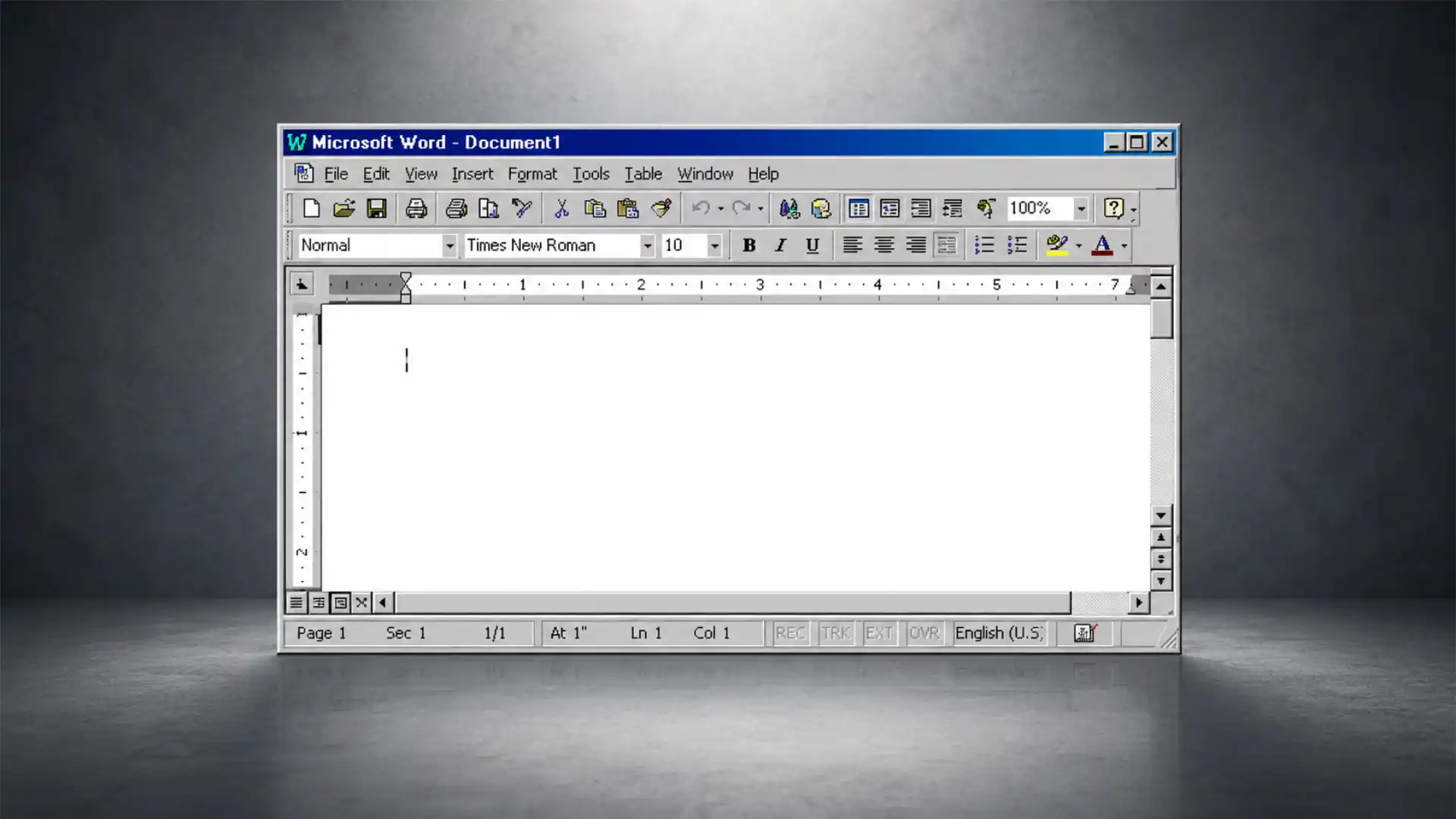
Software used to enter a business or home as a thing. A box arrived from a shop shelf, a reseller, a mail-order catalogue, or an IT supplier. Inside were disks or a CD-ROM, a printed manual, a serial number, a registration card, and a promise that the program would run on the machine listed on the packaging. The sale felt clean because the object was visible. The buyer paid once, installed once, and expected the program to remain usable until the computer, operating system, or work habits changed.
Table of Contents
The software sale has changed from object to obligation
That model did not disappear in a single break. It was replaced layer by layer. The timeline of software sales is a timeline of shifting control: from physical possession, to license permission, to upgrade contracts, to cloud access, to recurring subscription and usage-based billing. Each step changed not only pricing, but accounting, procurement, support, security, and the practical meaning of ownership.
The modern buyer now sees several models at the same time. Microsoft still sells Office 2024 as a one-time purchase for one PC or Mac, while Microsoft 365 is sold as a recurring subscription with cloud storage, collaboration, security features, and AI-linked services. Microsoft’s own product page says Office 2024 does not include the services that come with Microsoft 365, and that one-time purchases do not include an upgrade path to the next major version.
The same split appears across the market. Some vendors keep perpetual or one-time options alive for specific users. Others offer subscriptions with a fallback right to use an older version. JetBrains, for example, describes a “perpetual fallback license” inside its subscription system, allowing use of a particular software version after the active subscription ends while requiring renewal for newer versions.
At the other end, large vendors now report subscription revenue as the core of their business. Adobe’s fiscal 2025 annual report shows subscription revenue of $22.904 billion out of total revenue of $23.769 billion, meaning subscription sales made up 96 percent of Adobe’s reported revenue for that fiscal year.
The news value is not that subscriptions exist. The real story is that the old software sale has been unbundled. Buyers still pay for code, but they also pay for updates, cloud storage, AI credits, identity systems, compliance tooling, collaboration spaces, support, uptime, and the right to keep using files in formats controlled by the vendor. A software purchase is now often a continuing relationship, not a completed transaction.
The boxed era made software feel owned
The boxed era of software sold a simple idea: buy the package, install the program, use it. The physical box mattered because it made an intangible product behave like a consumer good. The packaging gave software a shelf identity. Retail stores could display operating systems, office suites, games, tax software, design programs, antivirus tools, encyclopedias, and utilities next to one another. The box created trust before the internet made direct downloads routine.
The early personal-computer software market relied on physical media because bandwidth, storage, and distribution networks were limited. Software shipped on floppy disks, then CD-ROMs, then DVDs. A printed manual often acted as both documentation and proof of seriousness. A certificate of authenticity or serial number created the legal gate between an authorized copy and a pirated one.
The model worked because it matched the computer habits of the time. A home user might buy a word processor and run it for years. A small business might buy accounting software, keep its data on a local hard drive, and upgrade only when tax rules, hardware, or operating systems made the old version painful. A design studio might buy a high-priced creative suite and treat it as equipment. The software was not legally “owned” in the same way as a chair or printer, but the buyer’s daily experience felt close to ownership.
The economics were lumpy. Vendors depended on launch cycles, paid upgrades, retail inventory, reseller margins, and marketing pushes. A major release had to be big enough to persuade users to pay again. The boxed model rewarded version jumps, not continuous improvement. If a vendor wanted fresh revenue from an existing customer, it needed a new edition, a compatibility issue, a required format change, or a feature set strong enough to make the previous version feel old.
That shaped product design. Many programs accumulated large “release headline” features because the upgrade box needed a reason to exist. Users often skipped versions. A business might buy version 4, ignore version 5, and wait for version 6. Vendors could not count on the same buyer paying every year unless the customer bought maintenance, support, or a larger enterprise contract.
The boxed sale also produced a clear psychological line between buying and using. Once the installation succeeded, the vendor had limited visibility into what happened next. There might be registration, activation, or support contact, but the software usually ran locally. Offline use was normal. The vendor could not easily turn the product into a service without changing the architecture, the license, and the buyer’s expectations.
That is why the end of the box mattered. The box was not just packaging. It was the symbol of a commercial settlement: pay now, use locally, decide later whether to upgrade. When software moved away from boxes, the industry began to renegotiate that settlement.
Perpetual licenses separated possession from ownership
The old phrase “buy software” was always imprecise. Most commercial software buyers bought a license, not the underlying code. A perpetual license usually meant the customer received the right to use a specific version indefinitely under the vendor’s terms. It did not mean the buyer owned the intellectual property, could copy the software freely, could resell it without limits, or could demand future upgrades.
Still, perpetual licensing gave buyers a real form of practical control. If the program was installed, activated, and compatible with the machine, it could often keep running after the vendor stopped marketing it. That mattered for professionals who did not want their work tools to depend on a monthly payment. It mattered for regulated businesses that wanted predictable environments. It mattered for schools, local governments, studios, workshops, and small firms with long equipment cycles.
Perpetual licensing turned software into a capital-like purchase, even when the legal contract said the buyer only received usage rights. The difference was not academic. A perpetual license often sat on the buyer’s books and in procurement records as a purchase tied to a machine or user. A subscription became an operating expense tied to renewal, headcount, seats, or usage.
The perpetual model also created a durable secondary vocabulary: seat, activation, license key, concurrent user, site license, volume license, maintenance, upgrade protection, support entitlement. These terms still matter because subscription software did not erase licensing. It changed the way licensing is packaged. A Microsoft 365 or Adobe Creative Cloud seat is still a license in everyday procurement language, but the license now expires without payment and often includes cloud-connected services.
Perpetual licenses had weaknesses. They could leave users on unsupported software. They could fragment installed bases across many versions. They could make security patching slow because some customers refused to upgrade. They could produce support costs for old editions that no longer generated fresh revenue. Vendors had to maintain compatibility with users who paid once years earlier.
For buyers, perpetual licenses also created hidden risks. A one-time purchase did not guarantee that the software would run on future operating systems. It did not guarantee security fixes forever. It did not guarantee compatibility with file formats created by newer versions. It did not protect against activation-server shutdowns unless the vendor provided a workaround. The license felt permanent, but the surrounding environment was not.
The subscription shift exploited those weaknesses. Vendors argued that recurring payment funded continuous updates, security work, cloud services, and cross-device features. Buyers saw the upside, especially when old boxed software became incompatible or unsafe. The trade was real. The problem was that the trade also moved bargaining power. A perpetual-license user could skip a release. A subscription user must either renew, migrate, or lose access to current tools.
Shrink-wrap economics and retail shelves shaped software culture
The term “shrink-wrapped software” described more than packaging. It described a business model built around standardized products sold at scale through retail and distribution channels. The software did not need a custom project for each buyer. It could be produced once, copied many times, and sold through stores, catalogues, enterprise resellers, and later online shops.
That model gave software unusually high gross-margin potential. After development, manufacturing another physical copy was cheap compared with the price of the product. But distribution was not free. Retail margins, packaging, inventory risk, returns, printed manuals, logistics, and marketing campaigns all shaped the final price. The box had to justify shelf space.
Software categories developed around this channel. Office suites, desktop publishing tools, antivirus programs, drawing applications, personal finance products, games, utilities, educational software, and operating-system upgrades all became retail categories. Retail also made software comparable. A customer standing in a store could compare prices, feature lists, platform requirements, and brand promises.
The shelf created winner-take-most effects. A strong brand gained visibility; visibility drove sales; sales justified more retail presence. Smaller vendors had to fight for attention. Shareware, freeware, magazine cover disks, and bundled software emerged partly as alternatives to retail scarcity.
The boxed era also created a certain kind of user confidence. The buyer had an installer. The buyer could keep the disk. The buyer could reinstall after a crash, assuming the serial key survived. A company could place installation media in a cabinet and treat it as part of its IT assets.
The boxed model trained customers to think that software value was concentrated at the moment of purchase. The subscription model trained them to think value should arrive during the whole term. That difference still drives arguments about price. A user who opens Photoshop every day may accept a monthly plan. A user who edits a few images a year may feel trapped by the same plan. A business with compliance needs may value constant updates. A small shop with stable workflows may resent paying forever for features it did not request.
Shrink-wrap economics also made piracy a central industry concern. Physical copies were easy to duplicate once media and serials spread. Activation systems, dongles, and license audits followed. Subscription software did not eliminate piracy, but it changed the enforcement surface. Instead of mainly guarding disks and serial numbers, vendors could authenticate users against accounts, payment status, device limits, cloud APIs, and entitlement systems.
That technical shift helped move the industry away from the box. Once software depended on an account anyway, the business model could move from sold copy to recurring access.
Enterprise licensing turned one-time purchases into contracts
Consumer software made the box visible, but enterprise software pushed the sale toward contracts much earlier. Large companies rarely bought mission-critical software the way a home user bought a boxed program. They negotiated seats, support, maintenance, deployment rights, upgrade paths, audits, training, professional services, data terms, and liability limits.
This enterprise layer is the bridge between boxed software and subscriptions. A company might buy perpetual server software but also pay annual maintenance. It might buy desktop licenses under a volume agreement. It might standardize on one vendor through a multi-year contract. The upfront license created the right to use the program, while maintenance created the right to patches, support, and often new versions during the coverage period.
Enterprise software taught vendors that recurring revenue could be attached to a product before the product became cloud software. Maintenance contracts normalized yearly payment. Support contracts normalized service obligations. Volume agreements normalized centralized entitlement management. License audits normalized the idea that software use was monitored and enforceable.
For buyers, enterprise licensing offered discounts and control, but it also made software procurement more complex. The real cost was no longer the product list price. It included implementation, training, integration, support, compliance, database licenses, server infrastructure, storage, backup, security reviews, and migration risk. A perpetual license could be only the opening cost.
That complexity made subscriptions attractive to finance teams and vendors for different reasons. Finance teams liked predictable periodic charges, easier scaling by seat, and less hardware ownership. Vendors liked recurring revenue, better forecasting, account visibility, and more chances to expand customer spending over time.
The enterprise world also softened the ideological shock of SaaS. Many CIOs were already used to paying every year. The change was not from “free after purchase” to “pay forever.” It was from “own and maintain local systems under contracts” to “subscribe to vendor-run services.” The new debate centered on data location, uptime, integration, lock-in, security, and exit rights.
Salesforce is one of the clearest examples of the subscription-first enterprise model. Its investor materials show how the market now values recurring enterprise relationships. Salesforce reported fiscal 2026 revenue of $41.5 billion and remaining performance obligations of $72 billion, a metric that points to contracted future revenue rather than one-off product sales.
That language would have sounded alien in the boxed retail era. The value of a software company is now tied less to how many boxes it can sell this quarter and more to how much contracted revenue it can retain, renew, and expand.
Maintenance and upgrades softened the break with the old model
Before subscriptions became the default, maintenance plans did much of the same commercial work. They let vendors collect recurring revenue from customers who still wanted perpetual licenses. The buyer kept the right to use a version, while maintenance added upgrades, fixes, and support. In practice, the buyer paid yearly to keep the license alive as a current business asset.
Maintenance was especially common in professional and enterprise software. CAD, engineering, database, ERP, design, security, and developer tools often paired a large license price with an annual maintenance fee. This helped vendors avoid the boom-and-bust cycle of major releases. It also gave customers access to new versions without separate purchase approvals every time.
Maintenance changed customer expectations. If a company paid yearly, it expected updates. If a vendor released frequent fixes, customers expected an active relationship. Once that expectation existed, the vendor could argue that subscription was a cleaner version of the same arrangement: no separate perpetual license, no maintenance renewal, one recurring entitlement.
The problem was that maintenance preserved a fallback right. If the customer stopped paying maintenance, the perpetual license often remained usable, though unsupported and frozen. That gave buyers negotiating leverage. A company could delay renewal, run the old version, or migrate slowly. A subscription removes or narrows that fallback unless the vendor offers a special arrangement.
Autodesk’s transition shows the commercial logic. In 2015, Autodesk told investors that it would stop selling perpetual licenses for most individual products after January 31, 2016, with new licenses available as subscriptions, and described the move as part of a wider shift of its product portfolio to subscription-based offerings.
That kind of move did not merely change invoices. It changed the customer’s exit position. A user with a perpetual AutoCAD license and maintenance could choose not to renew maintenance and keep using the installed software. A new subscription customer has a different bargain: access continues while the subscription is active.
Maintenance was the stepping stone because it made yearly payment normal while keeping perpetual rights visible. The market tension today comes from the removal of that visible right. Buyers remember that older software could survive a missed renewal. Vendors prefer a model where missed renewal ends access to current functionality, services, and sometimes the installed application itself.
The shift also affected resellers. Many software resellers built businesses around license sales, renewals, support, and implementation. Subscriptions changed revenue timing, partner incentives, customer touchpoints, and renewal management. Instead of selling a large license and returning at upgrade time, partners began managing subscription adoption, usage, security settings, seat counts, and renewal risk.
Download stores moved software away from the shelf
The first major break with boxed software did not require SaaS. It required reliable downloads. Once buyers trusted direct download and broadband became common, the physical box lost its practical role. The software could still be sold as a perpetual license, but distribution moved online.
This shift changed margins and speed. Vendors no longer needed to manufacture discs for every buyer. Updates could arrive faster. Trial versions became easier to distribute. Smaller developers gained direct access to customers without fighting for retail shelf space. Software marketing moved from packaging and magazine reviews to websites, search, email, forums, affiliate links, and later app stores.
Download distribution also made activation and account systems more central. A buyer might still pay once, but the vendor could manage the license through an online account. That created a new technical pathway to subscriptions. Once the account held the entitlement, the vendor could change the entitlement from “version 3 forever” to “current version while paid.”
Digital distribution also changed user habits around installation. The box was no longer the archive. The vendor’s website, account portal, or store became the archive. Users grew used to reinstalling from a download page rather than a disk. That made convenience dependent on the vendor’s continued support for old versions.
Steam offers a clear example in gaming. It began as a digital distribution and update system and helped normalize account-based access, automatic updates, and large-scale software delivery without physical media. Wired reported in 2003 that Valve planned to offer Half-Life 2 online through Steam on release day as well as in retail stores, a move seen at the time as an early test of direct digital distribution for a major game.
Digital stores did not immediately mean subscriptions. Many users bought perpetual game licenses, one-time apps, and downloadable desktop tools. The deeper change was control. The store mediated discovery, payment, updates, refund policies, device rights, account status, and sometimes content moderation. The sale moved into a platform.
Once software became platform-distributed, the buyer’s relationship shifted from “I have the installer” to “my account has the entitlement.” That made recurring billing, in-app purchases, upgrades, trials, freemium tiers, and usage add-ons easier to introduce. It also made vendors and platforms more powerful gatekeepers.
The download era was the hinge. It kept much of the old pricing language while preparing the mechanics of the new model. The user clicked “buy,” but the product was increasingly governed through an account that could be updated, restricted, expanded, or converted.
Mobile app stores changed pricing expectations
Apple’s App Store added another step in the timeline. When it launched in July 2008, it turned software buying into a pocket-scale habit: browse, tap, install, update. Apple said iPhone and iPod touch users downloaded more than 10 million applications in the App Store’s first weekend after launch.
The App Store did not invent digital software sales, but it changed consumer expectations. Software became cheaper, smaller, more frequent, and more tightly tied to a platform account. Many apps launched as free or low-cost products. Paid upgrades were difficult under early app-store conventions, so developers experimented with in-app purchases, ads, freemium plans, and later subscriptions.
Apple’s own 10-year App Store retrospective notes that the store launched on July 10, 2008 with 500 apps. That launch helped turn software from an occasional purchase into a constant layer of daily life. Apps were no longer only productivity tools or packaged programs. They became services, storefronts, games, media clients, banking interfaces, maps, cameras, health logs, messaging tools, and workplace portals.
Mobile also changed the update norm. A user expected apps to update often, sometimes automatically. Bug fixes, interface changes, security patches, and feature experiments arrived through the store. This made the idea of a frozen version feel less natural to many consumers. If the app was tied to a cloud service, the installed code was only one piece of the product.
That created pressure on desktop software. Users who grew used to mobile updates began expecting software to improve without major paid upgrades. Developers still needed revenue. The subscription model offered one answer: charge less upfront, keep charging during use, and fund ongoing work through recurring payments.
Mobile app stores also made platform fees and policies central to software economics. Developers had to build around store commissions, payment rules, subscription terms, refund processes, review systems, ranking algorithms, and user-acquisition costs. A boxed software vendor negotiated with retailers. A mobile software vendor negotiated with platform policy.
The app-store era trained users to accept account-based software, automatic updates, small recurring charges, and cloud-linked features. It also trained users to feel subscription fatigue when every narrow tool wanted a monthly payment. The same mechanism that made software easier to install made pricing harder to evaluate over time.
This tension now reaches back into desktop and professional software. A creative tool, accounting package, developer environment, antivirus product, password manager, note app, or PDF editor may no longer ask for a one-time purchase. It may ask the user to join a plan.
SaaS made access the product
Software as a Service changed the object of the sale. The customer no longer primarily bought a local copy. The customer bought access to an application running on the provider’s infrastructure. NIST defines SaaS as the capability to use the provider’s applications running on cloud infrastructure, accessible through client devices such as a browser or program interface, with the consumer not managing the underlying infrastructure.
That definition explains the business shift. In SaaS, the vendor operates the environment. The vendor handles hosting, scaling, uptime, data storage, backups, patching, identity integration, and often security controls. The customer pays for access, configuration, and service performance rather than a standalone copy.
This model fits many business needs. Teams want shared data, real-time collaboration, remote access, single sign-on, audit logs, integrations, and mobile availability. A local boxed application struggles to deliver those features by itself. A cloud application makes them native.
SaaS also changes vendor incentives. A boxed vendor could be paid before the user succeeded. A SaaS vendor must keep the user active enough to renew. That pushes companies to track usage, engagement, churn, expansion, seat adoption, and customer health. The best version of this model ties vendor revenue to continuing customer value. The worst version traps users through data lock-in, file formats, cancellation friction, or workflow dependency.
SaaS shifted software from “installed capability” to “operated service.” The code still matters, but the commercial promise now includes availability, identity, storage, updates, compliance, and integrations. The user does not merely ask whether the program is good. The user asks whether the vendor can be trusted to run the system.
This trust question is now central. A local perpetual application could fail because of compatibility or lost media. A SaaS application can fail because of outages, account lockouts, billing disputes, API changes, data-access issues, security incidents, or vendor policy shifts. The risk profile changed.
SaaS also rewrote procurement. Instead of one installation project followed by long local use, companies face ongoing vendor management. They must review data-processing terms, security certifications, service-level commitments, regional hosting, retention policies, export rights, user provisioning, admin controls, and renewal clauses. The “software buyer” is now often a group: IT, security, legal, finance, operations, procurement, and business users.
The recurring price is only one part of the model. SaaS turns the vendor into a service provider. That can be better for users when the service is reliable and improving. It can be worse when the customer loses the practical ability to leave.
Office 365 proved productivity software could be rented at scale
Microsoft’s move was central because Office was one of the most familiar examples of boxed and perpetual desktop software. Microsoft Office had trained generations of users to think of productivity software as a versioned purchase: Office 95, Office 97, Office 2000, Office 2003, Office 2007, Office 2010. Businesses planned migrations. Home users bought a box or received Office with a PC. Upgrades were events.
Office 365 changed that rhythm. Microsoft launched Office 365 globally on June 28, 2011, describing it as a cloud service that brought together Office, SharePoint Online, Exchange Online, and Lync Online in an “always-up-to-date” service with a predictable monthly subscription.
That phrase marked a new proposition. The customer was not only paying for Word, Excel, and PowerPoint as local applications. The customer was paying for email, collaboration, identity-linked services, updates, and cloud infrastructure. For businesses already managing Exchange servers and SharePoint deployments, the subscription offered a different operational model.
Microsoft did not abandon one-time Office entirely. Office Home 2024 remains available as a one-time purchase for one PC or Mac, while Microsoft 365 is sold through monthly or yearly plans. The contrast is visible on Microsoft’s own pages: Office 2024 offers classic desktop apps without Microsoft 365 services, while Microsoft 365 Personal is listed at monthly and yearly subscription prices.
The financial direction is clear. Microsoft’s 2025 Annual Report says Productivity and Business Processes revenue rose 13 percent, driven in part by Microsoft 365 Commercial cloud, while Microsoft 365 Consumer cloud revenue grew with subscriber growth to 89 million consumer subscribers. It also notes transactional purchasing connected to the launch of Office 2024, showing that both models still exist, but cloud subscriptions drive much of the growth.
Microsoft’s strategy shows the modern hybrid model: keep a one-time product for buyers who need it, but make the subscription the richer, more current, more connected, and more strategically central offer. This is not accidental. The subscription has more surfaces for expansion: storage, security, Teams, Copilot, admin controls, compliance, device management, and enterprise bundles.
For buyers, the choice is no longer only price. A one-time Office purchase may be enough for offline documents on one machine. A subscription may make sense for multi-device access, collaboration, storage, family sharing, business identity, or AI features. The sale has become a question of workflow architecture.
That is why Office remains a useful timeline marker. It links the boxed past, the perpetual present, and the subscription future in one product family.
Adobe made the subscription shift visible to creators
Adobe’s shift became the public symbol of the subscription turn because creative professionals had long treated Adobe applications as core tools. Photoshop, Illustrator, InDesign, Premiere Pro, After Effects, and Acrobat were not casual apps for many buyers. They were production equipment, file-format gateways, professional standards, and business dependencies.
In May 2013, Adobe announced that future Creative Suite development would move to Creative Cloud. Contemporary coverage framed it as the end of boxed versions of Photoshop, InDesign, and the rest. Ars Technica wrote that Adobe’s Creative Suite was “dead” and that the change marked the end of the line for boxed versions. DPReview reported that Adobe would no longer develop its Creative Suite range, leaving Creative Cloud as the path for future versions.
The reaction was intense because the change affected control. A designer who once bought a perpetual Creative Suite license could decide when to upgrade. Under Creative Cloud, the current applications were tied to subscription status. Adobe argued that subscriptions allowed more frequent updates and broader access to the suite. Many users worried about lifetime cost, cancellation, file access, offline work, and dependence on one vendor.
The financial result shows why vendors found the model attractive. Adobe’s fiscal 2025 10-K shows total subscription revenue of $22.904 billion and product revenue of only $325 million. Subscription revenue accounted for 96 percent of total revenue in that report.
Adobe proved that a major desktop-software company could replace much of its old paid-upgrade economy with recurring revenue and become more predictable to investors. That success became a reference point for the wider software market. If high-end creative tools could move to subscription, so could CAD tools, accounting tools, developer tools, productivity suites, security software, and niche professional applications.
The Adobe case also revealed the risk of subscription trust. In 2024, the Federal Trade Commission sued Adobe and two executives, alleging hidden early termination fees and cancellation hurdles in subscription plans. The FTC’s press release said the agency acted against Adobe over fees and cancellation practices, while Adobe disputed the allegations.
That regulatory episode matters beyond Adobe. It shows that software subscriptions are no longer treated only as a pricing preference. They are now part of consumer-protection scrutiny. When access depends on recurring payment, the clarity of sign-up terms, renewal terms, cancellation paths, and early termination fees becomes part of the product’s trustworthiness.
Adobe’s timeline therefore carries two lessons. Subscriptions can fund continuous development and create powerful recurring businesses. They can also create resentment if customers feel the vendor has replaced a product relationship with a trap.
Autodesk turned specialist tools into recurring access
Autodesk’s transition matters because CAD and design software sits inside long professional workflows. Architects, engineers, manufacturers, construction firms, and product designers often use software across projects that outlive a single version cycle. A licensing change in this category affects budgets, training, file compatibility, compliance, and long-term archive access.
Autodesk told investors in 2015 that it would stop selling perpetual licenses of most individual products after January 31, 2016, with new licenses available as subscriptions. It described the transition of additional suites to subscription as the next step in the shift.
The move showed that the subscription model was not confined to consumer apps or broad productivity suites. It could reshape specialized professional software where buyers had historically accepted high upfront prices. CAD users often had older perpetual licenses, maintenance plans, network licensing arrangements, and established workflows. Moving new customers to subscription changed the economics of entering and staying in the Autodesk ecosystem.
For vendors of specialist tools, subscriptions solve several problems. They reduce revenue volatility. They discourage users from staying on unsupported versions. They create a stronger link between entitlement and identity. They support cloud collaboration, model storage, rendering, simulation, and integrated project platforms. They also allow vendors to bundle adjacent products into named-user plans.
For buyers, the trade depends on use intensity and operational needs. A firm that uses CAD every day may accept recurring cost as part of production overhead. A small contractor, occasional drafter, or independent designer may feel a high recurring cost more sharply than a one-time license. A company that needs the latest file compatibility may have little practical choice.
Autodesk’s timeline shows the subscription shift at its most industrial: not a convenience app asking for a monthly fee, but a core production environment moving from permanent purchase to renewable access. This is where debates about “renting tools” become serious. The software controls drawings, models, standards, and client deliverables.
Specialist-software subscriptions also affect archives. Long-lived projects require access to old files. If a subscription lapses, the buyer may still need to open, export, audit, or revise work from previous years. Good vendors address this through viewers, export formats, version policies, and data-access terms. Weak exit design turns subscription software into a retention device.
Autodesk’s move also influenced other vertical markets. Once CAD moved, the argument for subscription in engineering, design, architecture, construction, and manufacturing became easier for vendors to make. The question shifted from whether professional software could be sold this way to which access terms would be acceptable.
Accounting software shows desktop products fading without disappearing
Accounting software gives a different view of the timeline because buyers often care deeply about data location, compliance, habit, and trust. A small business may use the same bookkeeping workflow for years. An accountant may support many clients on desktop files. A cloud product may be useful, but migration is not always simple.
Intuit’s QuickBooks history shows the messy middle between desktop and cloud. QuickBooks Online is sold as subscription software, with Intuit’s pricing page stating that QuickBooks Online is subscription-based and billed monthly or annually. QuickBooks Desktop Enterprise is also sold as a subscription product, with plans charged monthly or annually until cancellation.
At the same time, the desktop product category has not vanished at once. Intuit’s support page says QuickBooks Desktop is not available to new subscribers in the United States and that the deadline to purchase a new subscription was September 30, 2024. Intuit’s Firm of the Future update said the company would no longer sell new subscriptions of several QuickBooks Desktop products after that date.
This pattern is common. Vendors do not always shut down desktop software overnight. They stop selling new licenses, limit new subscriptions, keep support for existing customers, move development to cloud products, and use pricing or policy to guide users toward the new platform. The end of one-time software often arrives as a stop-sell, not a dramatic shutdown.
For accounting users, the subscription question is not only cost. It touches data sovereignty, internet dependency, accountant-client collaboration, payroll updates, tax tables, bank feeds, multi-user access, backups, and audit trails. Desktop software gives local control, but cloud software gives shared access and service-linked automation. Neither model wins every scenario.
Accounting also exposes a recurring contradiction. Vendors often argue that cloud subscriptions are better because rules, integrations, and security needs keep changing. Users reply that they do not want core records locked behind rising fees or product changes. Both claims contain truth. Financial software needs updates, but financial data also has long memory.
The QuickBooks example is a warning for buyers of any professional software. If a vendor begins shifting new sales to subscription, older desktop or perpetual versions may remain usable for a time but lose strategic priority. Training, integrations, support resources, third-party add-ons, and future compatibility may drift toward the subscription product.
A one-time purchase is therefore not only a purchase decision. It is a bet on the vendor’s willingness to keep the old model alive long enough for the buyer’s needs.
Current market is subscription-first but not subscription-only
The present software market is not a clean subscription monopoly. It is subscription-first. One-time purchases, perpetual licenses, fallback licenses, open-source alternatives, freemium tiers, paid upgrades, marketplace purchases, lifetime deals, maintenance contracts, and hybrid plans all still exist. The difference is that major vendors increasingly reserve the richest roadmaps for recurring customers.
Microsoft still sells Office 2024 as a one-time purchase, but its subscription pages place Microsoft 365 at the center of consumer and business productivity. Adobe’s revenue is overwhelmingly subscription-based. Autodesk moved new product licensing toward subscription. Salesforce was born as a subscription cloud company. Intuit has pushed many customers toward subscription and cloud products. The direction is consistent even where exceptions remain.
Gartner’s 2026 IT spending forecast gives the macro backdrop. Gartner projected worldwide IT spending to reach $6.15 trillion in 2026, with software spending among the growth areas even after forecast revisions. A later Business Wire release citing Gartner’s forecast raised the total to $6.31 trillion for 2026, driven by AI infrastructure and software momentum.
The software market’s growth matters because subscription models change how that spending behaves. A one-time software purchase creates a spike. A subscription creates a base. Vendors then add seats, premium tiers, storage, AI credits, compliance modules, support levels, and usage charges. The customer’s software budget becomes a recurring portfolio rather than a periodic upgrade project.
Timeline of software sales models
| Period | Dominant sales pattern | Buyer experience | Vendor incentive |
|---|---|---|---|
| 1970s–1980s | Bundled, custom, early packaged software | Software tied to hardware, services, or disks | Establish categories and distribution |
| 1990s | Boxed retail and perpetual desktop licenses | Pay once, install locally, upgrade later | Win shelf space and sell major versions |
| 2000s | Downloads, activation, volume licensing, maintenance | Account-based installs and annual support | Reduce piracy and smooth revenue |
| 2008 onward | App stores and cloud accounts | Tap-to-install, frequent updates, platform billing | Build marketplaces and recurring channels |
| 2010s | SaaS and subscription suites | Monthly or annual access, cloud collaboration | Grow recurring revenue and usage data |
| 2020s | Subscription, hybrid fallback, AI and usage bundles | Plans, credits, renewals, admin controls | Expand ARPU through services and AI |
The table compresses a messy history. No period fully replaces the previous one; each new model sits on top of the older one and changes what buyers expect from it. A boxed-license mindset still appears whenever users ask for permanent access. A SaaS mindset appears whenever teams expect live collaboration and instant updates.
The subscription-first market is also uneven by category. Consumer note apps, password managers, design tools, accounting platforms, antivirus products, and productivity suites often ask for recurring payment. Games use mixtures of one-time purchases, subscriptions, downloadable content, season passes, microtransactions, and platform libraries. Developer tools range from open source to subscriptions with fallback rights. Enterprise platforms use seats, usage, annual contracts, and negotiated terms.
The result is a fragmented present. Buyers should not ask only “subscription or one-time?” They should ask what happens to files, workflows, integrations, support, security, and data if payment stops.
One-time software still exists, with tighter limits
The one-time purchase has not disappeared because not every software need justifies a recurring plan. A local utility, a niche creative tool, a single-player game, a desktop editor, an offline reference product, or a stable professional application may still work as a one-time sale. Some vendors use one-time pricing as a competitive difference against subscription fatigue.
The modern one-time purchase, though, is usually narrower than its boxed predecessor. It may apply to one user, one platform, one device, one major version, or one year of updates. It may exclude cloud sync, collaboration, AI features, mobile access, team management, advanced support, or future upgrades. It may require online activation. It may depend on the vendor’s account servers.
Microsoft’s Office 2024 page illustrates this narrower design. It describes a one-time purchase installed on one PC or Mac and says one-time purchases do not have an upgrade option, so a buyer who wants the next major release must buy it at full price.
Sketch offers another example of market coexistence. Its pricing page tells users to pick a subscription or one-time license after a free trial. That positioning treats one-time licensing as part of a mixed product strategy rather than the default for every user.
The one-time purchase now often means “local core product without the full service layer.” That can still be valuable. A user who wants offline work, stable features, and no monthly charge may prefer it. A team that needs real-time collaboration, cloud documents, admin controls, and version history may find the subscription more practical.
This split changes product messaging. Vendors no longer simply sell “standard” and “professional” editions. They sell modes of relationship. The perpetual or one-time buyer gets bounded rights. The subscriber gets a live service. The cloud customer gets shared infrastructure. The enterprise customer gets governance, support, and compliance.
One-time software also survives through open-source ecosystems. Open-source licensing is not the same as one-time commercial purchase, but it gives users a different kind of control: access to source code, community maintenance, self-hosting options, and reduced dependence on one vendor’s recurring billing. Many commercial buyers now compare subscription products against open-source substitutes, not only against perpetual commercial alternatives.
Lifetime deals also persist, especially among smaller vendors. They can bring early cash, attract users tired of subscriptions, and create marketing urgency. But lifetime pricing carries a risk: if the vendor’s costs continue, a one-time payment may not fund long-term support. Buyers should read what “lifetime” means: lifetime of the product, company, version, account, or plan.
Licenses now describe rights more than objects
The word “license” survived every stage of the timeline because software is governed by rights, not physical scarcity. A boxed disk was never the product in full. It was a delivery mechanism for rights to run code under conditions. The difference today is that the rights are more visible, more granular, and more actively enforced.
A modern software license may define user type, device count, geographic rights, commercial use, educational use, team sharing, cloud storage, data processing, AI training exclusions, audit access, API limits, support levels, uptime credits, renewal rules, cancellation rules, export formats, and post-termination access. The license is no longer hidden behind the box. It is the commercial architecture of the product.
This matters because buyers often use “ownership” language where the contract uses “permission” language. A user may say, “I bought the software.” The contract may say the user bought a revocable, non-transferable, limited license subject to terms. A subscription makes that gap harder to ignore because payment status directly affects access.
The modern software sale is a bundle of permissions, not a transfer of property. This has always been legally true for much proprietary software, but it is now operationally true as well. The vendor’s servers, identity systems, and billing platform can enforce what the contract says.
This enforcement can benefit customers when it prevents license chaos. A company can provision and deprovision users quickly. A lost laptop does not mean a lost license. Admins can see who has access. Security teams can revoke accounts. Finance can reduce unused seats. For large organizations, license governance is a serious advantage.
The same enforcement can frustrate customers when it limits ordinary use. A freelancer may change machines and hit activation limits. A user may lose access during a billing dispute. A team may discover that a feature moved to a higher tier. A customer may be unable to open a project without renewing. These are not edge cases; they are the lived details of account-based software.
The license also shapes competition. A vendor with a dominant file format can make subscription more powerful because users need the application to edit existing work. A vendor with easy export and open formats gives users more freedom to leave. Buyers should judge a license not only by price, but by exit.
The old box hid these questions under the comfort of possession. The subscription model exposes them. That exposure is useful if buyers respond by reading terms, negotiating rights, and testing export paths before they are locked in.
Revenue recognition changed the way software companies report the sale
Accounting rules do not decide product strategy by themselves, but they shape how software companies describe revenue. A perpetual license, a term license, support, updates, hosting, professional services, and usage fees may be recognized differently. Investors care about timing. Vendors care about predictability. Buyers feel the result through pricing and packaging.
IFRS 15 sets principles for recognizing revenue from contracts with customers, including the nature, amount, timing, and uncertainty of revenue and cash flows. It says revenue should depict the transfer of promised goods or services in an amount reflecting the consideration the entity expects for those goods or services.
For software, the difference between a license and a service is central. A license may give a customer the right to use intellectual property at a point in time or over time, depending on the contract. A SaaS arrangement usually involves ongoing service delivery. Support and updates may be separate performance obligations. Professional services may be distinct or bundled. Usage-based fees add another layer.
This accounting detail affects business narratives. A vendor that sells a large perpetual license may recognize more revenue upfront if the contract qualifies. A SaaS vendor recognizes subscription revenue over the service period. That makes SaaS revenue smoother, more recurring, and often more attractive to investors once the company reaches scale.
Adobe’s reporting shows how strongly this has become part of the market language. Its 2025 10-K separates subscription, product, and services revenue, with subscription revenue dominating the business. Microsoft reports product and cloud services growth across segments, and Salesforce reports remaining performance obligations as a measure of contracted future revenue.
The subscription model turns software companies into renewal businesses in the eyes of accounting, investors, and management. Management then builds around retention, churn reduction, expansion, seat growth, tier upgrades, and customer lifetime value. Product decisions follow those metrics.
This is why users sometimes feel that software companies keep adding plan complexity. The company is not only trying to sell a tool. It is trying to segment willingness to pay, raise average revenue per account, and create expansion paths. AI credits, storage tiers, premium collaboration, admin controls, and security modules become monetization layers.
Accounting also changes buyer scrutiny. A procurement team should not look only at first-year discounts. It should model multi-year cost, renewal uplift, minimum commitments, true-up rules, unused seats, service dependencies, and exit costs. The vendor’s revenue predictability often comes from the customer’s obligation.
Subscription metrics became the language of investors
The software industry’s vocabulary changed with the revenue model. In the boxed era, investors cared about launch success, unit sales, channel inventory, upgrade cycles, and product margins. In the subscription era, they care about annual recurring revenue, net retention, churn, remaining performance obligations, customer acquisition cost, payback period, seat growth, average revenue per user, and expansion.
These metrics reward different behavior. A company built around unit sales wants strong launches. A company built around recurring revenue wants durable usage and renewal. It may invest more in onboarding, customer success, analytics, support, and product telemetry. It may also push harder to prevent downgrades and cancellations.
Salesforce is a mature example. Its public financial communication highlights revenue, remaining performance obligations, and growth tied to future contracted revenue. Microsoft’s annual report highlights Microsoft 365 Commercial cloud revenue growth, seat growth, revenue per user, and consumer subscriber growth. Adobe highlights subscription revenue, annual recurring revenue, and subscription strength across customer groups.
Investor language has moved from “how many copies did you sell?” to “how much revenue will renew?” That shift is one reason subscriptions spread even into categories where users prefer buying once. The market rewards predictability. Predictability raises valuation. Higher valuation funds acquisitions, hiring, AI infrastructure, and shareholder returns. The model reinforces itself.
Subscription metrics can make products better when they force vendors to earn renewal. A bad boxed product could still produce revenue at launch. A bad SaaS product loses users every month. Renewal pressure can discipline a vendor.
But the same metrics can create customer-hostile behavior. A company obsessed with retention may make cancellation hard, bundle features to prevent downgrades, restrict data export, or design pricing so customers overbuy seats. A company chasing expansion may move existing features into higher tiers. A company trying to raise ARPU may add AI features and increase prices even when users did not ask for them.
This does not make subscription metrics inherently bad. It means buyers should understand the vendor’s incentives. When a vendor reports net retention above 100 percent, some of that growth may come from customers gaining more value. Some may come from price increases, seat expansion, or packaging changes. The metric alone does not reveal the customer experience.
For news analysis, this is the core point: subscriptions are not simply payment plans. They are the financial operating system of modern software companies. Once that system is in place, product strategy bends toward renewal and expansion.
Buyers gained updates but lost quiet ownership
The subscription model has a real buyer benefit: current software. Users no longer need to wait years for major releases. Security fixes, compatibility updates, collaborative features, cloud sync, and new tools can arrive during the term. For businesses, staying current reduces some operational risk.
The old quiet ownership had costs. Users stayed on outdated applications. Old file formats caused problems. Unsupported software became security risk. IT teams carried old installers and special machines. A business could save money by skipping upgrades, then pay later through migration pain. Subscription vendors point to these costs when they argue for continuous delivery.
The problem is that buyers lost a kind of quiet. A perpetual program could sit on a machine and do its job without asking for attention. A subscription is always alive commercially. It renews, updates, asks for account validation, changes terms, modifies interface patterns, and sometimes adjusts prices. Even when the product improves, the customer relationship becomes noisier.
The trade is not “old bad, new good.” It is “static control” versus “managed currency.” A current subscription is safer and more collaborative in many cases. A static perpetual product is calmer and more predictable in others.
Professionals feel this difference strongly. A designer in the middle of a deadline may not want a new interface. An accountant near tax season may not want a workflow change. A developer may need a stable environment for a long project. Automatic updates can be a feature or a hazard depending on timing, testing, and rollback options.
Businesses respond by creating update policies. Enterprise subscriptions often allow admins to control deployment rings, delay updates, test versions, and manage compatibility. Consumer subscriptions may give less control. The more mission-critical the tool, the more buyers should demand administrative control over update timing.
Quiet ownership also included budget quiet. A buyer paid once, then no invoice arrived until upgrade time. Subscription software creates recurring budget lines. This can help planning, but it also accumulates. Many small charges become a serious annual cost. The buyer must audit unused seats, duplicate tools, forgotten trials, and overlapping subscriptions.
The subscription promise is strongest when the vendor delivers continuous value that the buyer actually uses. It is weakest when the subscription funds a roadmap the buyer does not need, or when the customer pays mainly to preserve access to existing work.
The renewal date became a new point of negotiation
In the boxed era, the strongest negotiation point was purchase or upgrade. In the subscription era, it is renewal. The renewal date is where the customer decides whether to keep paying, reduce seats, change tiers, renegotiate terms, migrate, or accept an increase. Vendors know this, and renewal management has become a discipline.
Enterprise vendors often structure contracts to reduce renewal risk. They may offer discounts for annual or multi-year commitments, bundle products, set minimum seat counts, include auto-renewal clauses, or tie price protection to longer terms. Customers may accept these terms for budget certainty. The cost is reduced flexibility.
Small customers face a different challenge. They may not have negotiation power. They see posted prices, renewal notices, plan changes, and cancellation flows. Their best protection is inventory discipline: know every subscription, renewal date, account owner, payment method, and data-export path.
A subscription is not bought once; it is re-bought at every renewal. Buyers should treat that as a governance event, not an administrative nuisance. The renewal review should ask: Who uses this? Which features are actually used? Are there cheaper tiers? What data would be hard to move? Has the vendor changed terms? Is support acceptable? Is there a credible alternative?
Vendors often rely on inertia. A team builds processes around a tool. Files accumulate. Employees learn the interface. Integrations connect. Billing renews automatically. The switching cost rises. The vendor can then raise prices or change packaging with less fear of churn.
This is the business logic behind software suites. A single tool is easier to replace than an integrated environment. A customer using email, storage, chat, meetings, device management, documents, identity, compliance, and AI from one vendor faces a much heavier renewal decision than a customer using one standalone application.
Microsoft 365 shows this bundling power. Microsoft’s annual report ties growth to seat expansion, revenue per user, and cloud services across commercial and consumer products. The subscription is not only Office. It is an expanding workplace platform.
Renewal power cuts both ways. Customers with disciplined usage data can negotiate better. Vendors know that retaining a good customer is cheaper than replacing one. Enterprise buyers can ask for price caps, data-export commitments, admin controls, audit limits, service levels, security terms, and post-termination access. Smaller buyers can at least avoid annual plans when uncertain and refuse tools that make cancellation unclear.
The renewal date is now the buyer’s main leverage point. Missing it means the vendor’s default wins.
Cancelability and hidden costs became regulatory issues
Subscriptions are easy to start and sometimes difficult to stop. That gap has become a regulatory concern. When software vendors sell recurring plans, the commercial fairness of the cancellation path becomes part of the product experience.
The FTC’s 2024 action against Adobe made the issue visible in the software market. The agency alleged that Adobe hid early termination fees and made cancellation difficult; Adobe disputed the allegations. The case mattered because Adobe is not a fringe subscription seller. It is one of the most influential software companies in the world.
The FTC also announced a final “click-to-cancel” rule in 2024 intended to make it easier for consumers to end recurring subscriptions and memberships. Later legal developments affected that rule’s implementation; Reuters reported in July 2025 that a U.S. appeals court blocked the click-to-cancel rule, saying the FTC failed to follow required procedures.
The regulatory path may shift, but the policy question will not disappear. If software is sold through recurring billing, users need clear sign-up terms, visible renewal terms, simple cancellation, honest trial conversion, and fair disclosure of early termination fees. This is not only consumer protection. It is market hygiene.
A subscription model that depends on friction is a weak model. Strong software should retain users through value, not confusion. Vendors that hide cancellation costs or make exit difficult damage trust in the entire subscription category.
For buyers, the lesson is practical. Before starting a subscription, check whether the plan is monthly, annual paid monthly, annual prepaid, or multi-year. Check whether cancellation stops future billing or triggers an early termination fee. Check whether data export remains available after cancellation. Check whether the vendor deletes data after a retention period. Check whether downgrade paths exist.
Businesses should also monitor employee-started subscriptions. A worker may start a tool with a corporate card, connect company data, and leave. The subscription renews. The account owner disappears. The company later discovers data, invoices, or security exposure. SaaS management emerged partly because subscription software is easy to adopt without central procurement.
Regulation will pressure the worst practices, but buyers still need discipline. Recurring software is convenient because it reduces purchase friction. That same convenience becomes expensive when nobody owns the renewal.
EU digital content rules moved software into consumer-rights law
The European Union’s digital content framework shows another side of the subscription timeline: software is now treated as a continuing consumer relationship, not merely a product sale. Directive (EU) 2019/770 covers certain aspects of contracts for the supply of digital content and digital services. The European Commission’s summary says the directive applies where a trader supplies digital content or digital services and the consumer pays or undertakes to pay a price.
This matters because digital products are not static. A cloud service can change during use. A software subscription may receive updates. A connected product may depend on digital content. A consumer may pay with money or, in some cases under EU digital-content rules, provide personal data in exchange for a service. The old distinction between goods and services becomes harder to maintain.
The EU framework places questions such as conformity, remedies, updates, and digital service supply into consumer law. That is a recognition of reality. If software is updated continuously and delivered as access, the consumer needs rights that match continuing supply.
The legal system is catching up with the business model: when software becomes ongoing access, consumer protection must cover ongoing performance. A broken download, a faulty cloud feature, a missing update, or a non-conforming digital service cannot be handled only as a defective physical box.
For vendors, this raises compliance demands. Terms must align with digital-content rules. Update obligations must be understood. Marketing claims about features, compatibility, and service quality matter. Modification clauses need care, especially where a vendor changes functionality during a subscription.
For buyers, EU-style rules point to a broader principle even outside Europe: software access should come with clear rights around functionality, updates, remedies, and changes. A subscription should not give the vendor unlimited freedom to alter the product while holding the customer to payment.
Digital content law also interacts with device longevity. Many products now depend on software: cars, appliances, phones, medical devices, cameras, industrial equipment, and smart-home systems. The sale of hardware increasingly includes a software-maintenance question. A product can be physically sound and digitally abandoned.
This is part of the same timeline. Software moved from box to service, then into the operation of everyday goods. Licensing, updates, and support are no longer narrow IT issues. They affect consumer rights, repairability, sustainability, and product lifespan.
AI is turning subscriptions into usage bundles
The next stage of software sales is already visible: subscriptions plus metered AI. Many vendors are adding AI assistants, generative features, automation agents, transcription, image generation, code generation, summarization, analytics, and workflow automation. These features often carry real compute costs, especially when tied to large models and cloud inference.
That cost pressure changes packaging. A simple monthly software subscription may not be enough if one user consumes far more AI compute than another. Vendors respond with credits, usage limits, premium plans, add-ons, and enterprise AI tiers. The subscription becomes a base access fee, while AI becomes a metered or semi-metered layer.
Adobe’s current Creative Cloud marketing places generative AI features such as Adobe Firefly inside creative plans, and its annual report links subscription growth to Creative Cloud Pro and other flagship apps. Microsoft ties Microsoft 365 growth increasingly to cloud services, revenue per user, and AI infrastructure costs, while its annual report notes that Microsoft Cloud gross margin was affected by scaling AI infrastructure.
AI also changes the value claim. A vendor no longer sells only software capability. It sells assistance, generation, prediction, and automation. That may justify higher prices for users who gain time or output. It may alienate users who do not need AI but must pay for plans that include it.
AI is likely to push software sales from “subscription per seat” toward “subscription plus consumption.” This resembles cloud infrastructure pricing, where compute, storage, and bandwidth are metered. The difference is that the metered resource is now embedded inside everyday productivity and creative tools.
This has procurement consequences. Companies need to understand AI credit limits, overage fees, data-use terms, model-training policies, retention rules, content ownership, security boundaries, and admin controls. A cheap-looking subscription may become expensive if AI usage scales. A high-priced plan may be reasonable if it replaces labor-intensive work.
AI also strengthens vendor lock-in. If AI features are trained on, connected to, or deeply integrated with a company’s documents, designs, codebase, customer records, or workflows, moving away becomes harder. The value of the tool is no longer only the application. It is the context the tool has accumulated.
For smaller buyers, the risk is paying for bundled AI they do not use. For larger buyers, the risk is uncontrolled AI spend and unclear data governance. For vendors, the risk is pricing too aggressively before customers see dependable value.
The software sale timeline has therefore not ended at subscription. Subscription is becoming the platform for a new meter.
Small businesses feel the shift differently than enterprises
A large enterprise and a five-person business experience software subscriptions in different ways. The enterprise may prefer subscriptions because they centralize identity, security, compliance, procurement, and support. A small business may see the same model as another monthly burden with limited bargaining power.
Small firms often relied on the old software model because it matched cash flow. Buy the tool, use it for years, upgrade only when necessary. This was common with accounting software, office suites, design tools, and local utilities. The subscription model turns those purchases into recurring obligations. The annual cost may be manageable per product, but the combined cost across many tools becomes material.
Subscription fatigue is not only annoyance. It is budget fragmentation. A business may pay for email, storage, accounting, payroll, design, scheduling, CRM, website hosting, security, PDF editing, e-signature, project management, password management, backup, AI tools, and industry-specific software. Each vendor may see its own fee as reasonable. The owner sees the total.
Small businesses also face continuity risk. If a payment method fails, an account owner leaves, or a plan changes, operations can be disrupted. A local perpetual product could be neglected and still run. A cloud subscription may stop at the billing layer. This creates a need for password management, ownership records, billing controls, and backup admin accounts even in very small firms.
Enterprises have staff for this. Small businesses often do not. That is why software vendors targeting small firms need clear cancellation, simple billing, data export, and reliable support. A subscription product that assumes enterprise-level administration can punish small customers.
At the same time, subscriptions gave small firms access to tools they could not previously afford. A startup can use enterprise-grade email, design, accounting, CRM, analytics, and collaboration systems without buying servers or large perpetual licenses. Monthly pricing reduces the entry barrier. Cloud deployment reduces maintenance. The benefit is real.
The strategic question is scale. A subscription that is excellent at two users may become costly at twenty. A low monthly fee may hide per-seat multiplication. A free tier may be enough until data, integrations, or admin controls force an upgrade. Small businesses need to model future seat count before committing deeply to a tool.
The old model favored buyers with cash upfront. The new model favors buyers who actively manage recurring commitments. Many small firms are still learning that discipline.
Developers and professionals are building around hybrid models
Developer tools show that the market does not have to choose only between perpetual and subscription. Hybrid licensing can reduce subscription anxiety while preserving recurring revenue. JetBrains is the most visible example because its subscription system includes perpetual fallback rights. It says the fallback license allows indefinite use of a particular version after an active subscription ends, while newer versions require purchase or renewal.
This model addresses one of the strongest objections to subscriptions: total loss of access after cancellation. The buyer pays recurring fees to stay current, but the work tool does not vanish entirely if payment stops. That creates a more balanced relationship.
Fallback licensing is a practical compromise between vendor revenue needs and buyer control. It preserves a reason to renew while respecting the user’s need for continuity. It also acknowledges that professional tools often become part of long projects. A developer may need to open an old codebase with a familiar version. A designer may need to revise archived work. An engineer may need stable software for validation.
Hybrid models appear in other forms too. Some products sell a one-time license with one year of updates, then require paid renewal for further updates. Some offer local perpetual apps plus optional cloud collaboration subscriptions. Some provide free community editions and paid professional subscriptions. Some sell self-hosted enterprise licenses with maintenance while offering cloud SaaS plans for others.
These models are not just customer-friendly gestures. They can be good business. A vendor that respects exit rights may earn more trust and longer customer life. A buyer who knows cancellation will not destroy access may be more willing to subscribe. Trust reduces resistance.
Hybrid models also let vendors segment by use case. A solo professional who wants local work can buy a one-time or fallback plan. A team that needs collaboration can subscribe. An enterprise that needs governance can negotiate a contract. The product can serve different customers without forcing all of them into the same relationship.
The challenge is complexity. Hybrid licensing must be explained clearly. Users need to know which version remains usable, which updates are included, which cloud services stop, how files behave, and how to reinstall later. If the fallback is buried in fine print, trust is lost.
The best hybrid models make the exit state explicit before purchase. That should become a standard expectation across professional software.
Security, compatibility, and cloud data changed the value equation
Security is one of the strongest arguments for subscriptions. Software connected to the internet needs patches. Operating systems change. Attackers look for old vulnerabilities. Cloud services require active maintenance. A vendor with recurring revenue can fund security teams, update delivery, monitoring, and incident response.
The boxed model struggled with this. Users skipped upgrades. Old versions stayed online. Vendors had to support unsupported behavior or leave users exposed. In some categories, especially antivirus, password management, endpoint security, and business collaboration, recurring service is not a luxury. It is part of the product.
Compatibility is similar. File formats, operating systems, browsers, device APIs, processors, and cloud integrations change. A one-time purchase may work perfectly at purchase and fail later because the environment changed. Subscription vendors use this fact to justify continuous updates.
Cloud data adds another layer. When software stores files, settings, identity, history, templates, logs, and collaboration comments in the cloud, the product’s value includes data continuity. That value is ongoing. The vendor must store, secure, index, sync, and serve the data. A one-time license price does not always fit that cost structure.
The strongest subscription case exists where the product has continuing costs and continuing risk. Email, security, cloud storage, collaboration, accounting feeds, compliance systems, AI inference, and hosted databases fit that pattern. A purely local calculator app does not.
Buyers should separate these categories. Paying monthly for a hosted business platform may be rational. Paying monthly for a small offline utility may be unnecessary. The frustration comes when vendors apply subscription logic to products that do not visibly deliver service value.
Security can also become a sales pressure tool. Vendors may stop patching old perpetual versions and tell customers to subscribe for safety. Sometimes that is legitimate. Sometimes it is a way to accelerate migration. Buyers need to distinguish genuine security need from commercial packaging.
A serious buyer should ask vendors for support lifecycle documentation. How long will a version receive security fixes? What happens after end of support? Are offline installers available? Are patches tied to subscription status? Can data be exported in standard formats? Does the vendor provide read-only access after termination?
These details matter more than the headline model. A subscription with strong export rights may be less risky than a perpetual product with closed files and no updates. A perpetual product with open formats may be safer than a subscription with poor exit terms. The model is only the surface. The rights and operations underneath decide the real value.
Procurement teams now buy software portfolios, not boxes
Procurement used to count licenses. Now it manages portfolios. A mid-sized company may use hundreds of SaaS applications, many bought by departments before IT knows about them. Each has users, data, renewals, security implications, integrations, and contractual terms. The job is no longer simply “buy enough seats.” It is “control software sprawl.”
SaaS sprawl is the natural result of easy adoption. A team can sign up for a tool with a credit card, invite colleagues, connect data, and build a workflow in one afternoon. That speed is useful. It also bypasses budgeting, security review, and architecture planning.
The subscription era moved software procurement from inventory control to relationship control. Each vendor relationship has an owner, renewal date, data path, access policy, and exit risk. A company that fails to track those relationships loses money and increases security exposure.
Modern procurement needs usage data. How many paid seats are active? Which features are used? Which teams have duplicate tools? Which subscriptions overlap? Which apps store customer data? Which apps lack single sign-on? Which renewals are coming in the next 90 days? Which contracts allow price increases? Which vendors train AI models on customer content? These questions are now routine.
Finance teams also need to understand the difference between monthly flexibility and annual discount. A monthly plan may cost more but preserve exit rights. An annual plan may save money but lock the company into unused seats. A multi-year contract may cap price increases but reduce agility. There is no universal answer.
Procurement must also manage vendor concentration. Suites reduce complexity but increase lock-in. Best-of-breed tools increase flexibility but create integration and security overhead. The right choice depends on company size, regulatory needs, internal capability, and tolerance for switching costs.
The old boxed model made waste visible as unused boxes or unused installed software. The subscription model hides waste in auto-renewals. A company may keep paying for seats assigned to former employees, dormant projects, duplicate tools, or forgotten pilot programs. This is why renewal reviews and SaaS management tools became part of the software economy.
A disciplined organization treats software subscriptions like leases on operational capability. They are reviewed, justified, assigned, and retired. Without that discipline, the subscription model quietly taxes the company.
The timeline is not a straight line
It is tempting to describe software sales as a simple sequence: boxed software, perpetual licenses, downloads, SaaS, subscriptions, AI usage. The real timeline is messier. Each model survives inside the next one.
Boxed software still exists in narrow retail or collectible contexts, especially games and specialist media, though often the box contains a download code rather than the full product. Perpetual licenses still exist for some desktop software. Downloads remain the delivery method for many subscription applications. SaaS often includes local clients. Subscriptions may include fallback rights. Open source sits outside the commercial sequence while influencing it at every stage.
The timeline also differs by customer type. Consumers moved quickly through app stores and subscriptions. Enterprises had recurring maintenance long before consumer subscriptions became common. Developers adopted open-source tools, subscriptions, and hybrid licenses in parallel. Creative professionals experienced a sharp break because Adobe’s shift directly affected daily production tools. CAD users experienced another kind of break through Autodesk’s subscription transition. Accountants experienced a slower stop-sell and cloud migration pattern.
The software market did not replace ownership with subscriptions in one move; it replaced different kinds of control at different speeds. That is why the debate remains emotionally charged. Users are not reacting only to price. They are reacting to lost habits, lost fallback rights, and lost certainty.
The non-linear timeline also explains why one-time software keeps returning as a selling point. Every wave of subscription fatigue creates demand for alternatives. Vendors that offer perpetual licenses, local-first tools, open formats, or fallback rights can use those terms as trust signals. Some buyers will pay more upfront to avoid recurring dependence.
At the same time, the old model cannot fully return for software that is genuinely cloud-based. A collaborative workspace, hosted CRM, cloud email system, AI assistant, or managed security platform cannot be sold like a static disk without changing the product. The real question is not whether subscriptions are always bad. It is whether vendors use them where ongoing service is real and price them fairly.
The next period will likely be mixed. One-time licenses will survive where local use matters. Subscriptions will dominate where service delivery matters. Usage pricing will grow where AI or compute costs vary. Open-source and self-hosted options will remain bargaining tools. Buyers will choose based on control, not nostalgia.
Strategic choices for buyers now depend on exit cost
The smartest software buyers now evaluate exit before entry. This is the opposite of the old boxed habit, where the main question was whether the program would work after installation. Today, a product may work beautifully for two years and still become a problem if data cannot be exported, prices rise sharply, or the vendor changes terms.
Exit cost has many parts. There is data export. There is file-format compatibility. There is user retraining. There are integrations. There is workflow redesign. There are archived projects. There are audit and compliance records. There is the time needed to test alternatives. There may be contractual penalties or unused prepaid terms.
The true price of subscription software is the recurring fee plus the cost of leaving. Buyers often calculate the first and ignore the second. Vendors understand the second very well.
A good exit strategy begins before purchase. Ask whether the software supports standard export formats. Test the export with real data during the trial. Identify which features create proprietary lock-in. Check whether read-only access remains after cancellation. Read data-deletion timelines. Confirm who owns admin credentials. Document integrations. Avoid building irreplaceable workflows on tools that cannot be exited.
For creative tools, file formats matter. For accounting tools, ledger and transaction export matters. For CRM systems, contact history and activity export matter. For collaboration tools, comments, attachments, and permissions matter. For developer tools, repository access and build reproducibility matter. For AI tools, prompt history and generated assets may matter.
Enterprises should negotiate exit assistance in contracts. That may include data-export support, transition periods, API access after termination, audit-log retention, and price protections during wind-down. Smaller buyers have less room to negotiate, so they should prefer vendors with clear export documentation and strong reputation.
Exit cost also affects whether a one-time purchase is worth it. A perpetual product with poor export may still lock the buyer in. A subscription with open formats and read-only archive access may be safer. The form of payment does not determine freedom by itself.
The buyer’s goal is not to avoid every subscription. It is to avoid dependence without rights. A subscription can be a good deal when the vendor earns renewal and the customer can leave. It becomes dangerous when renewal is coerced by trapped data.
Vendors face a trust test
Vendors often explain subscriptions through product logic: faster updates, better security, cloud collaboration, lower upfront cost, and continuous development. Those reasons can be valid. The problem is that customers judge subscriptions through trust. They ask whether the vendor will raise prices, remove features, change terms, use their data, make cancellation difficult, or leave them unable to open work.
This trust test is becoming more severe because customers have lived through years of subscription expansion. They have seen low introductory prices rise. They have seen free features move into paid tiers. They have seen AI bundled into plans. They have seen cancellation flows designed to delay exit. They have seen products change after workflows were built around them.
The vendor that wants recurring revenue must behave like a long-term steward, not a toll collector. That means transparent pricing, clear terms, fair cancellation, reliable export, stable APIs, respectful update controls, and honest communication about roadmap changes.
Trust is also a competitive asset. A vendor offering local-first storage, open formats, fallback licenses, or clear renewal caps may win buyers who are tired of lock-in. A vendor with opaque pricing may still win through market power, but it creates resentment that competitors can exploit.
The Adobe case shows the stakes. Its subscription shift succeeded financially, but subscription practices also drew regulatory action. The lesson is not that Adobe’s model failed. It is that recurring access puts a vendor’s commercial behavior under constant review.
Microsoft’s hybrid approach with Office 2024 and Microsoft 365 shows another trust tactic: keep a one-time option for users who need it, while making the subscription more capable. JetBrains’ fallback license shows another tactic: let subscription customers keep a version after they stop paying. Sketch’s one-time option shows that even modern design tools can treat licensing flexibility as a feature.
Vendors do not need to return to boxes to build trust. They need to make the customer’s rights legible. A buyer should know what is being bought, what happens when payment stops, what data remains accessible, what updates are included, and what future price risk exists.
The subscription economy is mature enough that customers no longer accept vague promises. They want terms that respect the operational importance of software.
The next software sale may be a meter
The future of software sales may not be a simple monthly plan. It may be a meter attached to a plan. Cloud infrastructure already works this way. Customers pay for compute, storage, bandwidth, database operations, API calls, and support tiers. AI brings similar economics into everyday software.
A writing tool may include a set number of AI generations. A design suite may include image, vector, video, or audio credits. A coding tool may include model usage limits. A CRM may charge for AI agents, automation runs, or data enrichment. A security tool may charge by endpoint, event volume, storage, and analysis. The seat remains, but usage becomes the growth engine.
This changes the buyer’s budgeting problem. Seat pricing is predictable when headcount is stable. Usage pricing depends on behavior. AI features may spread quickly inside teams, creating cost surprises. Vendors may introduce credits to make usage feel contained, but credit systems can be hard to compare across products.
The metered software sale turns procurement into cost forecasting. Buyers need dashboards, alerts, caps, policy controls, and unit economics. They need to know what a generated image, automated workflow, AI summary, or agent action effectively costs. Without that knowledge, software budgets become volatile.
Vendors will argue that metering is fair because heavy users pay more. That can be true. A small team should not subsidize an enterprise consuming massive AI compute. Yet metering can also hide price increases behind unfamiliar units. “Credits” sound softer than dollars. Buyers should translate credits into real cost per output.
The meter also raises product-design questions. If every AI action consumes paid credits, users may hesitate to experiment. If credits are bundled too generously, vendors absorb high compute costs. If limits are too tight, customers feel upsold. The right balance will vary by category.
The larger strategic issue is control. In boxed software, the buyer controlled use after purchase. In SaaS, the vendor controlled access. In metered AI software, the vendor controls access and counts consumption. That is a deeper commercial relationship.
The next software contract will need clearer language around usage measurement, overage charges, data handling, model changes, service availability, and auditability. The buyer should be able to verify the meter.
The lasting change is control, not format
The box, the disk, the download, the license key, the cloud account, and the subscription invoice are surface forms. The deeper shift is control. Who controls access? Who controls updates? Who controls the file format? Who controls data export? Who controls renewal pricing? Who controls whether the tool keeps working after payment stops?
The boxed era gave buyers visible control but sometimes left them with outdated, insecure, unsupported tools. The subscription era gives vendors and users a live service but often reduces buyer independence. The best modern models try to balance these forces: current software with clear rights; recurring revenue with fair exit; cloud features with export; AI tools with usage transparency; subscriptions with fallback where local continuity matters.
The software sale has moved from a transfer moment to a governance relationship. Buyers who still treat software like a box will miss the real risks. Vendors who treat customers like trapped accounts will invite backlash, regulation, and alternatives.
The timeline from boxed versions to perpetual licenses to subscriptions is not only a commercial history. It is a story about how software became infrastructure. When software runs invoices, design files, code, documents, customer records, communications, security, and AI-assisted work, the terms of access shape the terms of business itself.
The practical lesson is clear. Buy one-time software when stable local control matters and the product does not require continuing service. Subscribe when updates, security, collaboration, cloud data, or AI justify recurring payment. Demand fallback rights, export paths, and cancellation clarity wherever possible. Treat every renewal as a decision. Treat every license as a rights document. Treat every vendor promise about “access” as incomplete until the exit terms are known.
The box is gone from most software, but the question it represented remains: after paying, what do you actually control?
Practical questions about boxed software, perpetual licenses and subscriptions
Boxed software was commercial software sold in physical packaging, usually with disks or CD-ROMs, printed material, a serial number, and installation instructions. It made software feel like a product you could possess, even though the buyer usually received a license rather than ownership of the code.
A perpetual software license gives the customer the right to use a specific version indefinitely under the vendor’s terms. It usually does not include unlimited future upgrades, support, or ownership of the underlying intellectual property.
No. A one-time purchase usually covers a specific version or defined update period. Microsoft says Office 2024 one-time purchases do not include an upgrade option to the next major release.
Vendors moved away from boxes because downloads, account systems, cloud services, and recurring billing reduced distribution friction and gave them steadier revenue. Subscriptions also tied customers to updates, support, storage, collaboration, and service features.
No. Perpetual licenses and one-time purchases still exist, but many major vendors now make subscriptions the main offer. One-time versions often have narrower rights, fewer services, or no major-version upgrade path.
Adobe’s move was controversial because many creative professionals relied on Adobe tools as production equipment. The shift reduced the ability to buy a perpetual new version and decide independently when to upgrade. Coverage in 2013 described the move as the end of boxed Creative Suite versions.
Yes. Microsoft sells Office Home 2024 as a one-time purchase for one PC or Mac, while Microsoft 365 is sold as a subscription with cloud-connected services and additional features.
SaaS, or Software as a Service, means the customer uses the provider’s application running on cloud infrastructure. NIST defines SaaS as access to provider-run applications where the consumer does not manage the underlying infrastructure.
Subscription revenue is more predictable than one-time sales. It gives vendors recurring cash flow, clearer forecasting, customer usage data, and chances to expand revenue through seats, tiers, storage, support, AI, and add-ons.
No. Subscriptions can be better when software requires security updates, cloud storage, collaboration, multi-device access, support, or AI compute. They are worse when the vendor charges forever for a mostly local tool without giving continuing value or fair exit rights.
A fallback license lets a user keep using a specific software version after a subscription ends. JetBrains uses this model in its subscription system, giving customers a perpetual right to a particular version while newer versions require renewal.
Buyers should check renewal terms, cancellation rules, early termination fees, data-export options, post-cancellation access, device limits, admin rights, AI data terms, and whether the subscription is monthly, annual paid monthly, annual prepaid, or multi-year.
The biggest hidden cost is exit cost. If files, data, workflows, training, and integrations are hard to move, the customer may be forced to renew even after price increases or product changes.
AI features often require cloud compute, model access, storage, and processing. Vendors may charge for AI through premium plans, usage credits, add-ons, or metered billing.
Cloud software often gives the user less direct control over the installed environment and more dependence on the vendor’s account, infrastructure, and terms. The user may gain collaboration, updates, and security but lose offline independence.
Regulators are concerned about unclear recurring terms, hidden fees, difficult cancellation, trial conversions, and early termination penalties. The FTC’s action against Adobe is one example of subscription practices drawing scrutiny.
Not automatically. A one-time product can still be risky if it uses closed formats, lacks security updates, or depends on activation servers. A subscription with strong export rights and clear cancellation may be safer than a perpetual product with poor exit options.
The best model depends on workflow. A one-time product may suit stable offline work. A subscription may suit collaboration, compliance, security, accounting feeds, or cloud access. Small businesses should calculate annual total cost and track every renewal.
The next stage is likely subscription plus usage pricing, especially for AI. Buyers may pay a base plan and then consume credits, compute, automation runs, storage, or agent actions.
The main lesson is that the sale changed from product possession to access control. Buyers now need to understand not only price, but rights, renewals, updates, data export, cancellation, and what happens when payment stops.
Author:
Jan Bielik
CEO & Founder of Webiano Digital & Marketing Agency
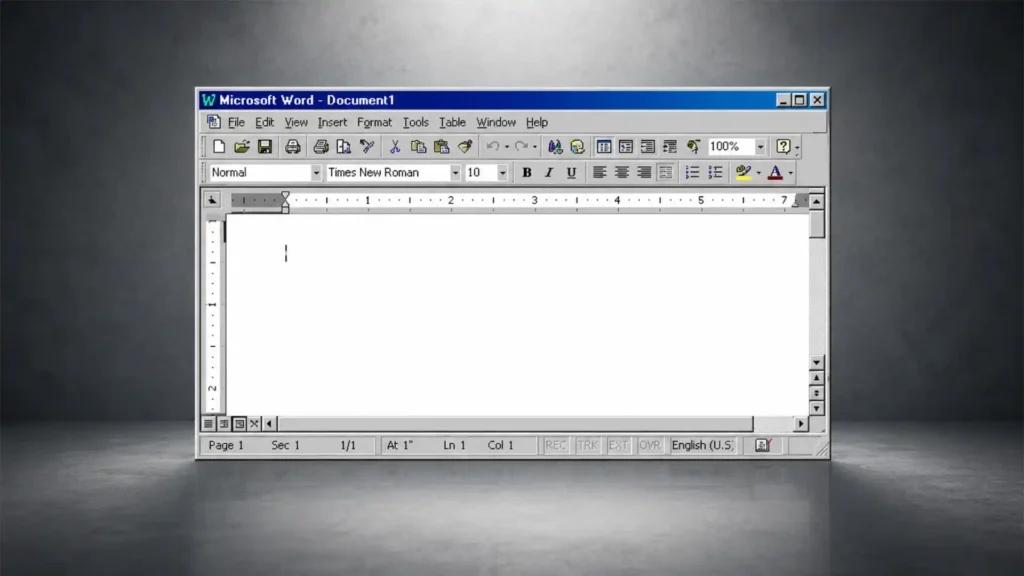
This article is an original analysis supported by the sources cited below
Microsoft launches Office 365 globally
Microsoft’s 2011 announcement of Office 365, describing the cloud service and predictable monthly subscription model.
Microsoft 2025 Annual Report
Microsoft’s annual report with segment performance, Microsoft 365 cloud growth, consumer subscriber figures, and cloud-related financial discussion.
Buy Office Home 2024 for PC or Mac
Microsoft’s product page explaining Office 2024 as a one-time purchase and contrasting it with Microsoft 365 subscriptions.
Compare Microsoft 365 plans and pricing
Microsoft’s current consumer subscription pricing page for Microsoft 365 plans.
Adobe fiscal 2025 Form 10-K
Adobe’s annual report showing subscription revenue, product revenue, total revenue, annual recurring revenue, and segment results.
Adobe Creative Cloud
Adobe’s current Creative Cloud product page describing the subscription suite and AI-linked creative features.
Adobe’s Creative Suite is dead, long live the Creative Cloud
Ars Technica’s 2013 coverage of Adobe’s move away from boxed Creative Suite products toward Creative Cloud.
Adobe heralds subscription-only future for Photoshop and Creative Suite
DPReview’s 2013 report on Adobe ending new Creative Suite development and moving future versions to Creative Cloud.
FTC takes action against Adobe and executives for hiding fees and preventing consumers from easily cancelling
The Federal Trade Commission’s 2024 announcement of its action against Adobe over subscription cancellation and fee disclosures.
Federal Trade Commission announces final click-to-cancel rule
The FTC’s announcement of its final rule aimed at simplifying cancellation for recurring subscriptions and memberships.
US click-to-cancel rule blocked by appeals court
Reuters’ report on the 2025 court ruling blocking the FTC’s click-to-cancel rule.
Autodesk details next phase of subscription transition
Autodesk’s investor announcement describing the end of perpetual license sales for most individual products after January 31, 2016.
The NIST definition of cloud computing
NIST Special Publication 800-145 defining cloud computing and Software as a Service.
iPhone App Store downloads top 10 million in first weekend
Apple’s 2008 announcement on early App Store downloads after launch.
The App Store turns 10
Apple’s 2018 retrospective on the App Store’s 2008 launch with 500 apps.
Video game seeks life online
Wired’s 2003 report on Valve’s Steam distribution plan for Half-Life 2 and early digital game distribution.
Salesforce delivers record fourth quarter fiscal 2026 results
Salesforce’s fiscal 2026 results announcement with revenue and remaining performance obligation figures.
Salesforce fiscal 2025 annual report
Salesforce’s annual report with subscription and support revenue discussion and software licensing notes.
Gartner forecasts worldwide IT spending to grow 10.8 percent in 2026
Gartner’s 2026 IT spending forecast covering worldwide IT spending, software spending, and AI infrastructure context.
Gartner forecasts worldwide IT spending to grow 13.5 percent in 2026
Business Wire’s release citing Gartner’s later 2026 forecast update for IT spending growth.
Directive EU 2019/770 on contracts for the supply of digital content and digital services
The official EU legal text governing certain aspects of contracts for digital content and digital services.
Contracts for the supply of digital content and digital services
EUR-Lex summary explaining the scope and purpose of the EU digital content and digital services directive.
IFRS 15 revenue from contracts with customers
IFRS Foundation page describing the revenue recognition principles under IFRS 15.
What is a perpetual fallback license and how do I use one
JetBrains documentation explaining perpetual fallback licenses inside its subscription system.
Subscription-based licensing
JetBrains documentation describing subscription licensing, renewal, and fallback-license features.
Explore QuickBooks Desktop solutions
Intuit’s QuickBooks Desktop page describing subscription billing for QuickBooks Desktop Enterprise.
QuickBooks Desktop to stop selling to new U.S. subscribers
Intuit’s Firm of the Future update explaining the stop-sell date for several QuickBooks Desktop products.
Can’t buy QuickBooks Desktop as a new U.S. subscriber
Intuit support documentation stating that QuickBooks Desktop is not available to new U.S. subscribers after the stated deadline.
QuickBooks Online pricing
Intuit’s QuickBooks Online pricing page describing the product as subscription-based software billed monthly or annually.
Sketch pricing
Sketch’s pricing page showing subscription and one-time license options.
| Citing this article? Brief excerpts are welcome. Please credit Webiano.digital, name the author where stated, and include a link to https://webiano.digital and to this original article. Full or substantial republication requires prior written permission. Read our Copyright and Content Use Policy. |
This article was prepared with the assistance of artificial intelligence tools. The content underwent expert human review, and Webiano Digital & Marketing Agency assumes editorial responsibility for its final version and publication.