Temu did not become a global shopping habit because it merely sold cheap goods. Cheap goods are common. Discount marketplaces existed before Temu, and many of them failed to build durable trust outside short bursts of bargain hunting. Temu’s sharper move was to attach low prices to a localized acquisition engine that behaves less like a normal retailer and more like a paid media platform wrapped around a marketplace.
Table of Contents
Temu’s real advantage is not the discount
The company’s rise sits on three connected forces. First, PDD Holdings has had the financial capacity to sustain huge sales and marketing outlays while absorbing the pressure on profit. Second, Temu has treated each new country as a media market with its own app-store rankings, social feeds, cultural cues, discount language, logistics promises and regulatory weak points. Third, the platform has used gamification, recommendation feeds and ultra-low price anchoring to turn browsing into a repeated habit rather than a single transaction.
That mix made Temu visible at unusual speed. Apple said its 2024 App Store year-end charts were localized for more than 30 countries and regions, and the U.S. chart placed Temu among the leading free apps of the year. Temu’s own App Store listing sells breadth, fast checkout, free shipping on items shipped from Temu and free returns within 90 days as core consumer promises. Those promises are not neutral descriptions. They are part of the marketing architecture. They make a cross-border marketplace feel familiar, low-risk and locally usable before the buyer has reason to trust the merchant network behind it.
The aggressive part of Temu’s international marketing is not only the size of its media spend. It is the way the company joins price, interface, language, urgency, paid social ads, mobile rankings, free returns and local seller onboarding into one loop. Each part lowers a different barrier. Advertising creates recognition. App-store presence signals social proof. Discounts lower hesitation. Gamified coupons create movement. Local-language pages reduce friction. Free returns soften perceived risk. Local sellers and domestic fulfillment promise faster delivery. The result is a machine built to convert curiosity into installed apps, installed apps into browsing sessions, and browsing sessions into orders.
That machine is now under stress. The U.S. has moved against duty-free low-value imports from China and Hong Kong. Europe has opened Digital Services Act proceedings against Temu, preliminarily finding the platform in breach over illegal product risk assessment. Germany’s cartel office has opened proceedings over suspected merchant pricing influence. The U.S. Federal Trade Commission announced a $2 million proposed penalty tied to alleged INFORM Consumers Act violations. These are not side issues. They touch the same system that made Temu’s marketing work: supplier opacity, gamified product discovery, marketplace scale, seller identity, low-value parcels and recommendation-driven demand.
Temu’s international marketing should be understood as a full-stack growth system, not as a campaign. It buys attention, localizes the buying environment, recruits sellers, adjusts fulfillment and then defends the model against rising political, consumer and platform governance pressure. That is why the company’s rise matters far beyond one shopping app.
A marketing model built before the brand was trusted
Most retailers build brand trust first and then widen paid marketing. Temu inverted that sequence. It pushed visibility ahead of trust, using heavy advertising and deeply discounted offers to force recognition into the market before consumers, regulators or rivals had fully assessed the platform. That approach looked reckless to traditional retail observers, but it matched the economics of a mobile marketplace where scale itself becomes part of the message.
For a new marketplace, distrust is expensive. Consumers ask basic questions: Will the product arrive? Is the price real? Is the return process painful? Is the seller legitimate? Will the app spam me? Will the product match the image? Temu’s answer was not to slow down and earn confidence market by market. It used constant exposure and cheap entry points to make the first purchase feel small enough to try. A €3 kitchen item or a £2 phone case does not require the same trust as a laptop or a designer coat. Temu turned that low-stakes first order into the front door of the brand.
This matters because Temu is not selling one product line. It is selling an endlessly refreshed catalog. The more a buyer sees the app, the more the app becomes a price reference point. Even a skeptical shopper may start checking Temu before buying elsewhere. That is one reason paid acquisition works differently for Temu than for a normal direct-to-consumer brand. A single click does not need to sell a single item. It introduces a pricing universe.
Sensor Tower reported that Temu’s 2023 Super Bowl ad drove immediate mobile effects: downloads rose 47% on game day and daily active users rose 13%. The company’s app had ranked first on U.S. Apple and Google Play stores since early January 2023, according to Sensor Tower’s estimates. Those numbers show the early model clearly. Temu bought broad attention, then let the mobile product convert that attention into ranking momentum and repeated sessions.
The Super Bowl ad was never only about American football viewers. It served as a proof of concept for a wider playbook: spend hard enough to collapse the time between unknown brand and mass awareness. Once that worked in the U.S., the same logic could be adapted elsewhere, even if the media channels changed. In some markets, paid social mattered more. In others, app-store ranking, influencer clips, search ads, display retargeting, local-language deal pages or coupon pushes carried the load.
A conventional retailer may measure advertising by immediate return on ad spend. Temu’s early logic appears broader: buy app installs, build behavioral data, seed habit, gain seller leverage, raise brand familiarity, then keep users in a bargain environment where every scroll offers a fresh reason to buy. That makes the cost of a single ad click easier to justify, at least while parent-company resources support the cycle.
The risk is built into the same strategy. When trust follows growth rather than precedes it, public scrutiny catches up later and often in harder form. Consumer groups, customs authorities and digital regulators do not inspect the first impression; they inspect the system underneath. Temu’s marketing could make the platform feel local and playful, but it could not remove questions about seller traceability, unsafe products, manipulative design, product recommendations or the customs treatment of millions of small parcels.
The brand was marketed into familiarity before it was regulated into maturity. That order explains both Temu’s speed and its vulnerability.
Localized marketing as market entry infrastructure
Localization is often reduced to translation. Temu’s version is wider. The company localizes the full conversion path: language, currency, shipping promise, return terms, app-store presentation, coupon rhythm, product recommendations, seller recruitment, paid media intensity and fulfillment model. The aim is not cultural elegance. The aim is to make a cross-border marketplace feel domestic enough for a low-price impulse purchase.
Temu’s international marketing starts with one plain insight: a bargain only converts when the shopper understands the deal instantly. The price must be in a familiar currency. The discount claim must fit local shopping norms. The delivery window must be believable. The return promise must reduce the specific fear a buyer has in that country. The app must compete in the channels where shoppers already spend time. A German buyer, a Brazilian buyer, a French buyer and a U.S. buyer may see the same marketplace logic, but the surface must feel native enough to remove doubt.
Temu’s own seller-facing messaging points in the same direction. The European Seller Center tells prospective sellers that Temu’s global popularity and traffic give them access to more potential customers, claims that 50% of new sellers make their first sale within 20 days, and promotes low-cost store setup, selling, operation and marketing. That is not merely seller support. It is localized marketplace supply acquisition framed as opportunity.
This creates a two-sided localization loop. On the consumer side, Temu promises selection, deals, free shipping and returns. On the merchant side, it promises traffic, low setup cost and fast first-sale potential. Each side strengthens the other. More sellers widen assortment. More assortment feeds ads and recommendations. More buyers make seller recruitment easier. More sellers reduce dependency on China-direct logistics in markets where tariffs or customs checks weaken the old model.
Temu’s localized marketing also depends on repetition at enormous scale. The same shopper may see Temu through a Facebook ad, a TikTok clip, a Google Shopping result, a search ad, an app-store chart, a referral prompt and a push notification. The creative may vary by country, but the pressure is consistent. It creates the feeling that Temu is already part of the shopping environment, even if the company only entered the market recently.
A true local retailer usually has stores, local staff, established warranties, a domestic reputation and recognizable brands. Temu substitutes a different kind of local presence: paid visibility plus interface familiarity plus operational promises. That substitution works best for low-risk purchases. It works less well for products where safety, durability, provenance or after-sales support matter.
Localization also gives Temu flexibility when one market tightens. If U.S. tariffs damage the China-direct economics, ad budgets can move toward Europe or Brazil. If Europe increases customs fees, Temu can push local sellers and local fulfillment. If one product category draws safety scrutiny, the platform can emphasize others. This does not erase risk; it spreads growth pressure across markets.
Temu’s localization is not decorative. It is infrastructure for rapid entry. The company localizes just enough of the buying environment to make the shopper behave as though the marketplace already belongs there.
The PDD funding base behind the blitz
Temu’s marketing only makes sense when viewed through PDD Holdings’ financial base. The platform is not a small entrant testing a few international ads. It is backed by a parent company with enormous revenue, cash and operating scale. That gives Temu room to spend on acquisition, discounts, logistics support and seller incentives at levels that would strain weaker competitors.
PDD reported fiscal year 2025 revenue of RMB431.85 billion, up 10% from 2024. It also reported sales and marketing expenses of RMB125.29 billion, equal to about US$17.92 billion, up 13% from 2024 and driven mainly by higher spending on promotion and advertising activities. In the fourth quarter of 2025 alone, sales and marketing expenses were RMB34.35 billion. Those figures cover PDD’s group operations rather than a Temu-only line item, but they show the size of the spending engine behind the international push.
This matters for competitive strategy. Most retailers cannot spend at PDD’s pace while also accepting thin margins on low-priced goods, subsidized shipping, free returns and heavy app promotion. PDD’s capacity changes the game. It allows Temu to treat marketing as a market-entry cost, not merely a quarterly expense to be trimmed at the first sign of weak payback.
PDD’s 2025 results also show the trade-off. The group’s fiscal-year operating profit fell 13% from 2024, and net income attributable to ordinary shareholders fell 12%, even as revenue rose. The company said total costs of revenues increased 23%, mainly from fulfillment fees, bandwidth and server costs, and payment processing fees. This points to a core tension: Temu-style growth can expand reach while raising the cost burden behind each transaction.
The aggressive marketing model depends on patience. If a company spends heavily to buy awareness in 20, 30 or 90 markets, the near-term profit picture may weaken. The bet is that scale improves supply terms, logistics density, data quality and buyer habit. Yet regulators can interrupt that path. A new customs fee, forced seller disclosures, product-safety enforcement or limits on design practices can raise the cost of the model before the expected scale benefits mature.
Temu’s parentage also affects perception. PDD’s Chinese roots, Cayman registration, Dublin links through Whaleco Technology Limited in Europe and Whaleco Inc. in the U.S. create a structure that is commercially useful but reputationally complex. Regulators want to know who is responsible for seller identity, product safety, data processing, consumer claims and content moderation. Consumers usually do not think about corporate structure when buying a €4 gadget, but regulators do.
A smaller retailer can apologize, reform and rebuild around a narrower catalog. Temu operates at marketplace scale, so fixes must work across millions of listings, sellers, ads and recommendation surfaces. The larger the marketing engine, the larger the governance burden becomes.
Temu’s advertising is not just bold creative; it is capital deployment. PDD’s financial base lets the company buy time, traffic and trial, but the same scale draws scrutiny from authorities that now see Temu as a system, not a shop.
Advertising as a way to buy scale before margins
Temu’s ad spending has often been described as extravagant. The better reading is more strategic: advertising is the mechanism that lets Temu buy scale before margins are visible. In marketplace economics, early scale can change everything. It attracts sellers, improves data, lifts app-store rankings, makes logistics planning easier and turns the brand from unknown to unavoidable.
Reuters Breakingviews reported in February 2024 that Bernstein analysts estimated Temu directed more than $1 billion to advertising outside the Asia-Pacific region in the prior year. The same piece noted that Chinese retailers such as Temu and Shein represented 10% of Meta’s revenue the previous year, according to Meta. That figure shows how much Chinese cross-border commerce had begun to affect the economics of Western advertising platforms.
The strategic reason is simple. Temu’s product catalog is vast and constantly changing. Paid ads do not have to build loyalty to one product. They create an entry into a feed. A shopper who clicks on a low-priced lamp may later buy socks, pet accessories, kitchen tools and makeup sponges. The ad that sells the first item also installs a marketplace habit.
That is why Temu’s paid media resembles streaming-platform acquisition more than classic retail advertising. A streaming service promotes a show to sell a subscription environment. Temu promotes a deal to sell a shopping environment. The economic question is not only whether the first purchase is profitable; it is whether the buyer returns often enough for the platform to recover acquisition cost through repeat orders, seller economics, ad data and marketplace take rates.
The danger lies in saturation. When a market has seen Temu ads for months, the cheapest new users may already be acquired. Later users cost more. Repeat buyers may need higher coupons. Competitors may raise bids or copy the format. Regulators may reduce the claims or tactics that lifted conversion. At that point, marketing becomes less a launch weapon and more a treadmill.
Temu’s country-by-country expansion reduces that danger by opening fresh pools of attention. Once U.S. conditions worsened because of tariff changes, European and Latin American markets became more attractive. Reuters reported in May 2025 that Temu increased ad spending 40% month over month in France and 20% in the UK in April, while its year-over-year ad spending rose 115% in France and 20% in the UK. At the same time, Temu’s average daily U.S. ad spending across major platforms fell 31% over a two-week period compared with the prior 30 days.
This is localization in budget form. Temu does not only translate ads; it reallocates pressure where economics still support growth. The platform follows openings in policy, consumer demand, media pricing and logistics readiness. A country becomes a target when the expected cost of acquiring buyers fits the expected path to fulfillment and repeat purchase.
The model has a blunt power. It can make a brand famous before rivals have time to respond. It can reshape ad auctions. It can move shoppers into new buying habits. It can push incumbents into defensive pricing. But it is hard to sustain without leakage. Some users order once and leave. Some orders disappoint. Some categories attract safety complaints. Some regulators slow the import model. Some ads create recognition but not trust.
Temu uses advertising to compress the time needed for market entry. The bill is large because the company is not buying impressions only; it is buying a temporary lead in habit formation.
The Super Bowl lesson Temu exported
Temu’s Super Bowl campaign became a symbol because it made the company impossible to ignore. Yet the real lesson was not that one expensive television event could introduce the brand. The lesson was that mass media, mobile installs and gamified commerce could be connected into a fast feedback loop.
The 2023 campaign showed that a broad-awareness moment could drive immediate app behavior. Sensor Tower’s reported 47% download jump on game day and 13% daily active user jump showed how quickly mass exposure could translate into app engagement. Temu’s early U.S. performance also showed that a marketplace could climb app rankings by pairing national attention with a low-price proposition and heavy social performance marketing.
The 2024 “shop like a billionaire” repetition pushed the lesson further. The slogan worked because it was absurd and simple. It did not explain cross-border logistics, manufacturer pricing or marketplace structure. It gave shoppers a feeling: access to abundance without elite income. That emotional shortcut travels well. In each country, the exact message may need tuning, but the structure is portable: make buying cheap goods feel like winning rather than downgrading.
Temu’s localized marketing uses that same psychology. It turns budget shopping into a game of discovery. The buyer is not told, “You are buying the cheapest option because money is tight.” The buyer is invited to search, spin, save, stack coupons and feel clever. That difference matters in markets facing cost-of-living pressure. Cheapness can carry stigma. Temu reframes cheapness as play.
The Super Bowl also taught Temu the value of cultural saturation. A brand that feels everywhere becomes safer to try. In advertising theory, familiarity lowers perceived risk. Temu’s challenge was that the company had little local history in its launch markets. Heavy media replaced time. When people saw ads repeatedly and then saw the app ranking high, the brand looked less fringe.
Yet the campaign also exposed a weakness. Broad awareness invites broad criticism. Lawmakers, labor advocates, consumer groups and rivals used the ads as a moment to question de minimis import rules, supply-chain risk, product safety and data practices. The bigger the stage, the more visible the unresolved issues became. Temu’s marketing created both consumer demand and political attention.
That tension now follows the company into every market. A light launch might pass unnoticed. A heavy paid launch triggers public debate. In France, Germany, the UK, Brazil or any other large target, Temu’s visibility changes the reaction of incumbents. Local retailers see a price threat. Advertising platforms see revenue. Regulators see a volume problem. Postal and customs systems see parcel pressure. Consumer groups see a testing target.
The Super Bowl was less a one-off spectacle than a prototype for engineered familiarity. Temu learned that if it spends hard enough, a marketplace can become culturally known before it becomes institutionally trusted.
App-store dominance and the power of forced familiarity
Mobile commerce gives Temu a marketing channel that older retailers did not have at the same intensity: the app-store chart. App rankings are not simply distribution. They are public proof. When a shopping app appears near the top of a national app chart, it signals that many other people are trying it. That reduces hesitation for new users and makes paid ads more credible.
Apple’s 2024 newsroom announcement said its year-end App Store charts covered iPhone, iPad and Apple Arcade, with charts localized for more than 30 countries and regions. The U.S. App Store story for top free apps featured Temu at the top of the chart. For a shopping platform, that kind of placement matters because it puts Temu in the same visibility frame as social, search and AI apps rather than only retail rivals.
Temu’s app-store success also changes the economics of advertising. Paid ads drive installs. Installs lift ranking. Ranking drives organic installs. Organic installs improve blended acquisition cost. That loop becomes stronger when the app’s promise is simple and repeated: cheap products, deals, free shipping, free returns. The consumer does not need to understand the marketplace in detail to install the app.
App marketing also gives Temu a persistent channel after the first click. A web visit can vanish. An app install creates a place for push notifications, personalized feeds, coupon reminders, cart prompts and daily browsing. Temu’s localization becomes deeper once the app is on the phone. Language, product ranking, seasonal pushes, delivery estimates, local events and price anchoring can all be adjusted repeatedly.
This is where Temu differs from earlier bargain websites. It is not relying on a user remembering to visit a site. It aims to live inside the mobile routine. The app icon is a recurring prompt. Notifications create urgency. Gamified rewards make return visits feel like progress. The recommendation feed keeps the catalog moving. In a mobile environment, the line between advertising and product experience blurs.
The same structure raises concerns. A heavily gamified marketplace with constant prompts may encourage impulse buying and overconsumption. The European Commission’s formal proceedings against Temu include risks linked to potentially addictive design, including game-like reward programs, as well as product recommendations and data access for researchers. Those issues sit directly inside the app experience that makes Temu’s marketing work.
For marketers, the lesson is precise. Temu did not simply drive traffic to product pages. It drove users into a controlled mobile environment where the platform could keep selling after the ad ended. For regulators, the same point is a warning. If the app is the marketing system, then platform design becomes consumer protection territory.
Temu’s app-store success turns popularity into persuasion. A high-ranking app says, before any ad copy does, that the marketplace has already entered the mainstream.
Country pages, languages and the illusion of locality
A shopper rarely pauses to inspect whether a marketplace is truly local. They look for familiar cues: language, currency, delivery terms, return windows, customer support, payment options and product categories that match everyday needs. Temu’s localized marketing uses these cues well. It builds an illusion of nearness even when the underlying supply chain may still stretch across borders.
This illusion is not necessarily deceptive by itself. Global e-commerce depends on local interfaces. Amazon, AliExpress, Shein, Zalando and marketplace sellers all localize storefronts. Temu’s difference is the speed and intensity with which it layers local cues over a discount-first, data-fed catalog. The site can feel local because the interface speaks the buyer’s language and quotes a local delivery promise, while the broader marketplace still relies on international merchant networks and shifting fulfillment models.
The App Store listing language is a good example. It promises exclusive offers, thousands of new products and shops, fast and secure checkout, free shipping and free returns within 90 days. These claims do not identify a national identity, but they solve national hesitation. A U.S., French, Slovak, German or Brazilian buyer may worry about returns and delivery. Temu foregrounds those assurances as universal trust signals.
Localization also extends into seasonality. A marketplace can push school supplies, holiday decorations, winter clothing, summer travel items or local shopping events with different timing by region. It can show products whose price points match local expectations. It can run ads that use local idioms, local payment fears, local inflation pressure or local competitors as implicit reference points. Even when the creative is not culturally rich, the offer can feel locally timed.
There is a reason this works. Consumers do not usually evaluate a platform through abstract supply-chain analysis. They assess the moment. Is the item cheap? Does the app look legitimate? Will it arrive? Can I return it? Have I seen the brand enough? Do other people use it? Temu’s localization answers those questions at the surface layer with remarkable efficiency.
The weakness comes when surface locality collides with accountability. If an unsafe product arrives, the buyer needs more than a local-language interface. They need traceable sellers, enforceable warranties, responsive support and compliance with domestic or EU rules. BEUC’s 2024 complaint argued that Temu did not guarantee users a safe, predictable and trustworthy environment and raised concerns around manipulative techniques, trader traceability and opacity.
That is the core problem of Temu’s localized marketing. It can create the feeling of domestic shopping before the platform has fully earned domestic trust. In low-risk categories, that may be enough. In toys, electronics, cosmetics, baby goods or safety-sensitive items, the gap becomes more serious.
Localization can make a foreign marketplace feel familiar, but familiarity is not the same as accountability. Temu’s next challenge is to make its operational systems as local as its marketing signals.
The local seller turn after the China-direct phase
Temu’s first international identity was built around China-direct bargains. That model gave the platform dramatic price advantages, but it also exposed the company to tariffs, customs reform, delivery delays and political backlash. The next phase is local seller recruitment. It is not a side project; it is a strategic response to the limits of cross-border discount marketing.
The European Seller Center makes the pitch directly. Sellers are told they can register quickly, benefit from Temu’s traffic, avoid registration fees and receive seller support. The page frames Temu as a way to reach buyers with low setup and marketing costs. For a marketplace with a large consumer audience, seller recruitment itself becomes a marketing channel: more local merchants create more local-looking assortment and stronger delivery claims.
Local sellers solve several problems at once. They shorten delivery times. They reduce dependency on individual low-value imports from China. They improve returns handling. They give regulators a clearer domestic seller base. They make ad claims around fast shipping more believable. They also let Temu compete more directly with Amazon, eBay, local marketplaces and vertical retailers.
This does not mean Temu is becoming a traditional marketplace overnight. Local seller onboarding creates new challenges. The platform must police seller quality, pricing claims, product safety, identity verification, consumer reporting and competition rules across each market. It also must persuade reputable sellers that Temu’s brand environment will not damage their positioning. A local merchant may welcome traffic but fear association with unsafe products or extreme discounting.
The local seller move changes Temu’s localization from front-end language to deeper supply-market adaptation. A translated interface can be launched quickly. A local seller network takes longer. It requires partnerships, seller education, domestic fulfillment options, local tax awareness and trust with merchants. The benefit is stronger resilience when tariffs or customs fees hit China-direct parcels.
Reuters reported that U.S. tariff changes in 2025 pushed Shein and Temu to adjust ad budgets, with Temu cutting U.S. ad spend across major platforms while raising spend in Europe and Brazil. That budget shift makes sense only when paired with operational shifts. If the old U.S. import model weakens, Temu needs other markets and other fulfillment structures to maintain growth.
The local seller turn also affects brand meaning. Temu can argue that it supports local small businesses rather than merely flooding markets with imported goods. That message is useful in Europe, where policymakers worry about product safety, customs enforcement and competition for rule-abiding local firms. Yet the claim will be judged by outcomes: seller quality, compliance rates, delivery performance and whether local retailers feel empowered or pressured.
Temu’s local seller strategy is localization under regulatory pressure. It moves the platform away from pure China-direct arbitrage and toward a hybrid model where domestic supply becomes part of the marketing promise.
Europe became the new front line after the U.S. tariff shock
The U.S. was Temu’s first major proof of international traction, but tariff changes made the American market harder. That shift pushed attention toward Europe, where the audience is large, mobile commerce is mature and low-price demand remains strong. Europe, though, is not an easy replacement. It combines high consumer interest with strict digital, product safety, customs and competition rules.
The U.S. suspension of duty-free de minimis treatment for products of China and Hong Kong removed a central advantage for platforms that had relied on low-value direct shipments. The White House described the suspension under 19 U.S.C. 1321(a)(2)(C) for PRC and Hong Kong products in Executive Order 14256, after earlier orders tied to the synthetic opioid supply chain.
Reuters reported that the U.S. de minimis ban had been a factor behind Temu and Shein’s rapid U.S. growth, since packages valued under $800 could previously enter duty-free. In April 2025, as that policy changed, Temu increased ad spending in France and the UK while reducing U.S. digital ad spending. The same report noted that UK ads lifted app downloads, but daily active users grew only modestly. That gap matters: installs are easier to buy than lasting engagement.
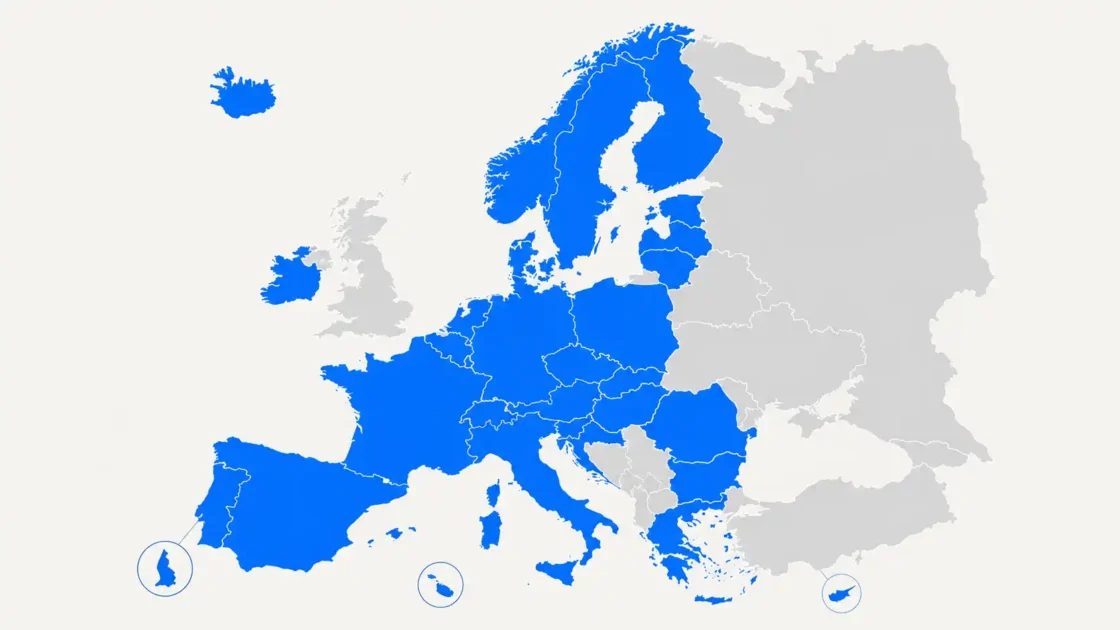
Europe offers scale, but it also forces Temu to confront the full cost of legitimacy. The European Commission designated Temu as a Very Large Online Platform under the Digital Services Act in May 2024 after the platform reported more than 45 million monthly users in the EU. That status brought stricter obligations on systemic risks, including counterfeit goods, unsafe or illegal products and intellectual property-infringing items.
The European Union is also targeting the low-value parcel flow that underpinned many cross-border bargain models. The European Parliament notes that 4.6 billion low-value items under €150 entered the EU in 2024, equal to 12 million parcels per day, and that 91% of those e-commerce shipments came from China. The same source notes that the Commission proposed a €2 handling fee and stronger enforcement of product-safety rules.
A later Reuters report said EU governments agreed to introduce a €3 customs duty per item on low-value e-commerce parcels from July 1, 2026, as a temporary measure before a fuller removal of the exemption for online purchases below €150. That change directly affects the economics of cheap parcel flows.
The European opportunity is therefore double-edged. Temu can acquire users quickly, but each new user increases regulatory relevance. More parcels mean more customs attention. More listings mean more product-safety risk. More app engagement means more DSA scrutiny. More seller recruitment means more competition-law questions.
Europe is the test of whether Temu can turn paid localization into trusted localization. The market is large enough to reward the company, but regulated enough to punish weak systems.
Brazil shows the playbook outside the West
Brazil is a useful case because it shows Temu’s marketing logic beyond the U.S.-Europe frame. It is a large, mobile-first consumer market with price-sensitive shoppers, social commerce intensity and strong local retail players. It also has import-tax complexity and domestic competitors that understand local habits. Temu’s move there points to a broader strategy: enter markets where low-price discovery, app adoption and paid media can scale quickly, then adapt the operating model as needed.
Reuters reported that Temu’s April 2025 ad spending in Brazil was 800 times larger than the prior year, when the company was preparing for its June 2024 launch. The same report said Shein raised its Brazil ad spending 140% year over year, partly to compete with Temu’s entry. That is a striking example of Temu’s ability to trigger defensive spending from established rivals.
The Brazilian case also shows why localization is not only language. Portuguese-language ads are necessary but not enough. The platform must deal with payment habits, installment expectations, delivery geography, local marketplaces, import taxes, social influence, customer-service expectations and trust concerns tied to cross-border sellers. A price proposition that works in one country may need different framing in another.
Temu’s marketing method fits Brazil because the app can flood social channels with extremely specific product-price combinations. A buyer does not have to trust Temu as a full retailer before clicking a low-priced item. The first interaction is driven by curiosity and value. Once inside the app, the platform can use coupons, recommendations and free-shipping thresholds to lift engagement.
Brazil also matters because it gives Temu room after U.S. tariff pressure. A global marketplace does not need each country to perform the same way at the same time. It can shift attention toward markets where policy and consumer acquisition still look attractive. That is one reason the international marketing machine is hard for local retailers to fight. A domestic retailer cannot move its growth engine from the U.S. to Brazil to France in the same way. Temu can.
The risk is that aggressive entry may provoke the same pattern of scrutiny. Local retailers may argue unfair competition. Consumer agencies may test product safety. Customs authorities may tighten controls. Ad platforms may become dependent on spend while governments question the source of marketplace scale. Temu’s playbook is mobile and repeatable, but so are the political reactions it triggers.
For marketers, Brazil shows the portability of Temu’s core formula: mass paid visibility, low-price hooks, app install conversion, localized shopping cues and fast expansion before trust debates fully mature. For policymakers, it shows why country-by-country regulation may trail behind platform speed. By the time authorities react, the app may already have millions of users.
Temu’s expansion outside Western markets should not be viewed as a backup plan only. It is part of the original logic. The company is building a distributed international demand base, using each market’s media conditions and price sensitivity to grow before the cost of compliance rises.
Gamification makes the shop behave like media
Temu’s marketplace is not designed like a quiet catalog. It behaves like a feed, a game and a discount arcade. That matters because gamification changes the buyer’s mental state. The user is not simply searching for a product; they are reacting to rewards, timers, coupons, mystery offers, progress bars and prompts. The app becomes a place to play with prices.
This design is central to Temu’s localized marketing. Gamification travels well because it relies on human behavior rather than deep cultural knowledge. Countdown timers, limited offers, free gifts and coupon stacking work across markets because they tap urgency, loss aversion and the pleasure of perceived winning. The language can be localized, but the behavioral mechanics stay similar.
BEUC’s 2024 complaint described Temu as relying heavily on gamification and intensive advertising. It also raised concerns about manipulative techniques, trader traceability and opacity under the Digital Services Act. The European Commission’s formal proceedings later included potentially addictive design, including game-like reward programs, as an area of investigation.
Gamification changes marketing measurement. A normal ad may lead to a product page. A Temu ad leads to an environment where one product is only the first stimulus. The user may receive a coupon, enter a game, see a bundle, watch a discount change, add a cheap item to reach a shipping threshold or return later because the app suggests the deal will expire. Marketing becomes continuous inside the product.
For low-cost goods, this is powerful. The buyer does not need much deliberation. A €2 item becomes part of a session rather than a purchase decision. The more the app frames buying as play, the less the buyer compares quality, need or seller reputation. That is why gamification draws regulatory attention. It may increase engagement while weakening careful choice.
The issue is not that all game-like shopping is unlawful. Retailers have used loyalty points, seasonal promotions, scratch cards and prize draws for decades. Temu’s difference is density and scale. The platform can personalize game-like prompts across millions of users and listings, then feed the results back into recommendation systems. A supermarket coupon booklet does not behave like that.
Gamification also supports localization without deep brand building. A shopper does not need to know Temu’s corporate story. They respond to the immediate bargain mechanics. That helps the company enter markets quickly, but it leaves weaker emotional trust. If the product disappoints, the user may feel tricked rather than loyal. If regulators criticize addictive design, the very features that drove engagement become evidence.
Temu’s gamification is a marketing asset and a governance risk. It lifts session frequency and conversion, but it places the design of the app inside the scope of consumer protection and digital platform law.
Personalization turns browsing into a discount feed
Temu’s marketing does not stop at acquisition. Once users enter the app, personalization turns browsing into an individualized discount feed. The platform can test which products, prices, images, categories, coupons and urgency signals move a buyer. It can then reorder the shopping world around those responses.
The European Commission’s formal proceedings against Temu include compliance with DSA obligations tied to recommender systems, including disclosure of the main parameters used to recommend products and the requirement to offer at least one easily accessible option not based on profiling. This is a major point because recommendation systems are not passive technical features. They are part of the marketing engine.
A personalized marketplace changes the meaning of localization. The country layer matters, but the user layer may matter more. Two shoppers in France may see different Temu worlds based on click history, category interest, price sensitivity and response to coupons. A Slovak user who browses home goods may be pulled into one feed; a German user who clicks electronics may see another. Localization becomes personal, not only national.
This is where Temu gains a speed advantage over retailers with smaller catalogs. A large product pool gives algorithms more chances to find a hook. If one item fails, another appears. If one category slows, another can be promoted. If a user responds to a €0.99 accessory, the app can build a path from small curiosity to larger cart size. The feed keeps generating possible purchases.
Personalization also supports ad buying. Paid platforms such as Meta, Google, TikTok, Snap and YouTube reward advertisers that feed them conversion signals and creative variants. Temu’s app generates those signals at scale. The more users browse and buy, the better Temu can target ads and retarget hesitant shoppers. The line between external ad system and internal recommendation system becomes thin.
The risk is opacity. A user may not know why certain products appear, why some deals feel urgent, why discounts change or how profiling shapes the feed. Consumer groups have criticized insufficient transparency in recommendation systems, and EU regulators are directly examining this area. In a marketplace selling products from many sellers, recommendation design affects not only consumer choice but also seller competition.
Personalization can also deepen overbuying. If the feed learns what makes a user click, it may keep presenting low-priced temptations that feel individually relevant. The platform’s success then depends on impulse intensity. That creates tension between commercial growth and responsible design.
For competitors, Temu’s personalization means copying the low price is not enough. The real challenge is the adaptive feed. A local retailer may offer better quality or faster service, but Temu can present hundreds of micro-deals tuned to the buyer’s past behavior. Competing with that requires sharper category focus, trust signals and retention strategy.
Temu’s personalized feed is localized marketing at the individual level. It turns each user’s behavior into the next advertisement.
Temu’s localized marketing stack
| Layer | Temu’s use | Strategic purpose | Main risk |
|---|---|---|---|
| Paid media | Heavy social, search, video and display buying | Rapid awareness and app installs | Rising acquisition cost |
| App design | Coupons, games, feeds and prompts | Repeat sessions and impulse buying | Addictive-design scrutiny |
| Local interface | Language, currency and return promises | Lower trust barriers | Surface locality without full accountability |
| Local sellers | Domestic merchant onboarding | Faster delivery and tariff resilience | Seller quality and competition questions |
| Logistics shift | Local fulfillment and hybrid supply | Stronger delivery claims | Higher operating complexity |
This stack shows why Temu is hard to analyze as a normal retailer. The marketing system and the operating model reinforce each other, which makes the platform powerful but also exposes many points where regulation can raise costs.
The auction effect on Meta, Google, TikTok and rivals
Temu’s marketing scale affects more than Temu. It changes digital advertising auctions for everyone selling to the same consumers. When a company with PDD’s backing floods social and search platforms, the cost of attention rises. Retailers that once competed mainly with local rivals suddenly compete with a global marketplace willing to pay heavily for clicks, installs and retargeting.
Reuters reported that Shein and Temu drove up digital ad bid prices during the holiday shopping season. The same article noted that Temu shifted spending away from the U.S. and toward Europe and Brazil as tariff pressure rose. That pattern matters because it creates volatility for other advertisers. A retailer may see its costs rise not because its own ads became worse, but because Temu entered the auction with greater intensity.
This auction effect is especially hard for smaller retailers. A local home goods shop, toy seller or fashion brand may not have the budget to match Temu’s acquisition spending. Even if the local business offers better products, it may be pushed down in paid visibility. Organic search, email lists, marketplaces, retail media and loyalty programs then become more valuable because paid social becomes less predictable.
Advertising platforms benefit in the short term. Meta, Google and other platforms earn from intense cross-border retail competition. Reuters Breakingviews noted that Chinese retailers such as Temu and Shein represented 10% of Meta’s revenue the previous year, according to Meta. That dependency cuts both ways. The platforms gain revenue, but they also become exposed to regulatory or tariff shifts that change Chinese marketplace spending overnight.
The auction effect also shapes consumer perception. If Temu outbids rivals across feeds, shoppers may believe Temu is more dominant than it actually is. Visibility creates perceived scale. Perceived scale creates trust. Trust creates installs. Installs create more data. The loop begins with media buying and ends with marketplace growth.
This is why Temu’s localized marketing is not just an internal company strategy. It is a market event. Ad agencies, small retailers, incumbent marketplaces and brand manufacturers all feel the pressure. A toy retailer in France, a fashion seller in the UK or a home goods store in Germany may suddenly face higher click costs and lower price tolerance because Temu has changed the shopper’s reference point.
There is also a defensive response. Competitors may cut prices, launch discount sub-brands, change seller fees or build their own low-cost channels. Amazon’s launch of Amazon Haul is the clearest example. Reuters reported in November 2024 that Amazon introduced Haul in the U.S. with products priced at $20 or less, with most under $10 and some as low as $1, explicitly to take on Shein and Temu.
Temu’s advertising does not only buy Temu customers; it reprices attention for whole retail categories. That is why marketers treat the platform as both a competitor and a market force.
Amazon Haul revealed the scale of Temu’s pressure
Amazon does not copy every challenger. It usually absorbs, out-executes or ignores smaller threats. The launch of Amazon Haul showed that Temu and Shein had created a price and assortment challenge large enough to force a visible response from the world’s most powerful online retailer.
Reuters reported that Amazon launched Haul in November 2024 for some U.S. customers, offering products priced at $20 or less, with most at $10 or under and some as low as $1. Amazon said the service would be available inside its app. The stated purpose was to take on Shein and Temu.
That response matters because Amazon’s historic advantage has been trust, speed and breadth. Temu attacked a different flank: extreme price discovery. Amazon could not simply say that Prime delivery is faster. Many shoppers were willing to wait longer for low-priced non-urgent items. Haul was Amazon’s way of acknowledging that the low-cost, mobile-first, China-linked discount model had become too large to ignore.
Temu’s marketing pressure also forced a category rethink. For years, Amazon trained shoppers to expect fast delivery, reviews and convenience. Temu trained them to expect surprising price gaps. Once a shopper sees a household item for a fraction of the Amazon price, even if quality varies, the reference point changes. Amazon’s challenge is to protect trust while offering a discount environment that does not damage its main marketplace.
Amazon’s response also validates Temu’s localization logic. Haul lives inside Amazon’s trusted app, but it adopts Temu-like price framing and mobile discovery. That shows the industry impact of Temu’s model: the company has pushed even incumbents toward dedicated low-price experiences rather than leaving bargain goods scattered across normal search results.
Yet Amazon has advantages Temu cannot easily replicate. It has deeper local infrastructure, stronger Prime relationships, mature seller enforcement, domestic warehouses, recognized customer service and a long record with regulators. Temu can buy awareness quickly, but Amazon can borrow trust from its existing brand. The battle is therefore not only price versus price. It is price plus habit versus price plus trust.
For Temu, Amazon Haul raises the bar. If Amazon narrows the price gap in some categories while keeping faster returns and stronger seller accountability, Temu must rely more on gamified discovery, wider assortment, sharper coupons and international growth. That may increase the very tactics regulators are scrutinizing.
For retailers, the Amazon response is a warning. Temu’s model is not a fringe bargain phenomenon. It has entered the strategic planning of incumbents. A local retailer cannot assume that “cheap Chinese marketplace” is a separate segment. The pricing expectations may spread into mainstream platforms.
Amazon Haul confirmed that Temu changed the competitive reference point. Temu did not need to overtake Amazon to force Amazon to defend the low-price edge.
Seller recruitment as marketing
Temu’s local seller program is often discussed as operations, but it is also marketing. Every local seller Temu recruits becomes proof that the platform is not only an import channel. Every domestic item improves the platform’s ability to claim faster shipping, more local supply and better returns. In regulated markets, those claims matter.
Seller recruitment also gives Temu a new public story. A platform criticized for cheap cross-border imports can present itself as a growth channel for local entrepreneurs. The European Seller Center pitch is built around that idea: fast setup, free registration, access to traffic, support and a path to first sales. The language is practical and direct, aimed at merchants who want demand without building their own audience.
This is powerful because customer acquisition has become one of the hardest costs for small merchants. A local seller may have products, stock and know-how but lack traffic. Temu offers traffic in exchange for participation in its marketplace rules. That is the same bargain Amazon, eBay, Etsy and other platforms offer, but Temu’s early international growth makes the offer feel fresh and potentially less crowded in some categories.
Yet seller recruitment brings platform governance questions. Who controls price? How are sellers ranked? Can sellers keep prices different across channels? How are disputes handled? What product compliance checks exist before listing? How transparent is seller identity to consumers? These questions move Temu into the same regulatory territory as other large marketplaces, but with faster growth and lower-price pressure.
Germany’s Bundeskartellamt opened proceedings against Whaleco Technology Limited in October 2025 to examine whether Temu was influencing third-party merchant pricing on its platform. The office said suspected requirements could restrict competition and potentially raise prices on other sales channels. Reuters reported Temu’s statement that it follows applicable laws and expects concerns to be resolved.
That case matters for localized marketing because seller terms shape the offer shown to buyers. If a platform pushes merchants toward lower prices, or discourages price differences elsewhere, the consumer sees a sharper bargain environment. But competition authorities may ask whether the platform’s pricing rules distort the wider market.
Seller recruitment also changes Temu’s relationship with local retailers. A merchant may view Temu as both opportunity and threat. Joining may deliver sales, but it may also train customers to expect lower prices, expose the seller to platform dependence and put them beside ultra-cheap imported goods. Not joining may mean losing visibility to competitors who accept the platform’s terms.
For Temu, the strategy is rational. Local sellers help the company adapt to tariffs, reduce delivery friction and build legitimacy. For markets, the impact is mixed. Small sellers gain traffic, but local retail ecosystems face stronger price pressure and potential dependence on a fast-growing foreign-controlled platform.
Temu’s seller recruitment is demand marketing in reverse. Instead of only finding buyers for products, the company finds products to justify the buyer demand it has already purchased.
Logistics localization changes the message
Marketing claims become stronger when logistics can support them. Temu’s early China-direct model could sell extreme prices, but delivery time, customs exposure and returns friction limited trust. Local fulfillment and domestic seller programs change the message. They let Temu move from “cheap enough to wait” toward “cheap and close enough to trust.”
This shift is forced by policy as much as strategy. The U.S. removal of de minimis treatment for China and Hong Kong goods raised the cost and complexity of direct low-value imports. Europe is moving toward new customs duties and handling fees on low-value parcels. These changes attack the old bargain pipeline, where millions of cheap parcels could flow directly to consumers with lighter duty burdens.
The European Parliament’s summary of the issue is stark: 4.6 billion low-value items under €150 entered the EU in 2024, equal to 12 million parcels per day, with 91% of shipments coming from China. It also notes that these volumes strain national authorities and may allow non-compliant goods to reach consumers.
Logistics localization helps Temu answer that criticism. If more goods are stored or fulfilled inside a market, customs pressure may fall, delivery may speed up and returns may improve. The platform can also point to local merchants as proof that it is not only importing. This makes ads more credible. A fast-delivery promise is easier to market when domestic stock exists.
Yet local logistics weakens one of Temu’s original advantages: ultra-low cost from direct manufacturer-to-consumer flows. Warehousing, domestic fulfillment, returns handling and seller support all add expense. PDD’s 2025 financial results already show cost pressures from fulfillment fees, server costs and payment processing fees. If localization raises logistics cost faster than it improves retention and trust, the model becomes harder.
This is the operational version of Temu’s brand paradox. The company wants to feel local without losing the price shock that made it famous. Domestic fulfillment narrows the trust gap but may narrow the price gap too. The balance will differ by category. Low-value accessories may remain cross-border where permitted. Bulky, return-prone or safety-sensitive goods may need local stock. Local sellers may fill categories where speed matters.
Logistics also affects regulatory perception. A platform that brings goods through domestic warehouses is easier to inspect than millions of fragmented parcels. That may improve compliance, but it also creates new evidence trails and responsibilities. Temu cannot claim to be a distant connector if it is actively shaping fulfillment, seller onboarding and product visibility.
For consumers, logistics localization may make Temu more usable. Faster delivery and easier returns address real pain points. For competitors, it is more threatening because it removes one of Temu’s weaknesses. For regulators, it may be welcome only if paired with stronger product checks and seller accountability.
Temu’s marketing message is shifting from distant bargain to localized bargain. The phrase sounds small, but the operational change behind it is large.
Localization does not erase trust problems
Temu’s greatest marketing achievement is that it made millions of shoppers try a platform they did not know. Its greatest trust problem is that the same shoppers may not know who truly stands behind the products they buy. Localization can soften this problem, but it cannot erase it.
The concern is not abstract. BEUC’s “Taming Temu” complaint argued that the platform failed to comply with several Digital Services Act obligations and raised worries about manipulative techniques, trader traceability and opacity. BEUC said Temu did not guarantee users the safe, predictable and trustworthy online environment required by law.
Traceability matters because Temu’s marketplace model separates the consumer-facing brand from the merchant actually responsible for the product. A shopper may say, “I bought it from Temu,” even when the product came from a third-party seller. That is common in marketplaces, but Temu’s extreme price and volume make the issue sharper. If seller information is unclear, consumers struggle to judge risk or seek remedy.
The FTC case in the U.S. points to the same accountability theme. The FTC said Whaleco, operating Temu, would pay $2 million to resolve allegations under the INFORM Consumers Act tied to failure to provide consumers with required information and tools to avoid and report stolen, counterfeit or unsafe goods. The case summary states that the allegations involved missing information and reporting tools for consumers shopping online.
The FTC press release said the proposed order would require Temu to disclose electronic and telephonic reporting mechanisms and high-volume third-party seller names, addresses and contact means in a way consumers can notice and understand, including in gamified product listings and across smartphone app, desktop and mobile sites.
That last phrase is crucial: gamified product listings. It shows how marketing design and legal disclosure collide. If the platform turns shopping into a game, required safety and seller information cannot be hidden outside that game-like experience. Consumer protection must travel into the same surfaces where persuasion happens.
Trust problems are also uneven by category. A cheap hair clip and a baby toy do not carry the same risk. A decorative item and a charging cable do not carry the same safety concern. Temu’s marketing often presents the marketplace as one broad bargain environment, but regulators and consumers judge categories differently. The more Temu expands into sensitive categories, the higher the trust burden.
Localization may help with customer service, returns and local seller visibility. But trust requires evidence: clear seller identity, product compliance, reliable refund handling, honest discount claims, transparent recommendations and safe design. If those systems lag behind marketing, localization becomes cosmetic.
Temu can translate trust signals faster than it can build trust systems. That gap is now the center of its international risk.
European regulators are testing the model at its weakest point
The European Commission’s Temu investigation goes directly to the weak points of the platform’s growth model: illegal products, addictive design, recommender transparency and data access for researchers. These are not peripheral compliance topics. They are the same mechanisms that help Temu scale.
The Commission opened formal DSA proceedings in October 2024 to assess whether Temu may have breached the law in areas linked to illegal products, potentially addictive design, recommendation systems and researcher access. The Commission said the investigation would examine systems designed to limit the reappearance of previously suspended rogue traders and non-compliant goods, along with risks from game-like reward programs.
In July 2025, the Commission preliminarily found Temu in breach of the DSA obligation to properly assess risks linked to illegal products on its platform. The Commission said its analysis found Temu’s October 2024 risk assessment inaccurate and not specific enough to the platform’s actual operations, according to the official press release summary.
The DSA matters because it reframes Temu’s marketplace as a systemic-risk environment. A normal consumer complaint asks whether a product was defective. A DSA inquiry asks whether the platform’s systems make illegal or unsafe products more likely to appear, reappear or be recommended. That is a much deeper question.
Temu’s marketing strength becomes part of the evidence. If a platform uses personalization, gamification and massive paid acquisition to drive users into products, the platform cannot treat product safety as only a seller issue. The system that brings shoppers to listings must also manage the risks of those listings. This is the European logic behind VLOP obligations.
The Commission’s VLOP designation in May 2024 was the turning point. Temu had reported more than 45 million monthly users in the EU, crossing the threshold for the strictest DSA rules. After designation, Temu had four months to comply with obligations such as assessing and mitigating systemic risks linked to counterfeit goods, unsafe or illegal products and intellectual property violations.
For Temu, the DSA creates a marketing governance problem. The platform’s growth depends on fast onboarding, massive listings and algorithmic discovery. The law demands risk assessment, transparency and mitigation. Slower seller checks, stronger product screening, clearer disclosures and non-profiling options may reduce friction but also reduce some growth intensity.
For rivals, EU scrutiny may narrow the unfairness they perceive. Rule-abiding retailers argue that they pay for compliance, testing, documentation, taxes, returns and product safety while cross-border platforms externalize some of those costs. If the DSA and customs reform force Temu to internalize more of the same costs, price competition may become less distorted.
Europe is not only regulating Temu’s content; it is regulating Temu’s growth engine. That is why the outcome will matter across global e-commerce.
Product safety as brand risk
Temu’s marketing asks consumers to trust a huge catalog at very low prices. Product safety tests challenge that trust. A marketplace can survive complaints about weak quality in low-risk goods. It cannot easily absorb repeated findings involving toys, electronics, cosmetics, baby products or chemicals. Safety concerns turn bargain shopping into reputational risk.
BEUC’s February 2025 “Under the Microscope” report collected product-safety tests by national consumer groups on goods sold through Temu. BEUC said the conclusions showed real and substantiated concerns and described Temu as an entry point for dangerous products in Europe.
Consumer groups in Europe have kept up pressure because product safety is where the Temu model is easiest to explain to policymakers. A cheap app interface may look playful. A non-compliant toy or unsafe charger is a clearer political story. It connects directly to families, consumer harm and unfair competition with sellers that follow EU standards.
Product safety also cuts into localization. A local-language page, free returns and domestic seller pitch do not reassure a parent if toy compliance is uncertain. Temu must therefore move from marketing trust to proving compliance. That requires supplier checks, seller verification, product documentation, category controls, testing and rapid removal systems that prevent banned goods from returning under new listings.
The European Parliament’s account of low-value imports explains why enforcement is hard. With 12 million parcels per day entering the EU in 2024, authorities struggle to supervise the flow. Some products ordered through e-commerce may fail to comply with safety, ecodesign or environmental rules, creating risks for health and the environment.
This is a volume problem, not only a Temu problem. But Temu’s rapid growth makes it a symbol. When a platform scales through cheap, frequently changing products, inspection systems lag. The platform’s internal controls become more important because border checks cannot inspect every parcel.
Safety risk also affects ad credibility. A discount ad is persuasive when the buyer assumes basic compliance. If consumers begin to suspect that low price means unsafe goods, the ad must work harder or shift categories. Free returns do not solve safety harm. A refund after a hazardous product arrives is not the same as prevention.
Temu may improve controls and remove non-compliant listings, but the marketing challenge remains. The brand has been trained around extreme affordability. Extreme affordability often invites suspicion about corners cut. The company must now show that low price does not mean low compliance. That is a harder message than “shop like a billionaire” because it requires proof, not repetition.
Product safety is the point where Temu’s bargain promise meets the legal floor. If the platform cannot protect that floor, localized marketing becomes a liability.
The DSA makes recommendation systems part of marketing governance
Recommendation systems used to be treated as internal technology. Under the DSA, they have become a governance issue. For Temu, that matters because recommendations are central to the shopping experience. The platform does not wait for users to search like a traditional catalog. It pushes products through feeds, suggestions and ranked surfaces that shape demand.
The European Commission’s formal proceedings include Temu’s compliance with obligations around recommender systems, including disclosure of main parameters and access to at least one option not based on profiling. That requirement strikes at a core element of personalized commerce.
A recommendation system is a marketing system when it decides which products appear, which deals feel urgent and which sellers receive visibility. If a shopper sees hundreds of low-cost items ranked by an algorithm, the platform is guiding attention. That guidance affects consumer choice, seller competition and product-safety exposure.
For Temu, recommender transparency could create trade-offs. More transparency may reduce regulatory risk but expose parts of the ranking logic to sellers and rivals. A non-profiling option may reduce personalization for users who choose it, potentially lowering conversion or session time. Stricter product-risk mitigation may remove or demote high-converting listings that raise compliance concerns.
The DSA also gives vetted researchers a route to data access for studying systemic risks. Temu’s partner-facing page notes that under the DSA, vetted researchers may request access to Temu data to identify, detect and understand systemic risks in the EU. That requirement brings outside scrutiny into the platform’s operating model.
The marketing consequence is profound. If independent researchers can examine patterns in illegal listings, addictive design, recommendations or risk mitigation, Temu’s claims can be tested beyond public relations. A platform that grew through opacity may need to defend its systems with evidence.
Recommendation governance also matters for sellers. If Temu ranks products partly by price, conversion, stock, delivery or engagement, local sellers must adapt. Some may feel pressured to follow platform incentives that compress margins. Others may argue that algorithmic ranking favors certain seller types. Regulators may ask whether the recommendation system creates unfair pressure or hides risky products behind high conversion.
For consumers, better recommendation transparency could improve trust, but only if the disclosure is understandable. A long legal page will not change behavior. The information must appear where decisions happen. That is difficult in a gamified interface designed for speed.
The DSA turns Temu’s product feed into a regulated marketing surface. The company must now show not only what it sells, but why users see what they see.
Merchant pricing controls raise antitrust questions
Temu’s marketing depends heavily on price shock. The platform must show products so cheap that consumers stop comparing and start clicking. That creates pressure on sellers. The question for competition authorities is whether the platform’s pursuit of low prices crosses into improper influence over merchant pricing.
Germany’s Bundeskartellamt opened proceedings in October 2025 against Whaleco Technology Limited, the Dublin-based company operating Temu in Germany, to examine whether Temu imposes inadmissible requirements on merchant pricing. The office warned that such requirements could restrict competition and lead to higher prices on other sales channels. Reuters reported Temu’s statement that it complies with laws and believes concerns can be resolved.
The issue matters because marketplaces often shape prices indirectly. They rank cheaper listings higher, promote sellers that join campaigns, penalize poor conversion or encourage discounts during events. Those mechanisms may be legal, but they can become problematic if they restrict sellers’ freedom to set prices elsewhere or create parity obligations that distort competition.
For Temu, price discipline is not incidental. The platform’s consumer promise requires extreme deals. If sellers raise prices, the marketing weakens. If sellers list cheaper elsewhere, Temu loses its anchor. The platform therefore has a commercial incentive to influence prices, either through ranking, promotion eligibility, campaign terms or seller support. The legal question is where influence becomes restriction.
This is especially relevant to local seller recruitment. A domestic merchant joining Temu may also sell on Amazon, eBay, a local marketplace and its own site. If Temu’s terms or operational pressure affect pricing across those channels, the platform’s reach extends beyond its app. That is why the German case has wider meaning.
Pricing control also affects brand perception. Consumers love low prices, but sellers bear the margin pressure. If too many sellers feel forced into unsustainable pricing, product quality may fall or reputable merchants may leave. Then the marketplace becomes more dependent on low-cost sellers, reinforcing the safety and quality concerns that regulators already have.
Temu may argue that low prices come from efficiency, direct supply and competition among merchants. Critics may argue that the platform uses scale to push prices below levels that reflect full compliance, fair logistics and sustainable merchant economics. The truth may vary by category and market.
Antitrust scrutiny can also change marketing. If Temu must loosen pricing controls or make ranking criteria clearer, the platform may find it harder to maintain consistent bargain messaging. Some categories may become less shockingly cheap. Some local sellers may resist deep discounts. The marketing feed may lose part of its edge.
Temu’s price promise is both its strongest consumer hook and a potential competition-law pressure point. The more the company localizes seller supply, the more that pressure grows.
Temu’s unit economics and the cost of growth
Temu’s strategy raises a hard question: how much does each new market cost before it pays back? Public filings do not break out Temu’s unit economics in the detail outsiders would want, but PDD’s financial results show enough to frame the issue. Growth is not free. Marketing, fulfillment, payments, returns, compliance, seller support and technology costs rise with scale.
PDD’s fiscal 2025 results showed revenue growth of 10% to RMB431.85 billion, while total costs of revenues rose 23% and operating profit fell 13%. Sales and marketing expenses reached RMB125.29 billion, up 13%, mainly because of higher spending on promotion and advertising activities.
Those numbers suggest a model investing heavily while profits compress. That does not mean Temu is failing. It means the company is spending through a phase of international buildout and competition. The question is whether the future marketplace becomes profitable enough to justify the investment once acquisition, discounting and logistics costs settle.
Localized marketing complicates payback. Entering a market requires translation, payment methods, support, regulatory work, media buying, local creative, seller recruitment and logistics planning. If the market scales, those costs may be spread across many users. If regulation changes or user retention weakens, the cost may not recover.
Temu’s model also relies on repeat purchase. A first order may be subsidized. A second or third order begins to matter. If users download the app because of a huge coupon and then leave, acquisition cost is wasted. Reuters’ May 2025 report noted that increased UK ad spending drove downloads but daily active user gains were only modest. That is the kind of signal marketers watch closely: the gap between install growth and durable engagement.
The platform may offset this through cart size, seller fees, logistics efficiencies and advertising or promotional economics inside the marketplace. But low prices limit room. Free shipping and returns also cost money. Product disputes and compliance systems add more cost. Local fulfillment may reduce customs risk but raise warehousing expense.
Temu’s advantage is that PDD can absorb pressure longer than many competitors. That gives the company time to tune market-by-market economics. But scale does not guarantee profitability. Wish, Joom and other bargain commerce models showed that app installs and low prices do not automatically produce lasting trust or healthy margins. Temu has more capital and a stronger parent, but the structural risks remain.
Regulation is the wild card. A €3 EU duty on low-value parcels, stronger customs checks, product-safety obligations or limits on gamified design can change unit economics. Each rule may look manageable alone. Together, they can raise the cost of the bargain promise.
Temu’s marketing is expensive because the company is not only buying customers; it is buying time to make the economics work. The next test is whether localization lowers risk faster than it raises cost.
The brand paradox of being everywhere and cheap
Temu wants to be everywhere, but its strongest message is cheapness. That creates a brand paradox. Visibility builds legitimacy, yet extreme cheapness can weaken trust. The more people see Temu, the more normal it feels. The cheaper the products look, the more some consumers question quality, safety and provenance.
The “shop like a billionaire” idea solved this paradox at the slogan level by turning low price into fantasy. The buyer was not framed as bargain-hunting out of necessity; the buyer was invited to feel abundant. That framing works because it removes shame from cheap shopping. It also fits a time when many households are price-sensitive but still want novelty, choice and entertainment.
Yet brand trust cannot rest on fantasy forever. A marketplace that sells thousands of unfamiliar products must prove reliability through delivery, returns, reviews, seller transparency and product safety. If the buyer receives a poor item, the brand promise shifts from clever savings to disposable clutter. If consumer groups find unsafe goods, the discount becomes a warning sign.
Temu’s localized marketing intensifies the paradox. In each country, the platform tries to look familiar enough to trust while remaining cheap enough to surprise. A more polished local brand image may raise expectations. A rougher bargain image may lower conversion for cautious shoppers. The company must tune that balance market by market.
There is also a class and culture dimension. In some markets, ultra-cheap marketplaces are embraced as practical tools. In others, they carry stigma or environmental criticism. Temu’s ads often sidestep these debates by focusing on the immediate deal. But long-term brand value depends on whether consumers feel good after buying, not only while buying.
The brand paradox affects local seller recruitment too. Reputable merchants may hesitate if Temu’s environment feels too cheap or chaotic. Sellers with stronger brands may fear margin pressure or reputational damage. If Temu wants better local supply, it may need to create more segmented experiences where quality, compliance and domestic origin are more visible.
Incumbents can exploit this. A local retailer does not need to beat Temu on price across all items. It can emphasize tested products, real support, faster resolution, warranties, repairability, local presence and category expertise. Temu’s weakness is not that it is cheap; it is that cheapness creates doubt. Rivals should compete on the doubts.
At the same time, rivals should not underestimate the strength of Temu’s brand memory. A buyer who has had several acceptable low-price orders may become comfortable. Once the platform is normalized, cheapness stops feeling suspicious and starts feeling like the expected price.
Temu’s brand challenge is to make cheap feel normal without making normal feel unsafe. That is a harder task than buying awareness.
Localized marketing creates political visibility
Temu’s advertising turns market entry into a public event. That has advantages: faster awareness, faster installs, faster seller interest. It also creates political visibility. Local retailers, consumer groups and regulators notice when a foreign marketplace appears in every feed and starts changing shopper behavior.
This political visibility is now part of Temu’s operating environment. In the EU, Temu’s user scale triggered VLOP status under the DSA. In Germany, merchant pricing concerns triggered cartel office proceedings. In the U.S., marketplace transparency obligations produced an FTC/DOJ action. In Europe, parcel volumes are driving customs reforms that directly affect platforms such as Temu and Shein.
The common thread is scale. A small site may sell questionable products without becoming a major policy issue. A platform with tens of millions of users and billions of parcel flows becomes infrastructure. Once a company reaches that status, marketing cannot be separated from public policy.
Temu’s localization makes this sharper because it enters national conversations. In each country, the ads do not feel like a remote Chinese marketplace; they feel like a competitor in the local economy. Small retailers ask whether they are competing on equal tax, labor, safety and customs terms. Politicians ask whether consumers are protected. Postal and customs authorities ask whether inspection systems can cope. Environmental groups ask about waste and overconsumption.
Temu’s strategic problem is that localized marketing increases both acceptance and backlash. The more domestic the platform feels to consumers, the more domestic responsibilities regulators expect it to bear. A marketplace cannot claim local relevance in ads and then act distant when safety, seller identity or data questions arise.
The company’s response appears to be hybridization: local sellers, more transparent reporting, regulatory cooperation, domestic fulfillment and market-by-market adaptation. Those moves are sensible, but they reduce the simplicity of the original model. Each country adds compliance work. Each seller program adds governance. Each regulatory dialogue adds cost and public record.
For marketers, the lesson is that aggressive localization carries institutional consequences. A campaign that succeeds too well turns into an accountability event. Temu is now experiencing that at global scale. The company won consumer attention before it had fully resolved the political meaning of its model.
For policymakers, the challenge is timing. Rules written for slower retail flows struggle against platforms that can enter a market with paid ads, app installs and direct parcels in months. By the time new rules arrive, the platform may already be deeply used.
Temu’s marketing has made the company politically local. That may become one of the largest costs of its international success.
Europe’s parcel problem is Temu’s marketing problem
Temu’s localized ads show a cheap item. Behind that item sits a logistics system now under political pressure. Europe’s concern over low-value parcels is not separate from Temu’s marketing. The promise of cheap, abundant, easily ordered goods depends on a parcel flow that customs authorities say is difficult to supervise at current volume.
The European Parliament cited the Commission’s finding that 4.6 billion low-value items under €150 were imported into the EU in 2024, up from 2.3 billion in 2023 and 1.4 billion in 2022. It also said 91% of e-commerce shipments valued under €150 came from China in 2024.
Those numbers explain the shift in EU policy. The issue is not only lost duty. It is safety checks, fake declarations, waste, unfair competition and the capacity of customs systems. When millions of small parcels arrive daily, authorities cannot inspect enough to create deterrence. Platforms then become the practical point of control.
Reuters reported that the EU will impose a €3 duty per item on low-value e-commerce parcels from July 1, 2026, as an interim measure until a permanent solution removes the de minimis duty exemption for online purchases below €150.
For Temu’s marketing, this changes the economics of small items. A €3 charge matters far more on a €2 accessory than on a €50 product. It could push Temu toward larger baskets, bundled shipping, local warehouses, local sellers and higher-value categories. It may also force the platform to adjust discount claims so that fees and duties do not surprise buyers.
The parcel issue also affects consumer trust. A buyer who sees a low price but later faces fees, delays or customs complications may feel misled, even if the information was technically disclosed. Localized marketing must therefore align with the real landed cost. The tighter customs becomes, the less room Temu has for frictionless bargain messaging on cross-border goods.
Local sellers are the obvious adaptation. If more items are fulfilled inside the EU, the platform can avoid some parcel-specific pressure and improve delivery. But that transition is costly and uneven. Some categories are easier to localize than others. Some sellers may not meet Temu’s price expectations. Some domestic stock may reduce the surprise discounts that drive traffic.
The EU parcel problem also gives rivals a way to argue fairness. Local retailers can say they already pay for compliance, recycling obligations, VAT processes, product safety and domestic logistics. If Temu’s cheapness partly came from exploiting lighter parcel treatment, new customs rules narrow the gap.
Every Temu ad for a cheap imported item rests on a customs assumption. Europe is now rewriting that assumption.
Data, privacy and the suspicion around Chinese apps
Temu’s marketing asks users to install an app and browse inside a personalized environment. That requires data. The company therefore competes not only in retail but also in the trust politics around Chinese-owned apps. For many consumers, the issue may feel distant. For regulators and political bodies, it is central.
The U.S.-China Economic and Security Review Commission published a 2023 issue brief on Shein, Temu and Chinese e-commerce, describing concerns around trade loopholes, production processes, sourcing relationships, product safety, forced labor risk and intellectual property violations. It said the platforms rely primarily on U.S. consumers downloading and using Chinese apps to curate and deliver products.
That framing matters because app-based commerce creates a data relationship beyond the sale. A website purchase reveals some information. A shopping app can observe browsing patterns, category interests, device signals, notifications, cart behavior, location-related context and response to personalized offers, depending on permissions and implementation. The commercial value is clear: better targeting, better recommendations, better retention.
Temu’s localized marketing benefits from this data loop. The more the app is used in a country, the better the platform can tune products and ads for that country. The more users respond to coupons or categories, the stronger the feed becomes. Data turns localization from guesswork into continuous adaptation.
Suspicion arises because data, ownership, cross-border flows and national security concerns are politically charged. Chinese-linked platforms face questions that Western marketplaces may not face with the same intensity. Temu has denied many allegations raised in public disputes, and not every claim should be treated as proven. But the suspicion itself affects marketing. A brand that wants app installs must overcome privacy fear.
Privacy concern also intersects with DSA transparency and researcher access. If Temu’s systems shape consumer behavior at scale, regulators want to understand those systems. The platform’s commitment to DSA reporting and data access will be judged against outside scrutiny.
For consumers, the practical question is simpler: Does the app need the data it requests? Are recommendations transparent? Can users opt out of profiling-based recommendations where law requires? Are seller and product risks clear? Is reporting easy? These are not abstract policy debates; they shape whether installing the app feels safe.
Temu’s low-price promise may override privacy concerns for many users. That is common in digital markets. People often trade data and attention for convenience or savings. But when a company’s growth rests on app installs, any data controversy can damage acquisition efficiency. If privacy fear raises hesitation, Temu must spend more to win the same user.
Temu’s app is both a shop and a data engine. Its localized marketing gets stronger with behavioral data, but that same dependence keeps privacy and platform transparency in the spotlight.
The influencer and social proof layer
Temu’s international marketing does not rely only on direct ads. It benefits from social proof, creator content, haul videos, referral mechanics and the natural virality of surprising prices. When users show what they bought for very little money, the content becomes unpaid or semi-paid persuasion. The product may be ordinary, but the price shock gives it shareability.
This is where Temu’s model fits the culture of short video. A €1 gadget or a box of cheap household items creates instant content. The story is visual and simple: “Look how much I got.” The viewer does not need deep product knowledge. They react to abundance, novelty and low risk. That reaction is easy to localize because it depends on price surprise, not a complex brand message.
Haul culture also changes trust. A shopper may distrust an ad but believe a creator opening a package. Even when the creator is sponsored, the demonstration feels closer to experience. Temu gains from this because many of its products are impulse items that do not need long evaluation. The content itself becomes the trial.
The risk is uneven quality. Haul videos often reward volume and novelty, not long-term durability. A product that looks fun on camera may disappoint after use. If social proof drives low-quality purchases, consumer trust may decay later. Temu’s challenge is to turn viral curiosity into acceptable repeat experiences.
Social proof also interacts with gamification. Users who feel they “won” a deal may share it. Referral prompts and coupons encourage this behavior. The platform does not need every user to become an influencer; it needs enough visible buyers to normalize the app in each market. The more people see local creators, local-language comments and local delivery experiences, the more Temu feels domestic.
Regulators may eventually pay closer attention to influencer disclosures, price claims and pressure-selling tactics. The European CPC Network has raised concerns over practices such as fake discounts, pressure selling and gamification in relation to Temu, according to the Commission’s consumer protection action summary.
For competitors, the social proof layer is hard to counter with standard brand campaigns. A polished ad from a local retailer may look less persuasive than a messy haul video showing ten items for the same price. Rivals need their own proof: durability tests, local service stories, repair support, verified reviews and category expertise.
Temu’s social layer makes consumers part of the localization process. Every local haul, unboxing and deal post helps the platform look less foreign and more culturally present.
Discount language and the psychology of urgency
Temu’s localized marketing is built around urgency. The user sees deals, timers, limited coupons, low stock prompts and reward mechanics. These cues are not accidental decoration. They reduce deliberation and push the buyer toward action before comparison returns.
Discount language matters because low price alone is not enough. A shopper may think, “I can buy later.” Urgency says, “Buy now or lose this.” Gamification says, “You are close to winning.” Free shipping thresholds say, “Add more to make the order worth it.” The combination turns scattered low-cost items into a cart-building process.
This psychology is powerful across countries because it uses basic decision biases. Loss aversion makes expiring coupons feel more painful to lose. Anchoring makes a crossed-out higher price shape perceived value. Progress mechanics make users want to complete a reward. Social proof makes popular items look safer. None of these tools were invented by Temu, but Temu uses them densely.
The problem is that regulators increasingly treat these mechanics as part of consumer protection. BEUC criticized manipulative techniques in its DSA complaint. The European Commission’s proceedings include addictive design and game-like reward programs. The CPC Network raised concerns around fake discounts, pressure selling and purchase gamification.
For marketers, the distinction between persuasion and manipulation becomes harder in a gamified app. A sale banner is ordinary. A constant stream of timers, reward wheels and personalized prompts may be viewed differently, especially if it targets vulnerable consumers or obscures real prices. Local legal standards also vary, which complicates Temu’s international rollout.
Discount language also creates a trust burden. If every item appears heavily discounted all the time, consumers may stop believing the reference prices. In Europe, misleading discount claims are a long-standing consumer-protection issue. Temu’s challenge is to keep urgency without making promotions look fake.
Localization makes this delicate. Each market has different tolerance for aggressive discounting. Some consumers enjoy loud bargain language. Others interpret it as low credibility. National regulators also differ in enforcement style. A campaign acceptable in one market may draw attention in another.
Temu’s solution may be to segment urgency by user and market. Cautious shoppers may see more return assurance and category breadth. Deal-driven users may see stronger gamification. Local rules may force clearer price histories or seller disclosures. That would make the marketing system more complex but more durable.
Temu’s urgency engine converts attention into purchases, but it also creates evidence for regulators examining pressure-selling design. The sharper the conversion tool, the sharper the scrutiny.
The environmental shadow behind localized growth
Temu’s marketing celebrates abundance. The environmental question asks what that abundance costs. Ultra-low prices, small parcels, rapid product churn and impulse buying raise concerns about packaging, waste, returns, emissions and disposable consumption. These concerns may not stop bargain demand, but they shape policy and brand perception.
The EU’s low-value parcel debate includes environmental concerns alongside safety and fairness. The European Parliament’s summary notes risks related to goods that fail safety, ecodesign or environmental rules, and the Commission’s February 2025 communication proposed stronger enforcement of product-safety rules and a handling fee.
The environmental issue is partly logistical. Millions of low-value parcels moving across borders create packaging and transport burdens. The exact footprint varies by route, consolidation, product type and delivery method, but the consumer experience hides most of it. A buyer sees a cheap item at checkout, not the system moving it.
It is also behavioral. Temu’s gamified shopping pushes novelty and impulse. A product bought because it cost almost nothing may be used briefly, returned, stored or discarded. The lower the price, the less repair or careful selection makes sense. That undermines the sustainability claims many retailers now make.
Localization can worsen or improve this. If Temu moves more fulfillment local, delivery distances and returns handling may improve in some cases. Local sellers may reduce cross-border parcel pressure. But if localization simply increases purchase frequency by making goods arrive faster, total consumption may rise. The environmental outcome depends on what changes: logistics efficiency or buying intensity.
European policymakers are likely to keep connecting cheap-import platforms to waste and compliance costs. Retailers that pay for packaging rules, recycling obligations and product standards will argue that platforms should bear similar burdens. If fees are added per parcel, Temu’s low-price model will need to reflect those costs.
Temu’s brand has not yet built a strong sustainability narrative. That may be deliberate. The main buyer promise is price, not environmental responsibility. But as the company becomes more visible, it will be harder to avoid the issue. Younger consumers may enjoy deals while still criticizing waste. Regulators may act where consumer self-restraint does not.
Competitors can use this opening carefully. Moralizing against bargain shoppers often fails, especially during cost pressure. A better response is to show durable value: products that last longer, safer materials, repair support, transparent sourcing and fewer returns. The argument must be practical, not preachy.
Temu’s marketing turns abundance into entertainment; environmental policy turns abundance into a cost question. That gap will widen as the platform grows.
Local competitors need sharper answers than outrage
Local retailers often react to Temu with frustration, and the frustration is understandable. Competing against a heavily funded marketplace with ultra-low prices, huge ad budgets and direct supply links is difficult. But outrage alone is not a strategy. Retailers need sharper answers rooted in categories, trust, service and customer ownership.
The first step is to stop competing with Temu everywhere. Temu is strongest in impulse, low-consideration, low-price goods where quality expectations are limited. It is weaker where fit, safety, warranty, expertise, installation, repair, taste, authenticity or after-sales support matter. Local retailers should define the categories where they can defend value rather than chase Temu’s lowest prices.
Second, retailers should make trust visible. Many local businesses assume customers know they are safer or more reliable. Temu shows that consumers respond to visible promises. Local retailers need clearer warranty language, product testing claims, seller identity, delivery dates, return rules and customer support proof. Trust must be marketed, not hidden in policy pages.
Third, retailers should build owned audiences. Temu’s ad spending can raise auction costs. Brands that depend only on paid acquisition become vulnerable. Email, loyalty programs, communities, search authority, retail media partnerships, local events and repeat service relationships reduce dependence on ad auctions Temu can distort.
Fourth, retailers should use product depth. Temu’s catalog is broad but often shallow in expertise. A category specialist can explain differences, offer guides, compare materials, show safety certifications and help customers avoid bad purchases. That kind of content also performs well in semantic search and AI answer systems because it answers real questions rather than only pushing price.
Fifth, retailers should respond to the local seller question. Some may join Temu as a channel. Others may avoid it to protect brand position. The decision should be deliberate. Joining may provide traffic but risks margin compression and platform dependence. Avoiding it requires stronger direct acquisition and clearer differentiation.
Amazon’s response with Haul shows that even giants cannot ignore Temu’s price pressure. But local retailers should not copy Temu blindly. A small retailer that adopts constant fake urgency, deep coupons and low-quality assortment may destroy its own trust advantage. The answer is not to become a weaker Temu. It is to attack the areas where Temu’s model creates doubt.
Regulation may help level some costs, but retailers cannot wait for regulators alone. The consumer habit has already changed. Many shoppers now check ultra-low prices before buying. Local retailers need to explain why the higher price is worth it in plain, concrete terms.
The best defense against Temu is not anger; it is proof of value that Temu cannot easily copy. Service, safety, expertise and durable trust must become visible marketing assets.
Lessons for marketers who study Temu
Temu is one of the clearest case studies in modern performance-led international expansion. It shows how a company can combine paid media, app-store dynamics, behavioral design, pricing psychology, localized interfaces and marketplace supply into a single growth system. Marketers should study it carefully, but not romantically.
The first lesson is that speed can be bought if the offer is simple enough. Temu’s promise is easy to grasp: very cheap goods, broad choice and low-friction ordering. Complex brands cannot copy the media strategy without simplifying the buying proposition. Heavy spending only works when the consumer understands the reason to click.
The second lesson is that localization must cover the full funnel. Translation alone is weak. Temu localizes ads, app presentation, return reassurance, currency, product surfacing, seller acquisition and fulfillment strategy. A brand entering new markets should map every trust barrier, not only language.
The third lesson is that app installs are more than traffic. An installed app creates an owned environment for repeated prompts, feeds and personalization. This is powerful but risky. Marketers should understand how the product experience continues the ad campaign after the click.
The fourth lesson is that behavioral design attracts legal scrutiny. Gamification, urgency and personalization may lift conversion, but regulators increasingly ask whether those tools manipulate consumers or obscure choices. Performance marketers cannot treat legal review as a final checkbox. Design choices themselves now carry compliance risk.
The fifth lesson is that paid growth can distort whole categories. Temu’s spending affected ad auctions and forced rival responses, including Amazon Haul. Marketers should monitor external auction volatility, not only internal campaign metrics. A sudden rise in costs may come from a platform-level competitor shifting budget into the market.
The sixth lesson is that trust must catch up before backlash hardens. Temu’s approach shows the power of growth before trust, but also the cost. Once regulators and consumer groups define the narrative around unsafe products, opacity or manipulative design, the brand must spend more to defend itself.
The seventh lesson is that operational localization matters. If ads promise local convenience but delivery and returns remain weak, the marketing burns trust. Temu’s local seller and fulfillment moves show that performance marketing eventually needs operational backing.
The final lesson is caution. Temu’s model requires funding, logistics, data, product depth and tolerance for scrutiny that few brands possess. Copying the surface tactics without the system behind them is dangerous. A smaller company that mimics heavy discounts and gamification may only train customers to expect lower margins.
Temu proves that international marketing can be engineered like infrastructure. It also proves that the stronger the machine becomes, the more regulators will inspect the machine itself.
Lessons for SEO, GEO and answer-engine visibility
Temu’s rise also matters for search strategy. The platform competes not only in ads and apps but in the information layer around shopping. Consumers search questions such as “Is Temu safe?”, “Why is Temu so cheap?”, “How long does Temu delivery take?”, “Is Temu legit?”, “Temu returns,” “Temu vs Amazon,” and country-specific versions of those queries. Those searches shape trust.
For SEO and generative engine visibility, Temu creates an opening for expert publishers, retailers and consumer organizations. The best content is not generic. It should explain price mechanics, seller traceability, product safety, customs fees, returns, category risk, local laws and alternatives. AI Overviews and answer engines reward direct, source-backed explanations that answer the user’s real worry.
Retailers competing with Temu should build content around comparison and decision support. A local electronics retailer, for example, should not only say “buy from us.” It should explain why chargers, batteries and children’s electronics require certification, warranty and traceability. A toy retailer should show compliance standards. A home goods brand should explain materials and durability. The aim is to turn hidden quality into searchable proof.
Temu itself has a strong semantic footprint because consumers search the brand constantly. Its app-store presence, ad exposure and social content feed branded search. But branded search also includes criticism. When a company grows through aggressive ads, people search for reassurance. That creates a contested search results page where Temu, regulators, news outlets, consumer groups and competitors all shape the answer.
GEO strategy should therefore focus on extractable answers. Sentences such as “Temu’s low prices come from marketplace scale, direct sourcing, heavy promotion and low-cost fulfillment, but buyers should check seller information and product category risk” are more useful than vague brand commentary. Answer engines need clean claims with sources.
Publishers should also update content frequently. Temu’s regulatory status changes quickly. U.S. tariff rules, EU customs fees, DSA proceedings, FTC actions and local seller programs all affect the answer. Old content about Temu’s cheap shipping may become misleading if policy shifts.
For brands, the lesson is to build authority before the crisis query arrives. If a retailer has no helpful content about safety, returns, warranties or product standards, it cannot easily win answer-engine visibility when shoppers compare it with Temu. Search authority is built through many clear explanations, not one defensive blog post.
Temu’s own challenge is different. It must ensure official information is easy to find and credible. Seller disclosures, return policies, transparency reports, safety commitments and local contact points should be accessible. If users find only criticism and fragmented answers, trust erodes.
Temu has turned bargain shopping into a search trust battlefield. The brands and publishers that explain the trade-offs clearly will shape how shoppers interpret the platform.
The two-speed future of Temu’s markets
Temu’s international markets are likely to split into two speeds. In some countries, the company will keep growing through heavy ads, low prices and app engagement while regulation remains manageable. In others, customs fees, product-safety enforcement, platform rules and competition scrutiny will force a slower, more localized and more expensive model.
The U.S. belongs in the second group after the de minimis shock. The removal of duty-free treatment for China and Hong Kong products changed the economics of China-direct low-value imports. Europe is moving in the same direction, though through its own customs and DSA framework.
Markets such as Brazil may remain attractive growth fronts, but they are not blank slates. They have their own tax systems, retail incumbents and consumer agencies. Temu’s heavy ad spending there suggests confidence, but rapid growth could invite the same scrutiny cycle seen elsewhere.
The two-speed pattern will shape marketing allocation. Temu may spend aggressively where acquisition remains cheap and policy risk is lower. It may spend more selectively where compliance costs rise. It may use local seller programs to keep growth alive in stricter markets. It may also segment product categories more carefully, pushing lower-risk goods where safety scrutiny is intense.
This creates a global portfolio strategy. Temu does not need every market to follow the same path. It can harvest growth in emerging or less saturated markets while adapting in Europe and North America. That gives the company resilience. It also makes regulation harder, because actions in one region do not stop expansion elsewhere.
For competitors, the two-speed future means Temu may behave differently by country. A retailer in Germany may see more local seller recruitment and compliance language. A retailer in Brazil may see heavier acquisition ads. A U.S. retailer may face a Temu that shifts toward domestic sellers and stocked inventory. Strategic responses must be market-specific.
For PDD, the question is capital discipline. Heavy global spending is powerful, but each market now carries different regulatory cost. The company must decide where to buy attention, where to build local operations and where to retreat from uneconomic categories. PDD’s high sales and marketing expenses show capacity, but profit pressure shows limits.
The future may also bring more cooperation with regulators. Temu has incentives to show progress on transparency, product safety, seller identity and data access. A platform that wants to stay in large wealthy markets cannot remain in permanent conflict with authorities.
Temu’s next phase will not be one global playbook. It will be a portfolio of market-specific compromises between price, speed, compliance and trust.
Pressure points by market type
| Market type | Temu’s likely focus | Marketing advantage | Rising constraint |
|---|---|---|---|
| U.S. | Domestic sellers and stocked inventory | Existing brand awareness | Loss of China de minimis treatment |
| European Union | Local sellers, compliance and paid acquisition | Large user base and high online buying | DSA, customs fees and product safety |
| UK | App ads, local sellers and discount positioning | Strong mobile shopping culture | Retail pressure and parcel policy debate |
| Brazil | Rapid acquisition and social commerce | Price-sensitive mobile audience | Import rules and local competition |
| Smaller EU markets | Local-language scaling and regional logistics | Less saturated ad competition | EU-wide platform obligations |
This split shows the future shape of Temu’s localization. The company will not abandon aggressive marketing, but it will increasingly pair it with operational and regulatory adaptation.
A measured verdict on Temu’s strategy
Temu’s international localized marketing is brilliant in construction and risky in consequence. It solves the hardest early problem for a marketplace: getting strangers to try it. It does so through price shock, paid reach, mobile ranking, gamified design, localized reassurance and a widening seller base. Few companies have executed that combination at comparable speed.
The strategy’s strength is integration. Paid ads create awareness. App-store rankings create proof. The app creates habit. Discounts create action. Localization lowers friction. Local sellers promise speed. Data improves targeting. Each part reinforces the next. This is why Temu cannot be dismissed as a cheap-goods fad, even if parts of its catalog remain low-quality or disposable.
The strategy’s weakness is the same integration. If regulators challenge gamification, the app experience is affected. If customs rules change, prices and delivery promises shift. If product safety tests find non-compliance, the brand promise weakens. If seller pricing rules draw antitrust scrutiny, the low-price architecture may need adjustment. If privacy concerns rise, app installs become harder. One weakness can travel through the system.
Temu’s current position is therefore not simple. It is not merely winning, and it is not merely in trouble. It has built a huge international demand machine, but that machine is becoming more expensive to operate and harder to defend. PDD’s financial strength buys time. Europe’s DSA and customs reforms raise cost. U.S. tariff changes force adaptation. Local seller programs offer a path forward, but they bring marketplace governance duties.
For consumers, Temu will remain attractive where price matters more than certainty. For sensitive products, caution is rational. Buyers should distinguish between low-risk impulse items and goods where safety, warranty or authenticity matter. Temu’s marketing often blends these categories into one feed; consumers should not.
For competitors, Temu is a price reference point that must be answered with proof, not slogans. Local retailers should defend categories where trust, service and expertise matter. Marketplaces should expect ad volatility. Brands should build direct relationships and search authority. Regulators should focus on systems rather than isolated listings.
The most likely future is not Temu disappearing. It is Temu becoming more hybrid, more local in supply, more careful in compliance language and still aggressive in markets where the economics work. The company’s advertising may become less spectacular in some regions and more targeted in others. The marketplace may look more local, but the growth logic will remain performance-led.
Temu’s marketing machine has already changed global e-commerce. The open question is whether it can become trustworthy enough, compliant enough and profitable enough to keep the growth it bought.
Questions readers ask about Temu’s marketing machine
Temu combines heavy paid advertising, low-price hooks, app-store visibility, gamified shopping, localized interfaces, free-return messaging and seller recruitment. The aggression is in the system, not just in the ad budget.
No. Temu localizes language, currency, app-store presentation, promotions, delivery promises, seller onboarding and fulfillment strategy. Translation is only one layer of the model.
Temu used PDD’s financial backing, very low prices, paid social campaigns, app-install loops and gamified shopping to reduce the time normally needed to build awareness and trial.
PDD Holdings gives Temu access to a large financial base. PDD reported RMB125.29 billion in sales and marketing expenses for fiscal 2025, mainly due to promotion and advertising activity.
The Super Bowl campaign proved that mass awareness could drive app installs and active users quickly. It became a model for using broad visibility to make an unknown marketplace feel familiar.
Local sellers help Temu reduce dependence on China-direct parcels, shorten delivery times, improve returns and respond to tariffs or customs scrutiny. They also make the marketplace feel more domestic.
The U.S. removed duty-free de minimis treatment for products from China and Hong Kong. That made the China-direct low-value parcel model more expensive and pushed Temu to adapt.
Europe offers a large online shopping audience, but it also has strict rules under the Digital Services Act, stronger consumer protection and upcoming low-value parcel duties. It is both opportunity and test.
The European Commission is examining Temu over illegal product risks, potentially addictive design, recommender transparency and researcher data access. Temu was designated a Very Large Online Platform in 2024.
The Commission preliminarily found Temu in breach of a DSA obligation related to assessing risks from illegal products. A preliminary finding is not the final decision, but it raises pressure on the platform.
Temu’s marketing depends on trust in a huge low-price catalog. Product-safety concerns undermine that trust, especially in toys, electronics, cosmetics, baby goods and other sensitive categories.
Gamification uses coupons, timers, rewards and game-like prompts to increase browsing and impulse purchases. It keeps users inside the app after the original ad click.
Regulators worry that game-like rewards and pressure-selling cues may manipulate consumers, encourage overbuying or hide required information such as seller identity and reporting tools.
Temu’s large ad budgets can raise competition in social, search and video ad auctions. Other retailers may see higher costs when Temu shifts spending into their market.
Amazon launched Amazon Haul as a low-cost storefront with products priced at $20 or less to challenge Shein and Temu. It showed that Temu’s model pressured even the largest marketplace.
It depends on repeat buying, logistics costs, seller economics, regulatory fees and product compliance. PDD can fund heavy spending, but tariffs, customs duties and safety checks can raise costs.
Local retailers should avoid fighting Temu on every low-price item. They should make trust, safety, expertise, warranties, local service and product durability visible to shoppers.
No. Temu affects small retailers, marketplaces, ad platforms, logistics systems and regulators. Amazon’s Haul launch shows that the pressure reaches major incumbents too.
Temu is likely to become more hybrid, with more local sellers and domestic fulfillment in stricter markets. That helps trust and logistics, but it also adds cost and governance duties.
Author:
Jan Bielik
CEO & Founder of Webiano Digital & Marketing Agency
This article is an original analysis supported by the sources cited below
PDD Holdings announces fourth quarter 2025 and fiscal year 2025 unaudited financial results
Official PDD Holdings financial release used to assess revenue, sales and marketing expenses, fulfillment cost pressure and profit trends behind Temu’s international growth.
PDD Holdings annual reports
Official PDD Holdings annual report page used for parent-company reporting context and source verification.
Commission designates Temu as Very Large Online Platform under the Digital Services Act
European Commission announcement confirming Temu’s VLOP designation and the systemic-risk obligations attached to its EU user scale.
Commission opens formal proceedings against Temu under the Digital Services Act
European Commission announcement detailing the DSA investigation areas, including illegal products, addictive design, recommendation systems and researcher access.
Commission preliminarily finds Temu in breach of the Digital Services Act
European Commission press release used for the preliminary DSA breach finding related to illegal product risk assessment.
EU targets low-value imports via e-commerce platforms
European Parliament explainer used for EU parcel-volume figures, China-origin share and the policy concerns around low-value e-commerce shipments.
Online marketplace Temu to pay $2 million penalty for alleged INFORM Act violations
Federal Trade Commission release used for the U.S. marketplace transparency action involving seller disclosures and consumer reporting tools.
Whaleco, Inc. d/b/a Temu, U.S. v.
FTC case page used for the case summary, timeline and allegations under the INFORM Consumers Act.
Temu agrees to $2M civil penalty and injunction for alleged violations of the INFORM Consumers Act
U.S. Department of Justice release used to verify the civil penalty and compliance obligations.
Proceedings initiated against Temu on suspicion of influencing merchants’ pricing
Germany’s Bundeskartellamt release used for the competition-law inquiry into alleged merchant pricing influence.
Shein, Temu ramp up advertising in UK and France as U.S. tariffs hit
Reuters report used for advertising budget shifts in Europe, U.S. ad-spend cuts and Brazil expansion signals.
EU to impose €3 duty on e-commerce parcels from July 2026
Reuters report used for the EU’s planned €3 duty on low-value e-commerce parcels.
Suspending duty-free de minimis treatment for all countries
White House executive order page used for U.S. de minimis policy context affecting Chinese and Hong Kong low-value imports.
Taming Temu
BEUC report used for consumer-group claims about gamification, intensive advertising, trader traceability and DSA compliance concerns.
Under the Microscope
BEUC product-safety report used for European consumer testing concerns involving goods sold on Temu.
Consumer Reports secures marketplace safety improvements from Amazon and Temu
Consumer Reports release used for marketplace safety and product-page accountability context.
Shein, Temu, and Chinese e-commerce
U.S.-China Economic and Security Review Commission issue brief used for policy concerns around Chinese e-commerce apps, trade loopholes and product risks.
Temu’s U.S. kickoff strong, remains top-ranked app
Sensor Tower analysis used for early Super Bowl-linked app download and active-user movement.
Temu is spending like a billionaire
Reuters Breakingviews analysis used for advertising-spend context and the effect of Chinese e-commerce spending on major ad platforms.
Apple reveals 2024’s most downloaded apps and games on the App Store
Apple newsroom release used for app-store chart context and localized year-end rankings.
Temu app listing on Apple App Store
Official App Store listing used for Temu’s consumer-facing claims around selection, checkout, shipping and returns.
Amazon launches low-cost ecommerce service in U.S. to challenge Temu
Reuters report used for Amazon Haul launch details and Amazon’s response to Temu and Shein.
Temu Seller Center
Temu seller-facing page used for local seller onboarding claims, merchant support messaging and seller recruitment analysis.
Temu Transparency Report 2025
Hosted copy of Temu’s DSA transparency report used for EU monthly active user reporting and platform safety disclosures.
| Citing this article? Brief excerpts are welcome. Please credit Webiano.digital, name the author where stated, and include a link to https://webiano.digital and to this original article. Full or substantial republication requires prior written permission. Read our Copyright and Content Use Policy. |
This article was prepared with the assistance of artificial intelligence tools. The content underwent expert human review, and Webiano Digital & Marketing Agency assumes editorial responsibility for its final version and publication.