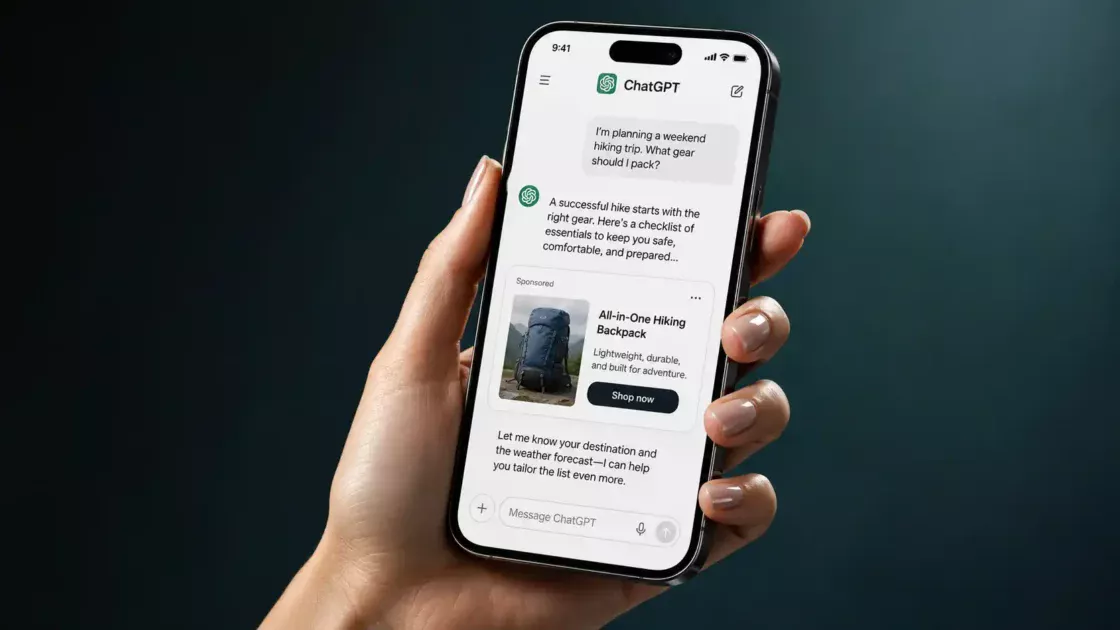
The easiest way to shrink real-time marketing into something smaller than it is is to treat it as a synonym for a clever social post. That is the version most people remember because Oreo’s blackout tweet became the classroom example that never goes away. Yet the category is wider, older, and messier than that. Harvard Business Review was already using the term “real-time marketing” in the mid-1990s, long before Twitter existed, and newer research treats it as branded communication tied closely to transient events, holidays, breaking moments, and social conversation. What matters is not just speed. What matters is whether the brand finds a live moment and turns it into something people instantly understand.
Table of Contents
That is why your question is a good one. It asks whether a practical example of real-time marketing can be found not only in a famous digital case, but also in a live performance culture moment such as Jamiroquai’s Bad Girls / Singin’ in the Rain from Verona, or in a globally watched news event such as the Chilean miners emerging in Oakley sunglasses. The short answer is nuanced. The Jamiroquai Verona moment sits on the border of the category. Oakley in Chile is a much cleaner example. The first is best read as a live cultural symbol being absorbed into a performance. The second is a brand placing itself inside a breaking event in a way that was useful, visible, and impossible to miss.
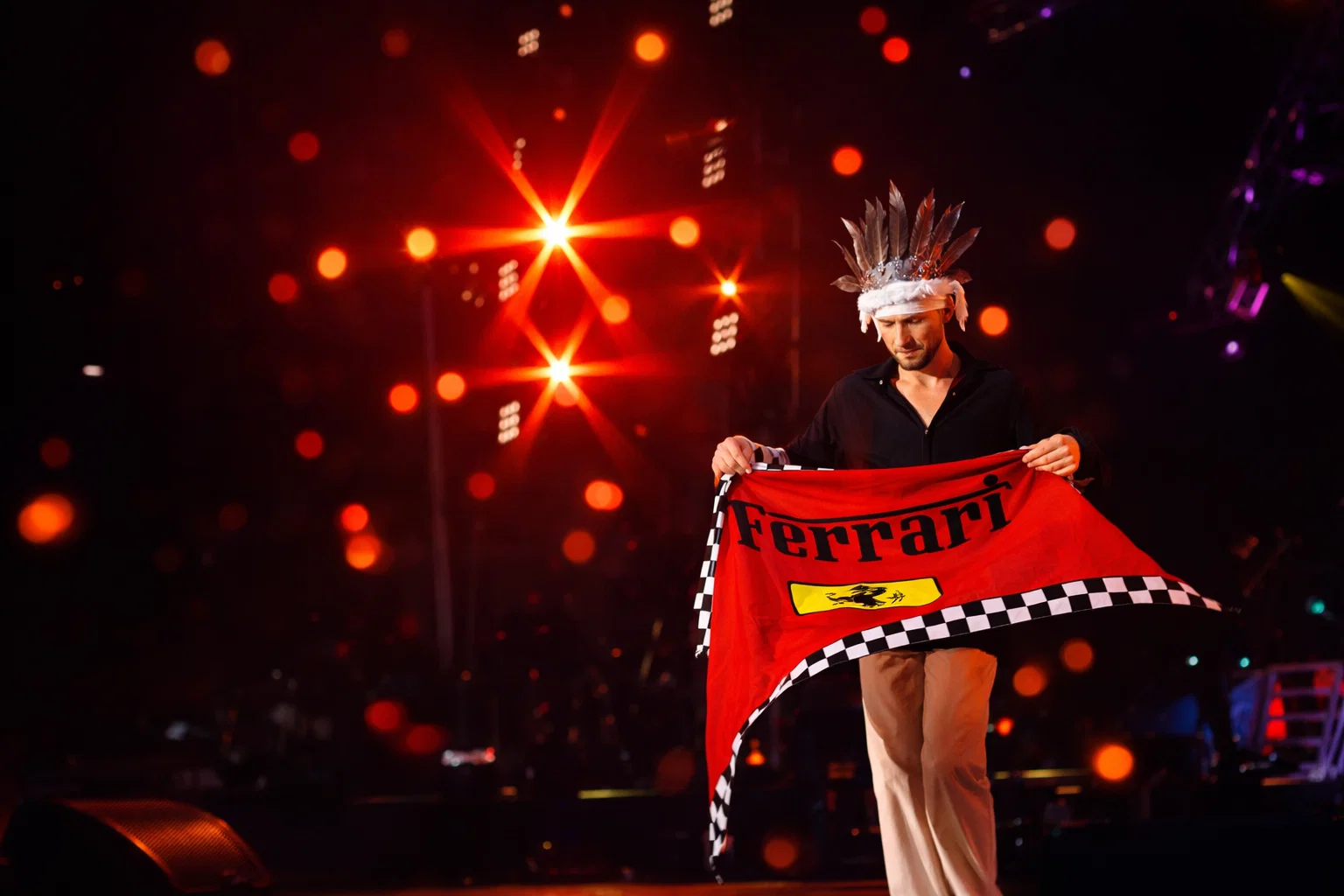
That distinction matters because real-time marketing is not just about being present during a live moment. A brand has to act as an actor, not merely appear as scenery. A performer can hold up a Ferrari flag and create a flash of brand meaning. That can feel like marketing because audiences process symbols faster than explanations. Yet unless Ferrari itself is responding, steering, amplifying, or benefiting through deliberate action, the case stays loose and interpretive. Oakley, by contrast, was not a stray symbol floating through the frame. Oakley supplied a product for a highly specific need, and the product became part of one of the most watched rescue stories of the decade.
The deeper lesson is that real-time marketing is really a test of fit under pressure. The brand must be fast enough to matter, relevant enough to belong, and legible enough that people “get it” before the moment cools. Research supports that view. Studies have found that real-time brand messages can increase sharing under the right conditions, but later work shows the picture is far less romantic than industry folklore suggests. Congruence matters. Audience fit matters. Predictable and prepared real-time content often performs better than purely improvised content. Originality and craft still matter even when the clock is ticking. In one 2025 study, RTM messages did not significantly increase consumer engagement overall, and improvised RTM actually hurt engagement when message comprehension and creativity weakened.
So the right way to answer your prompt is not with a flat yes or no. It is to sort the examples by what they really are. The Jamiroquai moment can absolutely be used in teaching as a borderline practical illustration of live, culturally charged brand signaling. Oakley and the Chilean miners stand up as a stronger real-time marketing and PR case. Oreo, Arby’s, Specsavers, Aviation Gin, and KFC show how the same logic travels across sport, awards shows, backlash cycles, and crisis response. DiGiorno shows what happens when a brand reacts quickly without understanding what the live conversation is actually about.
Real-time marketing starts with fit, not speed
Speed gets all the glory because it is easy to see. A post goes live in minutes. A billboard appears the next morning. A print ad lands while the crisis is still hot. It feels like quickness is the magic ingredient. That is only half true. Fast irrelevance is still irrelevance. If the brand has no business touching the moment, the response looks parasitic, confused, or cynical. That is why some reactive posts spread and others collapse on contact. The public does not ask whether the marketing team was fast. The public asks whether the brand belongs in the conversation.
Older thinking on real-time marketing already hinted at this. The 1995 HBR article used the term in a broader sense tied to closer, more immediate brand-customer interaction rather than the meme-speed social model that later dominated the topic. The digital era narrowed the public imagination of RTM into “react to something on social, fast.” Research since then has widened it again. The 2018 Journal of Advertising article on RTM and sharing behavior showed that linking brand messages to timely events can increase word of mouth. The 2023 Psychology & Marketing study added more texture by separating predictable and unpredictable real-time content and showing that audience variables and brand-moment congruence affect engagement. That is a better framework because it explains why the same speed produces very different outcomes.
There is also a structural reason people overrate speed. It is measurable in a way judgment is not. Anyone can brag that the team shipped a creative response in ten minutes. It is much harder to admit that the response was off-tone, opportunistic, or only loosely connected to the brand. Marketers often tell war-room stories because those stories flatter process. Audiences care about interpretation. They care about whether the message clicked. Digiday’s later reassessment of the Super Bowl “war room” era is useful here because it argues that brands chased the superficial ritual of immediacy long after the Oreo moment. The industry copied the set-up and missed the actual point.
That later research from 2021 and 2025 is especially helpful because it pulls RTM out of mythology. One study on creativity biases found that RTM messages often lean toward meaningfulness but lose on craftsmanship and originality, and that those creative dimensions still drive consumer response. The 2025 Journal of Business Research paper went even further, finding that RTM messages did not significantly raise engagement overall and that improvised RTM could reduce it. That should kill the lazy idea that any fast, topical post is automatically smart marketing. The clock creates opportunity, but it also strips away the time needed for better judgment.
A cleaner definition, then, is this: real-time marketing is branded communication built around a live or rapidly unfolding trigger where timing changes the meaning. Remove the timing and the idea loses force. That is why Oreo’s blackout tweet mattered on blackout night, why Arby’s had to speak while Pharrell’s hat was still a live television joke, why Specsavers could land an Oscars gag within the emotional aftershock of the envelope error, and why Oakley’s sunglasses became part of the Chile rescue story only because the rescue was global live television. The same message delivered a week later would not be the same message.
That definition also helps sort strong RTM from nearby categories. Some reactive work is really newsjacking, a term David Meerman Scott popularized for inserting a brand or idea into breaking news. Some is crisis response, where the brand addresses its own problem while public attention is still intense. Some is live cultural borrowing, where a performance, celebrity, or fan symbol creates a brand association without the brand truly authoring the act. These categories overlap, but they are not identical. A lot of confusion around the Jamiroquai example disappears once that line is drawn.
The Jamiroquai Verona moment sits on the border
The Verona performance is real, official, and culturally vivid. Jamiroquai’s concert at the Arena di Verona in 2002 was filmed and released as Live in Verona, and “Bad Girls” was part of the set. White Light describes the recording as a stormy evening at Arena di Verona, while setlist records the Festivalbar 2002 show in Verona with “Bad Girls” included. Apple TV and fan archive material also frame the release as the 2002 Verona concert recorded during the A Funk Odyssey tour.
Jay Kay’s association with cars, and with Ferrari-coded imagery in particular, is also not invented after the fact. Jamiroquai’s visual identity around Travelling Without Moving played openly with Ferrari-inspired design language, and long-running band archive material notes that the band’s love of cars was especially visible in that era. Ferrari itself later ran a magazine piece about Jay Kay that treated him as a genuine Ferrari enthusiast rather than a casual celebrity owner. So the Ferrari symbol in Jamiroquai’s orbit is not random decoration. It belongs to an existing public persona.
That is where the Verona moment becomes interesting. If the live Bad Girls / Singin’ in the Rain sequence includes Jay Kay taking or reacting to a Ferrari flag from the audience, viewers naturally read the gesture as more than a prop. It becomes a flash of recognition between performer identity, fan knowledge, and brand iconography. The audience understands it immediately because the symbol is already loaded. No explanation is needed. In communication terms, that is exactly what makes real-time material powerful: a compressed signal inside a shared live context. The frame carries extra meaning because everyone present or watching knows the moment is happening now.
Still, calling that a textbook example of real-time marketing would be too neat. The problem is agency. Unless Ferrari deliberately engineered the act, Ferrari is not really “marketing in real time” there. The brand is being evoked, not activated. What is happening is closer to live symbolic association than to brand-authored RTM. A celebrity, performer, or audience member can create branded meaning without the brand doing any immediate work at all. That is useful in analysis because it shows how live culture can hand brands value for free. It is less useful if you want a strict teaching example of how brands themselves execute real-time marketing.
This is the crucial distinction. A brand cannot claim full RTM credit merely because its logo or symbol appears in a live cultural event. Otherwise every football crowd shot with visible shirts, every concert banner, and every branded cap would count. That empties the category of meaning. For the term to stay useful, the brand needs to intervene, adapt, or respond while the moment is still alive. Ferrari’s symbolic presence in Jamiroquai’s universe is real. Ferrari as the active real-time marketer in that Verona moment is far harder to defend.
That does not make the example weak. It makes it pedagogically valuable for a different reason. The Jamiroquai case is excellent for showing that audiences often experience branding before brands do. Culture moves first. The marketing textbook catches up later. When a performer with an established Ferrari-coded identity pulls a Ferrari symbol into a live sequence, the audience is already doing the interpretive labor that brands usually try to engineer. They connect identity, mood, symbol, and timing. The moment feels branded because the cultural groundwork already exists.
So can the Verona performance be called a practical example of real-time marketing? Yes, but only with a qualifier. It is best described as a borderline or adjacent example: a live, time-sensitive, symbol-heavy moment that behaves like RTM from the audience’s point of view, while falling short of a full brand-driven RTM case. If you want a cleaner classroom example for a presentation or article, Oakley in Chile gives you stronger footing. If you want to show how branding can erupt inside culture without a brand controlling the whole scene, the Jamiroquai moment is rich and worth keeping.
Oakley found a sharper real-time opening in Chile
Oakley’s role in the 2010 Chilean miners rescue is much easier to classify. The basic facts are well documented. As the 33 trapped miners were brought to the surface after 69 days underground, they wore donated Oakley sunglasses to protect their eyes from harsh sunlight. The Telegraph reported ahead of the rescue that the miners would emerge in Oakley sunglasses, donated to provide full protection from ultraviolet light. PBS also noted during live rescue coverage that each miner was wearing donated wrap-around Oakley sunglasses. Reuters captured the scale and visibility of the rescue itself as the men were hoisted to safety before a massive global media audience.
This case has three qualities that make it stronger than the Jamiroquai example. First, the brand did something concrete. Oakley did not just appear in the frame; it supplied a product tied to a real human need. After more than two months underground, the miners’ eyes required protection from bright light. Second, the event was not niche. It was one of the most watched news stories in the world. Third, the branding was not abstract. The product sat on the miners’ faces as they emerged one by one, turning each rescue image into a repeated brand impression.
That is why the Oakley episode is often discussed as an RTM and PR coup. David Meerman Scott called it “an fantastic example of Real-Time Marketing & PR in action,” and even if that praise comes from a marketing thinker rather than a neutral news desk, the structure of the case supports the argument. The company moved quickly around a global event, attached the brand to a clear use-case, and became part of the visual story without buying a conventional ad slot. It was reactive, useful, and highly legible.
There is an ethical wrinkle, and that wrinkle is part of the lesson. The Oakley case worked partly because it solved a real problem. That gives the brand moral cover. Yet it also generated enormous visibility from a human tragedy. That is not a side note. It is the central tension. Real-time marketing often sits very close to opportunism, and brands get judged not only on relevance but on decency. Oakley avoided a backlash because the product fit the need and did not interrupt the rescue with obvious self-congratulation. The branding was visible, but the act itself could still be defended as practical help.
This is precisely why Oakley is such a useful teaching case. It shows that real-time marketing works best when usefulness and visibility overlap. If the sunglasses had been medically unnecessary, the story would have tilted toward exploitation. If the sunglasses had been needed but unbranded, there would have been no marketing case to discuss. RTM often depends on that uneasy overlap between service and exposure. Marketers like to talk about relevance; audiences are really judging whether the relevance is earned. Oakley earned enough of it to escape the accusation of pure opportunism.
It is also a reminder that RTM is not born on social media alone. The modern conversation about the subject often begins with Twitter because social platforms make reaction time visible. Oakley’s Chile story shows a broader model: a real-time marketing result can be built through product placement inside live news coverage, provided the placement is functionally justified and timed to the event. That makes it closer to strategic PR, but that is not a contradiction. Some of the best RTM lives in the overlap between PR, brand communication, and cultural responsiveness.
So if the goal is to answer your prompt cleanly, the verdict is straightforward. The Oakley example is not merely usable. It is one of the sharper practical cases available because it shows timing, utility, symbolism, and global visibility all at once. The Jamiroquai Verona moment can stay in the conversation, but Oakley belongs in the syllabus.
Two cases, two levels of real-time marketing
Jamiroquai Verona and Oakley Chile compared
| Case | What happens in the moment | Who is actively shaping the brand meaning | How strong it is as RTM |
|---|---|---|---|
| Jamiroquai in Verona | A Ferrari-coded symbol enters a live performance already tied to Jay Kay’s car persona | Mostly the performer, audience, and cultural context | Borderline RTM / strong live brand association |
| Oakley and the Chilean miners | Oakley sunglasses solve a real need during a globally televised rescue | The brand, through timely product intervention and visible fit | Clear RTM and PR case |
The comparison is useful because it keeps the category honest. Not every live branded image is RTM, and not every RTM case begins with a tweet. Verona shows symbol-driven association. Chile shows active brand intervention under live attention. Both teach something. Only one is a clean example.
Oreo turned confusion into a category-defining response
No discussion of real-time marketing gets very far without Oreo, and there is a reason the example survived so long. During the 2013 Super Bowl blackout, Oreo published the now-famous message “Power out? No problem.” paired with “You can still dunk in the dark.” Wired captured the speed and scale of the reaction, while Forbes described it as the talk of the game and reported roughly 15,000 retweets early on. Oreo’s own post still exists on X.
What made Oreo special was not just that it was fast. It was that the brand idea was absurdly clear. Cookies are dunked. The stadium was dark. The joke wrote itself, but only because the brand had a product behavior people already knew. That is the hidden engine of great RTM: the brand already has a shortcut in the audience’s head. Oreo did not need to explain a new idea. It only had to snap an existing idea into a fresh event. That is why so many brands copied the format and failed. They chased the speed and missed the semantic fit.
The Digiday oral history adds another useful correction. Oreo’s post became the symbol of spontaneity, but the machine behind it was less romantic. Teams were assembled, people were aligned, approvals were streamlined, and the brand had built the internal conditions for quick work. Digiday’s later piece on the decline of the war-room craze made the next correction: brands copied the ritual of having teams on standby and treated that as strategy. Preparation helped Oreo. Preparation alone did not make everyone else funny, relevant, or memorable.
Oreo matters because it reset expectations. Before that tweet, live-event marketing mostly meant expensive sponsorships, television buys, and slower-response media coverage. After Oreo, brands wanted the low-cost cultural upside of behaving like live participants. The blackout tweet suggested that a well-timed post could cut through a game dominated by massive ad budgets. That idea was intoxicating, and for a while the industry behaved as if every televised event contained dozens of Oreo-sized openings. It did not. Most moments are not that clean. Most brands do not have that level of fit.
Research helps explain why Oreo became the legend and not merely a one-night curiosity. The event was unexpected, highly shared, easy to understand, and perfectly matched to a product behavior. Those are the conditions under which RTM tends to travel. The 2018 study on sharing behavior backs the idea that timely brand messages can catalyze word of mouth. The later 2025 study complicates the picture by showing that RTM does not raise engagement by default. Oreo worked not because RTM always works, but because this specific brand, on this specific night, with this specific trigger, had the rare kind of fit people now mistake for a repeatable formula.
That is why Oreo still matters for your question. It provides the clean benchmark against which edge cases can be judged. Place Jamiroquai Verona beside Oreo and you immediately see the missing piece: Ferrari is symbolically present, but Ferrari is not Oreo. Place Oakley beside Oreo and the family resemblance becomes clearer: live event, rapid fit, obvious meaning, repeated visual payoff. The platform differs. The logic is the same.
The second wave proved the idea was bigger than the Super Bowl
The best post-Oreo examples matter because they show RTM escaping the sports blackout cliché. Arby’s did it during the 2014 Grammys. When Pharrell Williams appeared in the now-famous oversized hat, Arby’s fired off “Hey @Pharrell, can we have our hat back? #GRAMMYs.” The joke worked because the resemblance between Pharrell’s hat and the Arby’s logo was immediate. Arby’s later bought the hat for charity, and the episode became significant enough to win recognition at the Shorty Awards. It was light, brand-native, and perfectly timed to the live conversation.
Specsavers showed a different flavor of reactive thinking after the 2017 Oscars envelope fiasco. Following the mistaken announcement of La La Land instead of Moonlight, Specsavers moved quickly with cheeky creative built around its long-running eyesight positioning. JCDecaux documented the reactive campaign as a response to the Oscars blunder, while Time explained the mechanics of the award-show mistake itself. Specsavers did not need to invent a new brand voice for the moment. It already had one. That is one of the strongest patterns in successful RTM: the event changes, but the brand voice does not suddenly become somebody else’s.
Aviation Gin’s response to the Peloton backlash in 2019 added another twist. After Peloton’s holiday ad generated widespread discomfort and mockery, Aviation Gin moved fast and cast the same actress in a tongue-in-cheek follow-up ad. Time framed it as a direct satirical answer to the backlash, and the spot itself was posted on YouTube by Ryan Reynolds. This was reactive marketing operating almost at entertainment speed. It did not merely comment on a trending story; it produced new creative while the original ad was still dominating conversation.
These examples are worth grouping together because they reveal the internal mechanics of strong RTM. Arby’s won on visual resemblance and simplicity. Specsavers won on brand consistency. Aviation Gin won on narrative hijack and production speed. None of them required a huge essay from the brand. None depended on obscure context. All three were instantly decodable. Real-time marketing has a comprehension problem before it has a design problem. If people need too much time to decode the message, the moment is gone.
There is another shared trait. Each brand touched a moment where public attention was already concentrated. That is obvious, yet often missed. RTM is not just “respond quickly.” It is “respond where attention has suddenly pooled.” The brand does not create the tide. It steps into it. Jamiroquai’s live Ferrari-coded moment works on a smaller but similar principle: a symbol lands inside already concentrated attention. Oakley works on a massive news scale. Oreo, Arby’s, Specsavers, and Aviation Gin work on mass-media culture. The surface forms change. The attention structure stays familiar.
A final point often gets lost because these examples are funnier than they are strategic. The best RTM is rarely generic. It usually grows from a pre-existing brand asset: Oreo’s dunking ritual, Arby’s hat-like logo, Specsavers’ eyesight joke, Aviation Gin’s ironic tone, Oakley’s performance eyewear. Without that asset, the brand has to borrow too much from the event itself, and the result becomes thin. That is one reason the category is harder than it looks. The event is only half the content. The brand must already have something sharp to bring into the frame.
Timing without judgment is where brands get hurt
Real-time marketing fails for reasons that are almost embarrassing in hindsight. The brand enters a topic it has not understood, mistakes virality for permission, or reacts so mechanically that it feels like a bot with a logo. The DiGiorno #WhyIStayed incident remains one of the cleanest cautionary tales. In 2014, the brand used a hashtag tied to domestic violence survivors to sell pizza. Time covered the backlash and the company’s apology after the social team failed to understand the context of the trend. It is hard to find a clearer example of speed without judgment.
DiGiorno is useful because the error was not technical. It was interpretive. The brand saw a trending phrase and treated it as open inventory. That is the dark side of reactive culture. Marketers are taught to look for hot conversation. What they need is a way to distinguish public attention from public grief, anger, or vulnerability. The difference is moral before it is strategic. A reactive joke on a harmless awards-show error is one thing. A reactive joke on a hashtag built from abuse testimony is something else entirely.
Research on newsjacking helps here. The 2019 paper on the effectiveness of newsjacking-based social content argues that newsjacking can work, but not everywhere, not for everyone, and not under all emotional conditions. That should be obvious, yet bad RTM repeatedly proves that many brands still do not ask the first human question: what kind of moment is this? If the answer is pain, mourning, violence, or structural harm, the default should not be “jump in fast.” The default should be “stay out unless you have a direct, credible, useful role.”
The war-room era made this worse because it trained marketers to value reaction velocity as a form of competitive advantage. Velocity can be useful. It can also shorten the distance between ignorance and publication. Digiday’s later criticism of war-room culture captured part of that problem. Chasing every cultural blip is not a strategy. It is often a way of outsourcing brand judgment to the speed of the feed. Brands do not need more moments. They need better filters.
There is a reason KFC’s 2018 “FCK” apology is often grouped with real-time cases even though it was not a live-event joke. KFC faced an immediate public crisis when delivery problems caused restaurant closures across the UK. D&AD and Adweek both frame the ad as the brand’s response to a huge national story. The ad worked because it owned the problem directly and matched public frustration rather than pretending the moment was playful. Reactive marketing can be serious, humble, and still memorable. That is an important correction to the idea that RTM always has to be witty.
So the lesson from failure is not “do not react.” It is “know the emotional temperature before you react.” Humor works when the moment permits humor. Utility works when the moment needs utility. Apology works when the brand caused the story. Silence works more often than reactive teams like to admit. Real-time marketing is not a bravery test. It is a judgment test.
The research is less romantic than the case studies
Industry storytelling loves a hero example, then spends years pretending the hero example is a template. Academic work is usually much less impressed. That tension is healthy. The 2018 Journal of Advertising study found that RTM can increase sharing behavior and identified moment- and content-related factors that shape effectiveness. That finding helps explain why certain brand messages travel so well in a live context. There is real upside here. People do share timely, well-fitted brand content.
The 2023 Psychology & Marketing study deepens that by looking at predictable versus unpredictable RTM and how audience-related variables shape engagement. It suggests that brands benefit when the audience feels involved, when social media use is intense, and when there is strong congruence between brand and moment. That is a fancy way of saying something simple: people respond better when the brand does not feel randomly attached to the event. Congruence is not decoration. It is one of the conditions of response.
The 2021 creativity-biases paper introduces another useful complication. RTM messages often score high on meaningfulness because they are tied to relevant events, yet the pressure to move fast can hurt originality and craftsmanship. Consumer response, though, still depends heavily on those creative dimensions. That finding fits what marketers already sense but often refuse to admit. A merely topical post is rarely enough. “We reacted quickly” is not the same as “we made something good.”
Then the 2025 Journal of Business Research paper lands the sharpest blow against RTM folklore. It found that RTM messages in social media did not significantly increase consumer engagement overall. Even more important, planned RTM marginally helped while improvised RTM reduced engagement because of weaker comprehension and creativity. That is a brutal result for the mythology of the genius social manager firing from the hip. It does not mean spontaneity never works. It means spontaneity is not the default winner the industry once imagined.
This body of research is valuable for your original examples. It helps explain why Jamiroquai Verona feels rich but unstable as a case study. The symbolic fit is there, but the brand actor is diffuse. It helps explain why Oakley in Chile is stronger: brand-moment congruence is vivid, utility is obvious, and comprehension is instant. It helps explain why Oreo became iconic: perfect fit and perfect clarity. It also explains why many imitation campaigns fade: low congruence, weaker craft, generic humor, or no real brand role.
There is comfort in the research, even for practitioners. It says you do not need to react to everything. You need to react well to the few moments that genuinely fit. That is a harder discipline, but it is also a saner one. Real-time marketing is not a machine that rewards constant motion. It rewards selectivity.
A practical test for deciding whether a moment counts
If you need a practical framework for classifying examples, use five checks.
First, ask whether timing changes the message. If the same creative could run a month later with no loss of force, the work is probably not RTM. Oreo needed blackout night. Arby’s needed the Grammys while Pharrell’s hat was live. Oakley needed the rescue window.
Second, ask whether the brand is an actor or a spectator. This is the Jamiroquai filter. A Ferrari symbol inside a Jay Kay performance creates branded meaning, but Ferrari itself may still be a spectator. Oakley was an actor. Oreo was an actor. KFC was an actor in its own crisis. This one question often clears up the argument fast.
Third, ask whether the fit is obvious without explanation. If viewers need a paragraph to decode the brand-event link, the moment is already slipping away. Arby’s, Specsavers, and Oreo all won because the audience could process the joke almost instantly. RTM thrives on fast recognition.
Fourth, ask whether the emotional tone is appropriate. DiGiorno failed this test. KFC passed it by meeting frustration with apology rather than with false cheer. Oakley passed it because the product was useful, not flippant. Tone is not a finishing touch. In reactive work, tone decides whether the brand feels human or predatory.
Fifth, ask whether the brand brings something of its own. The strongest RTM draws on an existing brand asset: a ritual, a logo, a voice, a product function, a long-held identity. Jamiroquai’s Ferrari-coded world has that asset. Oreo has dunking. Oakley has performance eyewear. Specsavers has eyesight humor. Without a genuine brand asset, the reactive work tends to feel generic and forgettable.
By that test, the verdicts line up cleanly. The Jamiroquai Verona case qualifies as a useful edge case because the timing and symbolic fit are real, but the brand-actor test is weak. Oakley clears all five. Oreo clears all five. Arby’s clears all five. Specsavers clears all five. Aviation Gin clears most of them because it moved fast, had a clear narrative hook, and used a voice people already associated with Ryan Reynolds’ brand style. DiGiorno fails on fit and tone almost instantly.
The reason these examples still matter
Real-time marketing keeps getting declared dead, overhyped, or misunderstood. All three judgments contain some truth. The buzzword phase is long past. The easy money is gone. Audiences are less impressed by brands that act like overeager commentators on every passing event. Digiday’s post-mortem on war-room culture made that clear years ago. Yet the underlying discipline is still alive because brands still need to interpret public moments faster than old campaign cycles allow.
That is why the best examples keep resurfacing in teaching and strategy conversations. They are not simply trophies from an earlier social era. They reveal a lasting communications problem: how does a brand enter a live moment without looking late, lost, or opportunistic? Jamiroquai Verona answers from the side of cultural symbolism. Oakley answers from the side of utility and visibility. Oreo answers from the side of concise wit. Arby’s answers from resemblance. Specsavers answers from consistency. KFC answers from humility. DiGiorno answers from failure.
That is also why your original examples are better than they might look at first glance. They push the conversation beyond lazy digital clichés. They force a distinction between live brand association and active brand intervention. They remind us that real-time marketing can happen on a stage, in a newsroom, on a sports broadcast, in an awards-show aftermath, or in the middle of a company’s own operational failure. The form changes. The interpretive pressure stays the same.
So the cleanest closing answer is this. Yes, you can use the Jamiroquai Verona moment as a practical example, but present it honestly as a borderline case of live symbolic real-time branding rather than a perfect textbook example of brand-authored RTM. Oakley’s Chile miners episode is the stronger, cleaner case. Add Oreo, Arby’s, Specsavers, Aviation Gin, and KFC as supporting examples. Keep DiGiorno in the deck as the warning. That combination gives you something much better than a list of viral anecdotes. It gives you a working theory of why some live moments become marketing and others never quite do.
FAQ
Real-time marketing is branded communication tied closely to a live or fast-moving event where timing changes the message’s value and meaning. It is broader than social posting and can include PR, crisis response, live-event reaction, and news-linked creative.
No. Social platforms made RTM famous, but the Oakley miners case shows that live news visibility and product intervention can also function as RTM, and KFC’s print apology shows that newspaper creative can operate with the same reactive logic.
It can count as a borderline example. It behaves like RTM from the audience’s point of view because it creates immediate branded meaning inside a live moment, but it is weaker as a textbook case because Ferrari itself is not clearly the active brand actor.
Because Oakley actively supplied a useful product at the exact moment of a globally televised rescue, making the brand both functionally relevant and highly visible. That is far closer to clear brand-authored RTM.
It was all three at once. The sunglasses solved a real problem, created unmistakable brand exposure, and became part of a major news narrative, which is why it works so well as a hybrid RTM and PR example.
Because the product behavior, the joke, and the event lined up perfectly. People instantly understood the message, and Oreo reacted while the blackout was still unfolding.
Not in the mythical sense people often imagine. Later reporting showed that teams, approvals, and preparation were already in place, which made a rapid response possible.
The visual resemblance between Pharrell’s hat and the Arby’s logo was immediate, the joke was short, and the brand spoke while the audience was already focused on the live event.
Specsavers did not invent a new personality for the moment. It used the same eyesight-based humor the brand was already known for, which gave the reactive creative a natural fit.
It exploited an existing backlash, used the same actress from the original ad, and produced new creative while the controversy was still hot, turning reaction into entertainment.
Yes. KFC’s “FCK” ad is a strong case. It reacted directly to a public operational crisis while attention was intense and used a tone that matched public frustration.
The brand reacted to a trending hashtag without understanding that it centered domestic violence survivors’ stories. It failed on context, tone, and basic human judgment.
No. Research is mixed. Some studies show RTM can increase sharing and engagement under the right conditions, but newer work shows the effect is far from automatic.
Recent research suggests planned RTM can outperform improvised RTM, which may suffer from weaker comprehension and creativity when rushed.
Newsjacking is usually treated as a subset of RTM focused on inserting a brand or idea into breaking news. RTM is broader and includes live-event reactions, crisis responses, and time-sensitive branded messages outside strict news cycles.
Ask whether timing changes the message. If the creative loses its force once the moment passes, you are probably dealing with RTM rather than ordinary evergreen marketing.
Yes. That is one reason the Jamiroquai example is interesting. Live performers can generate real branded meaning through symbols, style, and audience recognition even when the brand itself is not actively steering the moment.
A balanced set would include Oakley and the Chile miners, Oreo’s blackout post, Arby’s Pharrell tweet, Specsavers after the Oscars error, Aviation Gin’s Peloton response, KFC’s “FCK” apology, and DiGiorno’s #WhyIStayed mistake as the warning case.
Author:
Jan Bielik
CEO & Founder of Webiano Digital & Marketing Agency
This article is an original analysis supported by the sources cited below
Real-Time Marketing
A foundational Harvard Business Review article showing that the term long predates social media-era reactive posting.
Let’s Get Real (Time)! The potential of real-time marketing to catalyze the sharing of brand messages
An academic study on RTM and message sharing that helps separate effective timely content from empty trend-chasing.
Social media engagement and real-time marketing: Using net-effects and set-theoretic approaches to understand audience and content-related effects
A useful research source on predictable and unpredictable RTM and the role of brand-moment congruence.
Real-time marketing messages and consumer engagement in social media
A 2025 Journal of Business Research article that complicates industry myths by showing RTM does not automatically lift engagement.
Spot-On Creativity: Creativity Biases and Their Differential Effects on Consumer Responses to Real-Time Marketing
Research on the creative trade-offs inside RTM, especially the tension between speed, meaning, originality, and craftsmanship.
News you can use! Evaluating the effectiveness of newsjacking based content on social media
An academic source on newsjacking effectiveness that sharpens the distinction between reactive relevance and opportunism.
Newsjacking
David Meerman Scott’s official site for the concept he popularized, useful for separating newsjacking from broader RTM.
David Meerman Scott
Background on the founder of the newsjacking concept, relevant to the historical framing of reactive marketing.
Jamiroquai Setlist at Festivalbar 2002
Setlist data confirming Jamiroquai’s Verona performance and the inclusion of “Bad Girls.”
JAMIROQUAI: LIVE IN VERONA
Production page describing the stormy 2002 Verona concert film.
Jamiroquai: Live in Verona
A platform listing that confirms the concert film’s framing and setting.
Jamiroquai | Music | Videos | Live In Verona
A long-running Jamiroquai archive that documents the Verona release and track sequence.
Jamiroquai | The Band | Cars
Archive material tying Jamiroquai’s identity to car culture and Ferrari-coded visual language.
Ferrari’s space odyssey
Ferrari’s own magazine piece on Jay Kay, useful for establishing his genuine association with the marque.
Chile miners: sunglasses men will wear to see the light
A report explaining why the miners would emerge wearing donated Oakley sunglasses.
Developing: Rescue Operation for Chilean Miners
PBS coverage documenting the live rescue and the miners’ wrap-around Oakley eyewear.
More than half trapped Chilean miners rescued
Reuters coverage establishing the rescue as a major live global news event.
Made in the Shade with Oakley real-time Chile miner marketing coup
A contemporaneous marketing analysis that explicitly frames the Oakley episode as RTM and PR.
How Oreo Won the Marketing Super Bowl With a Timely Blackout Ad on Twitter
One of the clearest early reports on Oreo’s blackout response and why it landed so hard.
Power out? No problem.
Oreo’s original post, central to any primary-source discussion of the campaign.
The definitive oral history of the Oreo ‘You can still dunk in the dark’ Super Bowl tweet
A rich reconstruction of the now-canonical RTM case and the process behind it.
You can still dunk in the dark, but you don’t need a war room
A later corrective on how the industry overlearned the Oreo lesson.
Hey @Pharrell, can we have our hat back? #GRAMMYs
Arby’s original live-event tweet from the 2014 Grammys.
Pharrell Williams’ Grammys hat bought by Arby’s for $40,100
Coverage of the campaign’s afterlife and Arby’s purchase of the hat.
Arby’s™ Pop Culture Hat Trick
Award documentation that helps show how the campaign was later understood and judged.
Specsavers gets cheeky with reactive campaign following Oscars blunder
A documented reactive-out-of-home example tied to the Oscars envelope mistake.
Oscars 2017 Best Picture Mistake: How It Happened
Background on the live awards-show error that triggered the Specsavers response.
‘Peloton Wife’ Returns in a New Aviation Gin Ad – And She Definitely Needs a Drink
Time’s coverage of Aviation Gin’s fast reaction to the Peloton backlash.
AdWatch: Aviation Gin / The Gift That Doesn’t Give Back
The ad itself, useful as a primary creative source for the campaign.
FCK
D&AD’s archive entry documenting KFC’s reactive print response to its chicken shortage crisis.
‘You Want Me to Write FCK on a Bucket?’ How KFC’s PR Crisis Became a Print Ad for the Ages
A detailed industry account of how KFC’s apology ad was made and why it resonated.
DiGiorno Used a Hashtag About Domestic Violence to Sell Pizza
A classic failure case showing what happens when brands react to a trend without understanding its meaning.
Cover image: Reprophoto Youtube upscaled
| Citing this article? Brief excerpts are welcome. Please credit Webiano.digital, name the author where stated, and include a link to https://webiano.digital and to this original article. Full or substantial republication requires prior written permission. Read our Copyright and Content Use Policy. |
This article was prepared with the assistance of artificial intelligence tools. The content underwent expert human review, and Webiano Digital & Marketing Agency assumes editorial responsibility for its final version and publication.