Search used to have a simple bargain. A person typed a query, a search engine returned links, and the publisher fought for the best visible position. That bargain has not vanished, but it is no longer the whole market. A growing share of discovery now happens inside generated answers, AI summaries, conversational search, research agents, shopping assistants, and answer engines that decide which sources to quote, cite, summarize, ignore, or compress into a single sentence.
Table of Contents
Search visibility has moved beyond rankings
That shift is the reason every serious business needs a GEO strategy. Generative engine optimization is the discipline of making a brand, its expertise, its evidence, and its content easier for AI-powered answer systems to understand, trust, retrieve, cite, and represent accurately. It is not a replacement for SEO. It is the missing layer above SEO, because the user’s path is no longer only “query, ranking, click.” The path is now often “question, generated answer, citation, follow-up, comparison, decision.”
Google’s own guidance makes the change plain. AI Overviews and AI Mode do not behave like a classic list of ranked links. Google says these features surface supporting links, may use query fan-out across subtopics and data sources, and may show a broader set of supporting pages than classic search. The same documentation says there are no separate technical requirements beyond being indexed, eligible for Search, and eligible to show a snippet, but that does not make the strategic problem disappear. It makes it sharper. If many sites meet the baseline, the advantage moves to clarity, evidence, entity strength, structure, reputation, and usefulness.
The old SEO mindset asks, “Where do we rank?” GEO adds harder questions. Does the model know who we are? Does it understand the category we belong to? Does it connect our brand to the right entities, services, locations, authors, products, and proof points? Does it cite our pages when users ask comparison questions? Does it represent us correctly when a prospect asks for a short list of vendors? Does it mention competitors and omit us? Does it draw from outdated pages, scraped snippets, marketplace profiles, review sites, Reddit threads, or third-party directories because our own content is thin?
These are not abstract concerns. Bing launched AI Performance in Webmaster Tools in 2026 to show when publisher content appears as citations in Microsoft Copilot, Bing AI-generated summaries, and selected partner integrations. Its own release says visibility is no longer only about blue links but also about whether content is cited and referenced in AI answers. That is a platform-level admission that citation visibility has become measurable search infrastructure, not a marketing buzzword.
GEO also changes the relationship between brand and content. Traditional SEO could reward a page that captured a keyword even when the brand behind it was not strongly remembered. Generative systems work differently. They synthesize. They compare. They compress. They often pull from multiple sources. They may answer with a brand list, a definition, a recommended process, a risk summary, or a buying explanation before the user clicks anything. A brand that is merely findable is weaker than a brand that is quotable, attributable, and easy to include in an answer.
That is why “everybody needs GEO” is not only a claim for publishers or SaaS companies. Local businesses need it because AI assistants answer “best near me” questions with entity-level confidence. Ecommerce brands need it because generated shopping advice can frame product categories before the user reaches a product page. B2B companies need it because buyers ask AI tools to shortlist vendors, explain technical differences, draft RFP criteria, and compare alternatives. Media companies need it because summaries can satisfy informational demand before the article visit. Professional services firms need it because expertise is being judged before a human reaches the website.
The shift is uncomfortable because it breaks familiar reporting. Clicks still matter. Rankings still matter. Conversions still matter. Yet the first battle is increasingly fought inside an answer the brand may never see unless it measures citations, entity presence, assistant referrals, query patterns, branded demand, and third-party mentions. A business without GEO is leaving its public meaning to machines, competitors, directories, aggregators, old pages, and fragments of the web it does not control.
GEO belongs beside SEO, not beneath it
The worst way to understand GEO is to treat it as a fashionable renaming of SEO. The second-worst way is to treat it as a magic trick for forcing AI systems to cite a page. Neither view is useful. SEO and GEO share a base, but they are solving related problems at different stages of discovery.
SEO still handles crawlability, indexing, page relevance, internal links, content quality, technical health, structured data, backlinks, Core Web Vitals, local listings, and search intent. Without those foundations, most GEO work has nothing stable to stand on. Google says the same SEO best practices remain relevant for AI features in Search, including crawl access, internal linking, textual content, page experience, and structured data that matches visible page content.
GEO adds a second layer. It asks whether a generative system can use the content as evidence inside an answer. A page may rank, yet still be a poor citation candidate because it hides the answer, lacks definitions, buries facts, avoids named entities, makes vague claims, fails to cite sources, or reads like generic marketing copy. A page may sit below the top result and still be selected as a supporting source if it gives a precise answer, has strong topical fit, and resolves ambiguity better than higher-ranking pages.
The original academic paper that popularized the term “Generative Engine Optimization” described generative engines as systems that synthesize information from multiple sources and introduced GEO as a way for content creators to improve visibility in generated responses. The researchers reported visibility gains of up to 40% in their evaluation and found that strategies vary by domain. That last part matters. There is no universal GEO formula. A medical publisher, a SaaS vendor, a local law firm, and a recipe site should not use the same content pattern.
SEO often rewards topical coverage. GEO rewards coverage that is also extractable. SEO values links. GEO values links, mentions, citations, entity consistency, source quality, and the way facts are stated. SEO often optimizes pages for a query. GEO prepares a corpus for many phrased questions, follow-ups, comparisons, and subtopic retrieval. SEO can chase a ranking position. GEO must think in terms of inclusion, attribution, summarization, and correction.
SEO and GEO roles in modern discovery
| Area | SEO focus | GEO focus |
|---|---|---|
| Visibility target | Ranking in search results | Inclusion and citation in generated answers |
| Main unit of work | Page and query | Entity, answer, evidence, and source set |
| Content pattern | Search-intent page | Extractable, attributable, synthesis-ready content |
| Measurement | Rankings, impressions, clicks, conversions | Citations, mentions, answer presence, AI referrals, brand accuracy |
| Technical base | Crawlability, indexability, site health | Bot access choices, snippets, structured facts, retrievable text |
| Reputation signal | Links, authority, engagement | Links, mentions, reviews, citations, third-party corroboration |
The table is not a declaration that SEO is old and GEO is new. It shows why the two need each other. SEO gets the content into the searchable web. GEO increases the chance that AI systems can use that content when they form an answer.
A healthy strategy treats classic search and AI search as one connected system. Search engines still crawl, index, rank, and retrieve. Answer engines still need documents, entities, references, and user trust. Models may summarize, but they cannot responsibly summarize what they cannot find, parse, or verify. The web remains the evidence layer, even when the interface looks like a chat box.
The practical shift is organizational. SEO teams cannot own GEO alone if the brand’s public facts are scattered across sales decks, PR pages, product sheets, review sites, help centers, partner profiles, and old blog posts. Content teams cannot own it alone if technical teams block the wrong crawlers or publish JavaScript-heavy pages with little retrievable text. PR teams cannot own it alone if mentions are not tied to clear category language and authoritative proof. GEO sits between search, content, brand, PR, product marketing, analytics, and web operations.
That is why it belongs beside SEO as a strategic layer. The business still needs to be found. Now it also needs to be understood, selected, cited, and described correctly.
The citation is becoming the new click
Clicks are not dead. People still click, compare, read, buy, book, subscribe, and request demos. Yet the click has lost its monopoly on value. A user may see a brand cited in an AI Overview, ask a follow-up question in AI Mode, paste a vendor name into ChatGPT, compare three products in Perplexity, then search the brand directly two days later. The attribution trail becomes messy. The influence is real.
Pew Research Center’s March 2025 browsing analysis found that Google users who encountered an AI summary clicked a traditional search result in 8% of visits, compared with 15% when no AI summary appeared. Pew also found that users clicked a link inside the AI summary in only 1% of visits with such a summary.
That does not mean AI summaries have no value for publishers or businesses. It means value is moving upstream. Being named, cited, and framed inside an answer may influence demand before it produces a visit. That creates a measurement problem, because many analytics dashboards were built for last-click behavior. If a generated answer reduces immediate clicks but increases branded search, direct traffic, assisted conversions, sales conversations, or shortlist inclusion, the old dashboard undercounts the impact.
Similarweb estimated that AI platforms generated more than 1.13 billion referral visits in June 2025, while Google Search generated about 191 billion referrals in the same month. AI referrals were far smaller in absolute terms, but Similarweb estimated they were up 357% year over year. The signal is not that Google traffic has vanished. The signal is that AI discovery is becoming a parallel channel, and its growth curve is different from classic search.
The citation is also more powerful than a normal blue link in one specific way: it appears inside an answer that has already done part of the user’s thinking. A standard search result says, “This page may answer you.” A generated citation says, “This source helped form the answer.” That difference affects trust. A cited source inherits some authority from the answer interface, especially when the user is researching a topic they do not understand well.
For brands, this changes the content target. A page written only to attract a click may over-promise in the title, delay the answer, or force the user through a long narrative before giving useful facts. That behavior is weak in AI search. Generated-answer systems need passages that can stand alone, resolve a specific question, and connect to a credible source. The best citation candidates often contain clear definitions, direct claims, supporting data, named authors, updated dates, comparison logic, and visible source material.
The danger is that marketers start chasing citations as vanity metrics. A citation without relevance is noise. A mention in a low-intent answer may not move the business. A generated answer that cites a brand inaccurately may damage trust. GEO measurement must separate four things: citation volume, citation quality, answer context, and business effect.
A useful citation answers one of these business questions: Did the AI system include us in a category where buyers compare options? Did it use our research as evidence? Did it quote our definition? Did it show our page as a supporting source for a high-intent query? Did it mention us accurately against competitors? Did the answer move users toward our owned experience?
The new click is not literally a citation. It is attributed presence at the moment of synthesized decision-making. That is what makes GEO strategic. The brand is no longer competing only for traffic. It is competing for representation.
AI engines reward content they can trust and reuse
A generated answer is not a normal search result with friendlier formatting. It is a compressed output. That output needs inputs. The engine retrieves, ranks, filters, blends, and writes. In that process, content that is vague, unsupported, anonymous, outdated, or difficult to parse becomes harder to reuse responsibly.
Google’s people-first content guidance stresses usefulness, reliability, and E-E-A-T. It says quality raters are trained to evaluate whether content has strong experience, expertise, authoritativeness, and trustworthiness, though rater data itself does not directly control rankings. That distinction is often misunderstood. E-E-A-T is not a single hidden score a marketer can manipulate. It is a framework for judging whether content deserves trust.
For GEO, the framework becomes even more relevant because AI systems summarize. Summarization raises the cost of ambiguity. If a page says “we provide leading solutions for modern teams,” the model has almost nothing concrete to use. If a page says “our platform manages consent records for healthcare organizations under HIPAA-governed workflows,” the system can connect the brand to a category, audience, use case, and regulatory context. Specificity is not decoration. It is machine-readable meaning.
Trust also comes from evidence. The strongest GEO content does not merely assert. It demonstrates. It uses original data, named examples, process detail, product documentation, author credentials, case studies, comparisons, limitations, and source citations. It gives the model something factual to hold.
This is where many companies fail. They publish polished pages that say nothing risky enough to be useful. They avoid numbers because legal approval is slow. They avoid comparisons because competitors may be mentioned. They avoid definitions because “everyone knows what we do.” They avoid naming use cases because sales wants flexibility. The result is content that feels safe to humans inside the company and useless to systems trying to answer real user questions.
AI engines also need freshness. Bing’s AI Performance release connects current content with citation quality and points to IndexNow as a way to keep changes discoverable across search and AI experiences. It also recommends clear headings, tables, FAQ sections, evidence, current information, and reduced ambiguity across formats. That is a useful preview of where the discipline is heading. The pages most likely to be reused are not always the longest pages. They are the pages that answer cleanly, stay accurate, and reduce interpretive risk.
There is a second trust layer: corroboration. An answer engine is less likely to rely on a brand’s own claim if no other source confirms it. If a company says it is the best platform for a market, that is marketing. If analysts, customer reviews, implementation partners, media coverage, comparison pages, documentation, public case studies, GitHub activity, community threads, and conference talks all connect the company to the same category, the entity becomes stronger.
This is why GEO cannot be reduced to on-page edits. The model needs a coherent public record. Your website is the home base, but the wider web is the witness list. Every inconsistent boilerplate, outdated listing, unclear author profile, duplicate service description, abandoned social bio, and thin directory entry adds noise.
A trustworthy GEO asset has a few recognizable traits. It identifies who wrote or published the content. It gives a date and maintains the page. It names the audience. It defines terms without fluff. It states claims in plain language. It cites external evidence where appropriate. It includes examples. It describes limits. It aligns with structured data. It avoids inflated promises. It gives answer engines passages they can lift without distorting the meaning.
That is a higher writing standard than generic SEO content. It demands editorial courage. If the content would not help a human make a decision, it is unlikely to become a reliable source for a machine trying to help that human.
Entity clarity decides whether a brand is remembered
A brand becomes useful to AI search when it is recognizable as an entity. An entity is not just a name. It is a thing with attributes, relationships, categories, identifiers, locations, authors, products, services, and context. Search systems have used entity understanding for years. Generative systems make the consequences more visible because they answer with entities: companies, products, people, places, concepts, and comparisons.
Entity clarity starts with basic consistency. The same company name should appear across the website, social profiles, directories, schema markup, author pages, press mentions, Google Business Profile, Bing Places, review platforms, partner pages, and knowledge sources. The brand should use stable descriptions for what it does. The address, phone number, service area, product names, executive names, founding information, and category labels should not contradict each other.
This sounds basic because it is. It is also where many companies lose. A local clinic has three different names across directories. A SaaS company describes itself as “AI workflow software” in one place, “enterprise automation” in another, and “data orchestration” somewhere else without explaining the relationship. A consulting firm’s partner bios mention expertise that the service pages never connect to. A publisher has author pages with no credentials and article pages with no visible editorial standards. A manufacturer lets distributors publish outdated product specifications. Each inconsistency weakens the machine’s confidence.
GEO starts by making the brand legible. That means a clear entity home page, strong about page, current leadership and author profiles, service pages that use the same language sales uses, product pages with exact names and model numbers, location pages with clean NAP data, and structured data that matches visible content. Schema.org’s Organization vocabulary exists for describing organizations and their relationships. FAQPage, Article, Product, LocalBusiness, Person, Review, and other schema types help describe page meaning when used honestly and visibly.
Entity work also includes disambiguation. If your company name is generic, shared by other businesses, or similar to a common noun, AI systems need stronger clues. Add founding details, headquarters, founder names, product names, official social profiles, industry categories, and sameAs references where appropriate. Use structured data to connect the entity to official profiles. Build third-party mentions that use the same identity language. Make it easy for a system to know that “Atlas” the logistics software is not Atlas the gym, Atlas the construction firm, or Atlas the mythology reference.
For B2B companies, entity clarity should connect the brand to problems and buyers. The brand should be associated with specific workflows, regulated contexts, buyer roles, integrations, certifications, and industries. “We help teams collaborate” is weak. “We provide audit-ready contract lifecycle management for legal and procurement teams in multi-entity enterprises” is stronger because it gives retrieval systems a real category map.
For local businesses, entity clarity should connect the brand to location, service, and trust signals. AI answers for “emergency dentist near me,” “best family lawyer in Bratislava,” or “dog-friendly hotel in Košice” depend on structured local facts, reviews, opening hours, proximity, category fit, and corroboration across local sources. A local GEO strategy without accurate listings is fragile.
For publishers and experts, entity clarity belongs to authors as much as brands. The author’s credentials, topical history, publications, affiliations, and editorial standards matter, especially in health, finance, law, and other sensitive topics. Google’s helpful content guidance asks publishers to evaluate “who, how, and why” content is produced. AI systems may not use that phrasing directly, but they benefit from the same clarity.
The practical test is simple. Ask an AI system, a search engine, and a human who does not know you: “Who is this brand, what does it do, who is it for, where does it operate, and why should I trust it?” If the answers differ, GEO work begins there.
Content architecture matters more than isolated keywords
Keyword research still has value. It reveals demand, vocabulary, intent, seasonality, and category language. Yet GEO punishes teams that stop there. A generated answer does not simply match one keyword to one page. It may fan out across related subtopics, retrieve multiple documents, compare entities, and produce a response that blends definitions, steps, examples, cautions, prices, locations, and alternatives.
Google says AI Mode and AI Overviews may use query fan-out, issuing multiple related searches across subtopics and data sources to develop a response. That one detail should change how companies plan content. A single landing page cannot carry every question surrounding a topic. The brand needs a connected content architecture that covers the full decision field.
A good GEO architecture has three layers. The first layer defines the entity: who the company is, what it offers, where it operates, who creates the content, and what proof supports its claims. The second layer covers the topic system: definitions, category guides, problems, use cases, comparisons, alternatives, methodologies, regulations, integrations, pricing logic, implementation requirements, and limitations. The third layer supports decisions: case studies, proof pages, demos, calculators, checklists, FAQs, documentation, reviews, and expert commentary.
These layers should connect through internal links. Not decorative links. Meaningful links. A guide to generative engine optimization should link to technical crawler access, structured data, AI search measurement, content governance, brand entity work, and case studies. A product page should link to integration documentation, use cases, pricing explanation, implementation guide, security details, and customer evidence. Internal links teach both people and crawlers how the knowledge base fits together.
Content architecture also affects extractability. AI systems need passages that answer a narrow question without requiring ten paragraphs of setup. That does not mean every page should become a list of short answers. It means every section should have a clear purpose. The first paragraph under a heading should usually answer the section’s implicit question. Definitions should be direct. Comparisons should state criteria. Claims should carry evidence close by. Tables should summarize patterns that prose explains. FAQs should answer real objections, not fill space.
Many companies create “topic clusters” that are clusters only in a spreadsheet. The pages do not link naturally. They repeat the same intro. They avoid unique evidence. They target keyword variants without adding perspective. AI systems have little reason to cite five thin pages that say the same thing in different wording. A GEO content map should reduce duplication and increase useful distinction.
The best content architecture also includes negative space: what the brand will not claim. Strong pages explain fit and non-fit. They say who a product is not for, when a method fails, which assumptions matter, and where a reader should seek specialist advice. That kind of honesty improves human trust and reduces summarization errors. It also gives answer engines more precise material for comparison queries.
Content architecture must include refresh rules. Generated answers may surface old content if old content is still indexed and linked. A GEO audit should identify outdated pages that rank, pages with stale statistics, pages with old product names, pages whose schema no longer matches visible text, and pages that describe discontinued services. The goal is not only to publish. The goal is to maintain a reliable public knowledge base.
The keyword era trained teams to ask, “What page do we need for this query?” GEO adds a broader question: What connected body of evidence do we need so an answer engine can represent us correctly across the whole buying or learning journey?
Technical access is now a board-level visibility issue
Robots.txt used to feel like a technical SEO file few executives needed to understand. AI search has changed that. Crawler access now affects whether a brand appears in certain AI search answers, whether its content may be used for training, whether user-requested fetches work, and whether publishers can control or monetize automated access.
OpenAI separates crawler purposes. Its crawler documentation says OAI-SearchBot is used to surface websites in ChatGPT search features, while GPTBot relates to training OpenAI’s generative AI foundation models. OpenAI also says the settings are independent, so a webmaster can allow OAI-SearchBot for search visibility while disallowing GPTBot for training use.
Perplexity publishes similar crawler guidance. Its documentation says PerplexityBot is designed to surface and link websites in Perplexity search results and is not used to crawl content for AI foundation models. Perplexity says webmasters can manage crawler interaction through robots.txt and that settings work independently.
This is the new access question: Do we want to be visible in AI search, used for model training, available for user-requested fetches, licensed for crawling, blocked from certain bots, or treated differently by content type? A blanket “block all AI bots” policy may protect certain assets, but it may also reduce visibility in answer engines that could send qualified attention. A blanket “allow everything” policy may maximize discoverability, but it may conflict with copyright, licensing, paywall, data, or competitive concerns.
Cloudflare’s AI Crawl Control documentation reflects the growing need for granular governance. It offers visibility into which AI services access content, policies to allow or block individual crawlers, robots.txt compliance monitoring, and monetization options such as pay-per-crawl pricing. Cloudflare’s pay-per-crawl announcement frames publisher options as allow, charge, or block.
For businesses outside publishing, this still matters. A B2B SaaS company may want AI search visibility but not want documentation scraped aggressively. A university may want research pages indexed but restrict student data. A healthcare site may want public educational pages discoverable while preventing indexing of appointment flows. An ecommerce store may want product pages visible but protect pricing feeds from abusive crawling. Technical policy must match business strategy.
Access is not only robots.txt. It includes meta robots tags, X-Robots-Tag headers, snippet controls, canonical tags, sitemap hygiene, paywall markup, CDN rules, WAF rules, JavaScript rendering, server response codes, and how content appears to bots versus humans. Google’s robots meta tag documentation explains page-level controls for indexing and serving in Google Search results. Google’s common crawler documentation says its common crawlers obey robots.txt rules when crawling automatically.
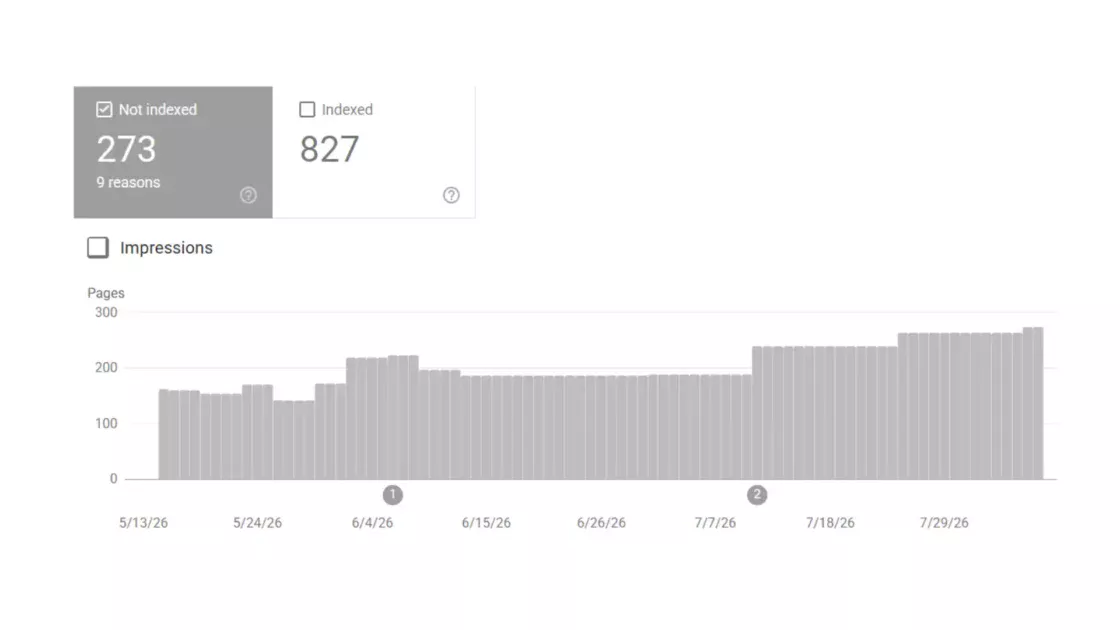
A GEO technical audit should identify which crawlers are allowed, which are blocked, which pages are indexable, which important content is hidden behind scripts, which content is available only after interaction, which pages have no snippet eligibility, and whether structured data is visible and consistent. It should also check logs. AI crawlers and assistant fetchers can behave differently from classic search crawlers. Server logs reveal what dashboards often miss.
The executive lesson is direct. Crawler policy is now a distribution decision. It belongs in legal, marketing, engineering, and leadership conversations. The business needs a documented stance on AI search visibility, training use, user-requested access, licensing, paywalled content, and sensitive data. Without that stance, technical defaults become strategy by accident.
Structured data turns pages into machine-readable facts
Structured data is not a GEO cheat code. It will not force a generated answer to cite a page. Google’s structured data guidelines say correct markup does not guarantee rich result display, and markup must represent visible page content. That warning matters because weak marketers often treat schema like a place to stuff claims they could not support in the visible page.
Used honestly, structured data is still one of the clearest ways to reduce ambiguity. Google describes structured data as a standardized format for giving explicit clues about a page and classifying its content. In GEO terms, that means schema helps align page meaning, entity identity, authorship, product data, local facts, reviews, FAQs, breadcrumbs, articles, videos, and organization attributes.
The real value is consistency. If an article says it was written by a named expert, the Article schema should identify that author. If an organization page lists official social profiles, Organization schema can connect them. If a local business page shows opening hours, LocalBusiness markup should match. If a product page lists price, availability, SKU, ratings, and brand, Product markup should not invent or hide anything. Structured data should make the visible truth easier to parse, not create a second version of reality.
For GEO, certain schema types deserve special attention. Organization schema strengthens entity identity. Person schema supports author and expert clarity. Article and BlogPosting schema help define editorial content. Product schema supports ecommerce retrieval. LocalBusiness schema supports local answers. FAQPage schema describes pages with visible question-and-answer content. BreadcrumbList clarifies site architecture. VideoObject helps connect video assets to titles, descriptions, thumbnails, upload dates, and transcripts when present.
FAQPage deserves care. Schema.org defines FAQPage as a webpage presenting one or more frequently asked questions. That sounds simple, but many sites misuse it. FAQ markup should match visible questions and answers. It should not be used to mark up sales slogans. It should not create hidden content. It should not repeat the same answer across dozens of pages. For AI search, a good FAQ section is useful because it contains direct, extractable answers to real user questions, not because it has a magic schema label.
Structured data also helps with content governance. When schema is part of the publishing workflow, teams are forced to define author, date, entity, page type, product details, and relationships. That discipline exposes gaps. A page with no author may be fine for a product landing page and weak for a medical guide. A comparison page without updated date may be risky. A local page with mismatched opening hours may create bad customer experiences. Schema QA catches issues before AI systems amplify them.
The limits need equal attention. Structured data cannot compensate for thin content. It cannot make a weak brand authoritative. It cannot guarantee inclusion in AI answers. It cannot override a blocked page. It cannot fix contradictions across the web. Schema is a clarity layer, not a credibility substitute.
A strong GEO implementation keeps structured data boring, accurate, and complete. It uses JSON-LD where appropriate. It tests markup. It monitors Search Console reports. It validates that important fields are crawlable. It aligns templates across the CMS. It assigns responsibility for updates. It treats schema as part of the brand’s public facts.
The goal is not to mark up everything possible. The goal is to mark up the things that matter for understanding. A clean entity graph beats a noisy schema dump.
Original evidence is the strongest GEO asset
AI search has made generic content cheaper and less useful. Anyone can publish another definition, checklist, or “complete guide.” The web is already full of pages that repeat the same safe claims. Generated answer systems do not need more of that. They need evidence.
Original evidence gives AI systems a reason to cite you rather than summarize someone else. Evidence can take many forms: proprietary data, customer research, benchmarks, surveys, field observations, experiments, pricing studies, implementation timelines, anonymized usage patterns, product tests, case studies, expert interviews, technical teardown notes, regulatory analysis, or a maintained database. The strongest GEO asset is information that would not exist without your organization.
This matters because generated answers often compress common knowledge. If your page says what fifty other pages say, the model can cite any of them. If your page contains a unique statistic, a fresh example, a clear methodology, or a better explanation, it becomes a stronger candidate. The original GEO research found that adding citations, quotations, and statistics could improve visibility in generative engine responses in their experiments. Treat that not as a recipe for stuffing numbers into pages, but as evidence that source-like content performs differently from brochure-like content.
Original evidence also improves human trust. A buyer reading a software comparison wants more than adjectives. They want migration time, integration requirements, cost drivers, security implications, support models, adoption risks, and fit criteria. A patient reading a health article needs sources, medical review, dates, and clear warnings. A local customer wants reviews, photos, hours, service proof, and real examples. A journalist wants data they can quote. A model trying to answer a question wants the same thing: reliable material.
Many companies sit on evidence but fail to publish it. Sales teams know the objections. Support teams know recurring problems. Product teams know usage patterns. Delivery teams know implementation risks. Executives know market shifts. Customer success teams know why clients renew or leave. None of that knowledge reaches the website because content production is separated from real expertise.
A GEO strategy should build an evidence pipeline. Interview subject-matter experts. Mine support tickets for recurring questions. Review sales call notes for comparison language. Turn implementation lessons into guides. Publish benchmark reports with methodology. Convert webinars into transcript-backed article hubs. Maintain changelogs and documentation. Update case studies with numbers and constraints. Capture expert quotes with names and roles.
The evidence must be usable. A PDF hidden behind a form may support lead generation, but it may not be easily retrieved or cited by an AI answer. A chart without text explanation may be invisible to some systems. A video without a transcript loses extractable detail. A case study with no measurable outcome becomes a story, not proof. GEO favors evidence that is crawlable, textual, well-labeled, and connected to the right entity.
Original evidence should also be careful. Do not publish weak surveys with tiny samples and oversized claims. Do not present customer anecdotes as universal truth. Do not invent precision. Do not cite outdated numbers because they sound impressive. AI systems can repeat your mistakes at scale, and users may blame your brand when the answer is wrong.
The best evidence pages include methodology, date, sample, limits, and author. They separate facts from interpretation. They explain what changed since previous editions. They link to related pages. They use charts, but the prose carries the meaning. They give answer engines passages that can be quoted without losing context.
Generic content says, “We understand the market.” Original evidence proves it.
Brand mentions outside your website shape AI answers
A brand’s own website is not enough. Generative systems draw from the public web, and the public web includes third-party evidence. Reviews, directories, analyst pages, media articles, forum discussions, social profiles, partner pages, podcasts, academic references, app marketplaces, GitHub repositories, documentation mirrors, event pages, and customer stories all influence what can be retrieved and summarized.
This is where GEO becomes a brand and PR discipline. If the only strong claims about your company live on your own site, AI systems may treat them as self-description. If the wider web repeats and verifies the same claims, the brand becomes easier to include with confidence.
Third-party mentions do several jobs. They corroborate category membership. They connect the brand to competitors. They provide independent descriptions. They surface customer language. They add review sentiment. They show real-world usage. They expose weaknesses. They sometimes rank or get cited when the brand’s own content does not.
That last point is uncomfortable. A generated answer may cite a review site, a Reddit thread, or a directory profile instead of your carefully written landing page. Pew’s analysis found that Wikipedia, YouTube, and Reddit were among the most frequently cited sources in both Google AI summaries and standard search results. The lesson is not “go spam Reddit.” The lesson is that AI search looks beyond owned media, and communities, reference sites, and platforms can shape perception.
A GEO-aware PR strategy should pursue mentions that add semantic value. A generic press release syndicated across weak sites is not the same as a detailed article in a relevant industry publication. A founder quote in a respected trade outlet may connect the company to an emerging category. A customer case study on the customer’s own site may corroborate adoption. A partner integration page may confirm ecosystem fit. A standards body profile may support authority. A conference agenda may connect an expert to a topic.
Review management also becomes part of GEO. Reviews do not only influence humans browsing star ratings. They create public language around problems, strengths, weaknesses, service quality, product fit, and local relevance. AI systems may summarize review sentiment or use it indirectly when answering recommendation queries. A business that ignores reviews leaves a large part of its machine-readable reputation unmanaged.
For B2B brands, comparison pages matter even when they live elsewhere. Buyers ask AI systems to compare vendors. The model may retrieve analyst reports, listicles, marketplace pages, user reviews, documentation, and competitor comparison pages. If your brand is absent from credible comparison sources, it may be absent from the answer. If it is present but described poorly, that poor description may travel.
This does not justify manipulative digital PR. GEO raises the cost of shallow tactics. Thin mentions, paid placements with no editorial substance, fake reviews, and artificial forum activity may create short-term noise and long-term risk. Generated systems are not perfect, but the direction of travel favors corroborated authority, not obvious self-promotion.
The right question for off-site GEO is not “Where can we get a backlink?” It is “Where should our brand be accurately described so answer engines and buyers can verify who we are?” That includes the sources your buyers trust, the platforms answer engines often retrieve, and the places where your category is being defined.
A strong brand mention includes the correct name, category, use case, audience, location or market, evidence, and link to the right canonical page. A weak mention includes only the brand name and a vague slogan. The difference matters. AI systems need relationships, not just names.
AI search changes measurement before it changes content
Many teams rush into GEO content before they know what they need to measure. That creates activity without diagnosis. Measurement should come first because AI search visibility is uneven. Some brands are already cited. Some are named but not linked. Some are omitted from category answers. Some are misdescribed. Some get assistant referral traffic but no reporting clarity. Some are strong in Google AI Overviews and absent in ChatGPT search. Some appear in Perplexity but not Copilot.
The first measurement layer is baseline presence. Test branded, non-branded, category, comparison, local, problem, and decision queries across major AI search surfaces. Record whether the brand appears, whether it is cited, which URL is cited, which competitors appear, what claims are made, and whether the answer is accurate. This should be done with care because answers vary by location, personalization, query phrasing, date, language, and interface.
The second layer is referral data. ChatGPT, Perplexity, Gemini, Copilot, Claude, and other systems may send traffic with identifiable referrers or UTM parameters, depending on the platform and user path. OpenAI’s publisher FAQ says publishers allowing OAI-SearchBot can track referral traffic from ChatGPT through analytics platforms and notes that ChatGPT referral URLs include a UTM parameter. That traffic may be small today, but it is high-signal when the user arrives from a generated answer or research session.
The third layer is platform reporting. Bing’s AI Performance dashboard is notable because it shows total citations, average cited pages, grounding queries, page-level citation activity, and visibility trends across supported AI experiences. Google Search Console includes AI feature appearances in overall Search traffic reporting rather than offering a fully separate AI Overview or AI Mode breakout in the standard way site owners often want. Google’s AI feature documentation says appearances in AI features are included in Search Console’s overall Search traffic and reported within the Web search type.
The fourth layer is demand movement. If AI answers influence people without producing clicks, branded search, direct visits, assisted conversions, CRM source notes, sales call mentions, demo form language, and survey responses become more useful. A prospect may say, “ChatGPT recommended you,” even if analytics shows direct traffic. Sales teams should capture that. Forms can ask where the buyer first heard about the company. Call notes can tag AI-assisted discovery. This is not perfect attribution, but it is better than pretending last click tells the whole story.
The fifth layer is accuracy. A GEO dashboard should track not only whether the brand appears, but whether it is represented correctly. Wrong pricing, outdated product names, missing locations, inaccurate availability, false comparisons, and invented features are business risks. The team should maintain a correction workflow: update owned pages, fix structured data, correct third-party listings, publish clearer documentation, and contact platforms or publishers when needed.
Useful GEO metrics include AI citation count, cited URLs, answer share for target query sets, competitor co-occurrence, brand mention accuracy, AI referral sessions, branded search lift, assistant-driven conversions, indexed page freshness, crawler access status, structured data validity, third-party profile consistency, and content gaps by query cluster.
Bad GEO metrics include raw prompt screenshots without methodology, vanity mentions from irrelevant queries, fake “AI rank” scores with no source transparency, and dashboards that cannot explain how data was collected. Measurement should make strategy sharper, not create another set of numbers to decorate reports.
The best cadence is monthly for trend tracking and quarterly for strategic review. AI results move too often for annual audits, but they are too variable for panicked daily reactions. Track patterns. Fix obvious errors quickly. Use query groups. Compare against competitors. Tie content work to observed gaps.
GEO measurement is still young. That is exactly why disciplined teams will build an advantage now.
Local, ecommerce, B2B, and publishers face different GEO problems
GEO is not one playbook. The right strategy depends on the business model, risk profile, content assets, and user intent. The phrase “everybody needs GEO” does not mean everybody needs the same tactics.
Local businesses need entity accuracy, reviews, local pages, service-area clarity, current hours, photos, menu or service data, appointment information, map consistency, and location-specific content. AI assistants answering local questions often combine proximity, category relevance, reviews, business profile data, directories, and user intent. A restaurant, dentist, plumber, school, hotel, or agency must make sure its public facts are correct everywhere. For local GEO, inconsistent NAP data can hurt more than a missing blog post.
Ecommerce companies face product-level representation. Generated shopping advice may compare product categories, summarize reviews, suggest alternatives, answer compatibility questions, and explain buying criteria. Product pages need exact names, SKUs, specifications, availability, prices where appropriate, shipping and return details, review content, product schema, images, and support documentation. Category pages should explain decision factors rather than merely list products. Buying guides should be honest about fit, materials, durability, warranty, and use cases.
B2B companies face the shortlist problem. Buyers use AI tools to understand categories, build vendor lists, compare platforms, draft RFP questions, summarize reviews, and identify risks. A B2B GEO strategy should strengthen entity clarity, comparison content, integration pages, security documentation, implementation guides, customer proof, analyst and marketplace profiles, partner pages, and executive expertise. The goal is not only to rank for “best software.” The goal is to be included when the buyer asks an assistant to define the category and shortlist credible options.
Publishers face the harshest economic tension. AI summaries may satisfy informational intent before the visit. Pew’s click data shows lower click behavior when AI summaries appear, and publishers have raised concerns about reduced traffic and compensation. Publishers need a sharper distinction between commodity information and proprietary editorial value. News rewrites and generic explainers are easier to summarize away. Investigations, analysis, expert columns, original data, tools, local reporting, and member-only experiences are harder to replace.
Professional services firms face expertise validation. Law firms, medical clinics, accountants, architects, consultants, and agencies must show who is responsible for content, what qualifications they have, which jurisdictions or markets they serve, what services they provide, and where advice becomes case-specific. The risk of generic AI-generated service pages is high because sensitive topics require trust. A professional services GEO strategy should combine expert-authored content, author bios, review management, local entity strength, case-type pages, and clear disclaimers without hiding the answer.
SaaS companies face documentation visibility. AI assistants often answer product questions by retrieving docs, help centers, changelogs, API references, GitHub issues, community posts, and integration pages. If documentation is thin, outdated, blocked, or split across subdomains without strong internal links, the assistant may rely on old forum answers or competitor content. Docs are not only support assets now. They are GEO assets.
Media brands, marketplaces, nonprofits, universities, government agencies, and creators all face their own version of the same problem: AI systems are becoming interpreters of public information. The entity with the clearest, most trusted, most usable public record gets a better chance of being represented.
A generic GEO checklist will miss these differences. Each organization should map its highest-value AI answer scenarios. For a hotel, it might be “best family hotel near X with parking.” For a SaaS company, “alternatives to Y for regulated finance teams.” For a publisher, “latest analysis on EU AI regulation.” For a clinic, “symptoms that require urgent care” with careful medical review. Strategy begins where real users ask consequential questions.
Reputation and E-E-A-T are harder to fake in generated answers
Generated answers compress reputation. A user may ask for the safest provider, the most trusted source, the best-reviewed local service, the leading expert, the official explanation, or the strongest alternative. The answer engine must decide which sources deserve inclusion. That decision is imperfect, but it is rarely based on one page alone.
Google’s E-E-A-T framing matters here because it captures a broader quality question: who has direct experience, who has expertise, who is authoritative, and what makes the content trustworthy? In classic SEO, weak content sometimes ranked because it matched keywords and had enough link authority. In generative answers, weak content may still surface, but the format increases scrutiny. A bad answer can harm the engine’s credibility. A sensitive topic with poor sourcing can create public backlash. The incentive is to find sources that reduce risk.
Reputation signals differ by industry. For healthcare, medical review, institutional authority, citations, author credentials, and safety language matter. For finance, regulatory status, methodology, dates, and risk disclosure matter. For ecommerce, reviews, product accuracy, return policies, and specification quality matter. For software, documentation, customer evidence, security information, integrations, and third-party reviews matter. For local services, reviews, location consistency, photos, responsiveness, and service pages matter.
This is why AI-generated content at scale is a dangerous shortcut. Google’s guidance says using generative AI tools to create many pages without adding value may violate its spam policy on scaled content abuse. The warning is not anti-AI. It is anti-waste. AI can support research, structure, drafting, editing, and analysis. It cannot replace lived expertise, original evidence, accountable authorship, and editorial judgment.
A GEO strategy should make expertise visible. Author pages should say why a person is qualified. Editorial policies should explain review and update processes where the topic warrants it. About pages should show ownership and accountability. Case studies should identify real constraints. Technical docs should be maintained. Product claims should be backed by proof. Local pages should reflect real service capability, not templated city swaps.
Reputation also includes being corrected. Outdated or inaccurate pages should not be left to rot because they still bring traffic. AI systems may retrieve them long after the business has moved on. A strong GEO program includes content pruning, redirects, update notes, review dates, and version control for sensitive claims.
Off-site reputation needs equal care. Review sites should have accurate profiles. Industry directories should use current descriptions. Social profiles should match the main entity. Partner pages should link to canonical pages. Press materials should use consistent boilerplate. Employees speaking publicly should not create contradictory category language. The public web should tell one coherent story.
Faking this is hard because generated systems can compare sources. If the brand claims one thing and reviews say another, the contradiction may surface. If the website says “enterprise-grade” and documentation looks abandoned, trust weakens. If a medical article has no author and no citations, it looks thin against institutional sources. If a local business has glowing service pages and poor review patterns, recommendation answers may not favor it.
GEO rewards the boring work of reputation: accuracy, service quality, proof, maintenance, transparency, and consistency. That is good news for companies with real substance. It is bad news for companies that have relied on polished vagueness.
GEO requires governance, not random content production
Many teams respond to search changes by producing more content. That instinct often creates clutter. GEO does not need endless pages. It needs governed knowledge.
A governance model answers who owns public facts, who approves technical crawler policy, who maintains structured data, who reviews expert content, who updates old pages, who monitors AI answer accuracy, who handles third-party profile corrections, and who decides whether to allow or block specific AI crawlers. Without governance, GEO becomes a collection of disconnected tasks.
The first governance asset is a brand fact base. This is a maintained document or database containing the company name, descriptions, founding details, headquarters, service areas, product names, executive names, official URLs, social profiles, categories, certifications, awards, pricing principles, target audiences, and approved proof points. It should feed website copy, schema, PR boilerplate, sales decks, directory profiles, and partner descriptions. If the company cannot maintain its own facts internally, it cannot expect AI systems to represent them consistently externally.
The second asset is a content responsibility map. Each major content type needs an owner. Product pages may belong to product marketing. Docs may belong to developer relations or support. Blog strategy may belong to content. Author credentials may belong to editorial. Schema templates may belong to web engineering. Review responses may belong to customer support or local managers. AI visibility measurement may sit with SEO or analytics. The map prevents orphaned pages.
The third asset is an update policy. Not all content needs the same review cadence. Medical, legal, financial, pricing, product, and compliance pages need closer review. Evergreen thought leadership may need annual checks. News pages may need correction notes. Documentation may need versioning. Local pages need hours and service updates. AI search raises the cost of stale pages because old information may be summarized as if it were current.
The fourth asset is a crawler policy. Legal, security, marketing, and engineering should decide which bots are allowed for search visibility, which are blocked for training, which user-requested fetchers are permitted, and how paywalled or licensed content should behave. OpenAI’s independent bot settings and Perplexity’s crawler documentation show why this cannot be a one-line rule anymore.
The fifth asset is a correction workflow. When an AI answer misstates the brand, the team should identify the likely source, fix owned content if needed, correct third-party profiles, publish clarifying content, update schema, request corrections where possible, and monitor whether the answer changes. The workflow should not rely on one person taking screenshots in panic.
Governance also protects tone. GEO content should not become machine bait. If every paragraph is written as a mini featured snippet, the site becomes unpleasant to read. Human editorial quality still matters. The best pages combine direct answers with judgment, examples, narrative, and expertise. They are easy to parse without feeling mechanical.
A good governance system lets AI support the workflow without letting it flatten the brand. AI can cluster questions, find content gaps, analyze competitor mentions, draft schema, summarize logs, detect outdated pages, and test answer visibility. Humans should decide claims, evidence, tone, risk, positioning, and final publication.
The companies that win with GEO will not be the ones that publish the most. They will be the ones that maintain the clearest public knowledge system.
Risks, myths, and bad habits that weaken GEO
GEO is young enough that bad advice spreads quickly. Some of it is harmless. Some can waste months. Some can damage trust.
The first myth is that GEO is only about adding FAQs. FAQs are useful when they answer real questions. They are weak when they repeat keyword variants or invent questions nobody asks. A page with twenty shallow FAQs is not more authoritative than a page with five excellent answers and strong evidence. FAQPage schema should describe visible FAQ content, not hide marketing claims.
The second myth is that schema guarantees AI visibility. It does not. Google says structured data can enable search features but does not guarantee them. Schema improves clarity when it matches visible content. It does not turn poor content into a trusted source.
The third myth is that blocking all AI crawlers is always the safest move. For some publishers, paywalled products, proprietary datasets, or sensitive content, blocking may be justified. For many businesses, blocking search-specific AI crawlers may reduce discoverability in answer engines. OpenAI’s documentation says sites opted out of OAI-SearchBot will not be shown in ChatGPT search answers, though they may still appear as navigational links. The right policy depends on business goals, not fear.
The fourth myth is that AI search visibility can be bought through content volume. Publishing hundreds of generic pages may create index bloat and dilute quality. Google’s guidance on generative AI content warns against scaled content without added value. AI search needs useful material, not a larger pile of weak pages.
The fifth myth is that GEO is only a marketing concern. It touches legal, engineering, PR, product, support, analytics, sales, and leadership. A crawler rule can affect visibility. A support doc can become a cited source. A pricing page can define market expectations. A Reddit complaint can shape an answer. A partner page can validate an integration. Marketing cannot control all of that alone.
The sixth myth is that answer engines always cite the best source. They do not. AI search can retrieve odd sources, summarize imperfectly, miss context, or favor highly visible platforms. That is why monitoring and correction matter. GEO is not a guarantee. It is risk reduction and visibility work.
Bad habits are just as common as myths. One bad habit is hiding key facts in images, PDFs, scripts, tabs, or downloadable assets without a crawlable text equivalent. Another is writing pages that delay the answer for “engagement.” Another is publishing comparison pages that are obviously biased and unsupported. Another is letting old content remain live because it still gets traffic. Another is treating reviews as a customer service issue but not a search visibility issue.
A dangerous habit is using confident language without evidence. The original GEO research suggested authoritative language can affect visibility, but that does not make unsupported authority ethical or durable. If GEO becomes a contest of fake confidence, answer quality gets worse and brands create reputational risk. The better path is evidence-backed confidence.
Another risk is overfitting to one platform. A tactic that appears to work in Perplexity may not work in Google AI Mode, ChatGPT search, Copilot, or Claude. Interfaces change. Retrieval changes. Crawler policies change. Measurement changes. A durable GEO strategy improves the brand’s public knowledge base across the web, instead of chasing one model’s current behavior.
GEO should make content clearer, not stranger. If the page starts to read like it was written for a machine instead of a person, the strategy has gone wrong. The best answer-engine content is also the best human decision content: specific, honest, structured, current, and backed by proof.
A practical GEO operating model
A useful GEO strategy can be built without turning the company upside down. It needs a sequence. Start with visibility, then fix the foundations, then improve content and evidence, then govern measurement.
The first step is an AI visibility audit. Build a set of real prompts across branded, non-branded, comparison, local, category, problem, and decision intent. Test them across Google AI Overviews where available, AI Mode where available, ChatGPT search, Perplexity, Copilot, Claude search if relevant, and any industry-specific assistant your customers use. Capture the answer, sources, cited URLs, brand mentions, competitor mentions, errors, and missing entities. Repeat with location and language variations when they matter.
The second step is an entity audit. Check whether your brand facts are consistent across owned pages, schema, Google Business Profile, Bing Places, LinkedIn, Crunchbase or equivalent databases, review platforms, marketplaces, partner pages, author profiles, press boilerplates, and top-ranking third-party sources. Fix contradictions first. A content campaign built on unclear identity wastes effort.
The third step is a technical access audit. Review robots.txt, meta robots, X-Robots-Tag, sitemap status, canonical tags, snippet eligibility, CDN rules, WAF behavior, JavaScript rendering, server logs, and AI crawler access. Decide whether search-specific AI bots should be allowed, whether training bots should be blocked, and whether certain content deserves separate rules. Document the policy.
The fourth step is a content architecture audit. Map the pages that define your entity, categories, products, services, use cases, comparisons, proof, documentation, local facts, and FAQs. Identify gaps by query cluster. Identify duplicate pages. Identify outdated pages. Identify pages that answer questions poorly despite ranking. Create a plan to build or revise the pages that most affect AI answer presence.
The fifth step is evidence development. Choose a few areas where the brand can publish original proof. That may be benchmark data, an annual report, customer implementation analysis, expert commentary, technical documentation, a maintained glossary, a pricing guide, or a comparison methodology. Do not try to produce everything at once. Publish fewer assets with stronger substance.
The sixth step is structured data cleanup. Align Organization, Person, Article, Product, LocalBusiness, FAQPage, BreadcrumbList, and other relevant schema with visible content. Test markup. Fix template errors. Make structured data part of the publishing workflow.
The seventh step is off-site corroboration. List the third-party sources that influence your category. Fix inaccurate profiles. Pursue expert mentions, partner pages, reviews, case studies, podcast appearances, research citations, and industry coverage that describe the brand accurately. Focus on relevance and trust, not raw link count.
The eighth step is measurement. Track AI citations, answer presence, cited pages, competitor presence, brand accuracy, referral traffic, branded search, assisted conversions, crawler activity, structured data health, and content updates. Use Bing AI Performance where relevant. Use analytics for AI referral patterns. Use manual and tool-assisted prompt tracking with clear methodology. Review monthly and adjust quarterly.
This operating model should produce decisions, not just reports. If the audit shows the brand is missing from comparison answers, build comparison and proof assets. If the model cites an outdated directory, fix the directory and strengthen the canonical page. If AI referrals land on a weak page, improve that page. If a crawler is blocked by accident, change the rule. If a competitor owns a topic through original data, decide whether to produce better evidence or focus elsewhere.
GEO is most manageable when treated as a system of small, compounding improvements. Each corrected fact, stronger page, cleaner schema field, better citation, updated review profile, and clearer expert bio reduces ambiguity. Over time, the brand becomes easier for both people and machines to understand.
The companies that adapt early will be easier to find
The web is becoming less forgiving to vague brands. For years, companies could survive with unclear positioning, thin content, inconsistent profiles, and weak evidence because enough users still clicked through a list of links and figured things out manually. AI search reduces that margin. When an answer engine summarizes the market, it rewards the brands it can understand.
That does not mean every business should chase every AI platform or panic over every answer. It means every business needs a deliberate stance. GEO is the work of making your public knowledge clean enough, credible enough, and useful enough to be selected when machines answer human questions.
The companies that adapt early will not all be technical giants. Many will be firms that simply do the fundamentals better: accurate entity data, clear service definitions, expert content, original evidence, maintained pages, crawlable text, honest schema, strong reviews, relevant mentions, and disciplined measurement. These are not glamorous tasks. They are the tasks that make a brand durable.
Search is not ending. SEO is not obsolete. Websites are not irrelevant. The opposite is true. Owned content matters more when answer systems need sources. But the content must change from traffic bait into a reliable knowledge asset. It must answer, prove, clarify, and connect.
A GEO strategy gives the business a way to participate in the next layer of discovery instead of hoping the machines get it right. It protects brand accuracy. It improves citation potential. It supports SEO rather than replacing it. It gives PR, content, technical SEO, analytics, and leadership a shared map. It turns scattered public information into a coherent record.
The companies that ignore GEO may still rank. They may still get traffic. They may still convert users who already know them. But they will be weaker in the moments when buyers ask AI systems who to trust, what to compare, which options matter, and where to learn more.
The future of visibility belongs to brands that are not only searchable, but citeable.
Questions readers ask about GEO strategy
GEO means generative engine optimization. It is the work of making a brand, website, content, and public evidence easier for AI-powered answer systems to understand, retrieve, cite, and represent accurately.
No. SEO focuses on visibility in search results, while GEO focuses on inclusion, citation, and accurate representation in generated answers. The two overlap because AI answer systems still rely on crawlable, indexable, useful web content.
No. GEO depends on many SEO foundations, including crawlability, indexability, internal links, page quality, structured data, and content relevance. A weak SEO base usually makes GEO harder.
Every business needs one because customers now use AI tools to compare vendors, find local services, summarize products, research problems, and make decisions before visiting a website. If a brand is absent or misrepresented in those answers, it loses influence early.
The strongest factor is a clear, trusted, and well-supported public knowledge base. That includes owned content, structured data, author credibility, original evidence, accurate third-party profiles, reviews, and relevant mentions.
Google says there are no additional technical requirements for appearing in AI Overviews or AI Mode beyond being indexed, eligible for Search, and eligible to show a snippet. Strategy still matters because many eligible pages compete to be used as supporting sources.
A ranking is a position in a list of search results. A citation is a source used or shown inside a generated answer. Citations can influence trust even when they produce fewer immediate clicks.
Structured data can improve clarity by giving search systems explicit clues about page meaning, entities, authors, products, local facts, and FAQs. It does not guarantee AI visibility and must match visible page content.
The right answer depends on the business. Some sites may allow search-specific AI crawlers for visibility while blocking training crawlers. Others may block, charge, or restrict access based on content type, licensing, privacy, or competitive concerns.
OAI-SearchBot is OpenAI’s search crawler used to surface websites in ChatGPT search features. OpenAI separates it from GPTBot, which relates to training use.
PerplexityBot is Perplexity’s crawler for surfacing and linking websites in Perplexity search results. Perplexity states that it is not used to crawl content for AI foundation model training.
Companies should track AI citations, cited URLs, brand mentions, answer accuracy, competitor presence, AI referral traffic, branded search movement, crawler activity, structured data health, and content freshness.
Original research gives answer engines a reason to cite the brand instead of summarizing generic information from another source. Proprietary data, case studies, benchmarks, and expert analysis create stronger citation assets.
FAQs help when they answer real questions clearly. They do not help when they are stuffed with keyword variants, hidden from users, duplicated across pages, or marked up with schema that does not match visible content.
Local GEO depends on accurate business profiles, reviews, service categories, opening hours, location pages, photos, and consistent NAP data. AI assistants often answer local recommendation queries by combining entity and reputation signals.
B2B buyers use AI tools to compare vendors, define categories, draft requirements, and shortlist options. B2B GEO should strengthen comparison content, proof pages, documentation, integrations, security information, and third-party validation.
AI can support research, structure, editing, and content operations. It should not replace expert judgment, original evidence, accuracy checks, or human accountability. Scaled low-value AI content can create search and reputation risk.
The biggest mistake is treating GEO as a set of tricks. GEO works best when it improves the brand’s real public knowledge system: clearer facts, better evidence, stronger authority, cleaner technical access, and more useful content.
AI visibility should be monitored monthly and reviewed strategically each quarter. Sensitive pages, product pages, local data, pricing information, and documentation may need faster updates.
GEO needs shared ownership. SEO, content, PR, product marketing, analytics, engineering, legal, support, and leadership all control pieces of the public information that AI systems may retrieve and summarize.
Author:
Jan Bielik
CEO & Founder of Webiano Digital & Marketing Agency

This article is an original analysis supported by the sources cited below
AI features and your website
Google Search Central guidance on AI Overviews, AI Mode, eligibility, Search Console reporting, crawl access, snippets, structured data, and the continuing role of SEO fundamentals.
Top ways to ensure your content performs well in Google’s AI experiences on Search
Google Search Central blog guidance on content quality, AI search behavior, and how AI Overviews and AI Mode affect discovery.
Creating helpful, reliable, people-first content
Google’s guidance on useful content, E-E-A-T concepts, quality raters, and the “who, how, and why” framework for assessing content.
Google Search’s guidance on using generative AI content on your website
Google’s policy-focused guidance on AI-generated content, scaled content abuse, Search Essentials, and the need for added value.
Find information in faster and easier ways with AI Overviews in Google Search
Google Help documentation explaining AI Overviews, generated snapshots, links, and user-facing behavior.
Get AI-powered responses with AI Mode in Google Search
Google Help documentation describing AI Mode, follow-up questions, subtopic exploration, and deeper AI-powered search behavior.
AI Overviews in Search are coming to more places around the world
Google’s announcement of AI Overviews expansion to more than 100 countries and the growth of AI-generated search experiences.
AI in Search going beyond information to intelligence
Google’s announcement and explanation of AI Mode rollout and the broader direction of AI-powered Search.
Our approach to website controls for Search AI features
Google’s explanation of publisher controls, preview controls, Google-Extended, and how website owners can manage participation in Search AI features.
List of Google’s common crawlers
Google documentation on common crawlers, crawler purposes, and robots.txt behavior.
Robots meta tag specifications
Google Search Central documentation on page-level robots meta directives and indexing controls.
Introduction to structured data markup in Google Search
Google’s overview of structured data as explicit clues that help Search understand pages and entities.
General structured data guidelines
Google’s structured data rules covering eligibility, visible content alignment, technical requirements, and quality standards.
FAQPage
Schema.org’s definition of FAQPage as a webpage containing one or more answered frequently asked questions.
Organization
Schema.org’s vocabulary for describing organizations, identity attributes, relationships, and structured entity information.
Bing Webmaster Guidelines
Microsoft Bing documentation on crawling, indexing, content quality, search visibility, Copilot, and AI-grounded discovery.
Introducing AI Performance in Bing Webmaster Tools Public Preview
Microsoft’s announcement of AI Performance reporting for citations, cited pages, grounding queries, and visibility in AI-generated answers.
AI Performance
Bing Webmaster Tools help documentation describing AI Performance reporting for AI-generated answer citations.
Overview of OpenAI crawlers
OpenAI documentation explaining OAI-SearchBot, GPTBot, crawler purposes, robots.txt controls, and search visibility implications.
Publishers and developers FAQ
OpenAI Help Center guidance for publishers, including referral tracking and participation in ChatGPT search features.
Perplexity crawlers
Perplexity documentation explaining PerplexityBot, crawler purposes, robots.txt controls, and search result visibility.
How does Perplexity follow robots.txt?
Perplexity Help Center article describing how PerplexityBot responds to robots.txt directives and what may still be indexed when blocked.
AI Crawl Control
Cloudflare documentation on monitoring and controlling AI crawler access, robots.txt compliance, allow and block policies, and crawler visibility.
Introducing pay per crawl
Cloudflare’s announcement of pay-per-crawl controls, including allow, charge, and block options for AI crawler access.
Bot reference
Cloudflare’s reference list of AI crawler, AI search, assistant, and search engine user agents used for crawler detection and access decisions.
GEO generative engine optimization
The foundational academic paper formalizing generative engine optimization and studying ways content visibility changes in generated answers.
Do people click on links in Google AI summaries?
Pew Research Center analysis of Google AI summary behavior, click patterns, source citations, and user browsing activity.
AI referral traffic winners by industry
Similarweb analysis of AI platform referral growth, referral volume, and industry-level traffic patterns.
2024 zero-click search study
SparkToro’s study on zero-click search behavior, open-web clicks, Google search activity, and the changing traffic bargain.
| Citing this article? Brief excerpts are welcome. Please credit Webiano.digital, name the author where stated, and include a link to https://webiano.digital and to this original article. Full or substantial republication requires prior written permission. Read our Copyright and Content Use Policy. |
This article was prepared with the assistance of artificial intelligence tools. The content underwent expert human review, and Webiano Digital & Marketing Agency assumes editorial responsibility for its final version and publication.