Meta’s subscription push is no longer a side experiment. The company is now rolling out paid Plus plans for Instagram, Facebook and WhatsApp while preparing Meta One tiers for AI users, creators and businesses. The move does not replace the free core of Meta’s apps. It does something more careful and more revealing: it puts a price on power-user features, creator visibility, business credibility and heavier AI use without trying to break the advertising machine that still funds the company.
Table of Contents
Meta’s subscription launch is a pricing test disguised as a feature rollout
Meta is launching Instagram Plus at $3.99 per month, Facebook Plus at $3.99 per month and WhatsApp Plus at $2.99 per month. The plans add paid extras such as profile customization, story insights, super reactions, more pins, custom app icons, app themes, premium stickers and other tools that sit above the ordinary free service. Meta is also preparing Meta One plans for AI users and professional accounts, including a $7.99 Meta One Plus plan, a $19.99 Meta One Premium plan, a $14.99 Meta One Essential plan and a $49.99 Meta One Advanced plan in selected test markets.
The launch matters because Meta has spent most of its public life defending the same bargain: users get Facebook, Instagram and WhatsApp for free, while advertisers pay to reach them. That bargain remains in place. The new paid plans are not a wall around basic posting, messaging, feeds or social discovery. They are a layer above the existing apps. Meta is not replacing advertising with subscriptions; it is testing whether subscriptions can sit on top of advertising without making the free product feel degraded.
That distinction is central. If Meta made core functions paid, it would risk user anger, regulatory attention and lower engagement. If it only sells visible badges, as Meta Verified already does, the offer is narrow. The Plus and Meta One plans split the difference. They package small but emotionally useful features for consumers, more visible placement and account tools for creators and businesses, and extra AI capacity for users whose requests cost more to serve. The company is turning different types of user intensity into different price points.
For Instagram, the most interesting paid features are not cosmetic. Story rewatch counts, unlimited audience lists, extended stories, viewer search and the ability to spotlight a story once a week point to a clear target: people who treat Instagram as a performance surface. They want to know who watched, who returned, who ignored, who should see the next post and where attention is leaking. That can include creators, small sellers, local businesses and heavy personal users. The subscription gives them more control over the same behaviors that already make the app addictive.
Facebook Plus looks similar because Facebook is still a social-expression product, even if its cultural role has changed. Paid features around stories, reactions and profile presentation are not likely to bring young users back by themselves. They may matter to groups, local communities, long-time users and public pages that still rely on Facebook’s reach. The product logic is conservative: Meta is not asking Facebook users to learn a new behavior. It is asking a small slice of them to pay for more knobs on behavior they already have.
WhatsApp Plus is different. WhatsApp is not built around public status performance in the same way. Its paid features, including app themes, custom ringtones, extra pinned chats, list customization and premium stickers, lean into messaging identity and chat management. The WhatsApp plan is less about public reach and more about personal order, habit and emotional attachment to the messaging interface. That matters because WhatsApp’s scale is huge, but its consumer monetization has historically been delicate. A paid personalization tier is a lower-risk test than inserting more aggressive commercial surfaces into private chats.
Meta’s challenge is that none of these consumer Plus features, in isolation, looks like a must-have. That is not a weakness by accident. Optional subscriptions inside mass-market social products usually begin with non-core perks because the company must avoid a backlash from users who expect the service to remain free. The business question is whether small perks across billions of users can produce a large enough paid base to matter.
The answer does not need to be dramatic to be financially useful. Meta reported 3.56 billion Family daily active people in March 2026. A tiny conversion rate across that base would still be large in absolute terms, even after app-store fees, taxes, churn and regional pricing are considered. The right way to read the launch is not “everybody will subscribe.” The better reading is that Meta is testing whether it can identify high-intensity pockets inside a mature user base and charge them without disturbing the rest of the network.
The new plans show Meta wants recurring revenue without weakening ads
Meta’s Q1 2026 results show why the company does not need to abandon advertising. Revenue reached $56.31 billion, up 33% year over year. Family of Apps ad impressions rose 19%, and average price per ad rose 12%. Those numbers describe a business that is still growing through attention, ranking, recommendation systems and advertiser demand, not a business forced into subscriptions by ad collapse.
That is why the subscription rollout should not be read like Netflix, Spotify or a software-as-a-service pivot. Meta is not moving from one main revenue model to another. It is adding a second meter. Advertising pays for reach at population scale; subscriptions charge users who want extra control, identity, visibility or compute. The two models address different sides of the same network.
Recurring revenue has three attractions for Meta. It is more predictable than auction-based advertising. It creates direct product feedback from paying users. It gives investors a story about monetization outside ads at a time when AI infrastructure costs are rising fast. But subscriptions also bring limits. Social-media users churn quickly when paid perks feel thin. Creators cancel if reach benefits are too weak. Businesses cancel if the badge or profile tools do not affect leads, trust or sales.
Meta is not entering subscriptions from zero. It already sells Meta Verified to people and businesses in selected markets. The company has tested paid verification, account support, impersonation protection and business credibility tools. In India, Meta Verified business plans were expanded across Facebook, Instagram and WhatsApp, with bundles and feature tiers that include account support and impersonation protection.
The new Plus plans sit beside that older Verified offer rather than replacing it. That creates a messy product map, but it also lets Meta test different willingness to pay. Some users will pay for identity and safety. Some will pay for expression. Some businesses will pay for search placement and profile tools. Some AI users will pay for heavier usage. Meta is building a subscription stack, not a single subscription product.
The risk is confusion. A user who sees Meta Verified, Instagram Plus, Facebook Plus, WhatsApp Plus, Meta One Plus, Meta One Premium, Meta One Essential and Meta One Advanced may not know which product solves which problem. Confusion hurts conversion, especially inside consumer apps where people are used to fast, free actions. The company appears to know this, which is why “Meta One” is being positioned as a future home for subscription offers. The brand may become a paid-services wrapper across apps, though the current rollout still looks like a bundle of tests rather than one clean architecture.
Meta also has to avoid cannibalizing advertisers. Creator and business plans that promise higher visibility, stronger search placement or feed featuring raise a sensitive question: does paid placement inside a social app compete with ads, or does it become a lightweight on-ramp to ads? Meta will likely frame the professional tiers as business tools, not ad substitutes. In practice, the line can blur. A creator paying $49.99 for better visibility may spend less on boosting posts. A small shop may treat a subscription link surface as a cheaper alternative to performance ads.
That tension is manageable if the subscription benefits improve organic presence but do not replace paid campaigns. Meta has long pushed businesses from free pages toward paid distribution. If Meta One Advanced gives subscribers modest preference, better analytics and easier link routing, it may make businesses more invested in the platform and more likely to advertise later. If it materially changes ranking, it could create resentment among non-paying creators and revive complaints about pay-to-play distribution.
The most durable version of this model would make subscriptions feel like workflow tools rather than reach buying. Better moderation access, password-free team access, content-reuse alerts, improved scheduling, deeper analytics and stronger profile links all have practical value without obviously distorting the feed. The more Meta sells tools, the less it will be accused of selling visibility. The more it sells visibility, the closer it gets to a ranking fairness fight.
Meta One is the clearest signal that AI will not stay fully free
Meta AI has been distributed aggressively across Facebook, Instagram, WhatsApp, Messenger, the web, the standalone Meta AI app and AI glasses. Meta describes the assistant as living across its apps and devices, with chat, image features, voice, file understanding and richer visual answers. The company’s 2025 Meta AI app announcement tied the assistant to Llama models, personalization, web access, glasses continuity and a Discover feed for prompts.
That distribution strategy was free-first. Meta wanted the assistant to become a default behavior inside apps people already open every day. The new Meta One AI plans mark a different phase. Once users are trained to ask, generate, reason, edit and search inside Meta AI, the company can start charging the heaviest users for extra capacity. This follows the economics of generative AI rather than the economics of ordinary social software.
A like, a post reaction or a sticker has tiny marginal cost. A complex AI request can consume meaningful compute, especially when it involves reasoning, images, video generation, file analysis, voice or multimodal context. That changes the pricing logic. A free social app can support heavy engagement because more engagement creates more ad inventory. A free AI assistant can become expensive when usage rises faster than monetization.
The reported Meta One Plus and Meta One Premium plans put that cost problem in plain language. Both target Meta AI users; the $19.99 Premium plan is described as offering more capacity for higher-compute queries, deeper reasoning for complex tasks and more image and video generation across Meta’s apps. Free Meta AI remains available for casual use, while paid tiers resemble the broader AI market’s paid-access model.
The AI subscription test begins in Singapore, Guatemala and Bolivia. That selection is notable because Meta often tests pricing, adoption and product mechanics in varied markets before wider rollout. The test markets are not the whole strategy. They are controlled environments for measuring demand, churn, usage costs and user reaction when free AI access gets limits and paid tiers offer more room.
The most revealing phrase in the rollout is “higher compute queries.” That phrase is the hinge between consumer software and AI economics. Users may think they are paying for “better AI,” but Meta is also pricing compute allocation. The difference matters. If a request needs more reasoning time, larger context, richer image generation or repeated video generation, it costs more to serve. A subscription gives Meta a predictable way to ration scarce and expensive capacity.
This also changes the competitive field. OpenAI, Google and Anthropic already use paid plans to give heavier users more access, higher limits or stronger models. Google’s AI plans list AI Pro at $19.99 per month and AI Ultra starting at $99.99 per month, with higher usage limits for the most expensive tiers. Anthropic lists Claude Pro at $20 per month when billed monthly, while OpenAI’s ChatGPT Plus help page states that Plus provides access for $20 per month.
Meta’s advantage is not only model quality. It is placement. ChatGPT, Gemini and Claude live mostly in dedicated AI surfaces, browsers, productivity suites or developer workflows. Meta AI sits inside social and messaging environments where prompts can arise from a post, a chat, a reel, a product question, a photo or a creator workflow. If Meta can turn ordinary app moments into AI prompts, it does not need every user to become an AI power user; it only needs enough people to hit limits often enough to consider paying.
The Plus plans separate consumer perks from professional advantage
Meta’s subscription roadmap now has three broad groups: consumer Plus plans for app extras, Meta One AI plans for heavier assistant use, and Meta One professional plans for creators and businesses. The distinction is useful because each group answers a different willingness-to-pay question.
Consumer Plus plans ask: will people pay for personal expression and small controls inside apps they use every day? AI plans ask: will people pay once free generative features hit capacity limits? Professional plans ask: will creators and businesses pay for credibility, visibility, links, account protection, analytics and workflow tools?
The professional tests matter because they are closest to direct economic return. A teenager may like a custom Instagram icon but cancel quickly. A local business may keep paying if a subscription improves profile trust, search visibility or link traffic. A creator may pay if better scheduling, content protection and engagement insights make work easier. Professional subscriptions have a stronger value story because the buyer can connect the monthly fee to revenue, audience growth or operational friction.
The Meta One Essential plan is reported at $14.99 per month and includes a Verified badge, impersonation protection and an enhanced linksheet. The Advanced plan, at $49.99 per month, adds benefits such as Facebook feed featuring, higher placement in Facebook and Instagram search results, a bold Follow button on Reels, automatic follow invitations to people who engage with content, expanded links, deeper analytics, scheduling tools, shared account access for moderators and alerts when others reuse content.
Those features reveal Meta’s professional thesis. The company knows creators and businesses do not only want prestige. They want discovery, conversion, protection and work tools. Search placement and feed featuring speak to discovery. Link tools speak to conversion. Impersonation protection and reuse alerts speak to protection. Scheduling and account access speak to work. The package is broader than a badge.
The hard part is fairness. Paid search placement inside Instagram and Facebook could become controversial if non-paying accounts feel buried. Social networks have always ranked content, but paid ranking changes the moral story. Users tolerate opaque algorithms because they expect ranking to be based on relevance, engagement or safety. They are more skeptical when ranking is tied to monthly payment.
Meta will likely avoid describing these features as bought reach. It will speak in terms of discovery tools, professional account support and ways for users to find relevant businesses. The distinction may satisfy some customers, but regulators and creators will look at outcomes. If paid accounts gain systematic preference in search or feeds, Meta may face pressure to label those surfaces, explain the ranking effect or separate subscription benefits from ad-like placement.
The creator economy has already trained users to pay platforms for distribution advantages. X Premium offers tiers with reply prioritization, reduced ads or no ads, creator revenue-sharing eligibility and higher Grok limits. The X Premium help page says its paid service has Basic, Premium and Premium+ tiers with different feature sets, including larger prioritization and higher Grok access in higher tiers.
Meta’s difference is scale and cross-app context. Instagram is one of the main creator platforms. Facebook still carries groups, pages and local commerce. WhatsApp is a communication layer for small businesses in many markets. If Meta can sell one professional identity and tool layer across those surfaces, it can make subscriptions feel more practical than a single-app badge.
Meta’s paid AI layer answers an infrastructure bill, not just a product trend
Meta’s capital spending outlook is the financial backdrop to this launch. In Q1 2026, the company said capital expenditures, including principal payments on finance leases, were $19.84 billion. It also raised its full-year 2026 capital expenditure outlook to $125 billion to $145 billion, citing higher component pricing and added data center costs for future capacity.
That scale changes the subscription discussion. A $3.99 Instagram Plus plan will not fund Meta’s AI buildout on its own. Even a successful consumer subscription base would be small next to Meta’s ad business and infrastructure program. But the presence of paid tiers gives Meta a way to connect user demand for expensive AI features to direct revenue.
AI infrastructure has a different rhythm than social-network infrastructure. Social networks need storage, ranking systems, moderation systems and delivery networks. Generative AI adds intense compute demand for training and inference. If an app embeds AI into search, content creation, chat, ads, moderation, business messaging and wearables, the cost center becomes permanent. Meta needs AI to improve ads and engagement, but it also needs some AI usage to pay for itself.
Advertising can carry part of that burden. Meta’s ad systems use machine learning to target, rank, generate creatives, measure conversions and improve campaign performance. Better AI can make advertising more profitable even if users never buy a subscription. That is the core reason investors tolerate large AI spending: the ad business may gain efficiency and pricing power. Subscriptions add a second route by monetizing consumer and professional AI directly.
This is also a signaling move to Wall Street. Meta can say it is not simply spending on AI as a defensive necessity. It is also building paid products around AI usage. Investors have become more demanding about AI returns. A company that raises capital expenditure guidance needs credible paths to revenue, margin expansion or strategic defense. Meta has all three arguments, but direct paid AI plans make the revenue argument easier to understand.
The timing is not accidental. Meta’s ad business is strong, but the company is spending into the future faster than many investors can easily model. Paid AI plans give analysts a line of sight into average revenue per user expansion. They also let Meta gather data on how much consumers value reasoning, generation and multimodal AI when those features are not free.
The danger is that AI subscriptions may reveal weak willingness to pay outside professional or enthusiast groups. Many people enjoy free AI features but do not view them as worth a monthly fee. Meta’s distribution may solve part of that problem by putting AI in casual contexts, but casual contexts also produce casual willingness to pay. The strongest paid demand may come from creators, students, small businesses, marketers, developers and people who already use AI heavily.
For Meta, the early AI subscription test will answer three questions. First, which features drive payment: reasoning, image generation, video generation, file analysis, voice, or glasses features? Second, do users understand compute limits well enough to accept them? Third, can Meta price AI without making free users feel punished? The answer will shape whether Meta One becomes a serious paid platform or stays a set of controlled trials.
The free core is the product Meta cannot risk
Meta is keeping the core experience free because free access is the foundation of its network effects. Facebook, Instagram and WhatsApp are valuable because people expect everyone else to be there. Charging for basic access would shrink the network, reduce engagement, hurt ads and weaken Meta’s position in markets where users are price-sensitive.
That is why the new plans are framed around extras. Instagram Plus subscribers can get deeper story controls, app personalization and profile tools. WhatsApp Plus subscribers can customize the interface and manage more chats. Meta AI users can keep using the assistant casually for free, while heavier users may pay for capacity. The free product remains the anchor; paid plans are meant to catch intensity, not gate participation.
This is a familiar pattern in consumer software. Free networks sell optional identity, comfort, capacity or productivity. The free tier keeps scale. The paid tier extracts value from those who feel the product is part of work, status, creativity or daily routine. The model works when the paid tier feels useful but not coercive. It fails when the free tier starts to feel deliberately weakened.
Meta must be careful because users already suspect large platforms of withholding reach. If creators think Instagram Plus or Meta One Advanced is necessary to be seen, the company could intensify a long-running complaint that organic reach is being squeezed to create paid demand. The same concern applies to businesses. A small business that once used Facebook pages for free reach may see a professional subscription as another cost imposed by the platform.
There is also a privacy angle. Paid subscriptions have already been part of Meta’s regulatory story in Europe through ad-free and less personalized ad choices. The new global Plus plans are not the same as Europe’s “subscription for no ads” model, but users may confuse them. Meta must explain clearly whether a plan changes ads, data use, ranking, AI limits or account support. Ambiguity invites mistrust.
The strongest version of Meta’s pitch is simple: free users keep the core; paying users get more controls. The weakest version is also simple: pay or lose visibility. The company will want to stay far from the second perception. That is why many of the consumer features are decorative or analytic rather than core distribution levers.
Meta’s free-first logic also protects its international scale. WhatsApp, in particular, is deeply embedded in everyday communication across markets where even a small mandatory fee could be damaging. A voluntary WhatsApp Plus plan for themes, ringtones and pins is a safer test. It lets Meta learn whether private messaging can support consumer subscriptions without threatening the trust that makes WhatsApp hard to replace.
A free core also protects Meta’s AI adoption. If Meta AI is free enough to become habitual, it can become part of the interface. The paid tier then monetizes overflow and advanced demand. If Meta charged too early, it would slow habit formation and leave space for competitors. The company is trying to make AI feel native before making AI capacity feel billable.
Instagram Plus targets the psychology of attention
Instagram Plus is the most culturally sensitive of the new consumer plans because Instagram is the app where attention is most visible. Story views, audience lists, profile pins, profile fonts, Super Heart reactions and extended stories all touch the status economy of the platform. They are small features, but they sit close to how users interpret popularity, intimacy and reach.
The most powerful paid Instagram feature may be aggregate story rewatch counts. A rewatch is different from a view. It signals curiosity, attraction, confusion, interest or repeated attention. For creators and brands, rewatch behavior can reveal which content deserves follow-up. For ordinary users, it can carry social meaning. By putting more insight around stories, Meta is monetizing the emotional and commercial value of knowing who is paying attention.
Unlimited audience lists also matter. Instagram’s Close Friends feature created a private lane inside a public app. More lists let users segment audiences more precisely: friends, fans, clients, customers, family, collaborators, high-value followers. That looks like a creator tool, but it also fits ordinary social life. People rarely want one audience. They want different versions of themselves for different groups.
Story extension beyond 24 hours changes the rhythm of ephemeral content. Stories became powerful because they expire quickly, reducing posting pressure and encouraging frequent viewing. Extending a story gives creators and businesses more value from a strong post without moving it into permanent grid content. It also nudges Instagram closer to a hybrid between ephemeral updates and campaign surfaces.
The ability to preview a story without appearing as a viewer is socially charged. It gives paying users a privacy-like control inside a visibility-based product. Some users will treat it as convenience. Others will view it as a way to observe without signaling interest. Meta has to balance the feature carefully because Instagram’s viewer list is one of the app’s social contracts. If paid users can vanish too often from viewer lists, the meaning of those lists changes.
Profile customization and extra pins are less controversial but still useful. Creators and businesses want to control first impressions. Extra pinned content can shape a profile around current campaigns, products, values or proof points. Fonts and icons may look superficial, yet personalization is a proven subscription driver in social products. Snapchat+ built much of its appeal around customization, status markers and early access to playful features.
Instagram Plus also gives Meta a way to charge for creator-adjacent tools without fully merging them with professional plans. A creator may start at $3.99 for extra story functions, then move to Meta One Essential or Advanced if they need badge protection, links, analytics and discovery benefits. The low-priced consumer plan can act as a paid on-ramp to higher professional tiers.
The risk is that Instagram’s unpaid creator base sees the plan as a new tax on work. Many creators already pay for editing tools, scheduling tools, link-in-bio services, analytics tools and ads. If Instagram Plus merely replaces external tools, it may win. If it appears to charge for things creators believe should be standard, backlash is likely.
Facebook Plus is a test of loyalty in a mature network
Facebook Plus has less cultural heat than Instagram Plus, but it may still matter commercially. Facebook remains deeply used for groups, local communities, family networks, pages, marketplaces of attention and older demographics. Its growth story is not the same as Instagram’s, yet its installed base is enormous.
Paid features around stories, reactions and profile customization may appeal to users who still treat Facebook as a personal social hub. More important, they can appeal to page owners, group admins and public figures who use Facebook as a distribution layer. Facebook does not need the same youth trend energy as Instagram to support a paid tier. It needs a slice of its existing users to feel attached enough to pay for comfort, control or presence.
The challenge is perception. Facebook is often seen as a mature or aging app. A paid Plus plan can either make it feel more cared for or more like a platform searching for revenue from loyal users. The difference will come from feature quality. If Facebook Plus adds practical tools for communities, admins, creators and local businesses, it could have staying power. If it mostly adds decorative reactions, conversion may stay limited.
Facebook also has a stronger groups and pages infrastructure than Instagram. That creates room for future subscription benefits around community management, moderation support, member insights or event tools. Meta has not centered this launch on those features, but the subscription layer could expand there. Facebook Plus could become more useful if it focuses less on personal vanity and more on community administration.
There is a business logic to starting with lighter features. Group-admin and page-management tools can create sensitive governance issues. Paid moderation tools might make non-paying communities feel less safe. Paid reach for pages would revive complaints about pay-to-play. By starting with expression features, Meta tests billing, adoption and support without immediately disturbing Facebook’s distribution politics.
Facebook Plus also sits near Meta Verified and Meta One professional plans. The overlap may be confusing, but it gives Meta a ladder. A user who cares about profile expression may buy Facebook Plus. A public figure who cares about impersonation may buy Meta Verified or Meta One Essential. A business that wants links, analytics and visibility may test Meta One Advanced. The company is segmenting demand inside the same app.
The bigger question is whether Facebook users will pay for features in an app many already see as a utility. People pay for utilities when the paid tier removes pain or adds clear work value. They are less likely to pay for novelty. For Facebook Plus, the path to scale may require admin tools, family archive tools, event features, group controls or marketplace-adjacent services rather than only story extras.
Even if Facebook Plus conversion is modest, Meta can learn from it. The company can compare adoption across Facebook, Instagram and WhatsApp to see which user behaviors carry real willingness to pay. That data may be more valuable than the first wave of revenue. A global rollout across three flagship apps gives Meta a pricing laboratory at rare scale.
WhatsApp Plus is the most delicate consumer subscription
WhatsApp is not just another Meta app. It is a communications utility in many countries, a small-business channel, a family lifeline, a customer-service layer and a private group infrastructure. Monetizing WhatsApp consumer behavior is harder than monetizing Instagram because users have stronger expectations of simplicity and privacy.
WhatsApp Plus avoids the most sensitive areas. It does not charge for sending messages, joining groups, making calls or using core encryption. The paid features focus on personalization and organization: themes, ringtones, pinned chats, list customization and stickers. That is a sensible starting point. Meta is testing whether people will pay to make WhatsApp feel more personal without making communication itself feel commercialized.
The opportunity is large because WhatsApp is habit-heavy. People open messaging apps many times a day. Small interface changes can feel more valuable in a product used constantly than in one used casually. Custom ringtones may sound minor, but in a messaging app they can signal priority, identity and relationship. Extra pinned chats can matter for users juggling family, work, school, clients or community groups.
The limit is equally clear. Messaging apps are sticky because they are dependable. Too many paid layers can make them feel cluttered. If WhatsApp begins to resemble a monetized social feed, users may resist. WhatsApp’s brand strength rests on directness and trust. Premium stickers are harmless; paid reach or invasive AI inside private chats would be a different matter.
Privacy remains central. WhatsApp says end-to-end encryption keeps personal messages and calls between the sender and recipient, with no one outside the chat, not even WhatsApp, able to read or listen to them. That privacy claim sets a high bar for any subscription or AI feature that touches chat content.
Meta has also published technical material around Private Processing for WhatsApp AI features, stressing user action, encryption between the client and Private Processing application, and controls around AI use in chats. Those details matter because WhatsApp users will judge AI features through a privacy lens that differs from Instagram’s creativity lens.
WhatsApp’s business side gives Meta another route. The company has already expanded Meta Verified for small businesses on WhatsApp in India, offering verified badges, impersonation protection, account support and premium features for business presence. It has also promoted customized messages and business communication tools for WhatsApp Business users.
The consumer WhatsApp Plus plan may look small, but it lives beside a larger commercial strategy: business messaging, customer support, commerce, ads that click to WhatsApp and AI agents that handle customer conversations. The consumer plan monetizes personal attachment; the business plans monetize economic activity around messaging. Meta will likely keep these lanes separate because mixing them too aggressively could hurt user trust.
The professional plans put a price on discovery
Meta One Essential and Meta One Advanced are the most commercially direct parts of the subscription roadmap. Essential, at $14.99 per month in testing, looks like a credibility and protection plan. Advanced, at $49.99 per month, looks like a discovery, analytics and workflow plan. That is a much sharper business pitch than a custom icon.
The strongest Advanced features are not the badge. They are search placement, Facebook feed featuring, a bold Follow button on Reels, automatic follow invitations, link surfaces, analytics, scheduling, moderator access and content-reuse alerts. Each maps to a creator or business pain point. Discovery is unpredictable. Follower growth is harder than before. Links are constrained inside social apps. Content theft is common. Team access can be risky. Analytics often feel too shallow.
For a business, $49.99 per month is not expensive if the plan creates even a modest gain in leads or sales. For a creator, it is not expensive if it improves follower growth or content workflow. That is why professional subscriptions may become more durable than consumer Plus plans. Businesses and creators do not need emotional delight from a subscription; they need a measurable reduction in friction or a credible path to return.
The sensitive part is discovery. Search results and feed featuring are platform power. If Meta sells them, even indirectly, it changes the relationship between creators and the ranking system. A paid Follow button on Reels also changes the viewer interface. It may help creators convert engagement into followers, but it also gives paying accounts a visual advantage.
There are ways to make this acceptable. Meta can limit the frequency of paid featuring, tie it to account quality, exclude policy-violating accounts, and keep paid discovery separate from ad auctions. It can publish clearer rules. It can prevent misleading sellers from buying credibility. It can make search boosts modest rather than decisive. But the governance burden rises as soon as money affects visibility.
The professional plans also overlap with Meta’s advertiser business. A small business might ask whether it should buy Meta One Advanced or spend the same amount on ads. Meta’s likely answer is both: use the subscription to strengthen the account foundation and ads to scale reach. That answer works if the subscription includes tooling that ads do not provide. It fails if businesses see the subscription as another way to pay for reach.
Meta has a history of turning free business behavior into paid distribution. Pages once delivered more organic reach than they often do now. Instagram creators have long complained that algorithm changes make growth unstable. Meta One Advanced enters that history with baggage. The plan may be useful, but it will be judged against years of creator frustration.
The best professional subscription features are those that Meta is uniquely positioned to offer: native link placement, cross-app identity, impersonation protection, first-party analytics, search discovery and account access controls. Third-party tools can schedule posts or make dashboards. They cannot change Instagram’s profile surfaces or Facebook search. Meta’s pricing power comes from controlling the platform layer, which is also why the plan will attract scrutiny.
AI subscriptions change the meaning of free Meta AI
Meta AI remaining free for casual users is an adoption strategy. Paid tiers make that free access conditional in a new way. Users can still ask, chat and create, but the richest or heaviest use may hit limits. Once limits exist, the free tier becomes a sampling layer and the paid tier becomes the reliable layer.
This is the same pattern that has shaped the broader AI market. Free AI access drives habit and awareness. Paid access buys higher limits, better models, faster responses, larger context, image or video capacity, coding tools, research functions or priority compute. The difference is that Meta’s free tier sits inside apps with billions of users. Meta can expose AI limits to a far larger mainstream audience than most standalone AI companies.
That can work in Meta’s favor if users understand the value. A person who asks Meta AI to plan a trip, edit images, generate short videos, summarize files and answer questions from social content may see $7.99 or $19.99 as reasonable. A person who only asks a casual question once a week will not. The paid tier must be visible at the moment of need, not as an abstract upgrade.
The difficulty is that AI quality is harder for users to evaluate than a visible app feature. A custom theme is obvious. A higher compute limit is not. Meta must translate technical capacity into user-facing benefits: more image generations, longer reasoning, deeper answers, faster handling of complex tasks, more video output, more files, more voice time or better glasses features.
The reported Premium plan includes more capacity for higher-compute queries and deeper reasoning for complex tasks. That implies Meta may segment not only by feature count but by inference budget. If the assistant uses a more expensive model or spends more time reasoning, the paid tier may produce better answers for hard prompts. The company needs to communicate that without making the free tier feel intentionally weak.
Meta’s AI plans also prepare the ground for wearables. The company says AI-plan benefits will later expand with more benefits for AI glasses users. That is a strategic clue. AI glasses can produce frequent, context-rich prompts: visual questions, translation, memory, navigation, object recognition, messaging, capture and hands-free assistance. Those interactions may be costly and valuable. A paid AI tier tied to glasses could become part of Meta’s hardware-services model.
This is where Meta’s social apps, AI assistant and hardware strategy start to meet. A user may discover Meta AI in WhatsApp, pay for image generation in Instagram, use deeper reasoning on the web and later use the same subscription on AI glasses. That is the cross-surface dream. The subscription becomes an account-level AI capacity plan rather than an app-specific perk.
The risk is fragmentation. If users must understand app-specific Plus plans, Meta One AI plans and professional plans all at once, they may ignore the entire menu. Meta needs a simpler subscription story before wide AI monetization can work at mass scale. Meta One may be the attempt to create that story, but the current naming still needs discipline.
The launch is a defensive move against AI-native competitors
Meta’s AI subscription plans are not only about revenue. They are also defensive. AI-native companies are training users to pay monthly for intelligence. If Meta leaves AI fully free, it pays the compute bill while competitors build paid relationships. If it charges too much, it slows adoption. The new plan structure tries to thread that needle.
OpenAI, Google and Anthropic are not social networks in the Meta sense. They compete for AI attention, productivity workflows, search behavior, coding work, creative generation and decision support. Every time a user asks a chatbot instead of searching, browsing, messaging a business or asking a community, part of the old internet behavior shifts. Meta cannot ignore that shift because its apps are built on attention and intent.
Meta’s answer is distribution. Meta AI lives inside the places where people already scroll, chat, post and shop. That gives it a chance to intercept questions before they leave the Meta ecosystem. If a user can ask Meta AI about a reel, a product, a message, a creator, a travel idea or a photo without opening another app, Meta protects time spent and intent data.
Paid AI tiers deepen that defense. They tell heavy users that they do not need to leave Meta for more capable or higher-volume AI use. The plan may not convince developers or researchers who prefer specialized tools, but it could satisfy mainstream users whose AI needs are tied to social content, messaging, images, shopping and everyday questions.
There is also an advertiser defense. If AI assistants mediate more consumer decisions, ads may change. Users may ask an assistant which restaurant to visit, which product to buy or which creator to follow. Meta wants that assistant to be inside Meta’s apps, not outside them. A paid AI layer gives Meta a consumer revenue path, but the strategic prize is keeping intent inside its own system.
Meta’s AI assistant also feeds business products. The company has expanded business AIs for click-to-message ads on WhatsApp and Messenger, letting businesses answer customer questions, offer support and facilitate commerce. That kind of feature ties AI directly to Meta’s advertising and messaging revenue.
The AI-native threat is not only that users will pay another company. It is that businesses will build customer relationships elsewhere. If a small merchant uses a third-party AI agent for support, product discovery and marketing, Meta loses some control over the commerce layer. By embedding AI in WhatsApp, Messenger, Instagram and Facebook, Meta makes its own platforms the easiest place to start.
The subscription model can support this defense by packaging capacity, trust and tools. A small business may pay for Meta One Advanced, run click-to-message ads, use AI responses and manage customers in WhatsApp. That creates a loop: profile, discovery, ad, chat, AI support, purchase, retargeting. Meta’s subscription push makes more sense when seen as part of that loop, not as a standalone consumer upsell.
Regulatory pressure already shapes Meta’s subscription choices
Subscriptions are not new to Meta’s regulatory story. In Europe, Meta introduced and later adjusted subscription options related to ad-free Facebook and Instagram access in response to GDPR, Digital Markets Act and regulator pressure. In November 2024, Meta said it would reduce the EU price of its no-ads subscription by 40% and offer a “less personalized ads” choice for users who remained on the free ad-supported version.
The European context matters even though the new Plus plans are different. The EU debate trained regulators, consumer groups and users to examine whether Meta’s paid choices are real choices or pressure tactics. The European Data Protection Board’s 2024 opinion on “consent or pay” models addressed valid consent for large online platforms and linked the issue to real user choice.
The European Commission found in April 2025 that Meta breached the DMA obligation connected to its “consent or pay” advertising model. The Commission’s broader DMA gatekeeper portal lists Meta among designated gatekeepers and currently designated core platform services.
This regulatory background gives Meta reasons to keep the new Plus plans focused on optional features rather than privacy or core access. A custom icon, extra pinned chats or story insight is less likely to trigger the same legal debate as forcing a choice between tracking and payment. Still, professional plans that affect search visibility or feed featuring may raise a different kind of platform-governance question.
Regulators could ask whether paid discovery advantages discriminate against smaller creators or businesses. They could ask whether Meta is bundling services across Facebook, Instagram and WhatsApp in a way that reinforces gatekeeper power. They could ask whether AI plans use cross-app data in ways users understand. They could ask whether paid badges create confusion between authenticity, endorsement and advertising.
The EU is not the only pressure point. In the U.S., Meta has faced antitrust scrutiny over its acquisitions of Instagram and WhatsApp. The FTC sued Facebook in 2020, alleging monopoly maintenance through acquisitions and platform conduct, and the agency appealed after a later ruling favored Meta.
The subscription launch does not directly determine those cases, but it shows why the combined structure of Facebook, Instagram and WhatsApp remains commercially powerful. Meta can roll out subscription layers across three massive services, test AI pricing across them and build professional tools that benefit from cross-app identity. The same integration that makes the product strategy attractive also keeps regulatory attention alive.
Meta’s best regulatory defense is user choice and clarity. The company needs to show that free users retain real access, paid features are not deceptive, ranking effects are explainable, AI data use is transparent and professional benefits do not create unfair hidden ads. A subscription business built inside gatekeeper platforms cannot rely only on product-market fit. It needs compliance design from the start.
Europe’s pay-or-consent battle is a warning, not a blueprint
Meta’s European ad-free subscriptions were designed around legal consent and personalized advertising. The new Plus plans are designed around extra features. Those are different products, but the earlier battle gives a warning: when a dominant platform attaches payment to rights, access or data use, regulators will ask whether the choice is fair.
In the EU, Meta’s no-ads option began as a response to privacy and competition rules. Meta argued that a paid ad-free option gives people choice. Critics argued that users should not have to pay to avoid extensive data use. The European Commission’s 2024 preliminary findings said Meta’s model did not let users choose a service using less personal data that was otherwise equivalent to the personalized-ads service.
Meta later introduced a less personalized ad choice and reduced no-ads subscription pricing. Reuters reported in December 2025 that Meta committed to giving EU Facebook and Instagram users a choice between fully personalized advertising and sharing less personal data for a more limited personalized advertising experience, following DMA pressure.
The lesson for Plus and Meta One is that paid options must not look like penalties for refusing data use or refusing ads. If Meta charges for expression tools, analytics and compute, the legal risk is different. If it charges for privacy, non-tracking or basic equivalence, the risk rises. The safer subscription is one that sells extra utility, not relief from platform pressure.
Professional plans create a separate issue. If a small business pays for better search placement, regulators could treat the feature like sponsored visibility, especially if consumers cannot tell why one account appears higher than another. Ad transparency rules, platform fairness and consumer protection may all become relevant. Meta’s product labels will matter.
AI adds another layer. AI features may use context from user activity, profile information or content engagement. Meta’s 2025 Meta AI app announcement said the assistant can deliver more personal answers by drawing on information users have chosen to share on Meta products, such as profiles and content they like or engage with, with personalized responses available in the U.S. and Canada at that time.
That personalization may make Meta AI more useful, but it also makes paid AI more sensitive. A user may ask whether payment changes data use, memory, ad targeting, training, retention or cross-app profiling. Meta will need plain explanations. The more AI becomes a paid product, the more users will expect product-grade controls rather than vague platform policies.
Europe’s experience also shows that price can become evidence. A subscription price that looks too high may be interpreted as coercive in a consent context. A price that looks too low may raise questions about app-store fees, market fairness or cross-subsidy. For Plus and Meta One, price will mostly be judged by value. But in regulated markets, price can become a legal signal.
The subscription ladder could become Meta’s answer to app maturity
Facebook, Instagram and WhatsApp are mature in the sense that they already reach a large share of the connected world. Meta’s Q1 2026 figure of 3.56 billion Family daily active people leaves limited room for simple user-count expansion. The company can still grow through engagement, ads, commerce, AI, messaging, hardware and emerging markets, but the easy phase of adding new social users is long gone.
Subscriptions are one answer to maturity. They do not require a new user. They increase revenue from existing users who value the product most. This is why subscription tests often appear when platforms reach scale: the business shifts from pure acquisition to segmentation. Meta’s subscription ladder is an attempt to find more revenue inside the same user base without pushing everyone into the same paid tier.
The ladder matters. A $2.99 WhatsApp Plus plan is low enough to test consumer personalization. A $3.99 Instagram Plus plan is close to other social subscriptions and cheap enough for enthusiasts. A $7.99 AI plan sits below many mainstream AI subscriptions. A $19.99 AI Premium plan matches the market’s familiar AI-pro price. A $49.99 professional plan targets buyers with business intent.
That spread lets Meta test price elasticity across segments. It also lets the company bundle later. A user might eventually see a Meta One package that includes Instagram Plus, Facebook Plus, WhatsApp Plus and AI capacity. A creator might see a professional bundle with account protection, analytics, AI tools and cross-app link surfaces. A business might see a bundle tied to WhatsApp Business, click-to-message ads and AI support.
Bundling could raise adoption, but it brings complexity. Too many app-specific perks can make a bundle feel bloated. Too much cross-app bundling can attract competition scrutiny. Too much reliance on AI can make costs unpredictable. Meta needs clean packaging: consumer, creator, business and AI, with clear boundaries.
App maturity also changes product culture. When a platform is young, it wins by adding features that drive growth. When it is mature, it must decide which features remain free and which become paid. That can affect internal incentives. Product teams may begin to reserve attractive tools for subscriptions. Users may accuse the company of paywalling improvements. The free product can stagnate if too much energy moves to paid tiers.
Meta cannot afford that. Its ad business depends on a strong free product. Paid plans must sit on top of healthy free apps. Subscriptions are an expansion layer only if the free layer keeps improving. If free Instagram, Facebook or WhatsApp feels neglected, the subscription strategy will damage the asset it is meant to monetize.
The Snap comparison explains the consumer-playbook logic
Snapchat+ proved that social subscriptions can work when they sell personalization, early access, identity signals and playful control to devoted users. Snap reported Q1 2026 revenue of $1.529 billion, up 12% year over year, and said “Other Revenue” rose 87% year over year to $285 million, reflecting direct monetization beyond ordinary ads. Snap also reported 956 million monthly active users and 483 million daily active users.
Meta is not copying Snap exactly, but the influence is clear. Social subscriptions rarely begin with heavy productivity software. They begin with the psychology of belonging and control: custom app icons, visual themes, profile effects, early features, special reactions, extra pins, status signals and insight into engagement. These are small features, but they match how people use social apps.
The difference is Meta’s scale. Snap can build a subscription business inside a younger and more culturally cohesive audience. Meta must build across Facebook, Instagram, WhatsApp and AI, each with different habits and expectations. A feature that feels fun on Instagram may feel unnecessary on WhatsApp. A badge that helps a business on Facebook may mean little to a casual user. Meta’s subscription opportunity is larger than Snap’s, but its product coherence problem is harder.
Snap also shows why subscriptions appeal to platforms under ad pressure. They diversify revenue and deepen direct consumer relationships. Meta’s ad business is far stronger, so its motivation is not desperation. Its motivation is optionality. If subscriptions produce even a few billion dollars annually over time, they can become a useful margin and narrative support, especially as AI costs rise.
There is a second Snap lesson: paid social features must keep changing. A subscription based on novelty needs a flow of new perks. If users pay for custom icons and story tools but nothing new arrives for months, churn rises. Meta’s head of product, Naomi Gleit, said more fun features would be added in the future, according to the launch reporting. That promise is necessary because social subscriptions are living products, not one-time packages.
Meta has an advantage in feature supply. It has many surfaces, experiments and AI tools to feed into paid tiers. It can offer a new Instagram story tool one month, a WhatsApp theme pack another month, a Meta AI image feature later, and a professional analytics update after that. The breadth of the company gives it more ways to refresh subscription value.
The danger is feature fragmentation. If each app gets small paid perks without a coherent reason to subscribe, users will see clutter. Meta needs each plan to have a clear identity: Instagram Plus for expression and audience insight, Facebook Plus for social presence and community tools, WhatsApp Plus for personal messaging control, Meta One AI for capacity and generation, Meta One professional for discovery and work.
Snapchat+ works partly because users understand what kind of product it is. Meta’s challenge is to make a cross-app subscription family feel understandable without flattening the differences between apps.
The AI pricing market gives Meta cover and competition
Meta is entering AI subscriptions after the market has already educated users. ChatGPT Plus at $20 per month, Claude Pro at $20 monthly, Google AI Pro at $19.99 monthly and higher AI tiers from several companies have made paid AI normal for heavier users.
That helps Meta because it does not have to justify the basic idea that AI costs money. Users have seen limits, queues, model tiers, image caps, video credits, context windows and higher-priced professional plans. Meta can price Meta One Premium at $19.99 without seeming unusual in the AI category. The $7.99 plan may even feel like a lower-cost entry for users whose needs are lighter than ChatGPT Plus or Google AI Pro.
But the AI pricing market also creates a benchmark. Users will compare Meta AI with dedicated assistants. If Meta charges $19.99, the assistant must feel useful enough next to ChatGPT, Gemini and Claude. Meta does not need to beat them at every task, but it must be strong in the contexts where it claims an edge: social content, messaging, images, short-form creativity, personal context, business chats and glasses.
This gives Meta a product-positioning choice. It can compete as a general assistant, or it can compete as the AI layer for social life. The second path is more defensible. Dedicated AI companies may outperform Meta on coding, research or deep professional workflows. Meta can outperform them in social context, identity, creator tools, embedded media and cross-app convenience. Meta’s paid AI should not try to be only a cheaper chatbot; it should be the assistant that understands Meta’s surfaces.
The company’s Llama strategy also matters. Meta has used open-weight AI models as part of its broader ecosystem strategy, but consumer AI subscriptions are closed-product experiences. There is no contradiction if handled clearly: Llama can remain a model and developer ecosystem, while Meta AI is a consumer service with paid capacity. Still, Meta must manage the perception that it is charging for AI while also promoting openness.
AI pricing is also moving toward compute-aware tiers. Google’s AI Ultra tiers advertise higher usage limits than AI Pro. Anthropic’s plans offer more usage and features by tier. OpenAI’s paid plans separate access, limits and features. Meta’s “higher compute queries” wording fits this direction. The industry is teaching users that the hardest tasks cost more.
That shift may make the old flat subscription model less stable. If users generate many videos or run long reasoning tasks, a fixed monthly fee can become unprofitable. Meta may eventually use quotas, credits, daily limits or priority tiers. The first Meta One plans are likely a starting point, not the final pricing model. The AI subscription business is still a rationing system as much as a revenue product.
Business messaging is the hidden link between WhatsApp and AI
WhatsApp Plus may look consumer-light, but WhatsApp’s business layer is one of Meta’s most important long-term monetization paths. Businesses use WhatsApp for customer service, lead follow-up, catalogs, marketing messages, delivery updates and commerce conversations. Meta has spent years building WhatsApp Business tools, cloud APIs and click-to-message advertising around that behavior.
AI makes that strategy more powerful. A small business can run an Instagram or Facebook ad that opens a WhatsApp chat, then use AI to answer product questions, qualify leads, schedule appointments or complete a sale. That is a direct bridge from advertising to messaging to commerce. Subscriptions can fit inside that bridge by selling account credibility, better links, profile tools, analytics and AI capacity.
Meta’s business AIs announced in 2024 were designed for businesses using click-to-message ads on WhatsApp and Messenger, with the ability to answer customer questions, offer support and support commerce. That is not a decorative AI feature. It is a monetization tool connected to ads and customer conversion.
The professional Meta One plans may become the account layer for that workflow. A business pays for Meta One Advanced, gains a stronger profile, drives users from Reels or search to a shop link, runs click-to-message ads, handles messages through WhatsApp Business, and uses AI support to reduce response time. This is the clearest business case for Meta’s subscription strategy because it links subscription fees to ad spend and commerce outcomes.
WhatsApp’s privacy expectations make this complicated. Users do not want business spam in their private messaging app. Meta’s WhatsApp Business policies and messaging tools must keep permission and relevance at the center. WhatsApp’s own business messaging guidance has stressed that people do not want the app overloaded by unwanted business messages and that businesses should send messages customers want.
AI could make spam better or worse. Used well, it answers relevant questions faster. Used poorly, it generates more automated outreach and low-quality commercial noise. Meta has to protect WhatsApp from becoming a cheap broadcast channel. The subscription and AI revenue opportunity is real, but user trust is the ceiling.
A paid consumer WhatsApp Plus plan may also train users to see WhatsApp as a product with optional upgrades, not only a free utility. That may make future business and AI features less jarring. Yet Meta must preserve a strong boundary: consumer personalization is one thing; business monetization inside private communication is another.
If Meta succeeds, WhatsApp becomes a multi-layer platform: free private messaging, paid consumer personalization, paid business identity, paid business messaging tools, AI support and ads that initiate conversations from other Meta surfaces. If it overreaches, users may feel that private communication is being commercialized. WhatsApp gives Meta one of the largest monetization opportunities in the world, but it is also the app where trust can be lost fastest.
Creator subscriptions may collide with creator frustration
Creators are a natural market for Meta’s professional plans. They care about visibility, analytics, follower growth, content protection, links, scheduling and account support. Many already pay for tools outside Meta. A native subscription could simplify their stack.
But creators also bring skepticism. Instagram and Facebook creators have watched platform priorities shift from photos to video, from friends to recommendations, from organic reach to algorithmic distribution, from external links to in-app retention. They often feel dependent on rules they cannot see. A paid plan promising better discovery lands inside that distrust.
Meta One Advanced could be attractive if it solves concrete problems. A bold Follow button on Reels may improve conversion. Automatic follow invitations could turn engagement into audience growth. Content-reuse alerts could help with stolen Reels. Better analytics could guide content decisions. Expanded links could support shops, newsletters, bookings or affiliate revenue.
The key is whether the benefits are additive or necessary. If creators see the plan as a boost for serious accounts, many will test it. If they see it as a tax required to maintain reach, resentment will rise. Creators will judge Meta One Advanced by whether it gives them more control or merely charges them to recover control they feel they lost.
There is also a quality risk. If paid accounts get more surfaces, low-quality growth hackers may subscribe. Search and feed quality can decline if payment outweighs relevance. Meta will need eligibility rules, integrity checks and performance constraints. The Verified badge already carries impersonation and authenticity concerns; adding discovery benefits raises the stakes.
The content-reuse alert feature could be one of the strongest professional perks because it addresses a real creator pain. Reels are often copied, reposted, clipped or reused without credit. Native alerts and credit requests could give creators practical protection that third-party tools cannot match. This kind of feature is safer than paid ranking because it improves fairness rather than buying attention.
Shared moderator access without password sharing is another practical benefit. Many creators and businesses operate with teams. Password sharing creates security risks. Native access controls are work infrastructure. Meta can charge for this without provoking the same backlash as reach preference because it solves a clear operational problem.
The analytics promise needs care. Meta already provides insights to professional accounts. Paid deeper analytics could be useful, but Meta must avoid making basic account understanding too limited for free users. The best split would reserve competitive insights, audience segmentation and advanced workflow analytics for paid accounts while keeping core performance data available.
Creator subscriptions can work when they respect the creator’s economics. A $49.99 plan has to be measured against software subscriptions, camera tools, editing apps, newsletter tools, commerce tools and ad spend. The plan does not need to be cheap; it needs to be provably useful. The creators most likely to pay are not those who want a badge. They are those who can connect features to growth, protection or income.
Small businesses may be the strongest paid market
Small businesses are more likely than ordinary consumers to treat subscriptions as operating costs. A café, salon, fitness studio, real estate agent, tutor, boutique, repair service or local clinic can justify a monthly fee if it improves trust, discovery, response speed or customer conversion. Meta has long been a default marketing surface for these businesses.
Meta’s existing business subscriptions point in that direction. Meta Verified for businesses includes a verified badge, account support, impersonation protection and extra features for discovery and connection. WhatsApp business tools in India have emphasized verified presence, customized messages and training for small businesses.
Meta One Essential and Advanced may become a broader version of that logic. Essential gives credibility and protection. Advanced adds discovery, links, analytics and workflow. For a small business, credibility and discoverability are practical needs. A verified badge may reduce impersonation risk. Better links may move users from content to booking or buying. Search placement may matter in local discovery.
The open question is whether businesses trust Meta’s paid tools enough to keep paying. Many small businesses already feel dependent on platforms that change rules often. They may test a subscription, but they will cancel if the benefits are vague. Meta needs dashboards that show outcomes: profile visits, link clicks, follows, messages, content reuse alerts, search appearance and conversion paths.
This is where AI could become persuasive. A business owner does not want to master every Meta product. A paid plan that combines profile credibility, content suggestions, customer-message drafts, AI support, scheduling, links and analytics could save time. For small businesses, the strongest Meta subscription would be less about status and more about reducing daily marketing labor.
The danger is upsell fatigue. Small businesses already face a pile of monthly subscriptions: website builders, email platforms, booking tools, payment tools, accounting tools, design tools, review tools and ad budgets. Meta must show that its subscription replaces or improves something they already pay for. A badge alone is not enough.
Meta has one huge advantage: distribution. Businesses are already on Facebook, Instagram and WhatsApp because customers are there. A tool inside those apps has less adoption friction than a separate marketing platform. If Meta One Advanced can unify identity, links and messaging across Meta surfaces, it may feel more useful than an external tool.
But Meta also has a conflict. Its ad platform wants businesses to keep buying ads. Its subscription platform wants businesses to pay monthly for better organic presence and tools. The company will likely push both. The winning product design will make subscriptions improve the business account foundation while ads remain the engine for reach at scale.
A small business will not care about Meta’s internal revenue categories. It will ask whether $14.99 or $49.99 produces more customers, fewer impersonation problems, better message handling or less work. If the answer is yes, the plan can last. If the answer is unclear, churn will be high.
The pricing is low enough to test, high enough to reveal demand
Instagram Plus and Facebook Plus at $3.99 per month sit in the familiar social-subscription zone. WhatsApp Plus at $2.99 is lower, which makes sense for a messaging utility where users may resist paying. Meta One Plus at $7.99 positions AI access below the common $20 AI tier. Meta One Premium at $19.99 lines up with mainstream AI subscriptions. Meta One Advanced at $49.99 targets professional buyers.
This price spread is not random. It lets Meta test multiple demand curves at once. Low consumer prices reduce friction and encourage impulse trials. Mid-tier AI pricing captures users who want more than free but do not need a high-end plan. A $49.99 professional plan filters for accounts that expect economic return. Meta is using price as segmentation. Each tier asks users to reveal how serious they are.
The consumer prices may also account for app-store fees. Subscriptions purchased through iOS or Android often carry platform fees, which affect net revenue. Meta has discussed web and mobile price differences in its European and UK no-ads subscription offers because Apple and Google fees affect mobile pricing. In the UK, Meta said the no-ads subscription would cost less on the web than on iOS and Android due to those fees.
For Plus plans, the public prices reported are simple monthly figures. Regional pricing, app-store purchase routes, taxes and bundles may change the real user price by market. Meta will study not only sign-ups but retention, feature use and support costs. A user who pays once but cancels after a month is less valuable than a user who makes a paid tier part of daily use.
The AI prices reveal a different challenge: compute cost. A $19.99 AI plan can be attractive, but heavy video and image generation may consume costly resources. Meta may need limits inside paid plans. Users may dislike paying and still hitting caps, but unlimited AI is financially risky. The industry is moving toward usage-aware subscriptions because compute is not free.
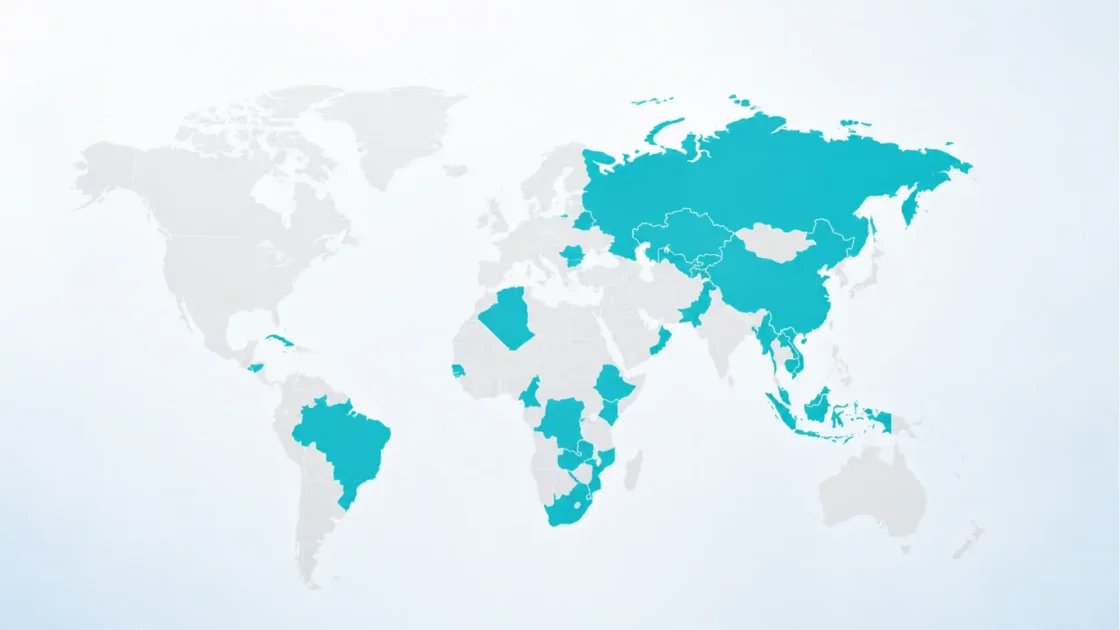
Professional pricing at $49.99 is modest compared with many business tools, but high enough that buyers will expect outcomes. If the plan includes real discovery benefits, Meta could raise prices later or add higher tiers. If adoption is weak, it may bundle Advanced with ad credits or business messaging tools. The current tests in Saudi Arabia, Morocco, Thailand and Bangladesh will give Meta data across markets with different creator and small-business behaviors.
The lowest-priced plans may also serve as psychological preparation. Once users pay Meta $2.99 or $3.99 for any app feature, future bundles feel less strange. The first payment relationship is a milestone. After that, Meta can cross-sell AI, verification, business tools or multi-app packages.
The risk is that low prices attract users with low commitment. Social subscriptions often see curiosity-driven sign-ups followed by churn. To fight that, Meta needs fresh benefits, annual plans, bundles, visible daily use and perhaps subscriber-only feature drops. The first month tests curiosity; the sixth month tests whether the subscription has become part of the product habit.
The revenue opportunity is real but not near the scale of ads
Meta’s advertising business is so large that subscription revenue has to be interpreted carefully. Q1 2026 revenue alone was $56.31 billion. A successful subscription product could still look small against that base. This does not make the strategy irrelevant. It means subscriptions are additive, not transformative in the near term.
A rough illustration shows the scale. If a small share of Meta’s billions of daily users paid a few dollars per month, the annual revenue could reach billions. But that math is easy to overstate. Daily active people are not the same as reachable paying subscribers. Many users live in lower-income markets. App-store fees reduce net receipts. Some plans will be unavailable in some markets. Churn will be material. Some users may subscribe to one app, not many.
The more realistic value is layered. Consumer Plus plans may generate direct revenue and product data. AI plans may offset compute costs and identify high-value users. Professional plans may strengthen business accounts and increase ad spend. Business messaging tools may deepen commerce. Bundles may raise average revenue per paying account. Meta does not need subscriptions to rival ads; it needs them to widen monetization around high-intensity behavior.
Investors may still focus on the headline subscription numbers. How many subscribers? What average revenue per subscriber? What churn? What gross margin? How much AI cost does each paid tier consume? Meta has not yet provided that level of detail for these new plans. Early tests may remain inside broader “other” revenue categories until they become material.
The gross margin profile will vary. A WhatsApp theme or Instagram profile font has low incremental cost. AI video generation has higher cost. Account support and impersonation protection require operational resources. Discovery benefits may have opportunity cost if they displace other content or ads. A subscription dollar is not always equal.
Professional subscriptions may have the best revenue synergy because they can lead to more ad spending. A business that pays for Meta One Advanced is signaling seriousness. Meta can use that signal to recommend ad campaigns, messaging tools and AI features. The subscription becomes both revenue and lead qualification for higher-value services.
Consumer subscriptions may be more about breadth. A $3.99 plan with millions of subscribers can produce meaningful revenue, but the feature flow must remain attractive. Meta has the product capacity to add features, yet it must not annoy non-paying users. Too many subscriber-only social signals can create class distinctions inside apps, which may hurt the free experience.
The right financial frame is optionality. Subscriptions give Meta more ways to monetize without relying solely on ad load or ad prices. They also give the company a direct consumer relationship in AI. That matters if ad regulation tightens, if AI changes search and discovery, or if messaging commerce expands. The strategy is not a replacement engine. It is a hedge, a test bed and a margin experiment.
Paid discovery will test Meta’s trust with creators and regulators
The most controversial features in the rollout are not stickers or app icons. They are the professional discovery benefits: search placement, feed featuring and prominent follow prompts. These features touch the ranking system, which is the most powerful layer of any social platform.
Ranking determines who grows, who sells, who is heard and who disappears. Users know ranking is algorithmic, but they expect the platform to at least claim relevance. Paid discovery complicates that claim. If a subscriber appears higher in search, is that because the account is more relevant, more trustworthy, more active or simply paying? Meta must answer that clearly.
Search placement on Instagram and Facebook is especially sensitive because search has intent. A user searching for a local business, creator or topic may trust top results more than feed content. If paid accounts receive preference, Meta may need labels or ranking explanations. Without them, the feature may be seen as disguised advertising.
Feed featuring raises a similar issue. A paid feature that places an account in Facebook feed looks close to promotion. If users cannot identify it as paid, advertising transparency questions arise. If it is clearly labeled, the feature may feel less organic to creators. Meta has to choose between transparency and perceived value, and regulators will push toward transparency.
The bold Follow button on Reels is less problematic but still gives paid accounts a conversion advantage. The button does not necessarily rank content higher; it may simply improve the action after a viewer watches. That is a cleaner benefit because it changes interface conversion rather than discovery itself. Automatic follow invitations to engaged users also sit in that conversion zone.
The safest paid professional features are operational: scheduling, analytics, moderator access, link management, impersonation protection and content-reuse alerts. The riskiest are ranking features. Meta’s paid professional strategy will be more defensible if it charges for tools around distribution, not hidden control over distribution.
This does not mean paid discovery cannot work. Search ads exist. Sponsored posts exist. Promoted listings exist. The issue is labeling and user expectation. If a paid discovery unit is framed as an ad product, users understand it. If it is framed as a subscription benefit inside organic search or feed, scrutiny rises.
Meta may attempt to keep boosts limited and quality-gated. A verified business with strong engagement and policy compliance may get modest search assistance. A spam account should not be able to buy prominence. That requires integrity systems, review, enforcement and appeals. It also creates customer-support burden because paying subscribers will complain when they do not see the promised lift.
Creators and businesses will demand evidence. A subscriber paying for higher search placement will want to know how often they appeared, where they ranked, what traffic resulted and whether the benefit was worth it. Meta can either show those metrics or keep the feature vague. Showing metrics builds trust but exposes the mechanics. Keeping it vague reduces accountability.
Meta Verified is now part of a larger subscription map
Meta Verified began as a badge, account support and impersonation-protection product for creators and businesses. It followed a broader platform trend after paid verification became normalized across social apps. The new Plus and Meta One plans make Meta Verified look less like a standalone product and more like one part of a wider paid-services map.
The launch reporting says Plus plans do not replace Meta Verified, which remains focused on verification, impersonation protection and extra support. That clarification is useful because the product names could otherwise blur. Instagram Plus sounds like it might include account credibility; Meta Verified sounds like it might include premium features; Meta One Essential includes a Verified badge and impersonation protection.
The overlap is not only a naming problem. It reflects Meta’s attempt to split payment motives. Some users pay to look legitimate. Some pay to customize. Some pay to work more efficiently. Some pay for AI. Some pay for visibility. One subscription cannot satisfy all of those motives without becoming too broad or too expensive.
Meta will likely fold more of this into Meta One over time. The name suggests a master subscription brand. If done well, Meta One could become the umbrella for AI, professional identity, account tools and perhaps cross-app bundles. If done poorly, it could become another layer of confusing naming over app-specific plans.
A clear future structure might look like this: Plus for consumer app extras, Verified for identity and protection, Meta One AI for assistant capacity, Meta One Professional for creators and businesses. But the current plans blur Verified and Professional. Essential includes the Verified badge. Advanced includes visibility and workflow. Meta may eventually retire or absorb older labels if Meta One gains traction.
The transition has to be careful because existing Meta Verified subscribers will expect continuity. Businesses that already pay for a badge and support may not want to rebuy similar features under a new name. Meta must offer migration paths, credit, bundles or clear differences. Subscription consolidation can increase revenue, but it can also anger early paying customers if benefits are repackaged without care.
The business Verified rollout in India shows that Meta is willing to localize subscriptions and expand tiers. Plans there included the badge, support, impersonation protection and features that vary by business goals and app use. That experience likely informs the Meta One professional tests.
Meta Verified also taught the company about support costs. Paying users expect service. Account support is expensive when scaled across many creators and businesses. If Meta One Essential includes account protection and support-like benefits, Meta must staff and automate customer service well. Bad support inside a paid plan can damage trust faster than no plan at all.
The larger paid map shows a company trying to monetize trust, expression, compute and work at once. Those are different products under one corporate roof. The hard part is not building features; Meta can build features. The hard part is making the paid hierarchy legible.
The AI assistant becomes more valuable when it is inside the social graph
Meta AI’s strongest advantage is not that it exists. Many assistants exist. Its advantage is that it can sit inside a social graph, a messaging graph, a content graph and a business graph. Facebook, Instagram, WhatsApp and Messenger contain relationships, interests, creators, businesses, groups, images, videos and conversations. That context can make an assistant feel less generic.
Meta’s 2025 Meta AI app announcement said personalized responses could draw on information users have chosen to share on Meta products, such as profiles and liked or engaged content, with cross-account personalization when Facebook and Instagram accounts are connected in Accounts Center.
That is powerful and sensitive. A standalone chatbot may know what a user types into it. Meta may know what the user watches, likes, follows, posts, shares, buys, messages businesses about and saves. If that context improves AI answers, Meta AI becomes more convenient. If users feel it is too intimate or poorly controlled, it becomes creepy.
A paid AI plan raises the stakes because users paying for a product expect agency. They will want to know what the assistant remembers, which app data it uses, whether chats train models, whether AI interactions affect ads and how to delete or limit context. Meta’s privacy controls will become part of the product value, not a back-office compliance page.
The social graph also creates unique AI use cases. A user can ask for captions based on an Instagram post, generate story backgrounds, edit images, summarize group plans, draft replies, translate creator content, compare products shared in chats or ask questions about feed content. Meta has already added voice, photo understanding, image editing, AI backgrounds, translation tests and AI-generated content experiments across its apps.
Those use cases are not all equally good. AI-generated feed content can feel intrusive if users did not ask for it. AI captions may be useful. AI image editing can be playful. Translation can expand creator reach. The best paid AI features will be those users intentionally invoke and repeat. The worst will be those that make feeds feel synthetic or less human.
Meta has to protect the human core of its apps. Instagram and Facebook already face criticism that recommendation feeds feel less personal. If AI-generated content floods the experience, Meta may increase engagement in the short term but reduce trust. The subscription opportunity should push Meta toward user-requested AI tools, not endless AI filler.
Inside WhatsApp, the social graph is private and direct. AI there must be handled with more restraint. A user may welcome an assistant in a chat if invoked clearly. They may reject AI that appears to scan or interpret private messages without obvious action. Meta’s Private Processing materials show the company understands this sensitivity, but public trust will depend on product behavior, not whitepapers alone.
Personalization is both Meta’s advantage and its vulnerability
Meta has spent decades building personalization systems. Feeds, ads, recommendations, friend suggestions, Reels, groups, marketplace surfaces and creator discovery all depend on ranking. AI adds another layer: personalized answers, personalized creation, personalized business responses and personalized assistants.
That is a competitive advantage because Meta can make AI more relevant inside its apps. It is also a vulnerability because personalization is where privacy, manipulation, youth safety, fairness and regulatory questions cluster. The subscription launch will intensify that tension if paid AI features draw from cross-app behavior.
The EU debate around personalized advertising already shows the pressure. Regulators have pushed Meta to offer less personalized ads and clearer choices. Meta has defended personalized ads as central to free services, while regulators and consumer groups have questioned whether users truly have free choice.
AI personalization may become the next version of that debate. An assistant that uses profile data and engagement history can answer better. But if the assistant also steers users toward content, products, creators or businesses, personalization becomes influence. If a paid plan offers deeper personalization, Meta must explain whether paying users receive more data use, better models, more memory or more control.
There is a product opportunity here. Meta could make paid AI tiers partly about stronger controls: memory management, incognito chats, data boundaries, workspace separation, business-safe modes or privacy-preserving processing. The Meta AI website already references private chats, files, richer responses and Meta AI across apps.
Privacy controls may not sound as exciting as video generation, but they can matter to professionals. A creator, journalist, consultant, student or business owner may pay for AI only if they trust how files and prompts are handled. Meta’s consumer reputation on privacy is not pristine. A paid AI product must earn confidence through controls and clear defaults.
The vulnerability is sharper for minors and sensitive categories. Social platforms face youth-safety scrutiny, and AI can amplify risks through chat, synthetic media, recommendations or emotional dependency. Meta’s Q1 2026 outlook noted active legal and regulatory matters, including youth-related scrutiny and scheduled U.S. trials that could materially affect the business.
If Meta builds paid AI features for all users, age restrictions and safety limits will matter. Image and video generation need guardrails. Chat features need boundaries. Discovery and personalization need protections. Paid access cannot become a shortcut around safety limits.
Meta’s long-term subscription success depends on trust in personalization. Users may pay for relevance, but they will not keep paying if they feel watched, manipulated or exposed.
The plans could reshape social media’s feature economy
Social platforms used to compete by adding features for free. Stories, Reels, filters, live video, groups, messaging, reactions, avatars and creator tools were distributed broadly to drive engagement. Paid subscriptions change that feature economy. Some new features become growth tools for everyone; others become subscriber benefits.
Meta’s launch accelerates this split. A feature team now has another question to answer: is this tool a free engagement driver, a paid retention feature, a professional upsell, an AI capacity feature or an ad product? That can make product strategy more financially disciplined. It can also make the free product feel less generous.
The split will be most visible in creator tools. Advanced analytics, link expansion, scheduling, content protection, account moderation and profile controls are all features creators want. If too many sit behind paid tiers, creators may feel squeezed. If Meta keeps enough free tools and charges for genuinely advanced work features, the model can be accepted.
Consumer social features are trickier. People are used to personalization features being free, especially on Instagram and WhatsApp. Charging for themes, icons and stickers may work with enthusiasts, but Meta must keep the free interface appealing. A social app where paid users look expressive and free users look plain can create subtle class tension. That may drive subscriptions, but it can also make the product feel less egalitarian.
AI changes the calculus because users increasingly understand that generation costs money. Charging for more video generation is easier to justify than charging for a basic profile option. The more a paid feature has visible compute cost, the easier it is to explain. The more it looks like a withheld social affordance, the harder it is to defend.
The feature economy also affects third-party tools. Link-in-bio companies, scheduling platforms, social analytics dashboards, creator-protection tools and AI caption apps all operate around gaps in Meta’s native products. Meta One Advanced could absorb some of those functions. When a platform integrates a paid version of a third-party tool’s value proposition, the external market shifts.
This is a recurring platform pattern. Ecosystems build around missing features. The platform later absorbs the most valuable ones. Developers and service providers must then move upmarket, specialize or integrate. Meta’s subscription push may reduce demand for some lightweight creator tools while increasing demand for agencies and advanced analytics that go beyond Meta’s native dashboards.
For users, native tools are convenient. For competition, native tools can be concerning because Meta controls the distribution layer. If Meta offers link tools and boosts them inside Instagram, third-party link tools cannot compete on equal terms. Regulators may notice if native paid tools receive platform preference.
The launch is not only about charging for a few extras. It is about deciding which parts of social-media functionality become premium over the next decade.
App-store economics will shape the real margins
Subscription prices are only the visible part of the economics. Where users buy matters. Apple and Google take fees on many in-app purchases. Web purchases can have lower platform fees but higher friction. Regional taxes and currency differences also change net revenue. Meta has already acknowledged app-store fee effects in its no-ads subscription pricing for Europe and the UK.
For low-priced subscriptions, fees matter a lot. A $2.99 WhatsApp Plus plan leaves less room after app-store fees, taxes, payment processing, customer support and churn. Meta may push web subscriptions where possible, but mobile users are used to subscribing inside apps. Reducing purchase friction may be worth the fee.
AI subscriptions have a different margin issue. The app-store fee is only one cost. Compute may be the larger variable cost for heavy users. A Meta One Premium subscriber generating many videos could consume far more resources than a casual subscriber. Meta will need usage limits, prioritization or internal cost controls to keep margins healthy.
Professional subscriptions add support costs. Businesses and creators who pay $14.99 or $49.99 will expect help when verification fails, impersonation happens, links break, search placement disappoints or account access creates problems. Support quality becomes part of the product. Meta can automate some support with AI, but account and trust issues often require human review.
The best-margin features are digital perks with low incremental cost: themes, stickers, profile customization, icons, story controls and analytics dashboards. The worst-margin features are heavy compute and labor-intensive support. Meta’s challenge is to bundle high-perceived-value low-cost features with enough high-cost features to justify the price without destroying margin.
This is why the Plus plans may matter even if they look small. A user paying $3.99 for mostly low-cost features can be highly profitable if they stay subscribed. The AI plan may generate more revenue per user but also more cost. Not all subscription revenue is equal; Meta will care about contribution margin by plan, not only subscriber count.
App-store rules also affect bundling. If Meta sells one cross-app subscription, how it is purchased, activated and managed across iOS, Android and web can be complicated. WhatsApp, Instagram and Facebook have different user identities and app behaviors, even if Meta Accounts Center connects some of them. Payment architecture must be simple enough for mainstream users.
Refunds, cancellations and family sharing can also shape retention. Consumer subscriptions live or die by ease of management. If users feel trapped, they complain. If cancellation is too easy without retention hooks, churn rises. Meta must find a balance without using dark patterns that attract regulatory attention.
Margins will also vary by market. A price that works in the U.S. may be high in another country. WhatsApp’s strongest markets include many regions where low pricing is needed. Meta may use local pricing, bundles or telecom-style partnerships over time. The global rollout gives scale, but global pricing is never one-size-fits-all in consumer subscriptions.
Meta’s AI and subscription strategy raises content-quality questions
AI features can make creation easier. They can also flood social feeds with synthetic sameness. Meta has already tested AI-generated content in Facebook and Instagram feeds and AI tools for backgrounds, captions, images and translations. Paid AI capacity could increase the volume of generated posts, images, captions, comments and business replies.
That creates a quality problem. Social platforms are already full of engagement bait, copied videos, low-effort pages, spam shops and repetitive creator formats. AI can lower the cost of producing more of it. If paid subscribers get higher AI generation limits, Meta may unintentionally reward accounts that produce volume over originality.
The company will need ranking and integrity systems that distinguish useful AI-assisted content from low-value synthetic output. This is not easy. A small business using AI to write clearer product descriptions may improve the user experience. A spam network using AI to create hundreds of fake pages will degrade it. Both may use similar tools.
Paid plans could worsen the problem if they become a trust signal for low-quality accounts. A badge, better search placement and AI generation capacity can be abused. Meta must verify businesses, enforce policies, detect coordinated behavior and prevent synthetic content farms from buying legitimacy. Paid access cannot be allowed to become paid camouflage.
Creators will also care about attribution. Meta One Advanced’s content-reuse alerts may help, but AI complicates originality. If users remix, imitate, translate, dub, caption and regenerate content, the line between inspiration and copying blurs. Meta’s platform rules will need to evolve around AI-assisted media, synthetic voices, lip-sync translation and likeness concerns.
There is a user-experience question too. People use Instagram and Facebook for human signals: friends, creators, communities, events, humor, taste, identity. If feeds become saturated with AI-generated posts, the social value can decline. AI should reduce friction around human expression, not replace it with generic content. That is a product philosophy Meta will have to enforce through ranking.
Paid AI plans may also create unequal content capacity. Wealthier creators or businesses can generate more variants, test more ideas, translate more videos and automate more responses. That may widen the gap between professionalized accounts and casual users. Social platforms already favor professional content; AI subscriptions may accelerate that shift.
Meta can mitigate this by keeping strong free creation tools while reserving heavier volume or advanced workflows for paid users. It can also prioritize originality, audience satisfaction and authenticity in ranking. If paid accounts produce poor content, payment should not save them. That principle will be crucial for trust.
The biggest content-quality test will be video. AI video generation is expensive and seductive. It can also produce uncanny, misleading or low-value material. Meta One Premium’s promise of more image and video generation must be paired with safety and quality controls. The social feed is not just an output channel for AI; it is the product users must still want to visit.
The user experience must avoid a paywall maze
The biggest design risk is not price. It is complexity. Meta is now asking users to understand Instagram Plus, Facebook Plus, WhatsApp Plus, Meta One Plus, Meta One Premium, Meta One Essential, Meta One Advanced and Meta Verified. Each has different benefits, audiences and prices. That is a lot of cognitive load.
Consumer apps succeed when choices feel obvious. “Remove ads” is obvious. “Get more storage” is obvious. “Access higher AI limits” can be obvious if framed well. “Unlock more creativity and productivity across your favorite apps” is not enough. Users need to know exactly what changes after payment.
The problem gets harder across apps. A user may subscribe to Instagram Plus and expect benefits on Facebook. A WhatsApp Plus user may wonder whether Meta AI benefits are included. A business may already pay for Meta Verified and wonder whether Meta One Essential duplicates it. Confusion leads to refunds, support tickets and mistrust.
Meta One may eventually solve this by becoming the umbrella. But umbrellas work only if the tiers are clean. A possible structure would be: Meta Plus for consumer app perks, Meta AI for assistant capacity, Meta Professional for creators and businesses. The current naming does not yet reach that clarity. A subscription system that needs an explainer page is already losing some users.
The app interface also matters. Upgrade prompts can annoy users if they appear too often. A story tool blocked by a paywall may frustrate creators mid-workflow. AI limits must be explained before the user feels punished. WhatsApp must be especially careful because people expect messaging to be clean.
A good upgrade prompt appears at the moment of value. A user trying to create a sixth audience list can see why unlimited lists matter. A user running out of AI video generations can see what Premium adds. A business trying to add more links can see the Advanced plan’s value. Bad prompts interrupt ordinary use with generic upsells.
Meta also needs plan management across accounts. Many users have multiple Instagram accounts, Facebook pages or business assets. A subscription tied to one account may feel restrictive. A subscription tied to all accounts may be more valuable but more expensive to support. Meta’s Accounts Center can help, but business assets add complexity.
Customer support is part of user experience. Paid users will expect billing clarity, reliable feature access and quick resolution. Meta’s consumer support reputation has often been criticized, especially by creators facing account lockouts or impersonation. Paid support must be better than the baseline, or subscriptions that promise protection will backfire.
The simplest user promise would be: your free apps still work; pay only if you want more control, more AI capacity or professional tools. Meta should keep repeating that in product design. The subscription model will work only if it feels optional at every step.
WhatsApp privacy will be tested by AI features more than by themes
Themes and ringtones will not define the future of WhatsApp monetization. AI will. The more Meta integrates AI into messaging, the more users will ask where messages go, what the assistant can see, how business conversations are processed and whether private chats remain private.
WhatsApp’s end-to-end encryption claim is simple and strong: personal messages and calls stay between the people communicating, and no one outside the chat, not even WhatsApp, can read or listen to them. That claim is core to WhatsApp’s identity.
AI features complicate the simplicity. If a user mentions Meta AI in a chat, forwards a message to an assistant, asks for a summary or uses an AI tool on media, some data must be processed. Meta’s Private Processing framework attempts to address this by using user action, encryption and privacy-preserving processing for certain AI features.
The product challenge is making the boundary visible. Users should know when they are chatting privately with people and when they are invoking AI. They should know whether messages are shared with AI only after explicit action. They should know how to disable AI in sensitive chats. Hidden or ambiguous AI access would be damaging.
Business chats are different from personal chats. Messages with businesses may be processed by business tools, cloud APIs or third-party providers depending on the setup. Users often do not understand those differences. If AI agents answer on behalf of businesses, disclosure becomes important. A customer should know whether they are speaking with a person, an automated system or a hybrid.
Paid AI plans tied to WhatsApp could make this more complex. A user paying for Meta One Premium may expect richer AI inside WhatsApp. But WhatsApp cannot become a place where AI feels intrusive. Meta needs a strict invocation model: user asks, AI responds; user controls context; private chats remain private by default.
There is also a metadata issue. End-to-end encryption protects message content, but messaging systems still involve metadata such as timing, contacts, device information and interaction patterns. Academic work has long pointed out that metadata can reveal social patterns even when content is encrypted.
AI can increase the value of metadata and context. That does not mean Meta will misuse it, but it raises user concern. A paid AI product should give stronger transparency about what context is used and why. For WhatsApp, trust will depend less on premium features and more on strict boundaries around AI.
WhatsApp Plus can remain harmless if it stays in personalization and organization. Meta One AI inside WhatsApp will require more explanation, more controls and more restraint.
The launch adds pressure on third-party creator tools
Meta’s professional subscription plans overlap with many external tools that creators and businesses use today. Link-in-bio services, social schedulers, analytics dashboards, content-protection tools, profile-page builders, customer-message helpers and AI caption generators all sell around platform gaps. Meta is now filling some of those gaps natively.
Native tools have advantages. They can access first-party data. They can place links inside the profile and content surfaces. They can integrate with account security and search. They can show official metrics. A third-party tool may offer a better dashboard, but it cannot change how Instagram or Facebook ranks or displays an account.
This creates a platform squeeze. If Meta One Advanced offers expanded links, deeper analytics, scheduling and content-reuse alerts, some creators may cancel separate tools. Others may keep advanced third-party platforms but use Meta’s plan for native benefits. The most vulnerable external tools are those that provide simple functions Meta can bundle easily.
Agencies may benefit. A more complex Meta subscription map creates demand for advice, setup, measurement and content strategy. Small businesses may need help deciding whether to buy Essential, Advanced, ads, WhatsApp tools or AI plans. The platform’s paid ecosystem can create service demand even as it absorbs software categories.
The question is whether Meta’s native tools will be open enough for serious operators. Businesses often want exports, integrations, API access, team permissions and cross-platform reporting. If Meta’s paid tools are locked inside its interface, advanced users may still need third-party systems. If Meta provides better integrations, it can become a stronger business platform.
There is also a competition-policy angle. When a gatekeeper platform sells native tools that compete with companies dependent on that platform, regulators may ask whether the platform advantages its own services. The DMA already focuses on gatekeeper conduct, data access and fairness. Meta’s paid professional tools will exist in that regulatory climate.
A fair approach would let external tools integrate, compete and complement. Meta can sell native features while still supporting APIs and data portability. If it locks down data or privileges its paid tools too aggressively, it may invite scrutiny. The subscription strategy will be safer if Meta treats third-party tools as part of the creator economy rather than obstacles to absorb.
For creators, the best outcome is choice. Some may prefer a simple native plan. Others may need advanced external tools. The danger is forced dependence: pay Meta for native visibility, pay third parties for workflow, pay ads for reach and still lack clear control. Creator economics can only absorb so many layers of platform cost.
Meta’s subscription push could improve creator work if it consolidates useful tools. It could also raise the cost of professional participation. Which outcome dominates will depend on pricing, feature quality and whether paid advantages become necessary rather than optional.
The advertising business remains the strategic center
Despite the subscription news, Meta remains an advertising company at its financial core. Q1 2026 ad impression growth and price growth show a business still powered by ad auctions and engagement. Subscriptions may become material, but they are unlikely to displace ads as the central profit engine soon.
This matters because every subscription decision will be judged against ad strategy. If a paid feature reduces ad inventory, Meta will ask whether subscription revenue compensates. If a professional plan makes businesses more active, Meta will ask whether ad spend rises. If AI improves ad creative and targeting, subscriptions may be secondary to ad performance gains.
AI may produce the biggest return inside advertising. Better ranking, creative generation, audience modeling, campaign automation and measurement can increase advertiser outcomes and Meta’s pricing power. Consumer AI subscriptions are more visible, but ad AI may be financially larger. Meta’s paid AI plans are the retail front of a much larger AI monetization story.
That does not diminish the plans. It explains why Meta can price them carefully. The company does not need to extract maximum subscription revenue immediately. It can keep prices low, test adoption and protect engagement because ads continue to pay the bills. A weaker company might force subscriptions harder. Meta can afford patience.
Advertising also gives Meta a way to subsidize AI adoption. Free Meta AI can remain generous if it supports engagement, retention and ad relevance. Paid tiers can serve heavy users without making the assistant feel exclusive. This hybrid model may be more durable than a pure AI subscription model because Meta has a separate revenue engine.
The risk is that ads and subscriptions can create conflicting user expectations. A paying user may expect fewer ads, but the Plus plans are not ad-free plans. If Meta does not make that clear, subscribers may feel misled. The European and UK no-ads subscriptions are separate products. A global Instagram Plus subscriber should not assume ads disappear.
This is another reason naming matters. “Plus” in many services implies a better or cleaner experience, sometimes fewer ads. Meta needs explicit messaging: Plus adds features; it does not necessarily remove ads. Meta One AI adds capacity; it does not necessarily change feed ads. Professional plans add tools; they do not replace advertising.
Ads also influence product ranking. If paid professional discovery competes with ad placements, Meta must manage inventory. It may create separate surfaces or limits. The company has decades of ad auction experience, but subscription-based discovery is a different mechanism. It will need guardrails.
The ad business is the anchor, the subscription business is the expansion, and AI is the cost and product layer running through both. Meta’s strategic task is to make all three reinforce one another without making users feel monetized from every angle.
The stock-market story is about proof of AI returns
Investors care about this launch because it offers a tangible monetization path for AI. Meta’s AI spending is huge, and the company’s raised capex outlook has made return on investment a central question. A paid Meta AI plan is easy to understand: users who consume more compute pay more money.
But investors should be careful not to overstate the near-term revenue. Early tests in Singapore, Guatemala and Bolivia will not move Meta’s income statement. Consumer Plus plans may take time to scale. Professional tests in selected markets will need proof of retention. The first market reaction may focus on the idea of recurring revenue, but the real proof will come from adoption, churn and margins.
The launch is also a product signal. Meta is no longer treating AI only as an engagement layer or internal advertising tool. It is testing direct AI monetization. That places Meta closer to the paid AI subscription market and gives it a story alongside OpenAI, Google and Anthropic. Yet Meta’s strongest monetization may remain indirect: better ads, better recommendations, better business messaging and more time spent.
For Wall Street, the most useful metrics would include paid subscribers by plan, AI usage per paid user, AI gross margin, professional plan retention, uplift in ad spend among professional subscribers and churn by app. Meta may not disclose these soon. It may bundle them inside other revenue until they become material.
Investors will also watch whether paid features create backlash. A subscription rollout can look financially attractive while damaging user trust. If creators complain about paid reach, if WhatsApp users worry about monetization, or if regulators question ranking benefits, the strategic cost could offset revenue.
The capex context will not fade. Meta expects $125 billion to $145 billion in 2026 capital expenditures, including finance leases. That scale requires more than a few subscription perks. It requires AI to improve the entire business. Subscriptions are one proof point, but not the whole answer.
The investor case is strongest if Meta can show a three-part return: AI lifts ad performance, AI creates new paid tiers, and AI strengthens business messaging and commerce. If only one of those works, the spending story is thinner. If all three work, Meta’s infrastructure bet becomes easier to defend.
The subscription launch gives Meta a narrative bridge. It connects consumer apps, creators, business tools and AI costs. It tells investors that the company is not simply absorbing compute expenses; it is turning AI and app intensity into priced products. The market will still need numbers.
The rollout markets reveal a test-and-learn strategy
Meta is rolling out consumer Plus plans globally while testing AI and professional plans in selected countries. The AI plans start in Singapore, Guatemala and Bolivia. The creator and business plans are set to test in markets including Saudi Arabia, Morocco, Thailand and Bangladesh.
That split is smart. Consumer Plus features are lower risk and can scale broadly. AI pricing and professional discovery benefits need more controlled testing. Meta can compare adoption across income levels, mobile behaviors, creator markets, business patterns and regulatory environments.
Singapore is a high-income, digitally mature market, useful for AI willingness-to-pay tests. Guatemala and Bolivia give different pricing and usage contexts. Saudi Arabia, Morocco, Thailand and Bangladesh provide varied creator and business ecosystems. Meta can learn whether professional plans work only in richer markets or also in places where Facebook, Instagram and WhatsApp are deeply tied to small-business activity.
Testing also lets Meta refine features before regulators in larger markets focus on them. If paid search placement creates confusion, Meta can adjust. If AI limits feel too restrictive, it can change quotas. If business users care more about links than badges, it can rebalance tiers. The test markets are not footnotes; they are where Meta will decide which paid benefits deserve global expansion.
Global consumer rollout gives Meta immediate data on low-priced subscriptions. It can see which app converts best. My expectation is that Instagram Plus has the clearest consumer appeal among creators and heavy users, WhatsApp Plus may rely on personalization enthusiasts, and Facebook Plus may need more community or page tools to gain strong traction. That is analysis, not confirmed adoption data.
The staged rollout also reduces reputational risk. If Meta launched every plan everywhere at once, the story could become “Meta paywalls everything.” By separating consumer extras from AI and professional tests, the company can present the move as experimentation. That framing is credible because many features are optional and app-specific.
Still, global rollout of consumer Plus plans means customer-support systems, payment flows and cancellation paths must work across markets. A low-priced subscription can generate high support volume if billing is unclear. Meta’s scale can turn small error rates into large complaint numbers.
Regional pricing will likely become important. A $3.99 plan may be acceptable in the U.S. and parts of Europe but high in other markets. Meta has historically localized products and may do so here. The company will need to balance simplicity against local affordability.
The rollout strategy shows a company moving carefully but ambitiously. Meta is not testing whether subscriptions exist; it is testing which parts of its ecosystem can bear payment without damaging scale.
AI plans could become tied to glasses faster than expected
The launch reporting says AI plans will later add benefits for users of AI glasses. That detail points toward a larger product ambition. Meta’s Ray-Ban Meta glasses and future AI wearables can turn the assistant from a chat window into a real-world interface. If that interface gains daily use, subscription capacity becomes more compelling.
AI glasses create different usage patterns from phones. A user can ask about what they see, translate signs, capture moments, send messages, identify objects, remember context, get directions or ask for live help. These are frequent, sensor-rich interactions. They may require voice, vision, low latency and privacy controls. That makes them expensive and valuable.
A paid AI tier for glasses could bundle higher live AI limits, faster response, better memory, richer visual understanding, translation capacity or media generation. Users who buy smart glasses may be more willing to pay for service tiers than ordinary app users. Hardware buyers already made a commitment. A subscription can extend the device’s value.
Meta’s 2025 Meta AI app announcement merged the AI app with the Meta View companion app for Ray-Ban Meta glasses in some countries and described continuity between glasses, app and web. That suggests Meta wants one AI identity across devices.
The subscription layer fits that strategy. A user might start with free Meta AI in Instagram, upgrade for image generation, buy glasses later and keep the same Meta One subscription for wearable features. This creates a services attachment model similar to other hardware ecosystems. For Meta, AI glasses become more viable if they carry recurring service revenue, not only hardware margins.
The privacy challenge is even greater with glasses. A phone AI assistant processes content the user sends. Glasses can capture the environment. Bystanders may be involved. Regulators and users will ask how images, audio, location and contextual prompts are handled. Paid tiers must not weaken safety boundaries. Higher capacity should not mean looser controls.
There is also a social acceptance issue. AI glasses need to feel normal in public. If paid features encourage constant recording or intrusive analysis, backlash could slow adoption. Meta must design glasses AI around clear user action, visible signals and privacy-preserving processing.
The reason this matters to the subscription launch is that today’s Meta One plans may be the base for tomorrow’s wearable service model. The first AI tiers focus on reasoning and generation. The next wave may focus on live, multimodal, real-world assistance. That could make the $7.99 and $19.99 plans more attractive over time.
Meta’s subscription strategy is not only about apps on screens. It is also about the possibility that AI becomes a persistent layer across devices. The company wants to own that layer before competitors do.
The product naming needs discipline
Meta has a naming problem. Instagram Plus, Facebook Plus, WhatsApp Plus, Meta One Plus, Meta One Premium, Meta One Essential, Meta One Advanced and Meta Verified are too many labels for a mainstream user to hold. Some names describe apps. Some describe AI. Some describe professional use. Some describe verification. Some overlap.
This is not cosmetic. Naming affects conversion. A user who cannot understand the plan will not subscribe. A business that fears buying the wrong tier may delay. A creator who already pays for Meta Verified may feel confused or annoyed by Meta One Essential. A user who buys Instagram Plus may expect Meta AI benefits and be disappointed.
“Plus” is also overloaded. Instagram Plus and Meta One Plus are different products at different prices. That can create customer-service issues. Meta One Premium sounds like the top plan, but Meta One Advanced is a professional plan at a higher price. Essential and Advanced describe professional tiers, while Plus and Premium describe AI tiers. The system may make sense internally, but it is not yet intuitive.
Meta likely wants Meta One to become the master brand. If so, it should eventually simplify the structure. For example: Meta One AI, Meta One Creator, Meta One Business and app-specific Plus add-ons. The exact names matter less than the hierarchy. Users need to know whether they are buying app perks, AI capacity, verification, business tools or all of the above.
The company also has to decide what happens to Meta Verified. It has brand recognition. It also overlaps with Essential. Keeping both may work in the short term but could hinder the long-term subscription map. Retiring or folding Verified too quickly could upset existing subscribers. The transition requires care.
The product architecture should follow user intent, not Meta’s org chart. Consumers think in terms of “make my app better,” “give me more AI,” “protect my account,” “grow my business,” “help me create.” Plans should map to those intents. Current naming only partially does that.
Clear naming also matters for regulation. If a plan affects ads, ranking, verification, AI data use or privacy, the name and description should not obscure that. A “Plus” plan that only adds features is straightforward. A “Professional” plan that changes discovery should be explicit. A “Premium” AI plan should state limits and data controls.
The subscription rollout is early enough for Meta to adjust. Many tech companies launch messy paid tiers and refine them after data. The danger is that early confusion slows adoption and shapes negative perception. First impressions matter because users may decide “Meta subscriptions are confusing” before trying them.
A clean subscription brand could become powerful. Meta has the app scale, AI ambitions and business user base to support one. But the current map needs pruning. The simpler the subscription ladder, the easier it becomes to sell.
The paid tiers may change creator behavior even for non-subscribers
Even users who never pay may feel the effect of subscriptions. If Meta introduces paid tools for story insights, audience segmentation, search placement and follow conversion, creators and businesses will adapt. Some will subscribe. Others will change posting behavior to compete. Agencies will recommend plans. Tutorials will appear. Platform strategy will shift.
A creator who sees competitors using extended stories or spotlight features may feel pressure to join. A business that sees verified competitors ranking higher may test Advanced. A social-media manager may add Meta subscriptions to client budgets. Over time, paid tools can become standard practice in professional circles even if the average user ignores them.
This is how platform costs rise. No single fee is mandatory, but professional participation accumulates expenses: editing software, analytics, scheduling, link tools, subscriptions, ads, AI tools, music licensing, stock assets and agency support. Meta’s native subscriptions may replace some external costs, but they may also add another layer.
For non-paying creators, the concern is relative disadvantage. If paid accounts gain better insights and conversion tools, free accounts may grow more slowly. That does not necessarily mean unfairness; professional tools often create advantage. The issue is whether the platform preserves a viable path for high-quality free creators. If discovery becomes too pay-influenced, talent without budget may struggle.
Meta has an interest in keeping free creator discovery alive. The platform needs fresh culture, not only paid professionals. Instagram’s appeal depends on the chance that unknown creators can break through. If subscriptions make growth feel purchased, cultural energy can migrate elsewhere. Paid creator tools must not kill the myth and reality of organic discovery.
For businesses, paid tools may normalize Meta as an operating expense. A local business might treat Meta One Advanced like a website fee. That could be good for Meta and useful for businesses if the tools work. It could also increase dependence on a platform whose rules change.
Non-paying consumers may see more polished content, more AI-assisted posts and more paid subscriber signals. The free experience could become more commercial if professional subscribers use new tools heavily. Meta will need ranking systems that keep feeds useful and personal rather than dominated by accounts paying for professional features.
The psychological effect of paid features also matters. When users see others using premium story effects or profile tools, they may perceive status differences. This can drive adoption, but it can also create irritation. Social products monetize status carefully because resentment can reduce trust.
Meta’s best defense is quality. If paid features lead to better content, clearer business profiles, fewer impersonators and more useful AI, non-subscribers may accept them. If they lead to clutter, spam and paid advantage, resistance will build.
Meta’s subscription strategy is also a data strategy
Subscriptions produce data that ads do not. A paying user reveals willingness to pay, product intensity, feature preference, churn sensitivity and professional intent. That data can inform pricing, product development, sales targeting and AI resource allocation.
For AI, subscription data is especially useful. Meta can see which users hit free limits, which features trigger upgrade, how paid users consume compute, which prompts are costly, which outputs create retention and where users churn. This helps the company tune both product and infrastructure.
For creators and businesses, subscription data can identify serious commercial accounts. A business paying for Advanced is a stronger candidate for ads, business messaging tools, commerce features and support. A creator paying for analytics and content protection may be a stronger candidate for monetization programs. A subscription is not only revenue; it is a signal of intent.
This signal can improve Meta’s internal prioritization. High-intent users may get tailored onboarding, support prompts, ad recommendations or AI tool suggestions. That can increase lifetime value. It can also raise fairness and privacy questions if paid intent affects ranking, targeting or treatment in opaque ways.
Subscription data also informs bundling. Meta can learn whether Instagram Plus users are likely to buy Meta One AI, whether WhatsApp Plus users are mostly personalization seekers, whether Meta Verified businesses upgrade to Advanced, and whether AI Premium users overlap with creators. That can lead to better bundles or cross-sells.
The company must handle this data transparently. Users should know whether subscription status affects ads, recommendations, support, ranking or AI personalization. Paying for a product should not become hidden input into unrelated platform treatment without clear explanation. Regulators may care if paid status changes access or visibility in ways that are not disclosed.
Data from cancellations is equally important. If users cancel after AI limits, pricing may be wrong. If they cancel because features are not used, product value is weak. If businesses cancel because discovery impact is unclear, reporting needs improvement. Subscriptions create a direct feedback loop that advertising does not.
Meta has an advantage because it can run experiments at scale. It can test plan names, prices, feature bundles, prompts, annual discounts and regional offers across huge populations. That experimentation power is commercially useful, but it must be governed carefully. Dark patterns in subscription sign-up or cancellation would invite backlash.
The subscription rollout gives Meta a new monetization dashboard for user intensity. That dashboard may be as strategically valuable as the first wave of revenue.
The launch hints at a future bundle across Meta apps
A cross-app bundle is the logical next step. Once Meta has paid features in Instagram, Facebook, WhatsApp and Meta AI, it can test whether users prefer individual subscriptions or one larger package. A “Meta One” bundle could include app perks, AI capacity, profile tools, verification and business features depending on tier.
Bundles have obvious benefits. They raise average revenue per paying user. They reduce decision fatigue if packaged well. They let Meta discount across apps without cutting individual plan prices. They make the subscription feel like an account-level service rather than scattered app purchases.
But bundles also create regulatory and product risks. Meta owns multiple gatekeeper-scale services. Bundling paid benefits across them can reinforce ecosystem lock-in. A business that pays one bundle for Instagram, Facebook and WhatsApp may become more dependent on Meta. Regulators could ask whether bundling disadvantages rivals or third-party tools.
Consumer bundles also require careful value balance. A user who cares only about Instagram may not want to pay for Facebook and WhatsApp perks. A WhatsApp-heavy user may not care about Instagram story tools. AI may be the unifying feature because it can work across all apps. Meta AI could become the glue that makes a cross-app subscription feel coherent.
A family or household bundle is possible but complicated by privacy and account separation. Social accounts are personal. Business assets may be shared. AI memory may be individual. WhatsApp is tied to phone numbers. Bundling across people or accounts needs careful design.
A professional bundle is more plausible. A business could pay for cross-app verification, links, analytics, AI customer support, WhatsApp tools and ad credits. That would compete with small-business marketing suites. It could be powerful if simple enough.
An AI bundle tied to glasses is also plausible. A user pays for Meta One Premium and gets higher limits in the Meta AI app, web, Instagram, WhatsApp and AI glasses. This is closer to how users understand cloud services: one account, many surfaces. It may be the cleanest long-term version of Meta One.
The current launch stops short of that. Individual Plus plans are app-specific. Meta One AI and professional plans are in tests. Meta Verified remains separate. Meta is gathering the pieces before forcing the bundle. That restraint is wise because premature bundling can hide weak products and create confusion.
If the pieces work, the bundle will come. The business incentive is too strong. The question is whether Meta can make the bundle feel like convenience rather than entrapment.
The strongest user value is control, not novelty
The paid features that matter most are not the flashiest ones. Custom icons, stickers and reactions may drive initial curiosity, but long-term value usually comes from control. More audience lists, better story insights, more pinned chats, stronger links, account protection, content alerts, scheduling, team access, AI capacity and privacy controls all give users more control over how they use Meta’s apps.
Control is valuable because social platforms are unpredictable. Users do not fully control reach, ranking, audience composition, account safety or algorithmic interpretation. Subscriptions can succeed if they reduce that uncertainty. They fail if they add decorative features while leaving the biggest frustrations untouched.
Instagram Plus gives creators more control over stories and audiences. WhatsApp Plus gives users more control over chat organization and interface. Meta One Advanced gives professionals more control over profile conversion, content workflow and account protection. Meta One AI gives heavy users more control over capacity and advanced generation. The common thread should be control.
Novelty fades. Control compounds. A custom app icon may feel fun for a week. A reliable team-access tool can matter every day. A story insight that changes posting strategy can affect growth. A content-reuse alert can protect work. An AI capacity increase can support repeated workflows. Meta’s retention will depend on these repeat-use features.
The company should also treat transparency as control. Users want to know what paid search placement means, how AI limits work, what data powers personalization, which benefits apply to which account and how to cancel. A feature can be technically useful but commercially weak if users do not understand it.
For businesses, control means fewer surprises. Account impersonation, sudden lockouts, weak support, unclear analytics and unstable reach are major pain points. A subscription that addresses those problems will sell. A subscription that adds a badge but leaves support poor will not.
For WhatsApp users, control means preserving simplicity and privacy while adding organization. Extra pins and lists fit that. AI features must be opt-in and clearly bounded. For Instagram users, control means audience segmentation and performance insight. For Facebook, control may need to evolve toward group and page management to be compelling.
Meta’s product teams should measure not only sign-ups but which features become habits. The features used weekly or daily are the ones that justify subscriptions. Paid novelty can launch a plan. Paid control keeps it alive.
The biggest risk is making free users feel second-class
Every freemium product faces this risk. Paid tiers need enough value to convert users, but free users must not feel neglected or punished. For Meta, the stakes are higher because the free user base is the source of network value and advertising revenue.
If free Instagram users feel that meaningful story tools, reach and audience understanding are locked away, they may grow frustrated. If free businesses feel buried under paying competitors, they may see the platform as less fair. If free Meta AI users hit limits too quickly, they may leave for other assistants. If free WhatsApp users see too many prompts for paid personalization, the app may feel cluttered.
Meta must avoid designing artificial pain. Users can accept paying for extra capacity or advanced tools. They resent paying to remove friction that feels intentionally added. The distinction is subtle but crucial. A good paid tier expands the product; a bad paid tier repairs damage created to sell the tier.
The free product must keep improving. Instagram still needs strong creative tools for everyone. WhatsApp must remain simple and reliable. Facebook groups and pages need baseline functionality. Meta AI must remain useful enough for casual users. If free quality drops, subscriptions may create short-term revenue and long-term harm.
There is also a social-status risk. Paid badges and premium effects can create visible hierarchies. Some hierarchy drives demand. Too much makes the platform feel like a club where payment substitutes for authenticity. X’s paid verification shift showed how quickly a badge can lose meaning if users no longer trust what it represents. Meta has tried to link verification to identity and protection, but broader paid tiers could blur the signal.
Professional plans must be designed so that payment does not imply endorsement. A verified badge means identity has been checked, not that Meta recommends the business. Search boosts and feed featuring should not make low-quality actors look more trustworthy. The company will need clear labels and enforcement.
Free creators are important to culture. Many influential accounts begin without money. If Meta creates a perception that serious growth requires payment, it could push emerging creators to other platforms. The strongest social networks preserve some sense of open possibility. Paid tools can coexist with that, but not if they dominate discovery.
For AI, free users are important to adoption. Meta wants AI to become a habit across apps. A stingy free tier would slow that. A generous free tier with clear paid overflow is better. The free user should feel served, not baited.
The move could strengthen Meta’s moat
Meta’s biggest advantage is not any single app. It is the combination of apps, identity, social graph, messaging, creator networks, business tools, ad infrastructure, AI models and hardware ambitions. Subscriptions can strengthen that combination by adding paid relationships across the same system.
A user paying for Instagram Plus becomes more invested in Instagram. A business paying for Meta One Advanced becomes more invested in Meta’s business surfaces. A user paying for Meta AI may use the assistant across apps. A WhatsApp Plus subscriber may customize the messaging environment and stay attached. These are small lock-in effects, but at scale they matter.
The moat deepens if subscriptions connect across surfaces. A business using Instagram Reels, Facebook search, WhatsApp chat and AI support becomes harder to move. A creator using native analytics, content alerts, links and AI tools becomes more dependent on Meta. A glasses user with paid AI capacity becomes tied to Meta’s hardware-services loop. Subscriptions turn engagement into contractual attachment.
This can be good for users if the products save time and improve control. It can be bad if dependence grows without accountability. Platform lock-in is always double-edged. Meta’s scale makes the edge sharper.
Competitors will respond in different ways. Snap will keep expanding Snapchat+. X will keep tying subscriptions to ranking, creator revenue and Grok. Google will bundle AI with storage, productivity and Android. OpenAI and Anthropic will focus on assistant quality and professional workflows. TikTok may expand paid creator or AI tools if it sees traction. The social subscription market is becoming normal.
Meta’s moat is strongest where competitors lack an equivalent combination. OpenAI lacks social graphs. Snap lacks Meta’s scale. X lacks WhatsApp’s private-messaging dominance. Google has distribution but not the same social identity layer. TikTok has culture but not Facebook groups or WhatsApp. This makes Meta’s cross-app subscription strategy strategically potent.
The regulatory concern is that the same moat can limit competition. If Meta bundles AI, identity, discovery and messaging across gatekeeper services, rivals may find it harder to reach users. The DMA and other rules exist partly because such integration can entrench power. Meta will need to show that users retain choice and competitors are not unfairly blocked.
A strong moat built through user value is defensible. A moat built through opaque ranking, forced bundles or data advantages is more vulnerable. Subscriptions can go either way. The moat will be judged by whether users feel they bought useful tools or were pulled deeper into a closed system.
The next product questions are more important than the launch itself
The launch answers one question: Meta is willing to put paid tiers across its major apps and AI services. The more important questions come next.
Will Instagram Plus subscribers use story controls often enough to stay? Will WhatsApp users pay for personalization in a utility app? Will Facebook Plus find a loyal audience beyond novelty? Will Meta One AI users pay once they hit free limits? Will professional users see measurable gains from Essential and Advanced? Will paid search and feed features draw regulatory attention? Will Meta simplify the naming?
Feature evolution will matter quickly. Social subscriptions need new benefits. AI subscriptions need clear capacity value. Professional plans need outcome reporting. Meta must show momentum without making non-paying users feel excluded.
The company also needs to decide whether to bundle. Individual app plans may be easy to test but hard to scale into a coherent subscription business. Meta One suggests a future umbrella, but Meta must earn the right to bundle by proving each component has value.
The AI side may move fastest. Compute costs are real, user demand for generation is rising, and competitors have trained users to pay. If Meta One Premium delivers strong image, video and reasoning features across apps, it may become the most logical paid product in the set. If it lags dedicated AI assistants, users may treat it as a convenience tier rather than a serious AI subscription.
Professional plans may become the highest-value segment if Meta can link them to business results. Small businesses and creators are already economically motivated. They will pay if the plan saves time, protects accounts or drives customers. They will cancel if it feels like a badge and vague promises.
Consumer Plus plans are the broadest but perhaps the least certain. They depend on emotion, habit and novelty. Instagram has the best fit because attention insights and story controls align with user behavior. WhatsApp has the biggest trust constraint. Facebook may need more utility-focused features.
The launch is the first draft of a paid Meta ecosystem. The second draft will reveal the real strategy. It will show which features survive, which names change, which bundles appear and whether AI becomes the center of the subscription family.
The real test is pricing power, not feature lists
Meta can build feature lists forever. The question is whether users believe the features are worth paying for. Pricing power is the ability to charge without weakening the core product, damaging trust or losing users to competitors. That is what this launch will test.
For consumers, pricing power comes from habit and identity. For creators, it comes from growth and control. For businesses, it comes from leads, credibility and workflow. For AI users, it comes from capacity and quality. For glasses users, it may come from real-world assistance. Meta is testing all of these at once.
The company has advantages few others can match: billions of daily users, three flagship apps, a massive ad business, a growing AI assistant, business messaging, creator surfaces and hardware ambitions. It also has burdens: privacy history, regulatory scrutiny, creator distrust, product complexity and rising infrastructure costs.
Subscriptions will not replace Meta’s advertising engine soon. They may not need to. The strategic value lies in turning the most intense parts of Meta usage into direct revenue while keeping the free network intact. If Meta manages that balance, Plus and Meta One could become a durable second layer on top of ads. If it misjudges the balance, users will see the plans as another attempt to monetize features that should have remained part of the product.
The launch is therefore less about $2.99 stickers or $3.99 story tools than about Meta’s next decade. Social media is mature. AI is expensive. Regulators are watching data and gatekeepers. Creators and businesses want more control. Users want free access but also better tools. Meta is trying to satisfy all of those pressures without choosing only one.
The plan is ambitious because it is incremental. It does not announce a new app or a dramatic pivot. It adds paid layers inside the apps people already use. That is how mature platforms often change: not through a single break, but through a new price tag placed on the behaviors that matter most.
Meta’s new subscription structure at launch
| Plan | Reported price | Main audience | Core value being tested |
|---|---|---|---|
| Instagram Plus | $3.99/month | Heavy Instagram users and creators | Story controls, audience insight and profile expression |
| Facebook Plus | $3.99/month | Facebook power users and pages | Social expression and profile extras |
| WhatsApp Plus | $2.99/month | Messaging-heavy users | Themes, chat organization and personalization |
| Meta One Plus | $7.99/month | Meta AI users | More AI access than the free tier |
| Meta One Premium | $19.99/month | Heavy AI users | Higher compute capacity, deeper reasoning and more generation |
| Meta One Essential | $14.99/month | Creators and businesses | Verified badge, protection and link presence |
| Meta One Advanced | $49.99/month | Professional creators and businesses | Discovery, links, analytics, scheduling and content protection |
The table shows why this is not one subscription launch but a pricing ladder. Meta is testing separate willingness to pay for expression, messaging control, AI capacity, credibility and professional distribution.
The subscription push will be judged by retention
Initial sign-ups will not prove much. A new Meta subscription can attract curiosity, especially at $2.99 or $3.99. Retention will reveal whether users find recurring value. The difference between a one-month trial and a year-long subscription is the difference between novelty and utility.
Retention drivers will vary. Instagram Plus retention may depend on story analytics and audience controls. WhatsApp Plus retention may depend on daily interface comfort. Facebook Plus retention may depend on whether Meta adds more community or page tools. Meta One AI retention may depend on how often users hit free limits and whether paid outputs feel better. Professional plan retention may depend on measurable growth, protection or time saved.
Meta should expect churn in consumer tiers. That is normal. The company can reduce churn through annual plans, bundles, new feature drops and habit-building prompts. But it should avoid making cancellation hard. Subscription traps create resentment and regulatory risk.
For AI tiers, retention will depend on quality and capacity. If Meta AI feels inferior to ChatGPT, Gemini or Claude for the tasks users care about, they will not keep paying. If Meta AI excels inside Meta apps and glasses, it can retain users even if other assistants are stronger elsewhere. The product does not have to win every AI benchmark; it has to win the contexts where Meta controls the workflow.
For professional tiers, retention will be evidence-led. Businesses will ask whether profile visits rose, link clicks improved, messages increased, follower conversion went up, impersonation issues declined or workflow became easier. Meta should provide clear reports. A professional subscription without outcome reporting feels like faith-based spending.
Customer support will affect retention too. Paid users who cannot reach support after an account issue will cancel and complain. Account protection is only credible if help arrives when needed. Meta’s history of difficult creator support means this will be a high bar.
The best retention mechanism is daily use. A feature used once a month is easy to cancel. A feature used every day becomes invisible infrastructure. Meta’s most durable paid features will be those embedded in repeated workflows: story posting, chat management, AI generation, business messaging, scheduling and analytics.
The subscription launch will make headlines on price. The business will be decided by habit.
The broader social-media market is moving toward paid layers
Meta’s move fits a larger shift. Social platforms are adding paid tiers because advertising alone no longer answers every strategic need. Platforms want direct consumer revenue, creator revenue signals, AI cost recovery, business tools and less dependence on ad cycles. Users, meanwhile, have become more used to paying for digital subscriptions, even if they still expect basic social access to stay free.
X Premium shows one version: paid status, ranking benefits, creator monetization and Grok access. Snapchat+ shows another: personalization, playful features and subscriber identity. Meta is trying to build a broader version because it has more surfaces: social feeds, private messaging, business messaging, AI, creators, pages and possibly glasses.
The next stage of social-media monetization may be layered. Free access remains. Ads remain. Paid consumer features grow. Creator and business subscriptions expand. AI capacity becomes priced. Commerce and messaging tools deepen. This is not a clean replacement of one model by another. It is a stack.
That stack can serve users well if each layer adds clear value. It can also make platforms feel financially exhausting. A creator might pay for Meta, X, editing tools, AI tools, email software and ads. A small business might pay for Meta subscriptions, Google tools, website software and messaging providers. Subscription fatigue is real.
Meta’s advantage is that it can combine functions. If one Meta subscription replaces several external tools, users may accept it. If it simply adds another monthly bill, adoption will be thinner. The company’s success depends on consolidation value.
The market will also test whether social subscriptions work outside creator and enthusiast niches. Snapchat+ found a strong base, but not every platform can copy that. Meta’s user base is larger and more diverse. The company may find that professional and AI tiers produce stronger revenue than consumer Plus plans. Or Instagram Plus may surprise because the app’s attention economy is so intense.
Regulation will shape the market. Paid ranking, paid verification, AI-generated content, business messaging and privacy choices will all attract scrutiny. Platforms that design transparent, optional, well-labeled paid layers will have fewer problems. Platforms that blur payment, visibility and trust will face pushback.
Meta’s launch is a marker for the whole industry: social media is becoming free at the base and paid at the edges. The edges are where power users, creators, businesses and AI-heavy workflows live.
Meta’s advantage is distribution, but distribution is not enough
Meta can place subscription prompts in front of billions of people. That is a rare advantage. Distribution lowers customer acquisition cost and gives the company instant testing scale. But distribution does not guarantee willingness to pay. Users still need a reason.
The company’s history includes products that reached huge audiences but did not create lasting behavior. Scale can make a weak product visible; it cannot make it loved. Subscriptions are especially unforgiving because users reevaluate value every month.
Meta’s best subscription opportunities are where distribution meets repeated pain. Creators repeatedly need insight, protection and conversion. Businesses repeatedly need trust, leads and customer communication. AI users repeatedly need capacity. WhatsApp power users repeatedly manage busy chats. These are real behaviors.
The weaker opportunities are where distribution meets novelty only. A premium sticker pack or app icon can support a plan, but it rarely anchors one. Meta must keep improving the practical layer beneath the playful layer.
Distribution also creates backlash at scale. A confusing prompt shown to millions becomes a social-media complaint. A feature perceived as paid reach becomes a creator controversy. A WhatsApp AI privacy misunderstanding becomes a trust problem. Meta’s size magnifies both adoption and irritation.
The company must use distribution with restraint. The best upgrade prompt is contextual, not constant. The best paid feature feels like a natural extension, not a toll gate. Meta’s reach gives it the chance to sell subscriptions cheaply; product judgment will decide whether users stay.
Distribution can also support bundles. Meta can cross-promote AI from Instagram to the Meta AI app, from WhatsApp to business tools, from Facebook pages to professional subscriptions and from glasses to Meta One Premium. No AI startup can match that surface area. But cross-promotion must not become spam.
Meta’s advantage is strongest in countries where its apps are core infrastructure for communication and small business. In those markets, even modest paid adoption can be powerful. But affordability and trust are crucial. A plan priced for the U.S. may not work elsewhere. A privacy mistake in WhatsApp-heavy markets could have outsized consequences.
Distribution is the door. Product value is the room. Meta has opened many doors with this launch. It still has to furnish the room well enough for users to pay rent.
The final measure will be whether Meta can sell trust
Underneath the feature lists, Meta is trying to sell trust in several forms. Trust that paid verification means authenticity. Trust that professional tools will not distort feeds unfairly. Trust that AI limits are real cost controls, not artificial scarcity. Trust that WhatsApp privacy remains intact. Trust that free users will not be punished. Trust that businesses will get value. Trust that creators will not be squeezed.
Trust is the hardest product here because Meta’s reputation is mixed. The company has unmatched scale and execution, but it has also faced privacy scandals, regulatory fights, creator complaints and public skepticism. A subscription business asks users to move from passive use to direct payment. That requires a stronger relationship.
The most trust-building features are protection, clarity and control. Impersonation protection matters. Content-reuse alerts matter. Clear AI data controls matter. Honest ranking explanations matter. Easy cancellation matters. Useful support matters. These features may not generate the flashiest launch demos, but they make subscriptions credible.
The least trust-building features are vague boosts, unclear badges, hidden ranking advantages and confusing plan names. Meta should avoid building a paid system where users feel they are buying relief from uncertainty created by the platform itself. That perception would damage the strategy.
The company has a real chance. Many users depend on Meta apps for social life, work, business, messaging and discovery. Many creators and businesses want better tools. Many AI users will need more capacity. The demand exists. The question is whether Meta packages it in a way that feels fair.
Meta’s subscription future will not be decided by whether people like premium stickers. It will be decided by whether paying Meta feels like buying useful control from a platform people already trust enough to use every day. That is a high bar, but not an impossible one.
If Meta clears it, Plus and Meta One may become the paid edge of a free social empire. If it misses, the launch will be remembered as another confusing upsell layered onto already powerful apps. The difference will show up not in launch-day headlines, but in renewal rates, creator sentiment, business outcomes, AI usage and regulatory reaction over the next year.
Strategic implications for Meta and the market
| Area | Opportunity | Main risk | Signal to watch |
|---|---|---|---|
| Consumer apps | New recurring revenue from power users | Low retention after novelty fades | Renewal rates after three to six months |
| AI | Direct payment for compute-heavy use | Paid plans underperform dedicated AI rivals | Upgrade rate after users hit free limits |
| Creators | Native tools for growth and protection | Backlash over pay-to-play discovery | Sentiment around search and feed benefits |
| Businesses | Paid identity, links, analytics and messaging workflows | Unclear return on monthly spend | Link clicks, messages and ad-spend uplift |
| Personalization and business messaging revenue | Privacy concerns around AI and commerce | User reaction to AI boundaries | |
| Regulation | Clear paid extras outside core access | Scrutiny of ranking, bundling and data use | EU and U.S. responses to paid discovery |
The main strategic point is simple: Meta is using subscriptions to monetize intensity, not access. That distinction will decide whether users accept the model or resist it.
Questions readers are asking about Meta subscriptions and AI plans
No. Meta is keeping the core apps free. The new Plus plans add optional paid features for users who want extra controls, customization or insights.
Instagram Plus is reported at $3.99 per month, Facebook Plus at $3.99 per month and WhatsApp Plus at $2.99 per month.
Instagram Plus includes features such as story insights, more audience-list controls, story spotlighting, story extension, viewer-list search, story preview controls, profile customization and extra pins.
Facebook Plus offers a similar consumer feature direction to Instagram Plus, focused on social expression, profile tools and story-related extras.
WhatsApp Plus focuses on messaging personalization and organization, including app themes, custom ringtones, more pinned chats, list customization and premium stickers.
The reported Plus plans are feature subscriptions, not ad-free subscriptions. Meta’s ad-free subscriptions in Europe and the UK are separate products tied to regulatory choices.
Meta One is the subscription brand Meta is using for new AI and professional plans. It is expected to serve as a home for expanded paid offerings over time.
Meta One Plus is reported at $7.99 per month and Meta One Premium at $19.99 per month. They are AI-focused plans that offer more capacity than free Meta AI, with Premium aimed at higher-compute tasks.
Yes. Meta AI remains free for casual users, but paid plans are being tested for heavier use, deeper reasoning and more image or video generation.
The AI subscription tests are reported to begin in Singapore, Guatemala and Bolivia.
Meta One Essential is a professional plan reported at $14.99 per month with a Verified badge, impersonation protection and an enhanced linksheet. Meta One Advanced is reported at $49.99 per month and adds discovery, analytics, scheduling and creator-business tools.
The creator and business plans are reported to begin tests in markets including Saudi Arabia, Morocco, Thailand and Bangladesh.
Not at launch. Meta says the new Plus plans do not replace Meta Verified. Meta Verified remains focused on verification, impersonation protection and extra support, though Meta One Essential overlaps with some of those benefits.
Meta is looking for recurring revenue, direct AI monetization and better tools for power users, creators and businesses while keeping its advertising business intact.
AI costs are a major reason. Meta has raised its 2026 capital expenditure outlook to $125 billion to $145 billion, and paid AI tiers give the company a way to charge heavier users for more compute-intensive features.
Possibly. Meta One Advanced includes discovery-related benefits such as search placement and Facebook feed featuring. Those features will need clear rules to avoid pay-to-play complaints.
WhatsApp says personal messages and calls remain end-to-end encrypted. AI features in WhatsApp will need clear user action and strong boundaries to preserve trust.
The strongest early markets are likely heavy Instagram users, creators, small businesses, AI power users and people who use WhatsApp heavily enough to value extra organization and personalization.
Yes. Meta One appears designed as a broader subscription umbrella, so future cross-app bundles are likely if the separate plans show strong demand.
Watch whether Meta simplifies the plan names, expands AI subscriptions beyond test markets, reports subscriber traction, adds more professional tools and clarifies how paid discovery affects ranking.
Author:
Jan Bielik
CEO & Founder of Webiano Digital & Marketing Agency
This article is an original analysis supported by the sources cited below
Meta launches Instagram, Facebook, and WhatsApp subscriptions, with more to come, including AI plans
TechCrunch report detailing the new Plus plans, Meta One AI plans, professional subscription tests, reported prices and launch markets.
Meta Reports First Quarter 2026 Results
Meta investor release with Q1 2026 revenue, Family daily active people, ad impressions, ad pricing, capital expenditures and 2026 capex outlook.
Meta AI
Official Meta AI product page describing Meta AI across Facebook, Instagram, WhatsApp, Messenger, the web and AI glasses.
Introducing the Meta AI App
Meta announcement explaining the standalone Meta AI app, personalization, cross-device continuity and AI glasses integration.
Meta’s AI Products Just Got Smarter and More Useful
Meta product update on Meta AI voice, photo understanding, image editing, creator translation tests, AI backgrounds and business AIs.
Facebook and Instagram to Offer Subscription for No Ads in Europe
Meta’s EU announcement on ad-free subscriptions, reduced pricing and a less personalized ads option.
Facebook and Instagram to Offer Subscription for No Ads in the UK
Meta’s UK announcement explaining no-ads subscription pricing and app-store fee effects.
Launching Meta Verified Subscription Plans For Businesses on Instagram and Facebook in India
Meta announcement on expanded business verification subscriptions, badges, account support, impersonation protection and discovery features.
Expanding Meta Verified to Businesses
Meta announcement explaining the earlier Meta Verified business subscription model for Instagram, Facebook and WhatsApp testing.
New Ways For Businesses To Have More Meaningful Conversations On WhatsApp
Meta update on WhatsApp business tools, Meta Verified for WhatsApp small businesses and customized business messages.
WhatsApp Business Platform
Official Meta developer documentation for WhatsApp Business messaging capabilities and APIs.
About end-to-end encryption
WhatsApp Help Center page explaining end-to-end encryption for personal messages and calls.
Private Processing for WhatsApp Overview
Meta technical whitepaper on privacy-preserving processing for WhatsApp AI features.
Opinion 08/2024 on Valid Consent in the Context of Consent or Pay Models Implemented by Large Online Platforms
European Data Protection Board opinion addressing consent-or-pay models and real user choice.
DMA designated Gatekeepers
European Commission portal listing DMA gatekeepers and designated core platform services.
Commission finds Apple and Meta in breach of the Digital Markets Act
European Commission announcement on DMA enforcement involving Meta and Apple.
Digital Markets Act preliminary findings on Meta’s pay-or-consent model
European Commission announcement on preliminary DMA findings concerning Meta’s ad model.
Meta to offer choices on personal Facebook and Instagram ads, EU says
Reuters report on Meta’s commitments to give EU users additional choices around personalized advertising.
Facebook, Inc., FTC v.
Federal Trade Commission case page for the antitrust action involving Facebook, Instagram and WhatsApp.
FTC Appeals Ruling in Meta Monopolization Case
FTC statement announcing appeal of the ruling in its Meta monopolization case.
Snap Inc. Announces First Quarter 2026 Financial Results
Snap investor release used for comparison on social subscriptions, user scale and other revenue growth.
About X Premium
Official X Help Center page explaining X Premium tiers, features, reply prioritization and Grok access.
Google AI Pro and Ultra subscriptions
Official Google Gemini subscription page used to compare AI subscription pricing and usage tiers.
Claude pricing
Official Anthropic pricing page for Claude Pro and related subscription tiers.
What is ChatGPT Plus?
Official OpenAI Help Center page describing ChatGPT Plus pricing and subscription benefits.
| Citing this article? Brief excerpts are welcome. Please credit Webiano.digital, name the author where stated, and include a link to https://webiano.digital and to this original article. Full or substantial republication requires prior written permission. Read our Copyright and Content Use Policy. |
This article was prepared with the assistance of artificial intelligence tools. The content underwent expert human review, and Webiano Digital & Marketing Agency assumes editorial responsibility for its final version and publication.