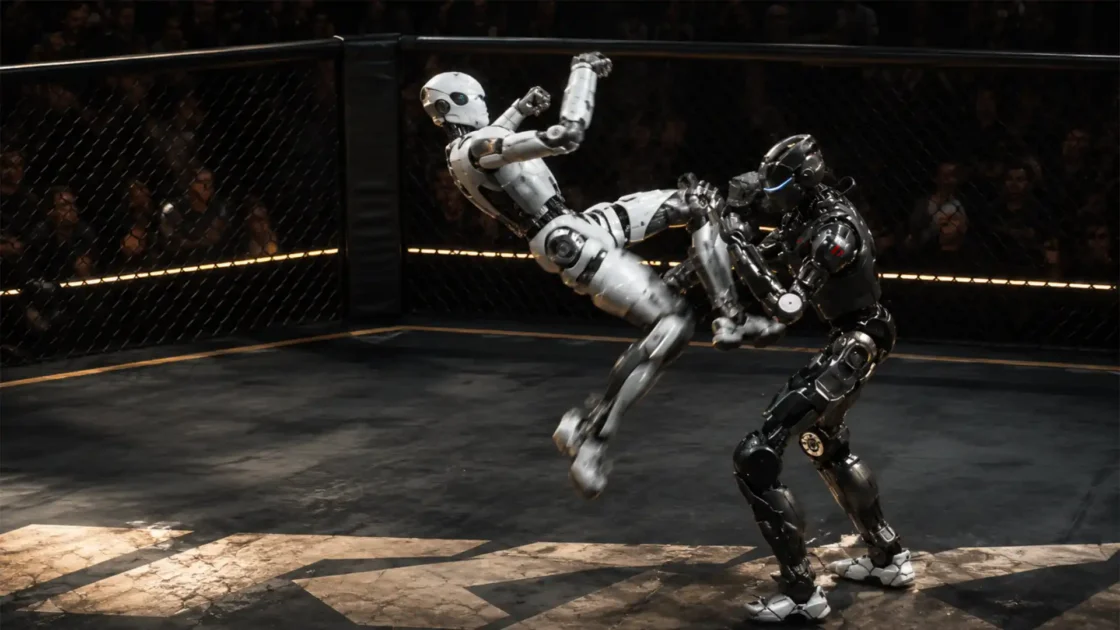
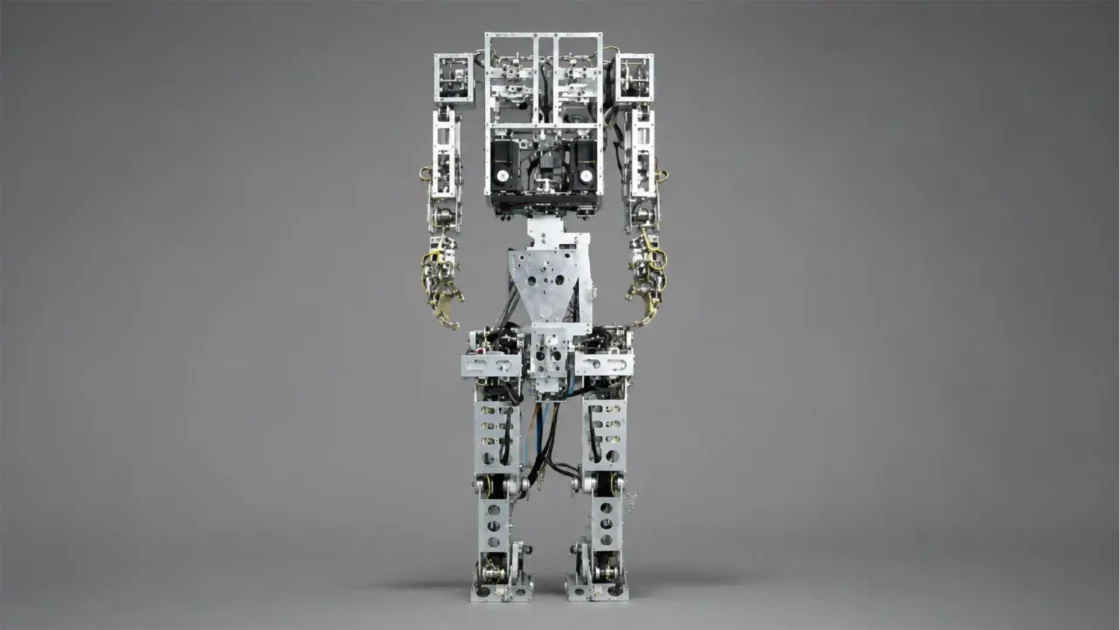
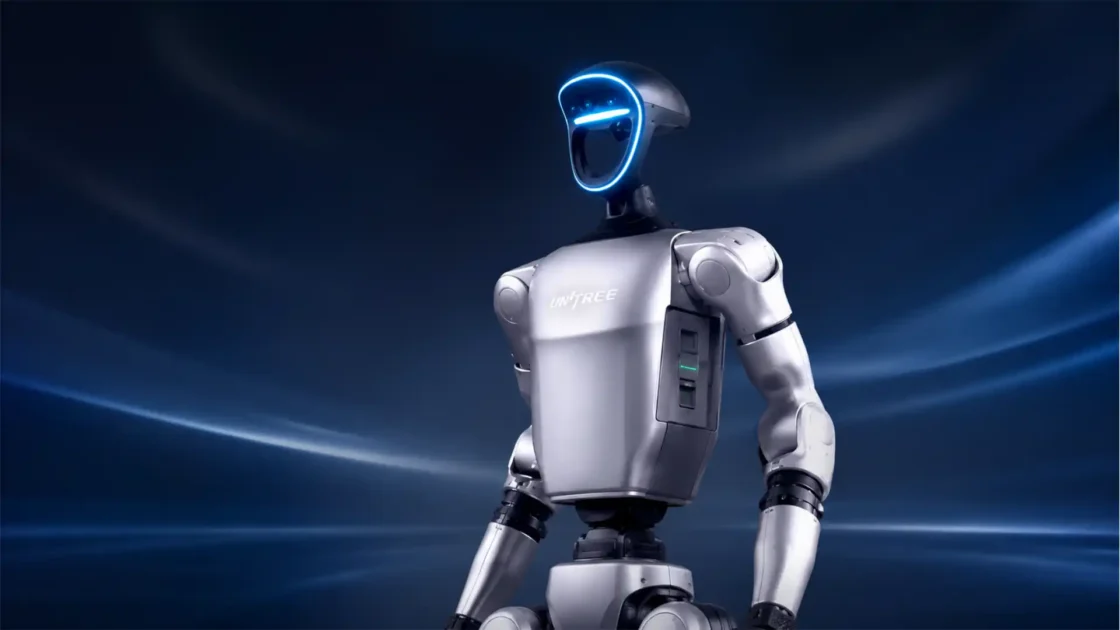
Humanoid robot makers now compete on production figures, but the numbers measure different things. Boston Dynamics says one Atlas takes about a day to build, while Hyundai plans capacity for 30,000 robots a year by 2028. Neither figure says how many working robots reach customers, and that is the number a factory buyer needs before signing anything.
Table of Contents
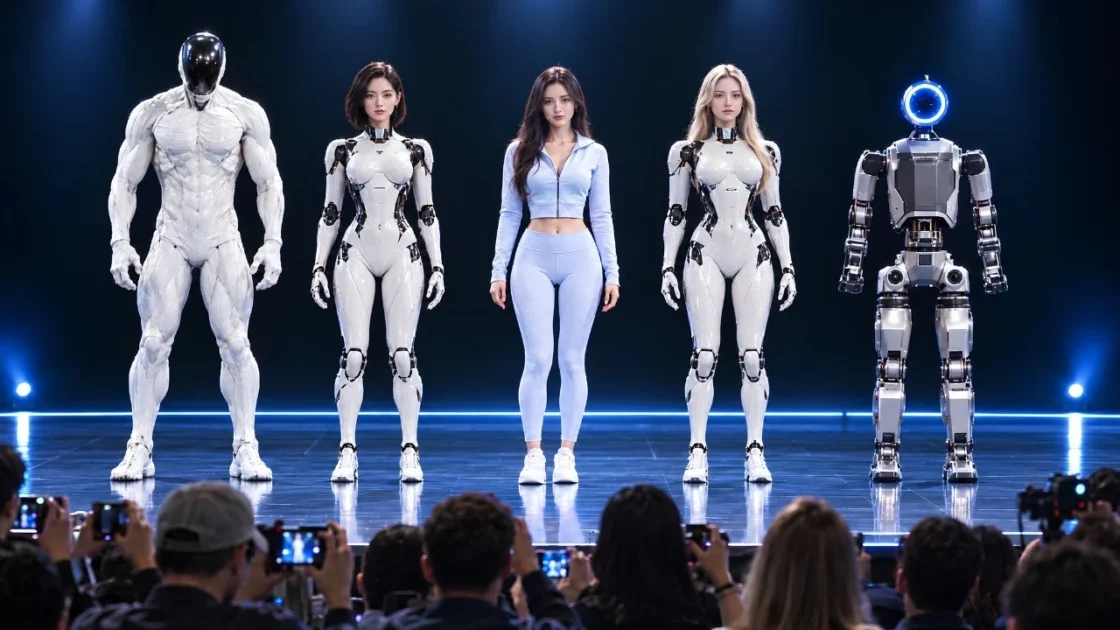
Humanoid robot makers have started to publish production figures, and the figures rarely measure the same thing. According to Humanoids Daily, Figure reported a line pace of one robot an hour in April and its 1,000th Figure 03 in July. Tesla was reportedly building several hundred Optimus robots a week in August, most of them for internal testing, and AGIBOT announced its 20,000th robot in September, a total spread across several product series. A build time, a line rate, a weekly output and a cumulative count answer four different questions, so a buyer cannot compare these figures directly.
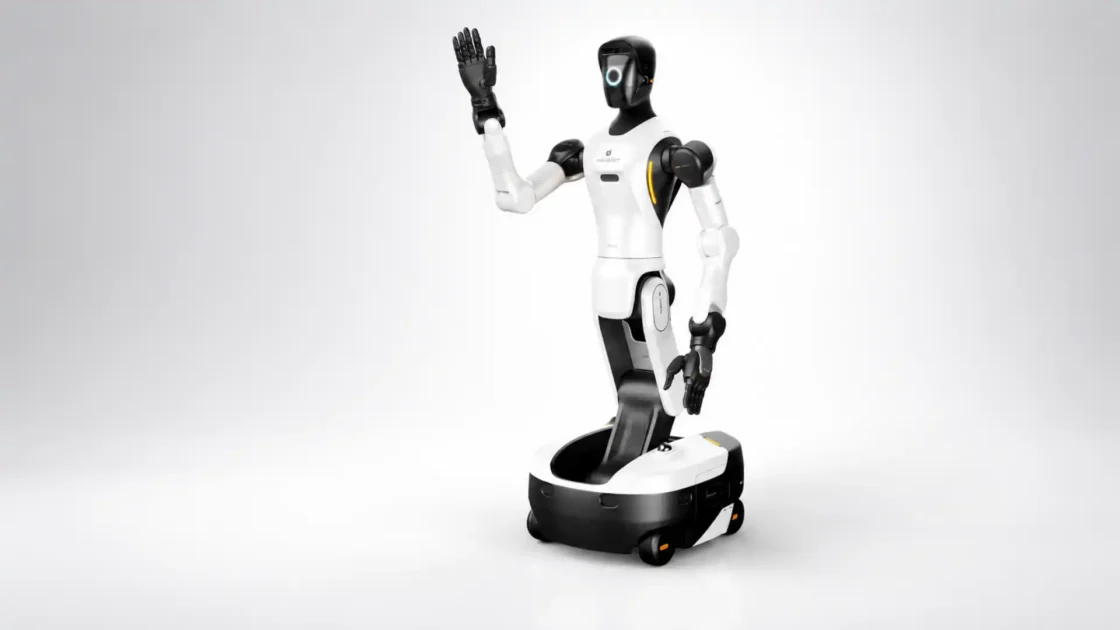
The newest example comes from Boston Dynamics, which published a six-minute film titled “Machine, Assemble, Repair: How We Build Atlas” on 14 October 2026. In it, a senior program manager says one Atlas now takes about a day to build, with an hour targeted for next year. The claim is concrete enough to test, which makes the film a useful case. The one-day figure is real as a statement and thin as evidence of output, and the sections below show what surrounds it.
A shop-floor film with a hiring pitch attached
As Humanoids Daily describes it, the film shows a prototype operations floor at the company’s Massachusetts headquarters that resembles a manufacturing line more than a lab bench. Machinists cut gears in-house because outside shops struggled with the tolerances. Engineers walk over, change a design with the machinists, and a part can be assembled into a robot the same day or the next. Robot arms help with assembly, and the same floor handles testing and repair.
The YouTube description says the aim is the manufacturing velocity needed to turn complex designs into walking hardware at scale, and it ends with a link to open job roles. The video had about 473,000 views on 9 November 2026. It is promotional content made by the subject itself, so every figure in it is the company’s own statement, not a measurement taken by anyone outside.
One robot in a day says little about output
Humanoids Daily draws the distinction plainly: the film presents a roughly one-day build time and an hour-long ambition for next year, and it does not establish a shipment rate. The outlet adds that the prototype operation applies manufacturing discipline to research builds. Build time per robot and units per week are different quantities. Parallel stations and a line that moves robots from step to step let a day of build time and an hourly output both be true at once, and one bench that needs a day per robot yields exactly one a day.
The film as reported gives no station count, no weekly volume and no share of units that go to customers. The company’s January launch release said production of the product version would begin immediately and that every 2026 deployment was already committed, to Hyundai and Google DeepMind. The same release’s company description still calls Atlas a platform “currently in development”. No source reviewed gives an Atlas delivery count.
The 30,000 figure covers more than Atlas
Hyundai Motor Group’s CES release says the group aims to have a production system able to build 30,000 robot units a year by 2028. It separately plans a new US robotics facility of the same size, part of a $26 billion US investment announced in 2025. The 25,000 figure belongs to a different statement: the plan to deploy about 25,000 Atlas robots across Hyundai and Kia plants worldwide over the next few years, as the Korea Times reports.
The Investor, a Korean business outlet, points out that the 30,000 capacity covers the group’s broader robot portfolio and does not mean 30,000 humanoids will enter factories. The Register, writing in January, inferred from the press material that many of the robots would be Atlas units, which shows how easily the two numbers merge. Capacity is a target, not an order book. Boston Dynamics told The Register it plans to add customers in early 2027 and declined to name any.
Sorting car parts is the first real job
Atlas’s first production assignment is modest by design. Hyundai’s roadmap puts deployment from 2028 on processes with proven safety and quality benefits, such as parts sequencing, which means arranging components in the order the line needs them. Component assembly follows by 2030. The Robotics Metaplant Application Center at the Georgia plant, in pilot since June and in full operation since late September, is where Atlas practises that work. Reported tasks include lifting vehicle hoods and moving heavy parts, and a building about ten times larger is planned for 2027.
Hyundai says most tasks can be taught in under a day, which is a company claim. The coverage reviewed gives no cycle time, accuracy or uptime for any task. Boston Dynamics targets payback in under two years and says it already reaches that with Spot, but Humanoids Daily notes that the companion film shows no Atlas customer case.
Actuator supply sets the pace more than machining
The film celebrates in-house gear cutting because suppliers could not hold the tolerances. That solves a prototyping problem, and volume is a different one. At CES the company said this generation of Atlas has fewer unique parts, uses components designed for automotive supply chains and will take its actuators from Hyundai Mobis.
Asiae reported in March, in a report machine-translated into English, that Mobis secured the order for all 31 actuators in Atlas and was in talks about five more components: the gripper, perception module, head module, controller and battery pack. Mobis said nothing was finalised, and the report says Chinese-made parts would be excluded. Those are reported plans. An hourly build depends on parts arriving at automotive volume, not on how fast one machine shop can cut a gear. That is an inference from the sources: the film shows the prototype shop, while the scale-up documents describe a different supplier.
Labour politics arrive before the robots do
Hyundai’s Korean union raised the issue before any Atlas reached a Korean plant. The Korea Times reported in June that its wage demands included guaranteed employment and working conditions tied to AI, and that more than 86 percent of roughly 40,000 members voted to strike. By late August, The Investor reports, a tentative agreement recognised physical AI and robotics as necessary for long-term competitiveness and committed both sides to share information and manage the transition jointly.
Hyundai has not announced Atlas for its Korean plants. The first deployment is the Georgia plant, which is nonunion, in a state where the 2025 union membership rate was 3.8 percent according to the figures The Investor cites. The plant’s direct workforce rose from about 1,200 to 1,623, which may have softened concern. The contracts between the UAW and Detroit’s three automakers expire on 30 April 2028, the year Atlas is due to start sorting parts, so the labour question will not stay in Korea.
Questions a buyer can put to the numbers
A plant manager weighing humanoids can start with a short list. Ask what each number measures: one robot’s build time, a line’s hourly output or a cumulative count. Ask when units ship, since Boston Dynamics says 2026 is fully committed and additional customers start in early 2027. Ask for task data: cycle time against a person doing the same sorting job, how often a human has to step in, and uptime over weeks rather than on a demo day. Ask for the payback case behind the two-year target, and whether Hyundai’s subscription model, which its CES release says lowers upfront cost, covers maintenance and software updates. None of the sources reviewed publishes a price.
The evidence supports a narrower claim than the film’s confident tone: Atlas can be built quickly in a prototype shop, and Hyundai intends to scale it. Two observable events would move that judgment, a published delivery count and the first parts-sequencing results from Georgia in 2028.
Author:
Jan Bielik
CEO & Founder of Webiano Digital & Marketing Agency
This article is an original analysis supported by the sources cited below
Machine, Assemble, Repair: How We Build Atlas | Boston Dynamics
The video page, giving the publication date of 14 October 2026, a run time of 5:56 and the company’s own description of in-house machining, assembly and repair, closing with a careers link.
Boston Dynamics Unveils New Atlas Robot to Revolutionize Industry
The company’s January launch release, which establishes immediate production at its headquarters, 2026 deployments committed to Hyundai and Google DeepMind, fewer unique parts and Hyundai Mobis as actuator supplier.
Hyundai Motor Group Announces AI Robotics Strategy to Lead Human-Centered Robotics Era at CES 2026
Hyundai’s own roadmap, covering 30,000 robot units a year by 2028, Atlas parts sequencing from 2028, component assembly by 2030 and the subscription service model.
Boston Dynamics Says Atlas Takes a Day to Build—and Wants to Cut That to an Hour
An independent account of what the film says about the prototype floor, with the caution that it does not establish a shipment rate and a comparison with Figure, Tesla and AGIBOT figures.
Boston Dynamics Makes Its Case for Atlas and a Two-Year Payback Target
Reporting on the under-two-year payback target, the branded nature of the companion film and the absence of any Atlas customer case.
Boston Dynamics beats Tesla to the humanoid robot punch
January reporting that read the 30,000-robot facility as largely Atlas by inference and that Boston Dynamics declined to name any 2027 customers.
Hyundai Motor Group opens robot training center in US
Details of the Georgia training center: full operation after a June pilot, sorting parts by assembly sequence, about 25,000 Atlas units planned and a facility ten times larger next year.
Atlas assigned as an ‘intern’ at Hyundai Motor plants… phased deployment of 25,000 humanoids
Kyunghyang Shinmun’s account of the training tasks, the 2030 assembly goal and the job and quality concerns, in an AI-translated English edition.
Hyundai Motor union set to leverage strike against Atlas robot deployment
The union’s AI-related employment demand and the strike vote of more than 86 percent among roughly 40,000 members.
Why Hyundai’s Atlas stirs labor debate in Korea, but not the US
The tentative labour agreement, the nonunion Georgia workforce and union rates, and the clarification that the 30,000 capacity covers a broader robot portfolio.
Boston Dynamics in Further Talks Beyond Actuators
A machine-translated report on Hyundai Mobis’s actuator order, further component talks and Mobis’s statement that nothing was finalised.
| Citing this article? Brief excerpts are welcome. Please credit Webiano.digital, name the author where stated, and include a link to https://webiano.digital and to this original article. Full or substantial republication requires prior written permission. Read our Copyright and Content Use Policy. |
This article was prepared with the assistance of artificial intelligence tools. The content underwent expert human review, and Webiano Digital & Marketing Agency assumes editorial responsibility for its final version and publication.